Future Innovations through the Coupling of Cryogenics and Magnetic Fields
Technology Introduction:
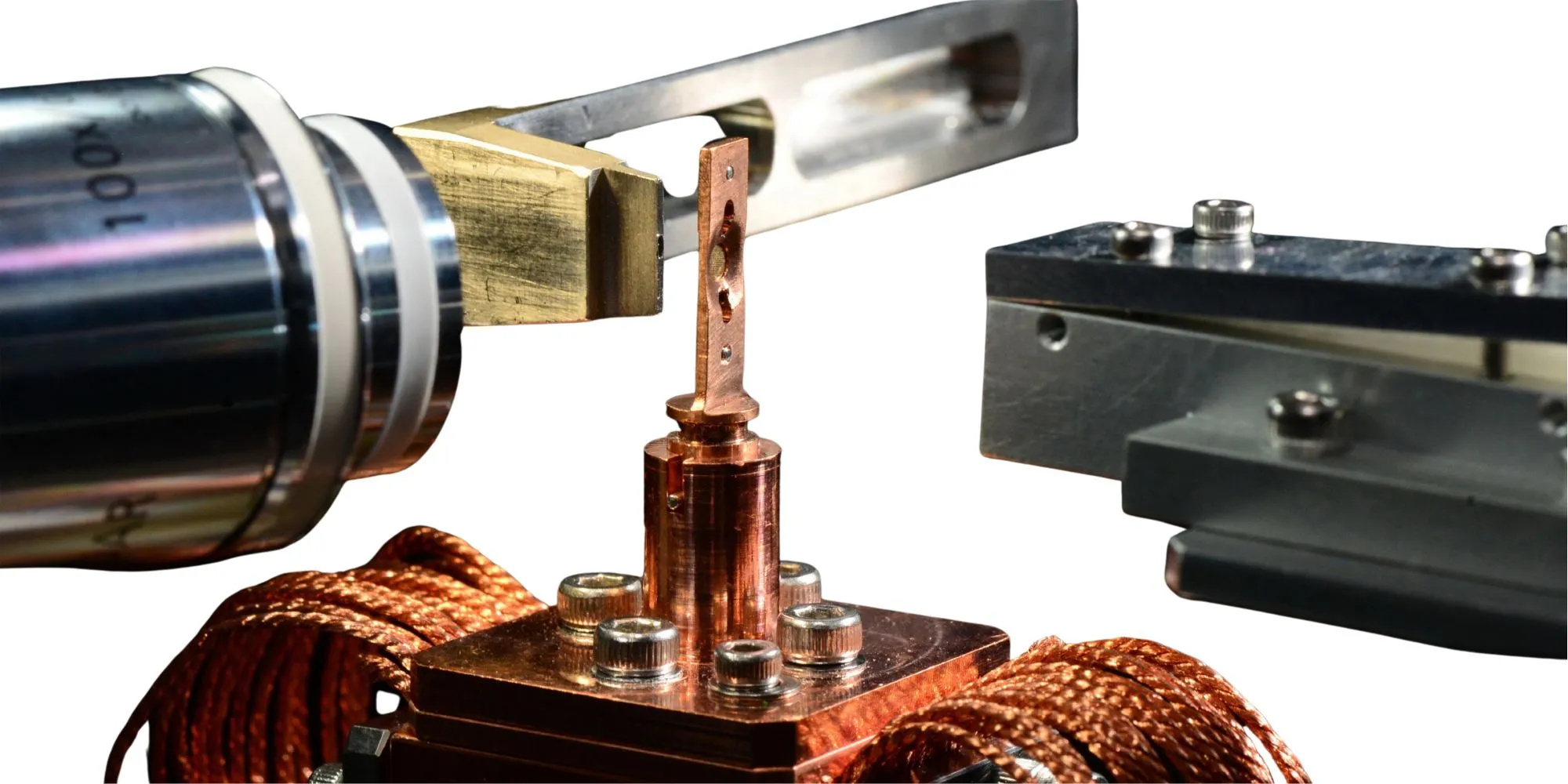
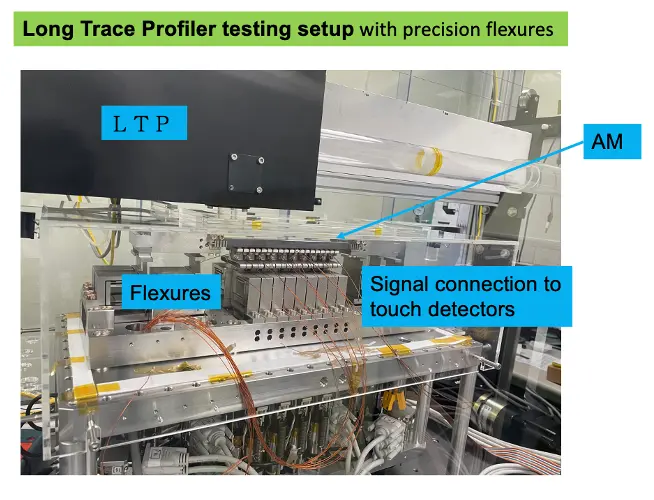
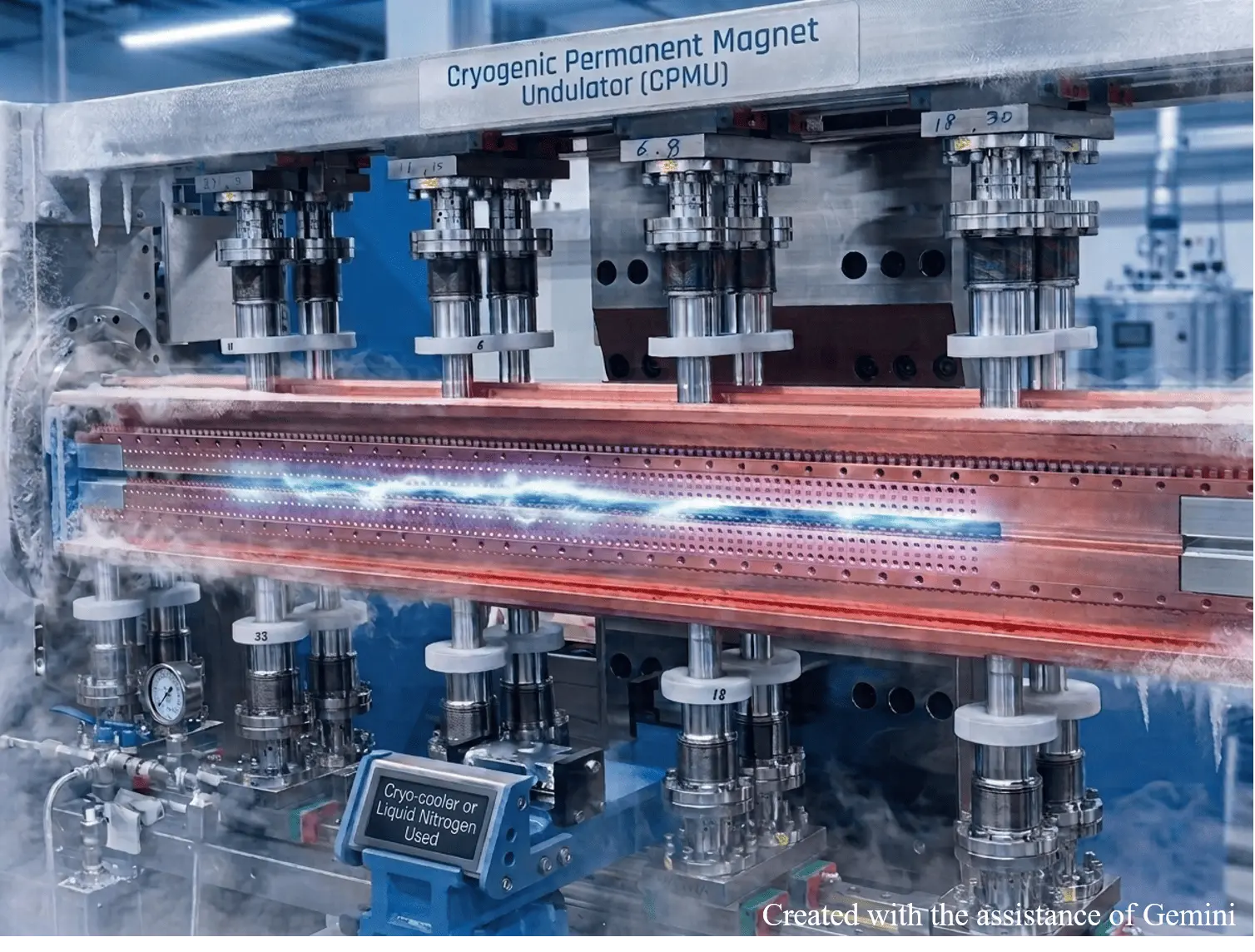
Permanent magnets have higher remanent flux density (Br) at low temperatures, while HTS tapes, with high operating temperatures and critical fields, are widely used in high-field devices. Amid global helium shortages, developing liquid-helium-free cooling technologies has become a key trend. Utilizing its advanced light source facilities, NSRRC develops HTS magnets and cryogenic permanent magnet undulators, establishing key technologies in cryogenic magnet design, mechanical and thermal analysis, and precision field measurement to promote diverse applications in scientific research and industry.
Industrial Applications:
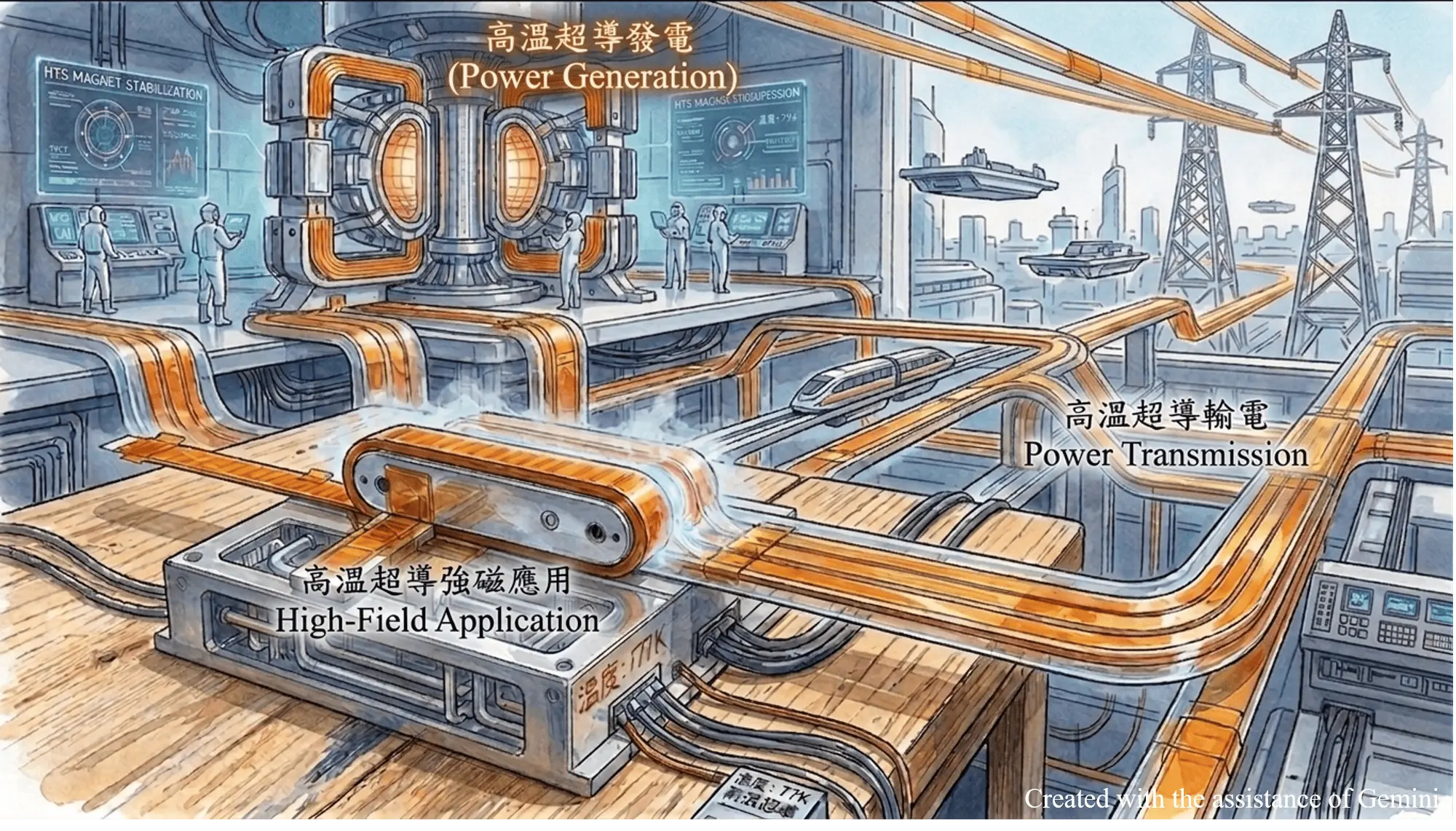
HTS tapes exhibit superconductivity above 77 K with high critical fields, while cryogenic permanent magnets significantly enhance magnetic intensity, making them ideal for low-loss power transmission and high-field devices. Recently, HTS tech has been applied in power systems, energy storage, wind generators, medical accelerators, maglev trains, fusion energy, electron microscopes, and MRI.
National Synchrotron Radiation Research Center
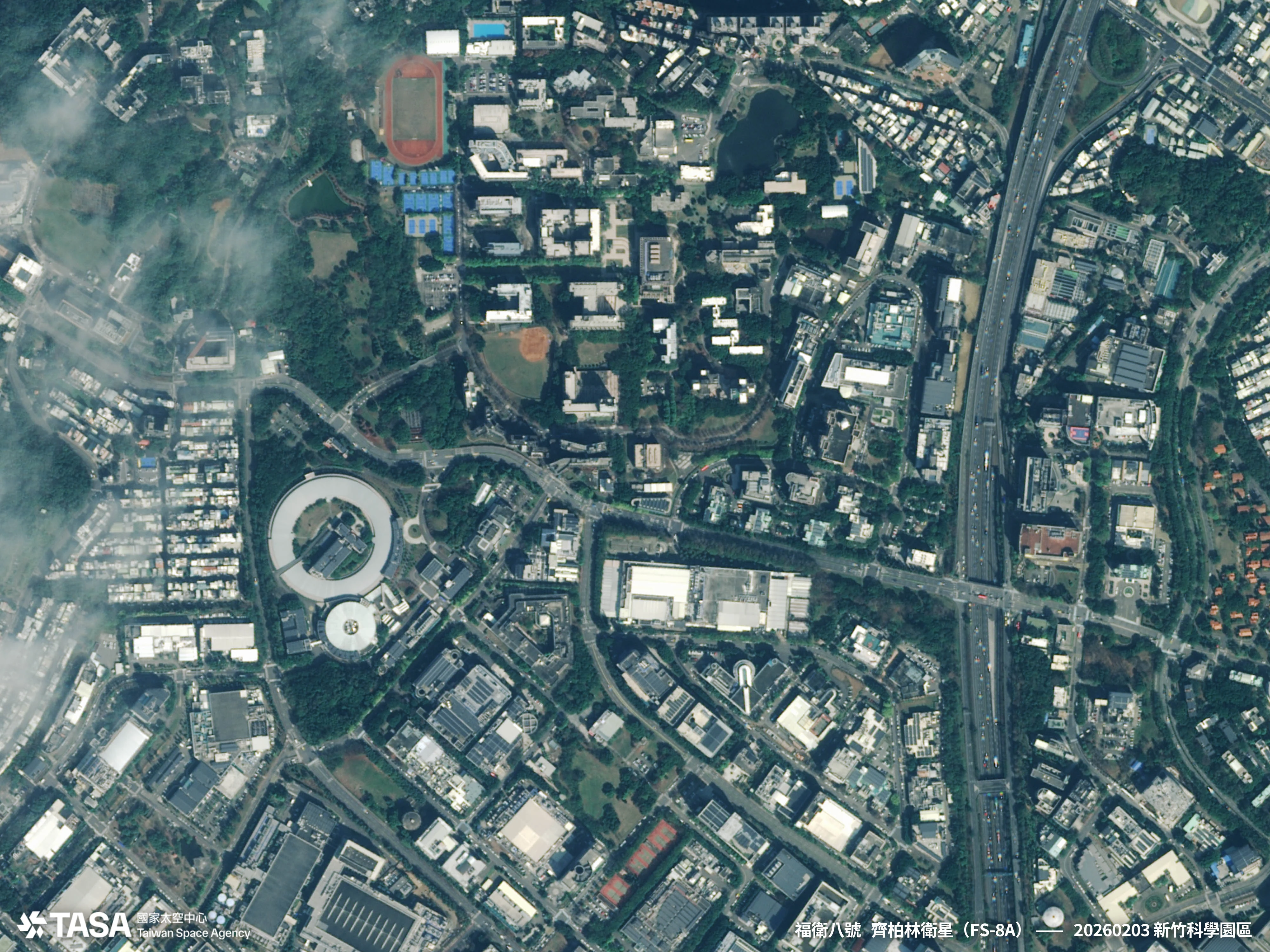
NSRRC, the biggest large-scale shared research facility in Taiwan, currently operates two accelerators, the Taiwan Light Source (TLS) and the Taiwan Photon Source (TPS). TLS, of beam energy 1.5 GeV and circumference 120 meters, is the first third-generation synchrotron light source facility in Asia and the third globally. It has opened to users since October, 1993. The best optimized energy range of synchrotron light from TLS is between vacuum ultraviolet light and soft X-rays. The TPS, of circumference 518.4 meters, is one of the brightest synchrotron light sources in the world. It began its operation in September, 2016. To meet the demands from modern technologies and pioneer sciences for higher-brightness light beams, such as biomedicine and nanoscience, it is equipped with a low-emittance synchrotron storage ring and booster synchrotron producing a beam of energy 3 GeV. It generates X-rays in the higher energy range from soft X-rays to hard X-rays, and has a capacity of more than 40 beamlines. In addition, NSRRC built and operates two hard X-ray Taiwanese beamlines at SPring-8, Japan, as well as a cold neutron triple-axis spectrometer at the Australian Nuclear Science and Technology Organisation (ANSTO), under the international collaboration agreements.
Scientists from around the world can access NSRRC’s facilities to explore the properties of materials in a wide range of disciplines through a competitive proposal process. Every year, over 2,000 users use NSRRC’s experimental facilities, which not only enable basic research, but also facilitate high-tech innovation. NSRRC possesses one of the most advanced synchrotron facilities in the world and its pioneering capabilities keep Taiwan at the forefront of scientific research.
Scientists from around the world can access NSRRC’s facilities to explore the properties of materials in a wide range of disciplines through a competitive proposal process. Every year, over 2,000 users use NSRRC’s experimental facilities, which not only enable basic research, but also facilitate high-tech innovation. NSRRC possesses one of the most advanced synchrotron facilities in the world and its pioneering capabilities keep Taiwan at the forefront of scientific research.
Contact Information
Name:Yang, Chin-Kang
Tel:03-578-0281#6421
Address:NO. 101, HSIN-ANN RD., HSINCHU SCIENCE PARK, HSINCHU, TAIWAN, R.O.C.