High-Efficiency Distributed Electric Propulsion (DEP) Vertical Takeoff and Landing (VTOL) UAV Technology
Technology Introduction:
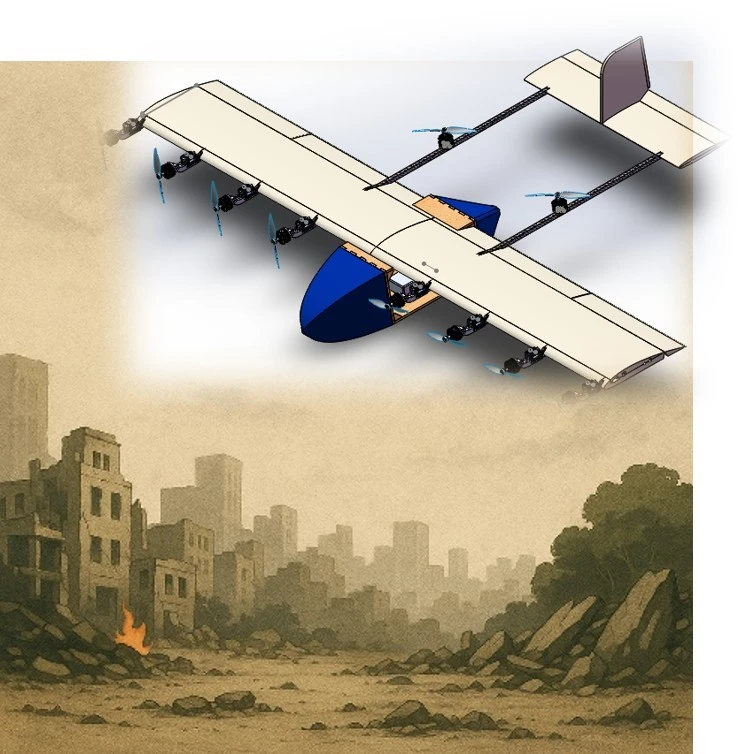
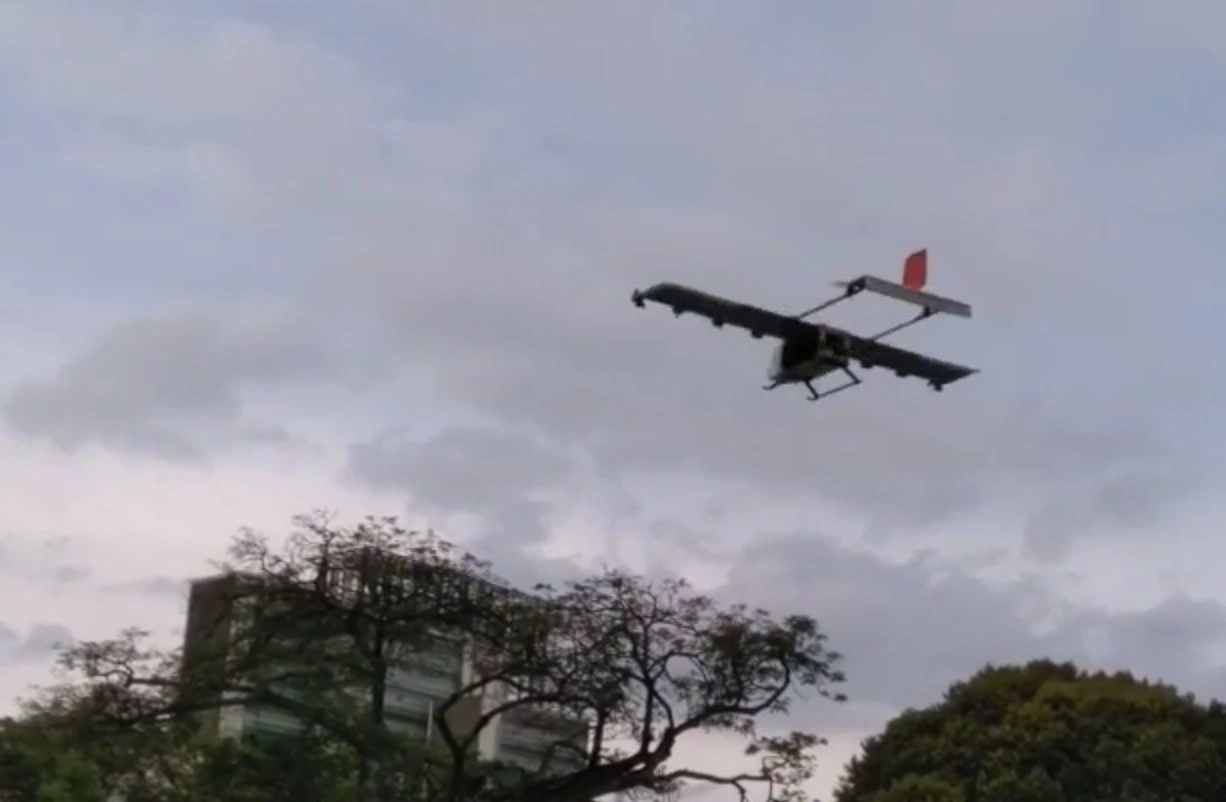
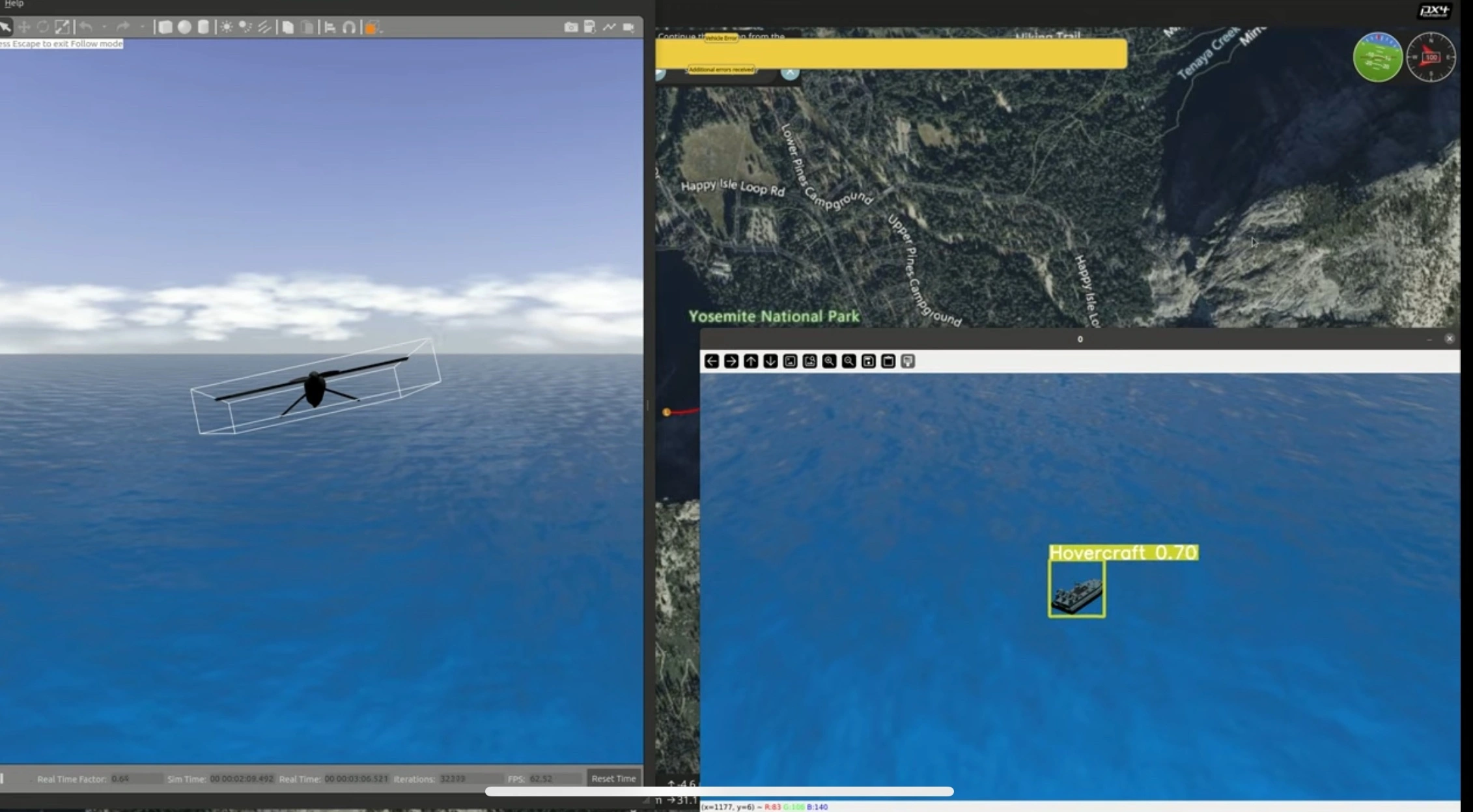
This technology presents a vertical takeoff and landing UAV system integrating distributed electric propulsion with thrust-vectoring propeller modules. The propulsion units dynamically redirect thrust for vertical and horizontal flight, reducing deadweight and improving efficiency. Research confirms enhanced lift, delayed stall, and reduced drag. Its all-electric design supports vertical takeoff, hovering, and efficient cruise through thrust-vectoring propulsion, and integrates with AI-based sensing and decision-making systems to enhance mission autonomy and adaptability. The system is well-suited for urban air mobility, disaster response, and aerial logistics.
Industry Applicability:
This technology offers high endurance, adaptive control, and modular integration of distributed electric propulsion with thrust-vectoring modules. It enables efficient, flexible, low-emission flight, supporting diverse applications such as urban air mobility, disaster response, smart agriculture, energy inspection, and remote logistics. Its low noise, green design, and scalable architecture make it suitable for commercialization and export as a next-generation intelligent aerial platform.
This technology presents a vertical takeoff and landing UAV system integrating distributed electric propulsion with thrust-vectoring propeller modules. The propulsion units dynamically redirect thrust for vertical and horizontal flight, reducing deadweight and improving efficiency. Research confirms enhanced lift, delayed stall, and reduced drag. Its all-electric design supports vertical takeoff, hovering, and efficient cruise through thrust-vectoring propulsion, and integrates with AI-based sensing and decision-making systems to enhance mission autonomy and adaptability. The system is well-suited for urban air mobility, disaster response, and aerial logistics.
Industry Applicability:
This technology offers high endurance, adaptive control, and modular integration of distributed electric propulsion with thrust-vectoring modules. It enables efficient, flexible, low-emission flight, supporting diverse applications such as urban air mobility, disaster response, smart agriculture, energy inspection, and remote logistics. Its low noise, green design, and scalable architecture make it suitable for commercialization and export as a next-generation intelligent aerial platform.
Industrial Applications:
-
National Yang Ming Chiao Tung University
National Yang Ming Chiao Tung University (NYCU) was established on February 1, 2021, through the merger of National Chiao Tung University and National Yang Ming University. By integrating Chiao Tung’s strengths in information, communications, and engineering technologies with Yang Ming’s expertise in biomedical research, NYCU is committed to transcending disciplinary boundaries. The university advances interdisciplinary fields such as digital medicine, bioinformatics, smart technologies, and biomedical applications, while cultivating innovative, globally competitive talent and addressing complex real-world challenges.