Semitransparent Perovskite Solar Cells
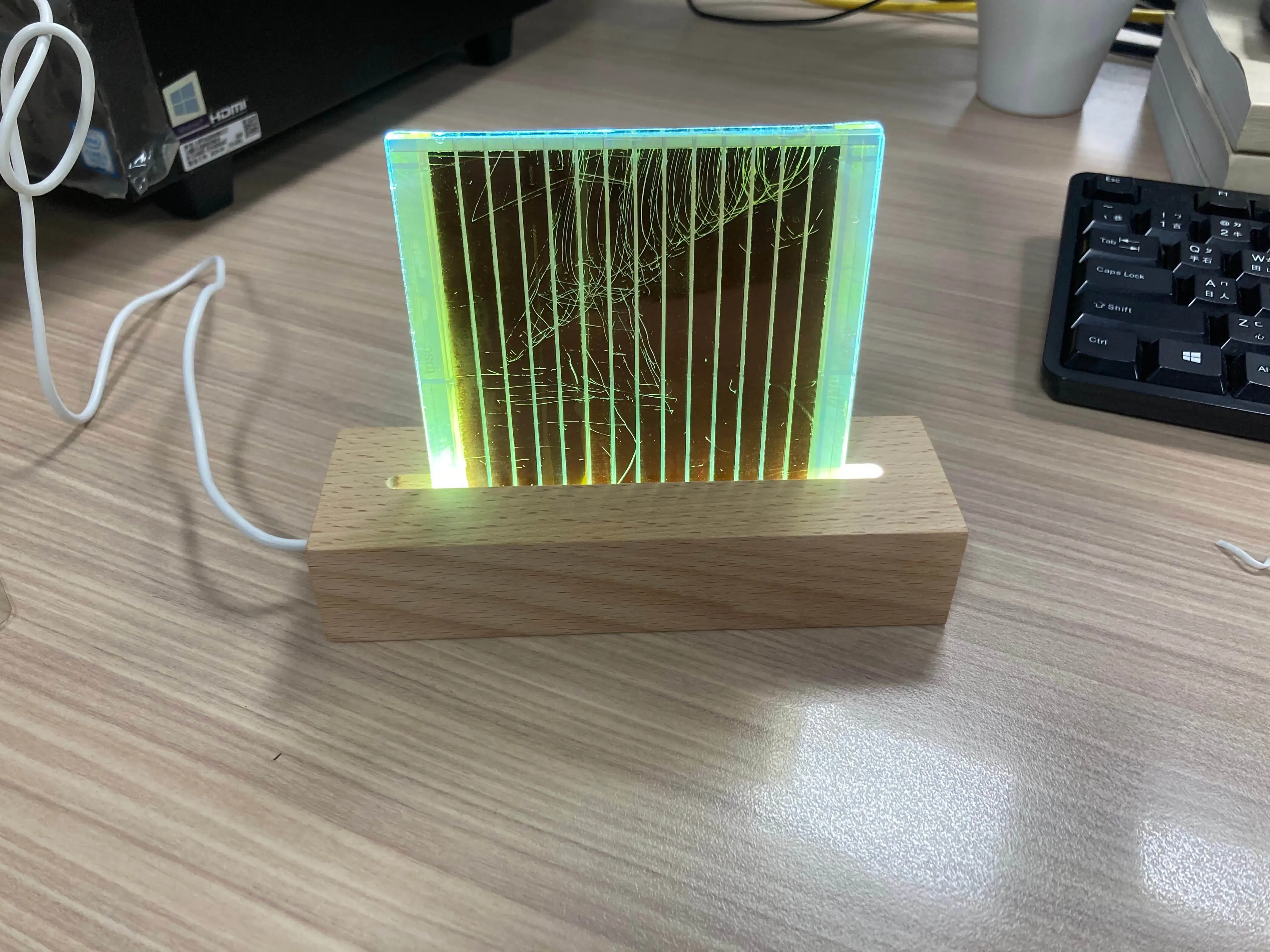
Technology Introduction:
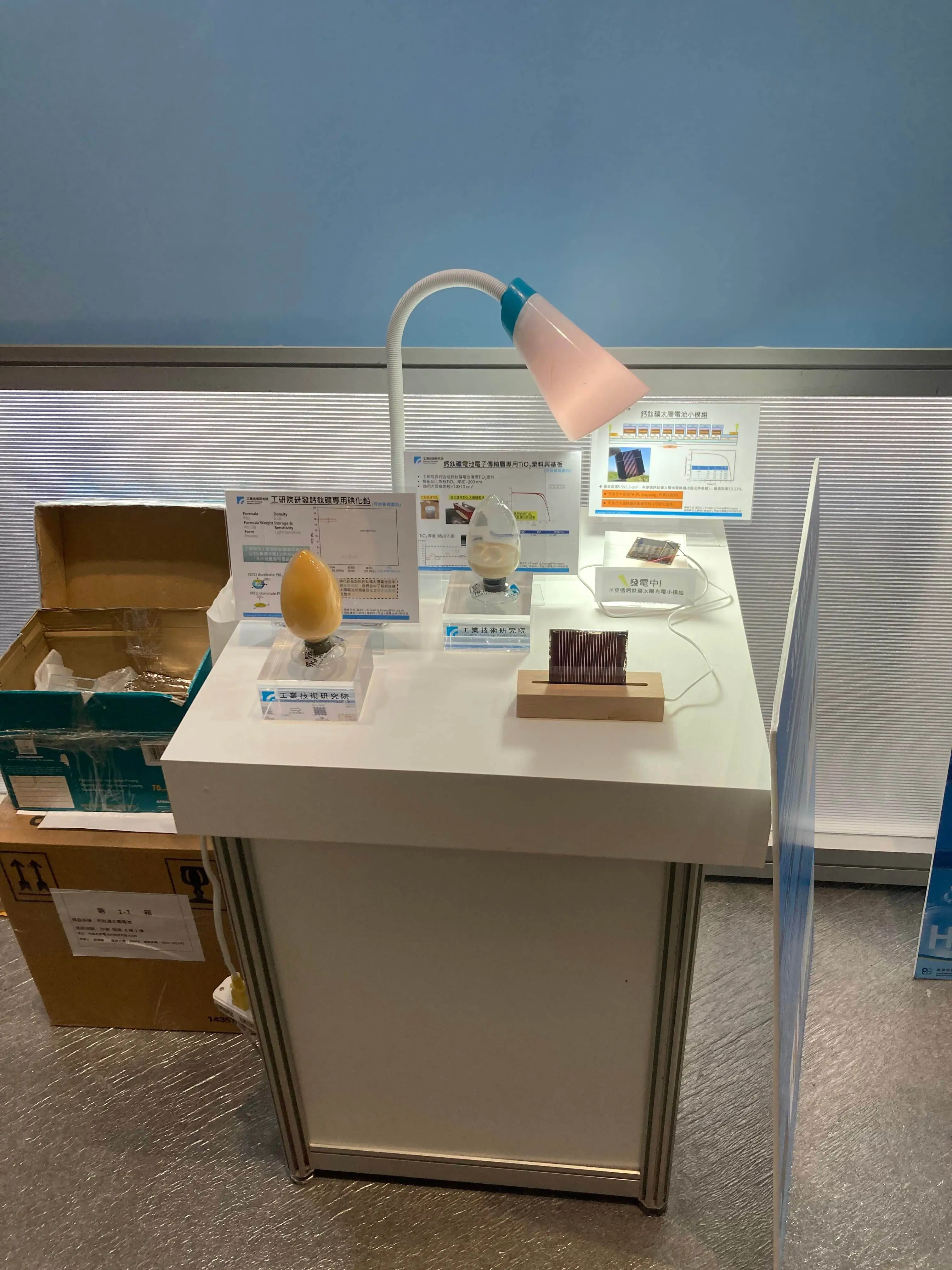
Tandem solar cells which combine silicon with organic/inorganic hybrid perovskite is a promising option for breaking the single-cell efficiency limit. The research group of ITRI dedicates to develop the technology of semitransparent perovskite solar cells. The technical content encompasses the synthesis method of perovskite precursor materials - lead iodide (patent application in CN; granted TW Invention Patent, patent number TW I825,487) and the perovskite thin-film fabrication process (patent application in CN; granted TW Invention Patent, patent number TW I717,133), gradually gaining recognition on the international stage.
Industry Applicability:
Perovskite materials are characterized by their lightweight, ultra-thin, and semi-transparent physical properties, enabling easy application onto a wide range of substrates. These attributes make them suitable for integration into diverse surfaces—including building facades, automotive exteriors, window curtains, and even wearable textiles—transforming everyday structures into potential platforms for energy generation and storage. Moreover, perovskites can be effectively combined with silicon-based or organic photovoltaic technologies to create complementary hybrid systems, offering improved performance and flexibility at a lower cost compared to traditional single-crystal silicon solutions. As a result, the growing adoption of perovskite materials is poised to drive transformative advancements in the field of solar energy.
Tandem solar cells which combine silicon with organic/inorganic hybrid perovskite is a promising option for breaking the single-cell efficiency limit. The research group of ITRI dedicates to develop the technology of semitransparent perovskite solar cells. The technical content encompasses the synthesis method of perovskite precursor materials - lead iodide (patent application in CN; granted TW Invention Patent, patent number TW I825,487) and the perovskite thin-film fabrication process (patent application in CN; granted TW Invention Patent, patent number TW I717,133), gradually gaining recognition on the international stage.
Industry Applicability:
Perovskite materials are characterized by their lightweight, ultra-thin, and semi-transparent physical properties, enabling easy application onto a wide range of substrates. These attributes make them suitable for integration into diverse surfaces—including building facades, automotive exteriors, window curtains, and even wearable textiles—transforming everyday structures into potential platforms for energy generation and storage. Moreover, perovskites can be effectively combined with silicon-based or organic photovoltaic technologies to create complementary hybrid systems, offering improved performance and flexibility at a lower cost compared to traditional single-crystal silicon solutions. As a result, the growing adoption of perovskite materials is poised to drive transformative advancements in the field of solar energy.
Industrial Applications:
-
Industrial Technology Research Institute
ITRI is a world-leading applied technology research institute with more than 6,000 outstanding employees. Its mission is to drive industrial development, create economic value, and enhance social well-being through technology R&D. Founded in 1973, it pioneered in IC development and started to nurture new tech ventures and deliver its R&D results to industries. ITRI has set up and incubated companies such as TSMC, UMC, Taiwan Mask Corp., Epistar Corp., Mirle Automation Corp., and Taiwan Biomaterial Co.