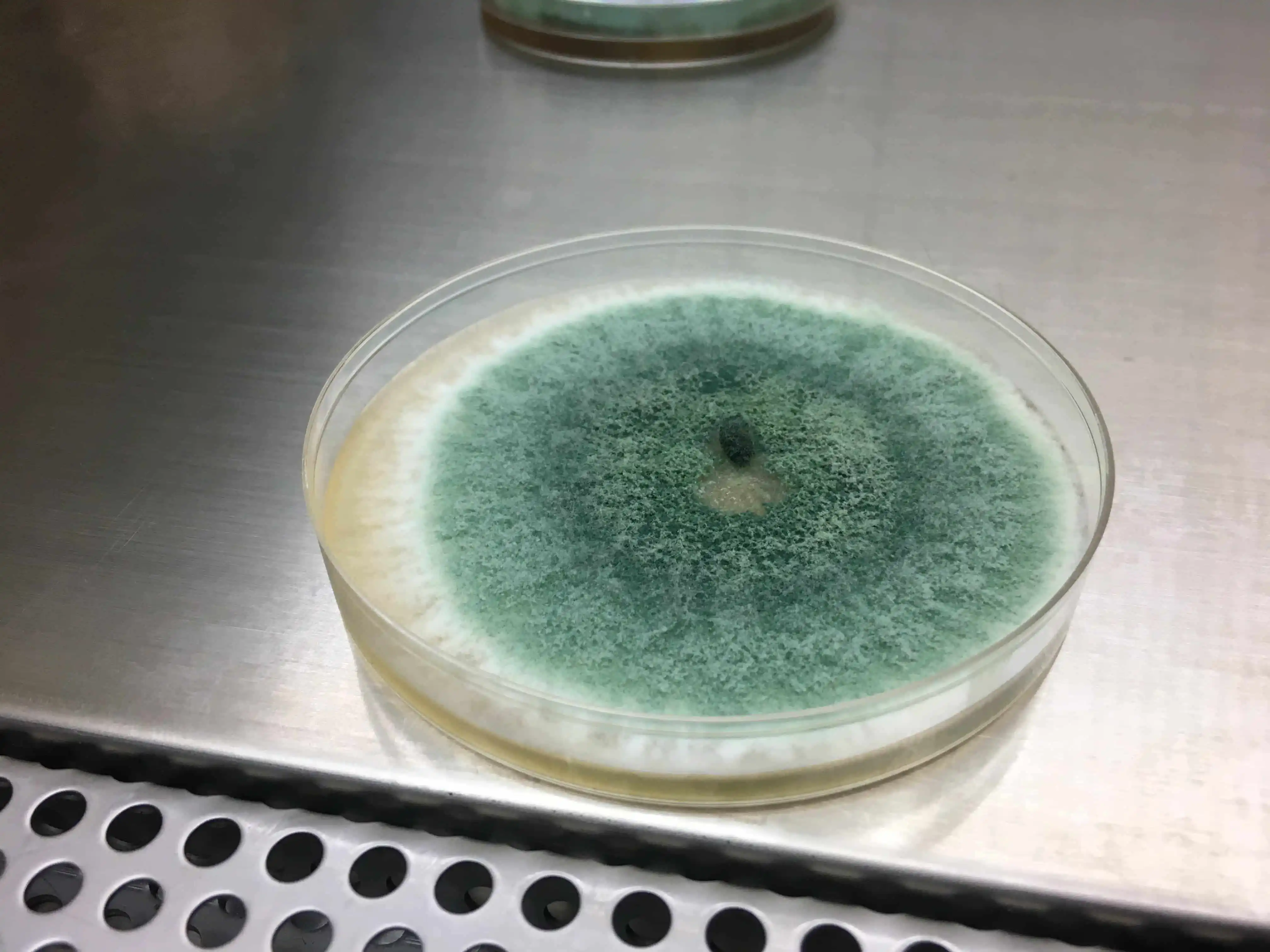
Developing a novel probiotic mix for promoting dairy cow health: A multi-omics approach
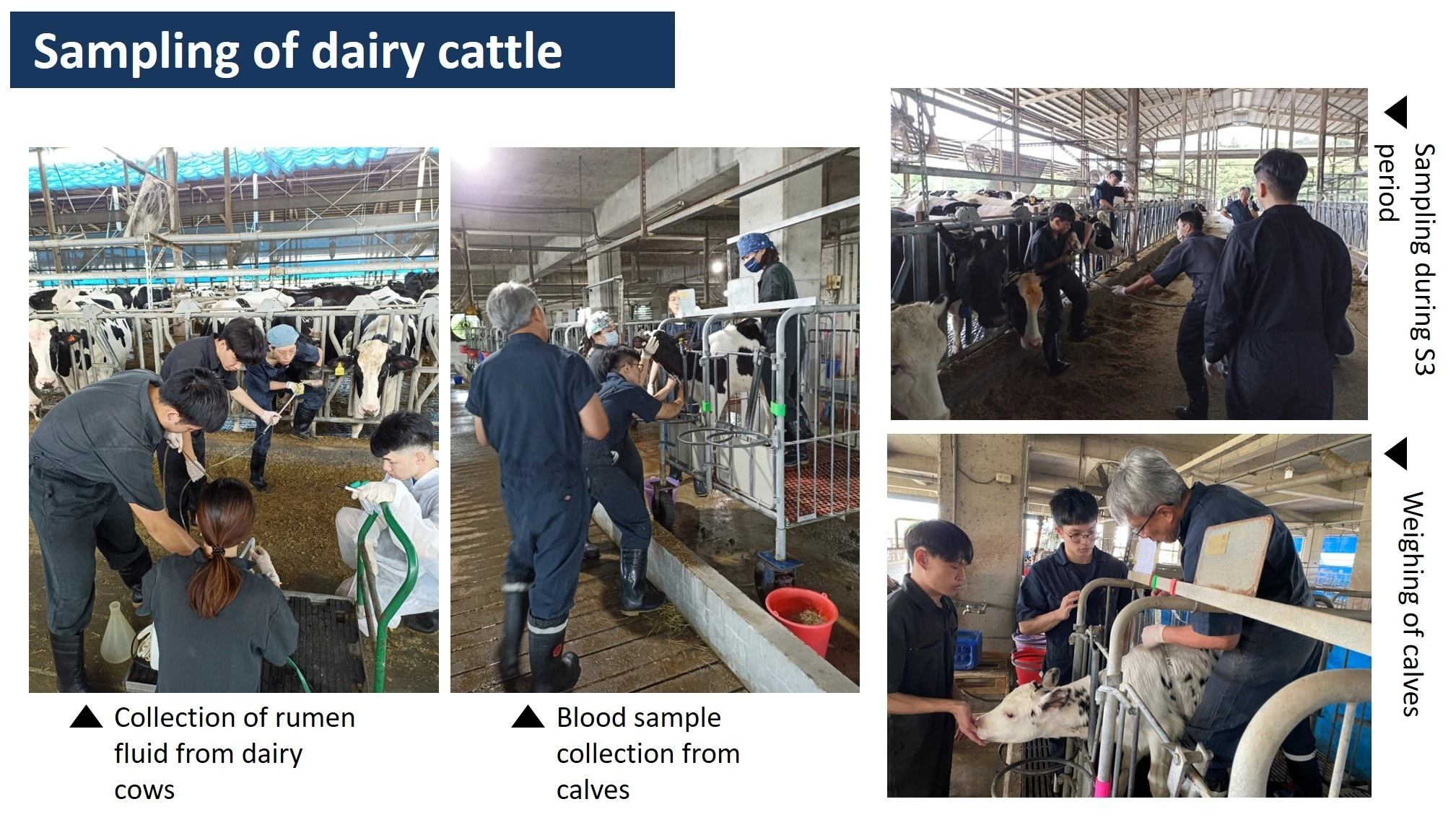
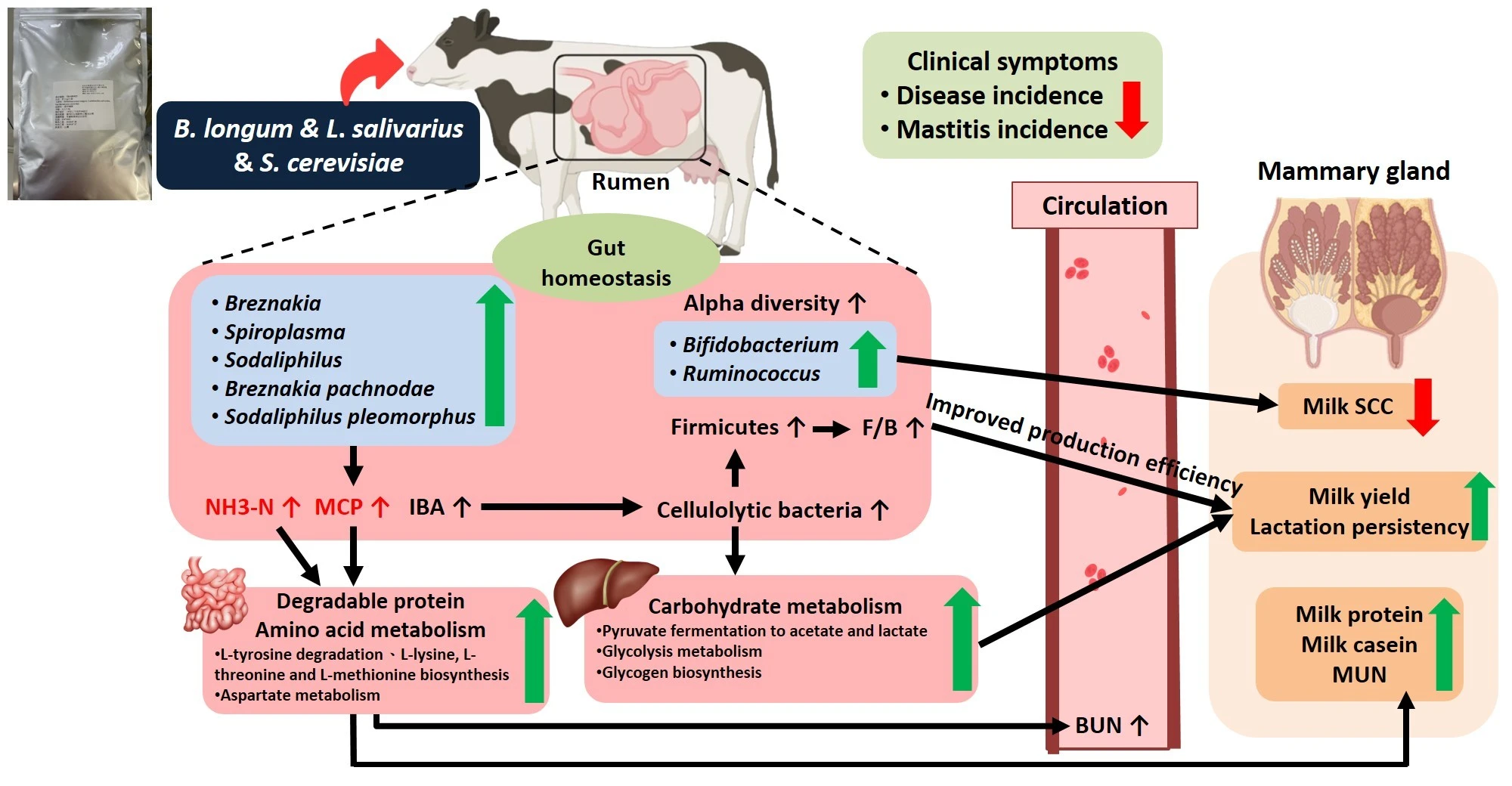
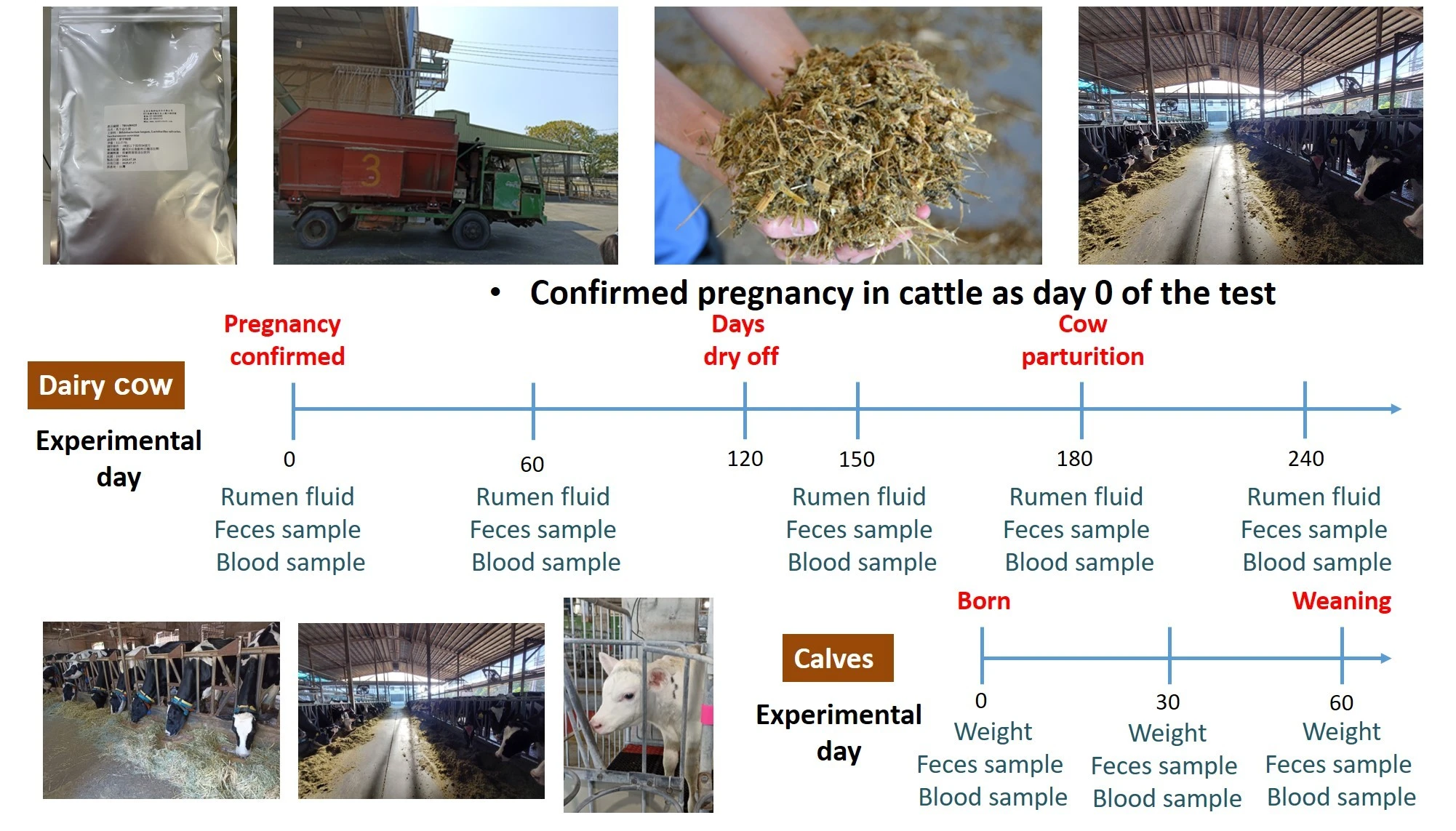
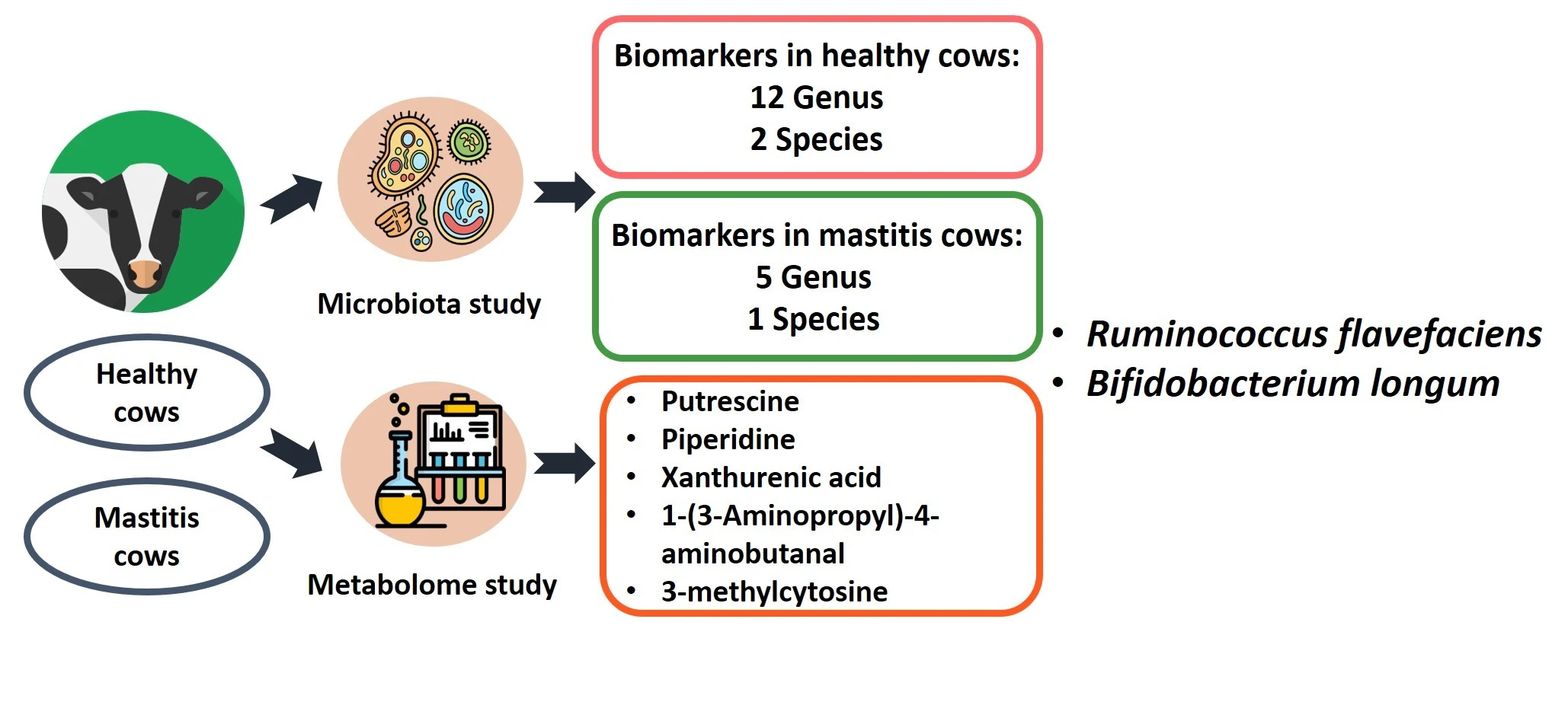
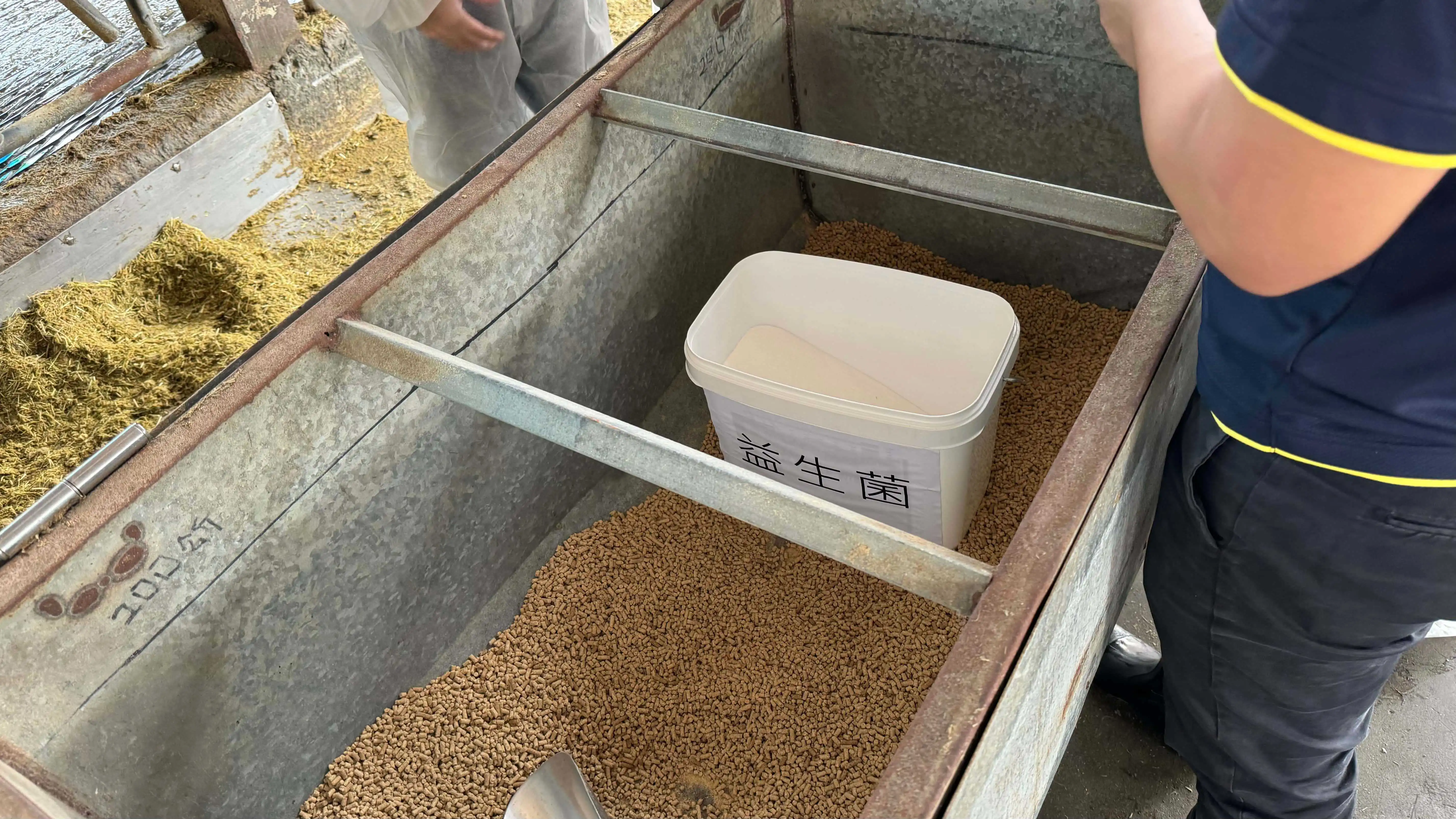
Using a combination of multi-omics analysis and animal models, we screened for health-promoting probiotics from the bovine rumen to improve dairy cow health and milk quality. By comparing the microbiota and metabolome of healthy cows with those affected by mastitis, we identified and validated the functions of Ruminococcus flavefaciens and Bifidobacterium longum subsp. longum through in vitro fermentation and germ-free mouse fecal microbiota transplantation. We then developed a composite probiotic by integrating Lactobacillus salivarius and Saccharomyces cerevisiae. Farm trials confirmed that this probiotic mix can significantly reduce the incidence of mastitis and increase milk yield and casein content, demonstrating its commercialization potential. Compared to most commercially available non-bovine strains, our technology utilizes strains isolated directly from dairy cows, offering superior colonization and functionality, and aligning with the trends of low-carbon and antimicrobial resistance reduction. The global market is growing by 7% annually, with a potential application scope of over 400,000 cows, estimating an annual output value of 2 billion NT dollars. This highlights its significant application potential and competitiveness.
Industrial Applications:
-
National Taiwan University
At present, the University consists of 16 colleges, 58 departments, 146 graduate institutes, as well as 34 Master's and PhD degree programs. NTU's programs cover a wide array of disciplines across science, arts, and the humanities, with up to 8,000 courses made available for selection each semester.