

Using Machine Learning to Assist in Building Earthquake Impact Assessment
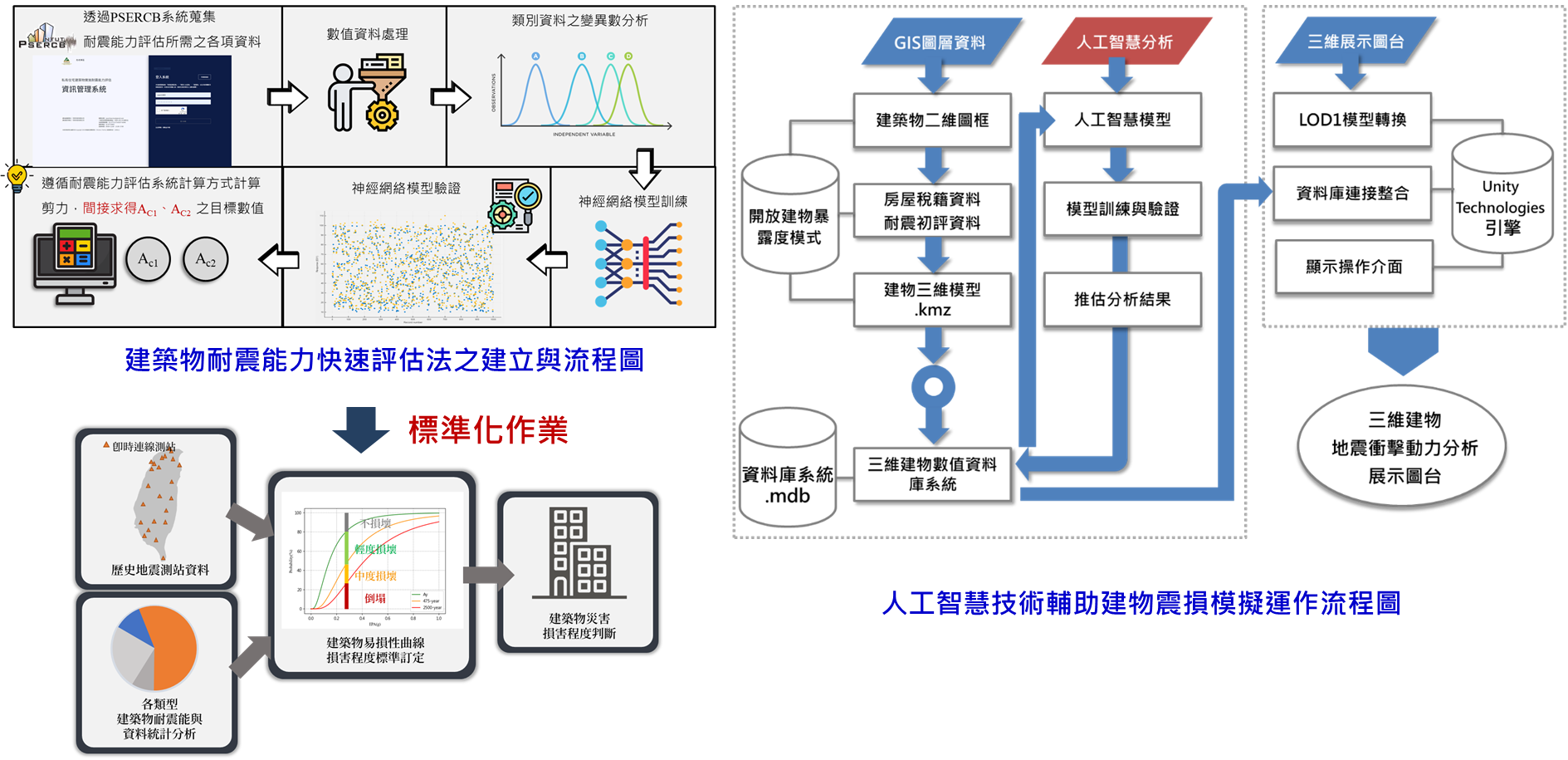


Based on large database of old buildings and utilizing machine learning, a hybrid AI model for assessing building seismic resistance is developed. This model applies deep learning algorithms, using seismic resistance big data as input, combined with earthquake scenario simulations. It effectively estimates the seismic resilience of various building types. Focusing on high-risk earthquake zones within the urban model framework, the analysis results are presented in visual and digital formats to support decision-making in earthquake disaster impact.
As the technology advisory staff to the Central Disasters Prevention and Protection Commission, Executive Yuan, NCDR coordinates and collaborates with government sectors for planning, organizing and promoting technology innovation, providing a platform of information service and technology integration, and designing the policies of disaster prevention. In accordance with the Act for the Establishment of the NCDR, NCDR’s primary missions are: ·Promote and conduct activities related to applied research and development on disaster management. ·Facilitate scientific knowledge and technological advantages for practical implementations to benefit the whole society. ·Apply outputs of science and technology to disaster risk reduction and emergency preparedness. ·Build up international partnerships to exchange experiences and conduct joint projects. ·Collaborate with domestic research institutes to engage stakeholders’contributions for reducing disaster risk and enhancing emergency preparedness. ·Provide relevant services related to disaster management.
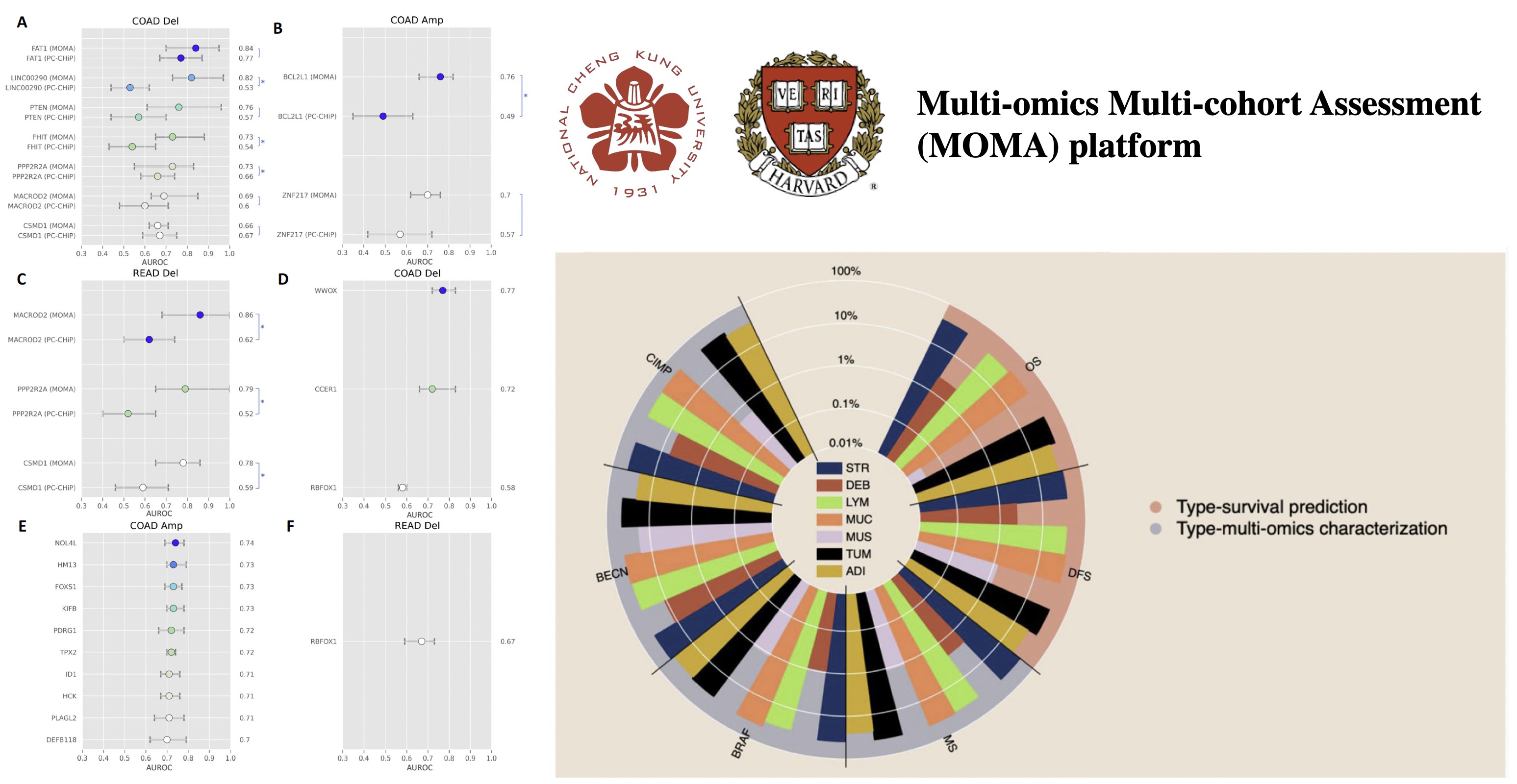
A Pioneer Novel Weakly-supervised Multi-instance Learning Framework for Genetic Expression Recognition and Survival Prediction in Digital Pathology Images
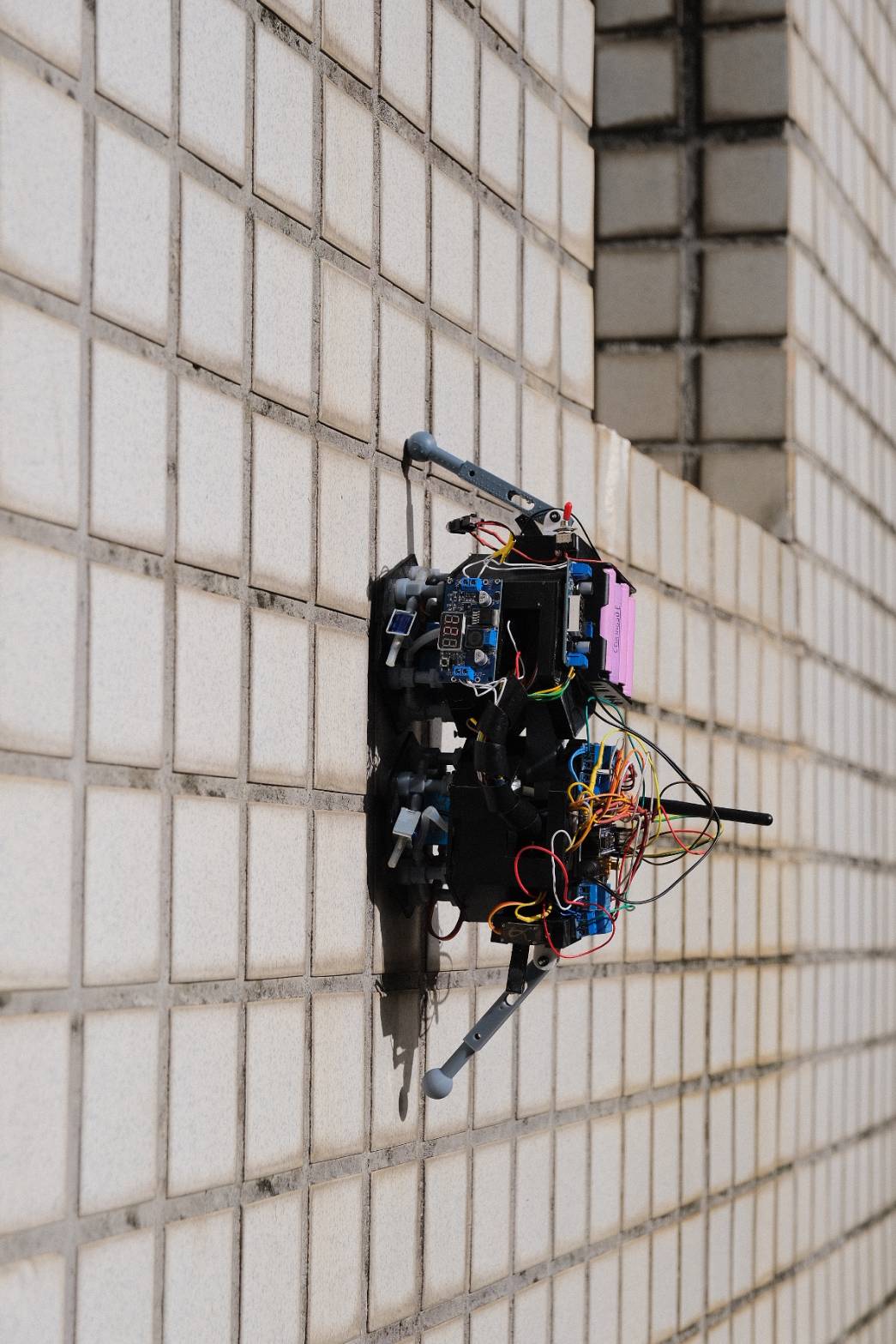
Tiny Machine Learning-Powered Smart Building Facade Tile Inspection Robot
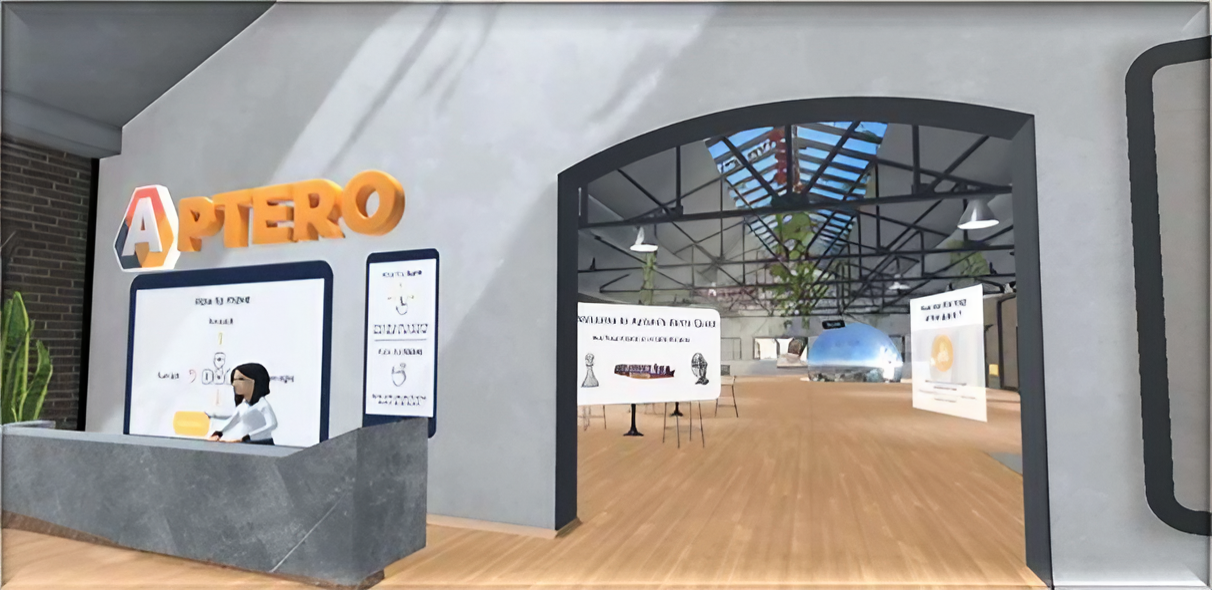
"1) Integrating AI recognition, IoT, and blockchain into traceable software and hardware for recycling UCO 2) Cutting-edge 3D learning platform powered by Spatial AI 3) Optimize use of existing buildings by making them transformable and adaptive to human needs at the click of a button 4) Non-contact image analysis and calculation technology to capture vital signs through dynamic face detection"
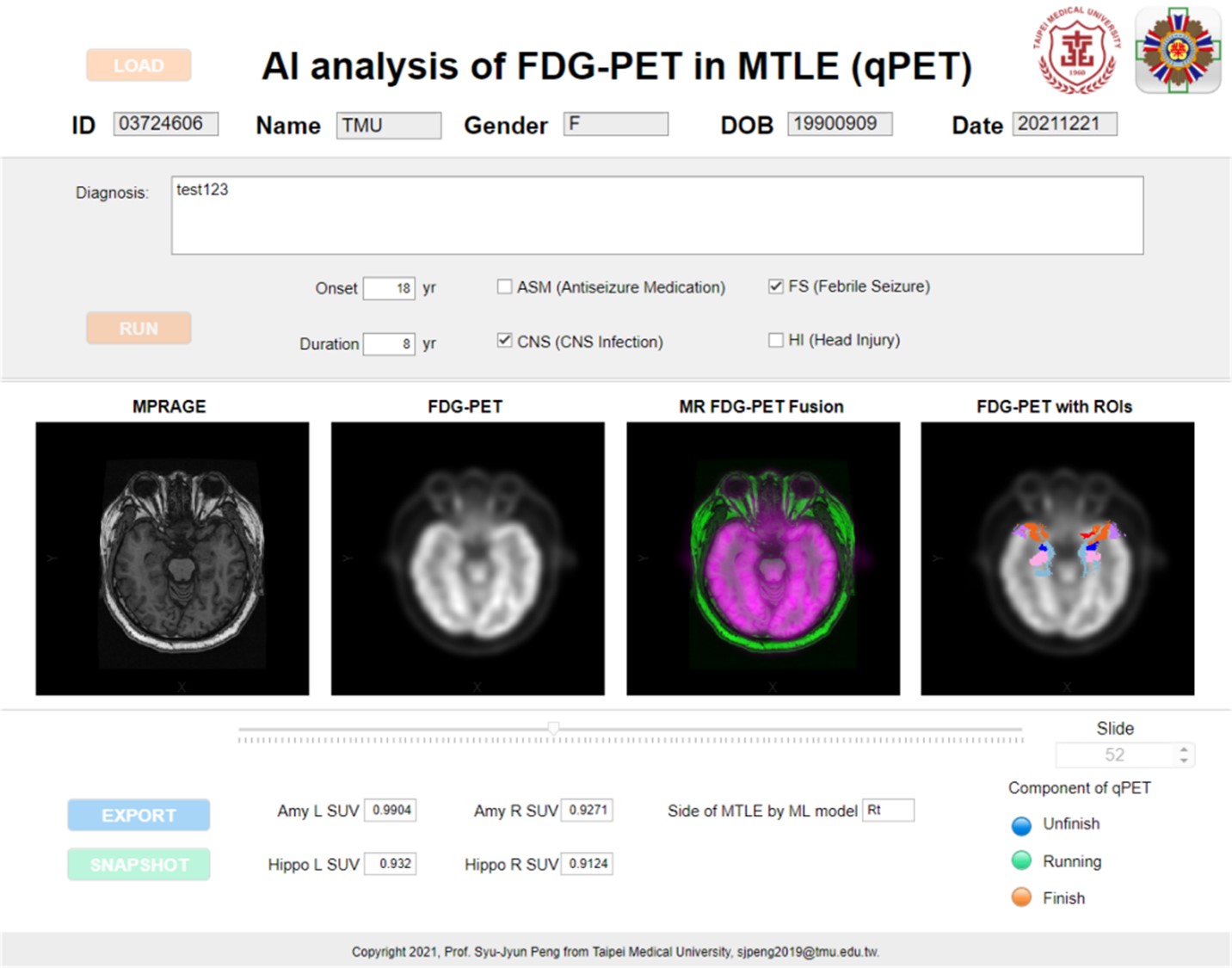
Machine Learning Quantitative Analysis of FDG-PET Images of Medial Temporal Lobe Epilepsy Patients
Technology maturity:Experiment stage
Exhibiting purpose:Display of scientific results
Trading preferences:Negotiate by self
*Organization
*Name
*Phone
*Main Purpose
*Discuss Further
*Job Category
*Overall Rating
*Favorite Area
*Key Tech Focus
*Willing to Receive Updates?
Other Suggestions
Coming soon!