

Utilization of Image Recognition Techniques for the Detection of Physiological Fatigue
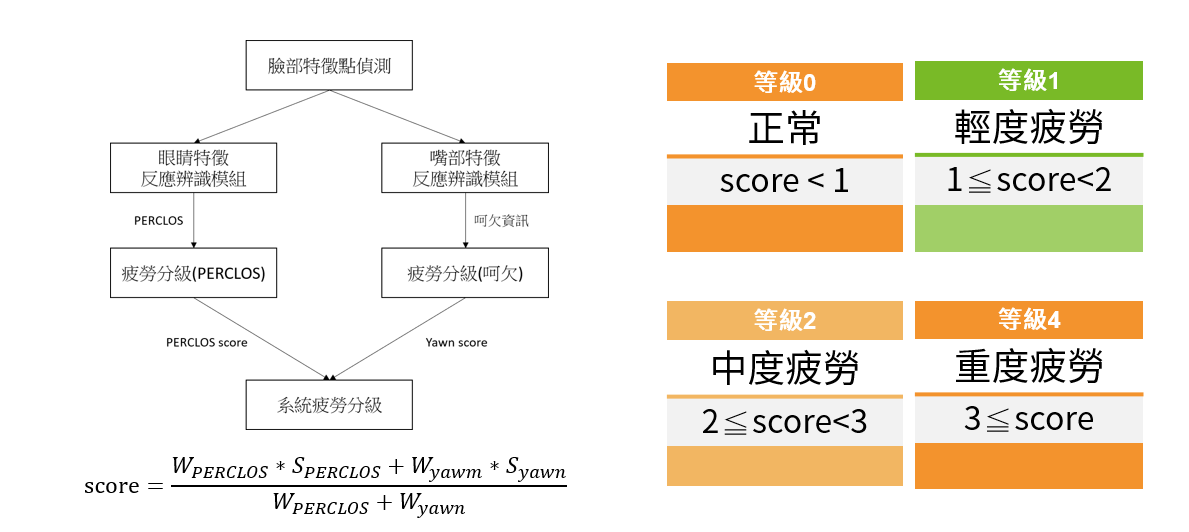
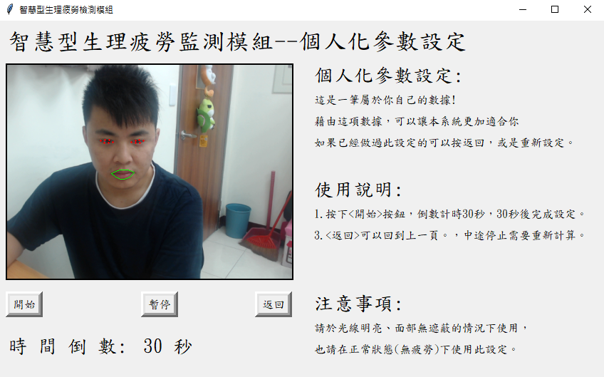
Technology Overview:
In light of the increasing prevalence of image recognition and analysis technologies, this institute has applied such techniques to workplace fatigue detection. Recognition modules targeting facial, ocular, and oral features have been developed, and machine learning methods are employed to classify the monitored fatigue indicators into graded levels. The system provides real-time feedback on workers’ fatigue status to both employees and managers. The application scope particularly encompasses job tasks associated with immediate hazards or occupations prone to operational fatigue, delivering instant monitoring results and fatigue alerts to reduce occupational risks and hazards.
Industrial Applications:
This technology leverages image recognition and machine learning to monitor workers’ facial and ocular features in real time, identify physiological fatigue states, and classify them into graded levels. It has broad potential applications in high-risk industries such as transportation, construction, and manufacturing, where workers are required to work long hours with sustained concentration, making them prone to fatigue-related occupational accidents. The system can issue real-time fatigue alerts, supporting workers’ self-awareness while reminding management to implement protective measures, thereby helping to reduce occupational accident risks. In addition, this technology can serve as an auxiliary tool for occupational health management, demonstrating both industrial scalability and practical applicability.
The Institute of Labor, Occupational Safety and Health, , Ministry of Labor originally named the Institute of Occupational Safety and Health, was officially established in August 1992 under the efforts of the government and the academia, becoming the most important research institute responsible for occupational safety and health in Taiwan. Over the years, the Institute has strived to research and analyze various issues that may endanger labor health and safety and improve working conditions. The Institute has proposed different solutions from social, economic, cultural, preventive, controlling, and medical perspectives, and the research results are used not only for formulating and amending domestic labor and occupational safety and health policies and regulations, but are also promoted to the industry via research papers, publications, the internet, exhibitions, and technology transfer, which help to enhance local labor and occupational safety and health standards in order to reach the goal of ensuring labor safety and health. The Institute has achieved significant results.
Name:
Phone:02-2660-7600 #7668
Address:No. 99, Lane 407, Hengke Rd., Sijhih District, New Taipei City, 22143, Taiwan, R.O.C.
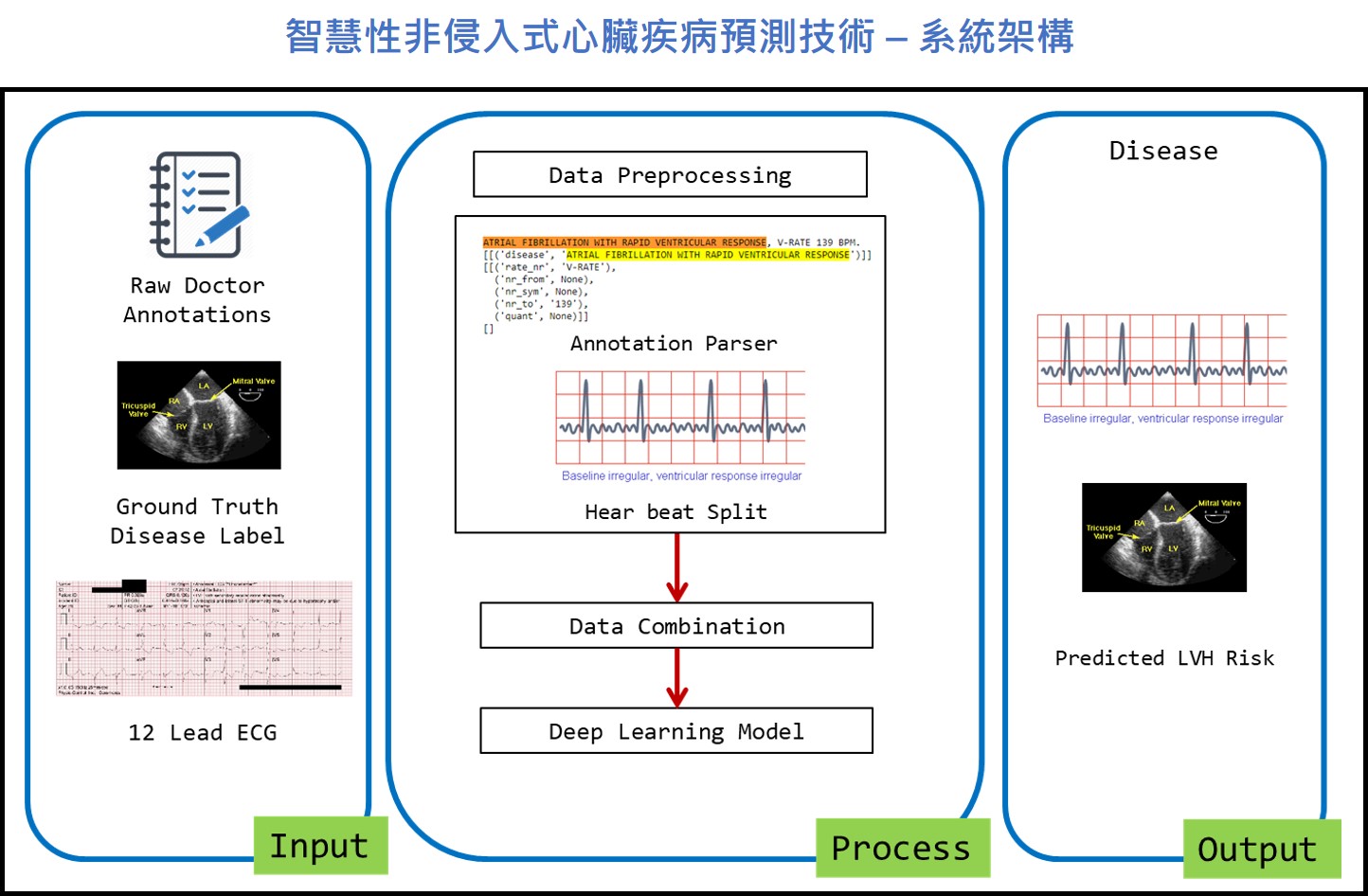
Intelligent Non-Invasive LVH Risk Prediction Techniques based on ECG Deep Learning
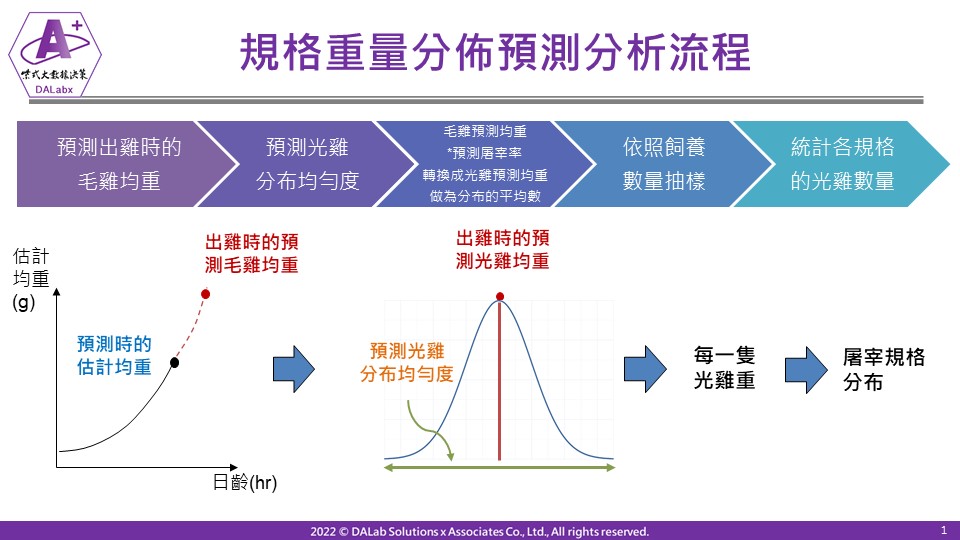
Big Data Analytic Technology for Broiler Specification Prediction and Feeding Condition Optimizing for Smart Agriculture
Water Treatment Application to generate and prolong enhanced hydrogen retention time at stabilized long-term pH increase of drinking water
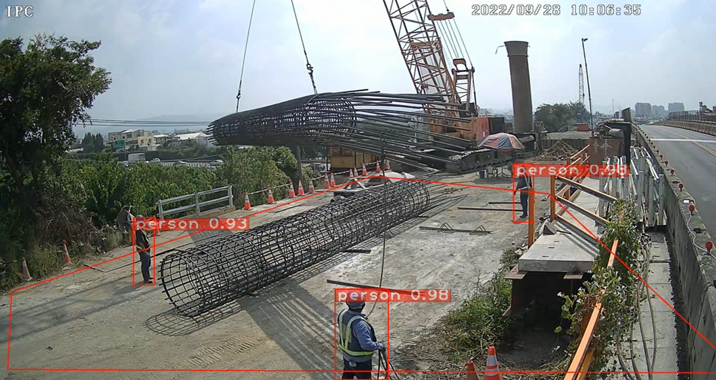
Intelligent Image Recognition Safety Monitoring System for Crane Operations and Hoisting
Technology maturity:Mass production
Exhibiting purpose:Product promotion
Trading preferences:Negotiate by self
*Organization
*Name
*Phone
*Main Purpose
*Discuss Further
*Job Category
*Overall Rating
*Favorite Area
*Key Tech Focus
*Willing to Receive Updates?
Other Suggestions
Coming soon!