Select Field
Select Ministry
20 results
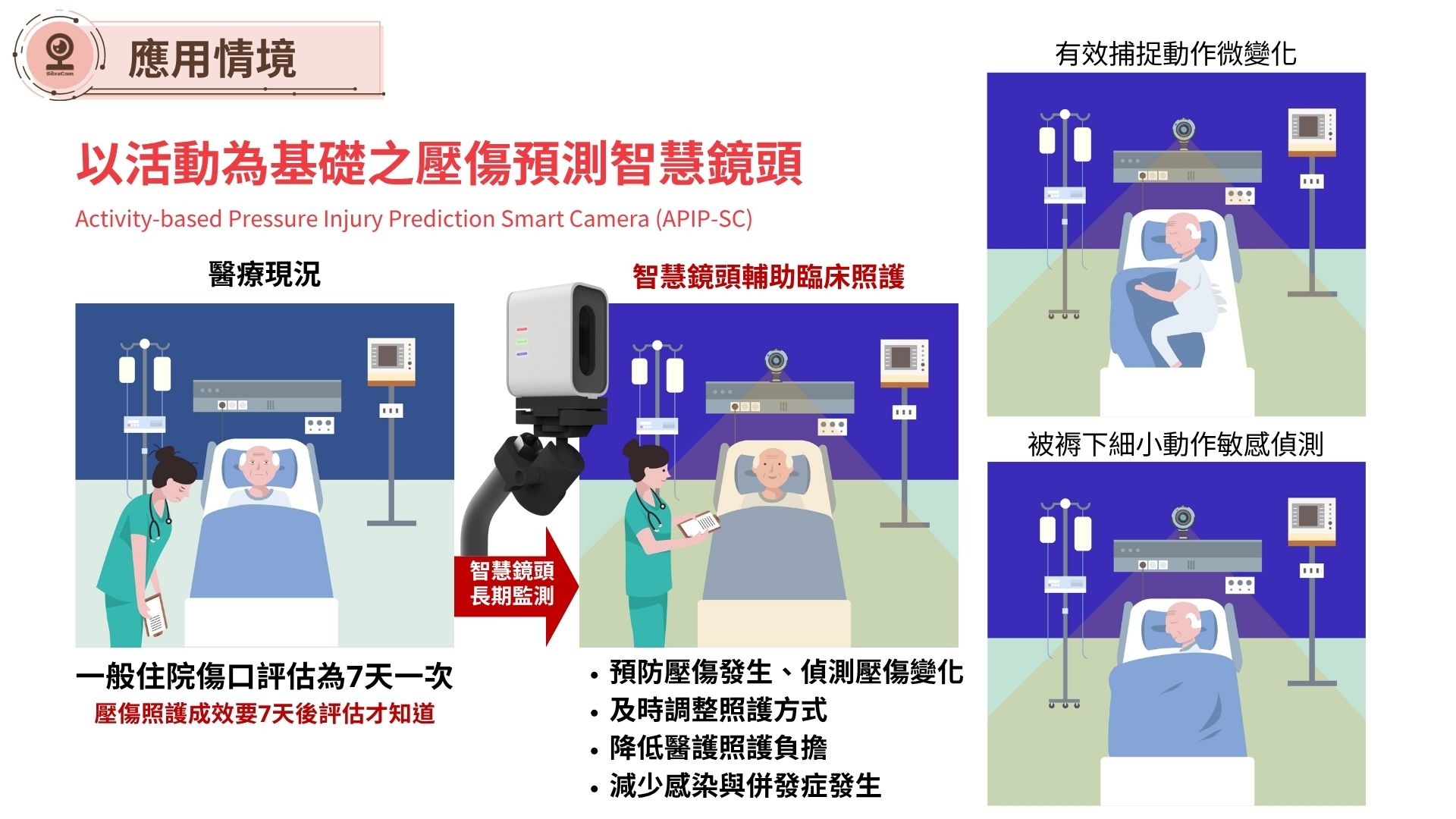
Technology Introduction: This technology integrates a non-contact smart camera with deep learning models to monitor patient activity 24/7. By combining data from electronic medical records and nursing notes, it predicts pressure injury risks and provides early warnings. With over 80% prediction accuracy, the system has received invention patents in Taiwan, the US, and China. It is currently undergoing clinical validation and commercialization in collaboration with healthcare institutions. Industry Applicability: This technology offers a non-contact, automated, and highly scalable solution for hospitals and long-term care facilities to predict pressure injury risks and provide early warnings. It integrates smart camera hardware with AI analytics and will adopt a subscription-based model. Future extensions include fall prediction and remote care, supporting the development of exportable smart healthcare systems.
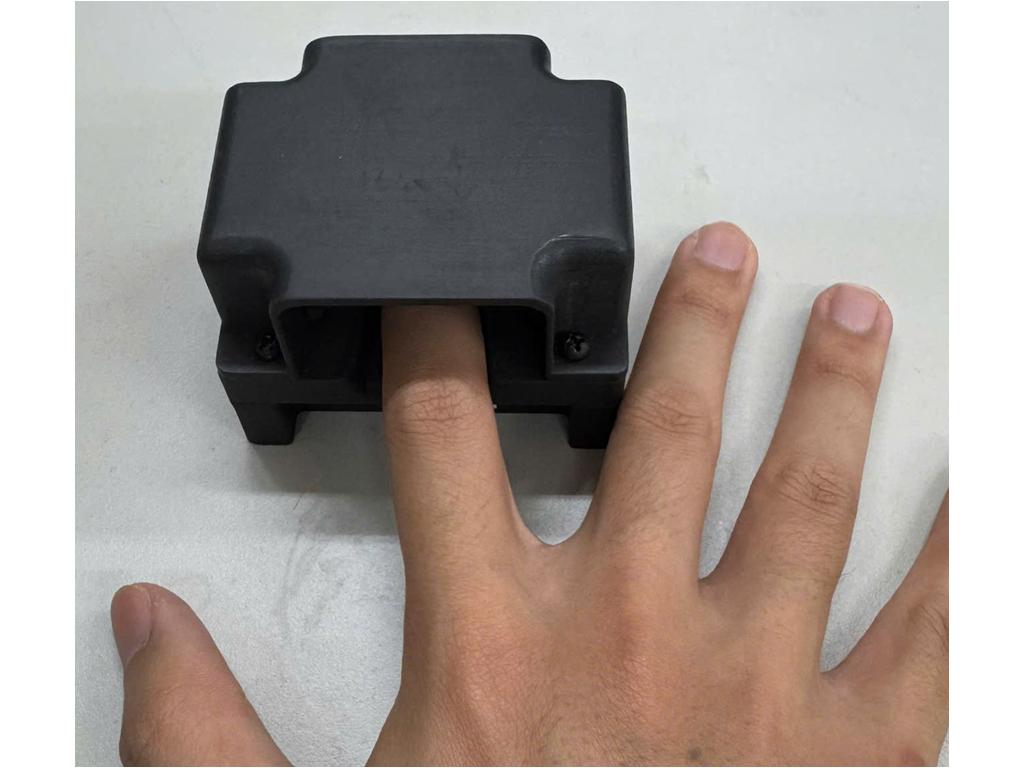
Future Tech | Information & CommunicationsTechnology Introduction: A novel non-invasive glucose monitoring system is developed with combining dual-wavelength PPG signals (1480 nm and 1640 nm) and machine learning. Real-time signal quality evaluation achieved 95.6% accuracy, and the XGBoost model predicted glucose levels with RMSE 10.932 mg/dL as presented in Appendix Fig. 4. Compared to the FDA requirement that at least 95% of values fall within Zones A and B of the Clarke Error Grid, the proposed method achieved 98.2%. Industry Applicability: This technology offers a practical, non-invasive, wearable glucose monitoring solution for diabetic patients, improving compliance and enabling continuous metabolic health tracking. It can be integrated into smartwatches or portable health devices, supporting personalized diabetes management and early intervention, potentially reducing healthcare costs and improving patient outcomes.
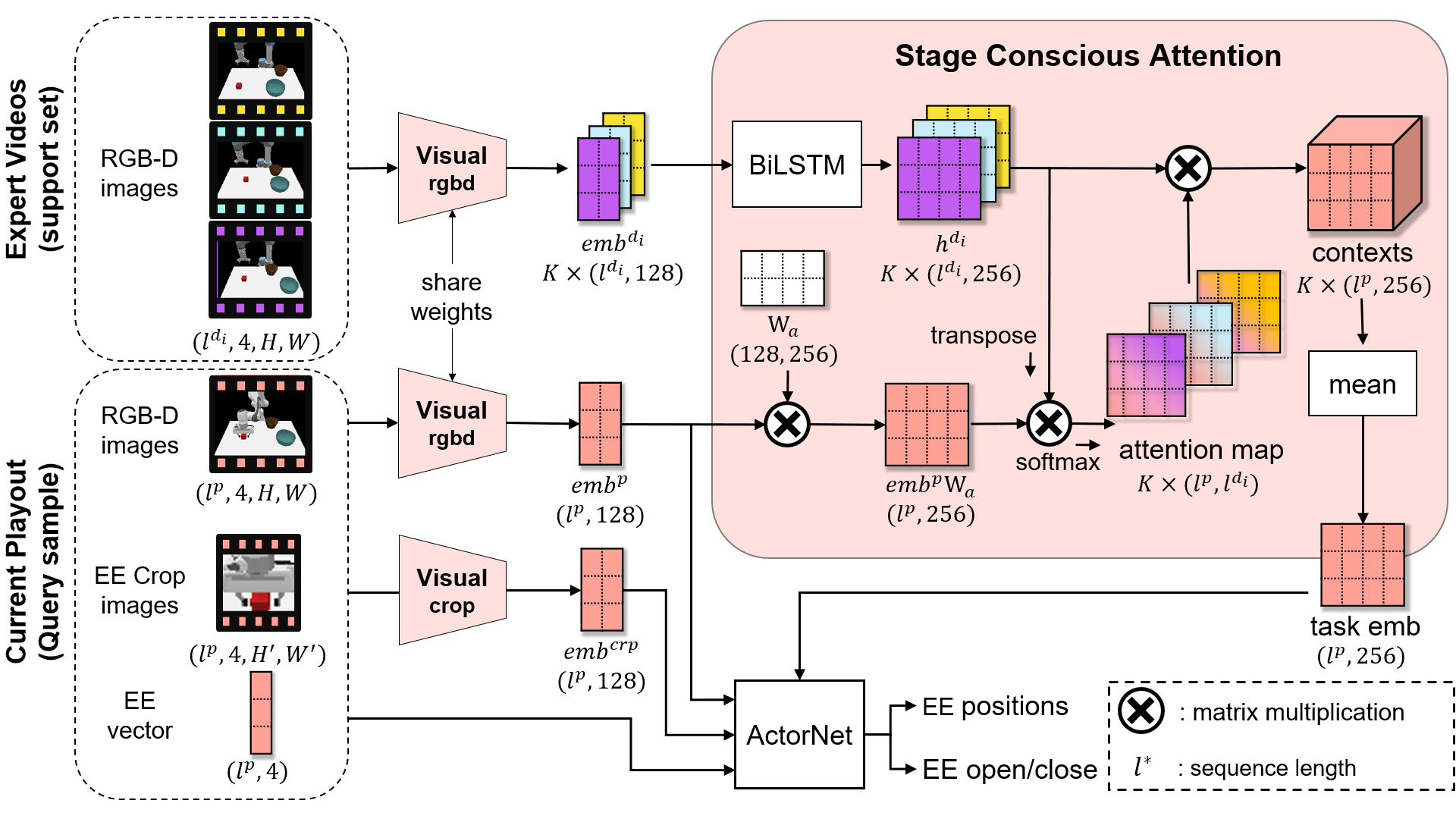
Future Tech | Information & CommunicationsTechnology Introduction: Robots in real-world environments face three challenges: requiring many expert demonstrations, lacking clear task guidance, and facing safety risks from failures. We propose three solutions: SCAN, which selects demonstrations aligned with task progress; VICtoR, which uses contrastive learning and vision-language models for dense guidance; and PrObe, which detects anomalies via feature consistency. These methods were accepted in top AI conferences AAAI, NeurIPS, and ICLR, and won multiple awards. Industry Applicability: This technology covers few-shot imitation, (LLM-augmented) task guidance generation, and anomaly detection—key enablers for accelerating real-world robot deployment with strong industrial potential. As commercial robots face diverse, complex scenarios, the first two modules enable fast adaptation and decision-making. With real-time anomaly detection, the system enhances safety and robustness. These complementary innovations collectively drive the deployment of intelligent robotic systems.
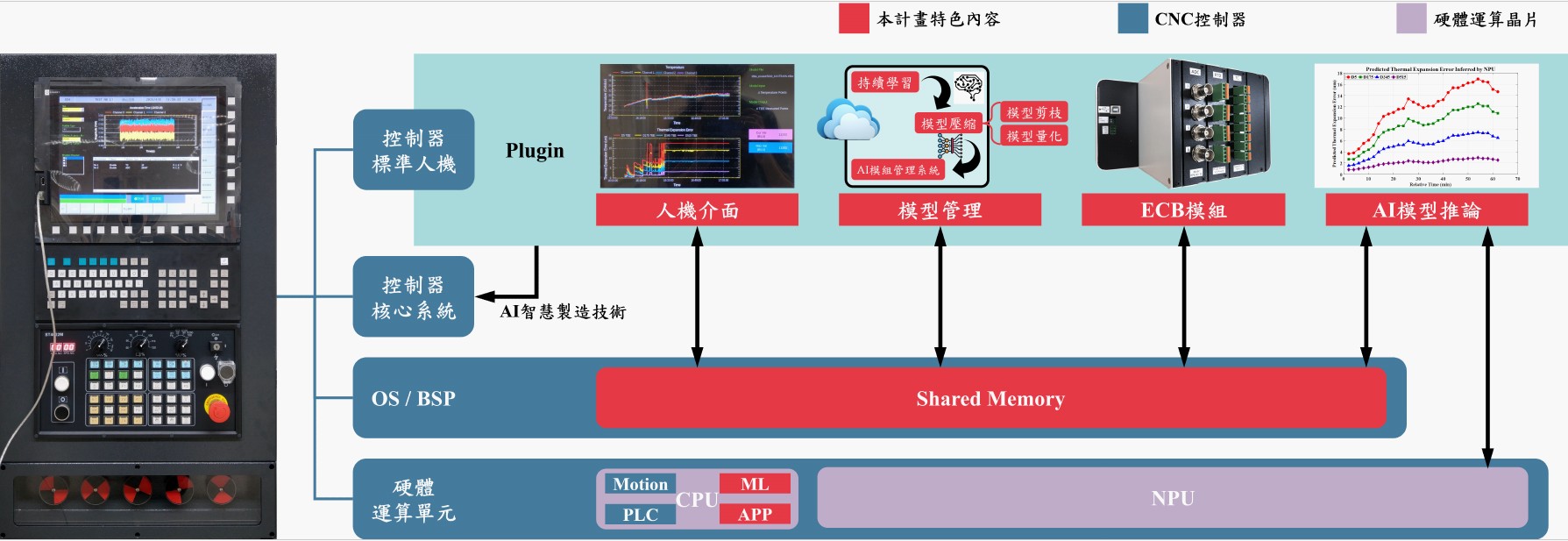
Future Tech | Information & CommunicationsTechnology Introduction: The world's first AI-embedded CNC controller was developed, enabling AI model inference on both CPU and NPU. Model pruning (compression) was applied for efficient deployment, and data can be uploaded to the cloud for model refinement. The AI technologies include axial thermal deformation prediction, tool wear image detection, and interpolation and servo parameter optimization, aiming for high speed, precision, quality, and low cost. Industry Applicability: In collaboration with a domestic CNC controller manufacturer, this technology led to the development of the world’s first AI-embedded CNC controller. It integrates motion control and AI inference on a single chip, reducing costs while enabling real-time compensation. Three key AI functions greatly enhance high-speed, high-precision, and high-quality machining. Over a thousand units have been shipped, marking a significant contribution to the industry.
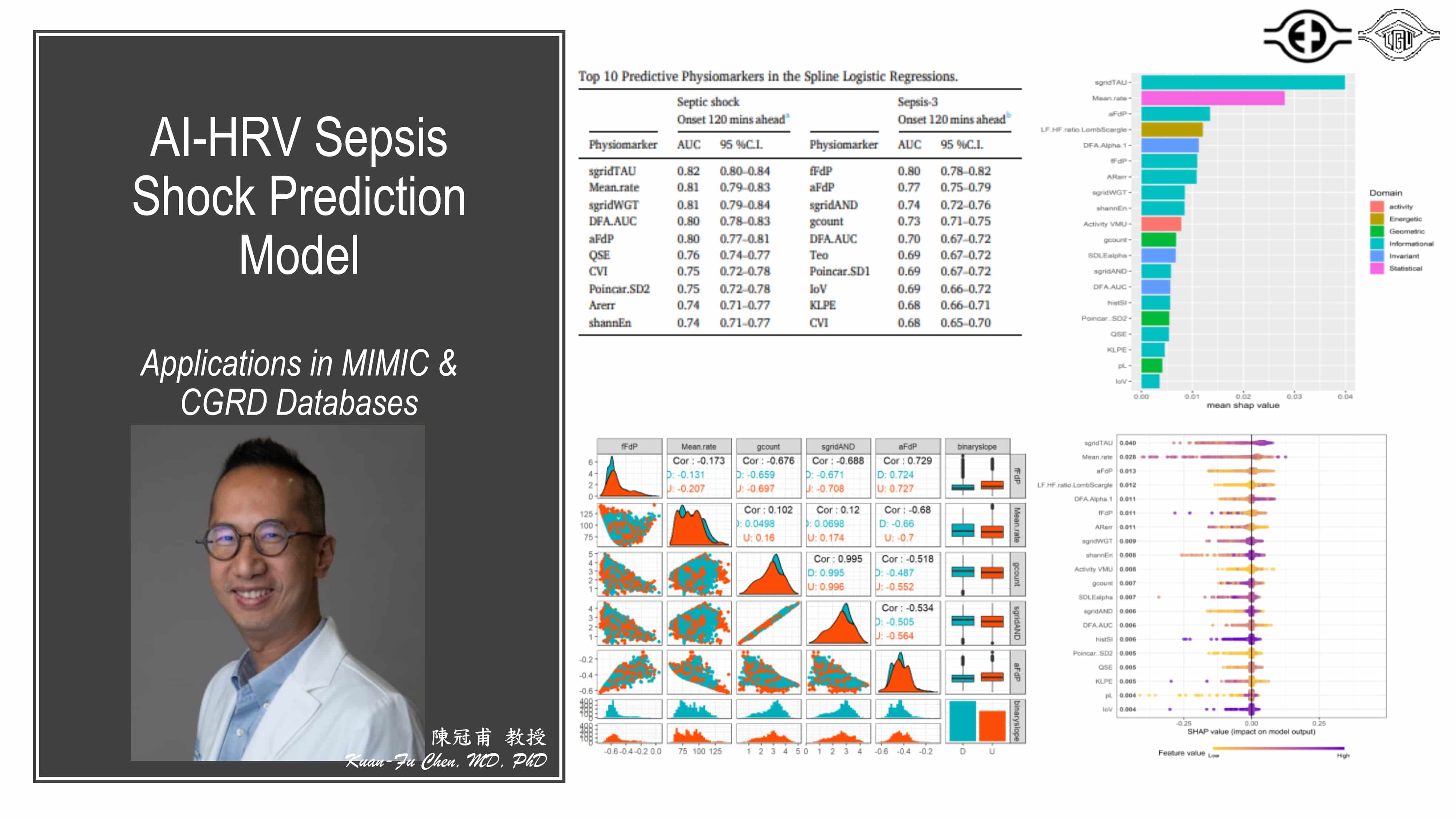
Future Tech | Machinery & SystemTechnology Introduction: The AI-HRV Sepsis Prediction Model is an advanced, real-time software that utilizes ECG-based heart rate variability (HRV) and machine learning to predict septic shock up to 120 minutes prior to its onset. The system extracts 10 HRV features—including time, frequency, and non-linear metrics—and applies an XGBoost model to estimate risk. It integrates with EHRs, delivers alerts, supports mobile notifications, and enables early, non-invasive, and scalable interventions in critical care. Industry Applicability: This AI-HRV system predicts septic shock up to 120 minutes in advance, enabling early intervention in emergency and ICU settings. It integrates seamlessly with existing ECG and hospital information systems, requiring no additional hardware. Its scalable, non-invasive design supports smart hospital deployment, remote monitoring, and commercialization. This innovation enhances critical care efficiency and holds global potential for sepsis management transformation.
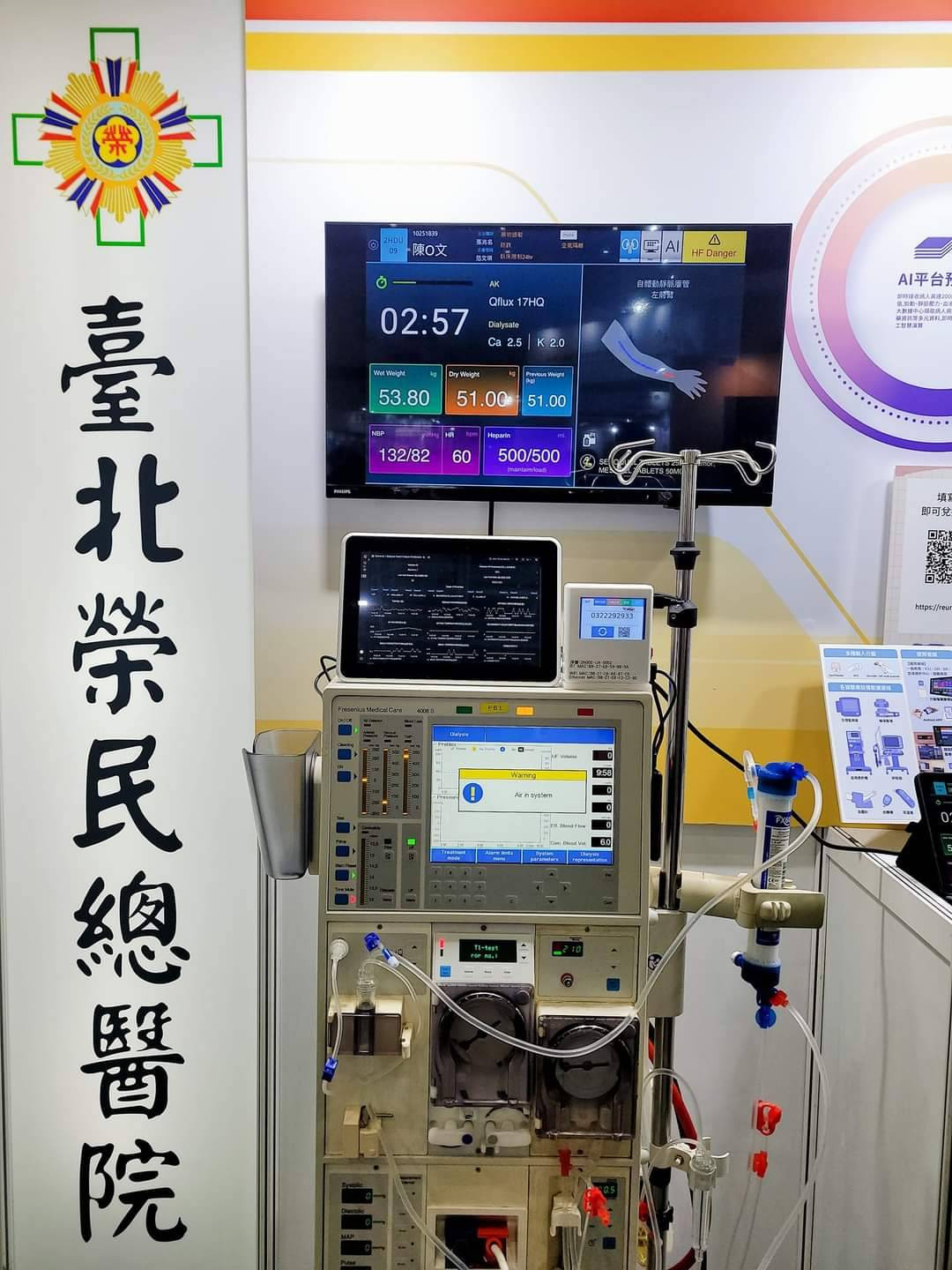
Future Tech | Information & CommunicationsTechnology Introduction: This system is an integrated, multi-module AI platform for hemodialysis, incorporating heart failure risk prediction, dry-weight recommendation, hemoglobin (Hb) prediction, and a newly introduced intradialytic hypotension (IDH) prediction module in 2025. It continuously analyzes approximately 200 dialysis parameters with millisecond-level processing speed, providing real-time risk assessment and early warnings during treatment. The platform has been clinically deployed across 90 dialysis beds at Taipei Veterans General Hospital, with prospective data collection ongoing for validation. Industry Applicability: Taiwan has more than 90,000 dialysis patients, representing a substantial and ongoing healthcare need. Real-time AI prediction can help mitigate acute complications and reduce overall costs. The system has already been deployed in clinical practice and is positioned for nationwide scaling and international adoption. Musheng Technology is leading efforts toward SaMD certification and commercialization, through software licensing and technology transfer, with the goal of accelerating adoption and establishing the system as a compliant, market-ready AI solution to enhance dialysis safety.
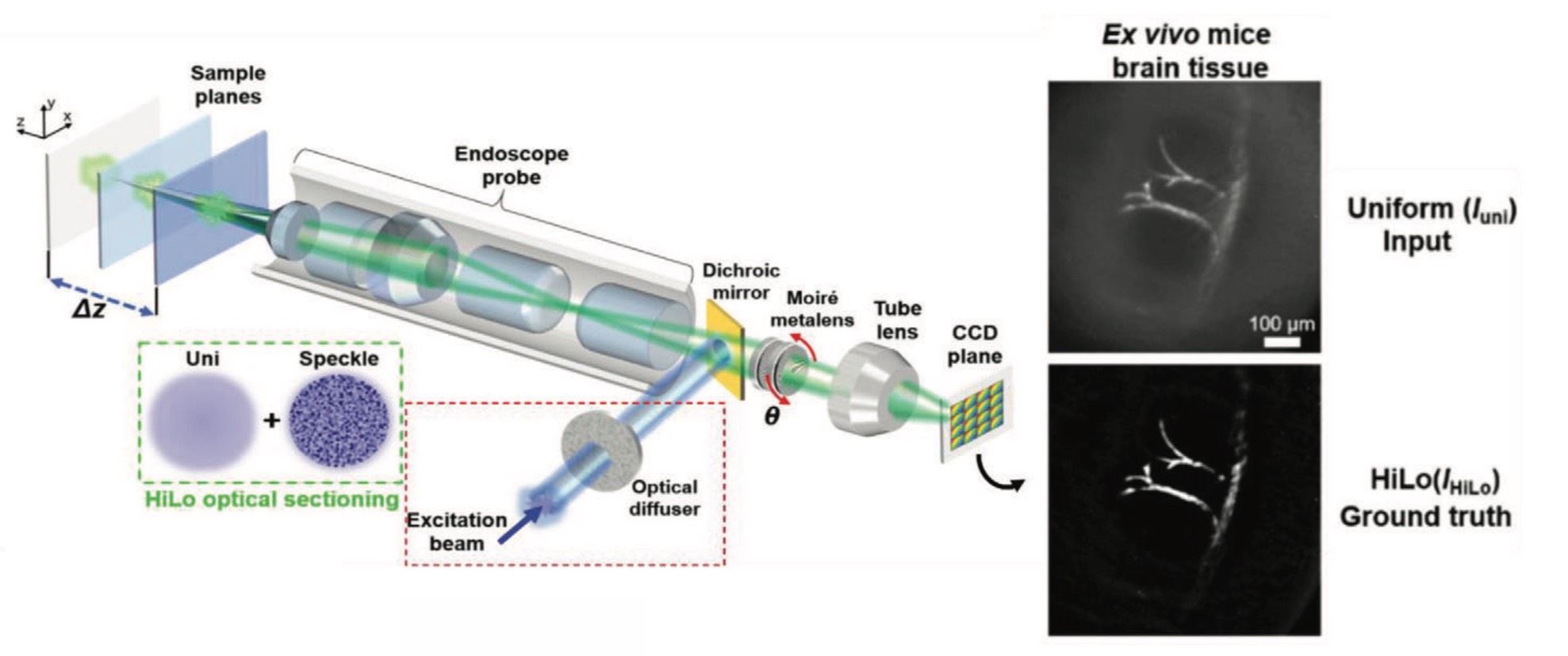
Future Tech | Information & CommunicationsTechnology Introduction: Our team has developed an AI-powered varifocal meta-optical endomicroscopy system that integrates a deep learning-based HiLo sectioning algorithm, a telecentric design, and a varifocal metalens. Using a single input image, the system can reconstruct high-contrast optical sectioning images in real time, achieving a 50-fold improvement in processing efficiency. It has been successfully applied to in vivo microvascular imaging, demonstrating high resolution and real-time performance, and is suitable for medical applications such as neural imaging and brain surgery. Industry Applicability: Developed the “AI-powered Varifocal Meta-optics Endomicroscopy System,” which offers high-resolution, real-time imaging with minimal invasiveness, making it suitable for neurosurgical, cerebral vascular observation in high-precision clinical settings. Compared to confocal and multiphoton endoscopes, this system excels in compactness, imaging speed, and operational simplicity. With AI-based image reconstruction and a modular optical design, it holds strong potential for commercialization.
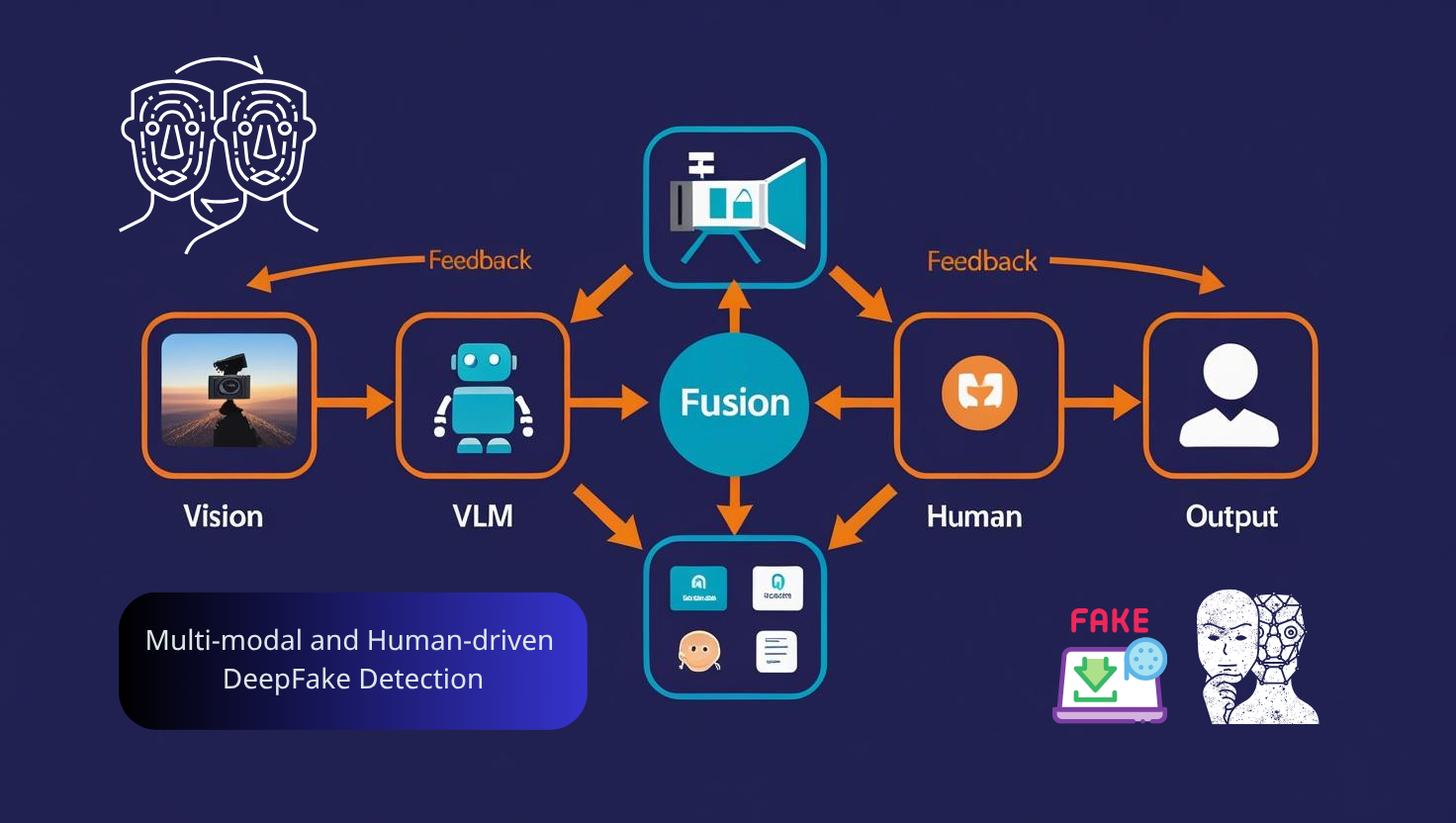
Future Tech | Information & CommunicationsTechnology Introduction: CoVerify Vision is a next-gen verification framework pioneering "Human-AI Bi-directional Augmentation." It solves critical AI bottlenecks like real-world compression and novel attacks. The technology fuses robust AI perception with a breakthrough human-cognitive loop. We quantify human expert intuition via cognitive science, feeding these 'clues' back to the AI. This creates a self-evolving, symbiotic system that fundamentally overcomes real-world detection challenges. Industry Applicability: CoVerify Vision is piloted with National Central University's Frontier Tech Research Center and several agencies for fact-checking and media forensics. Since 2023 it has aided CNA, The Reporter, FTV, and TFC. Work with NVIDIA and PHISON speeds VLM multimodal fusion on edge devices. A three-track plan—software license, cloud API, turnkey projects—drives commercialization, while its human-AI loop counters election disinformation and deepfake fraud.
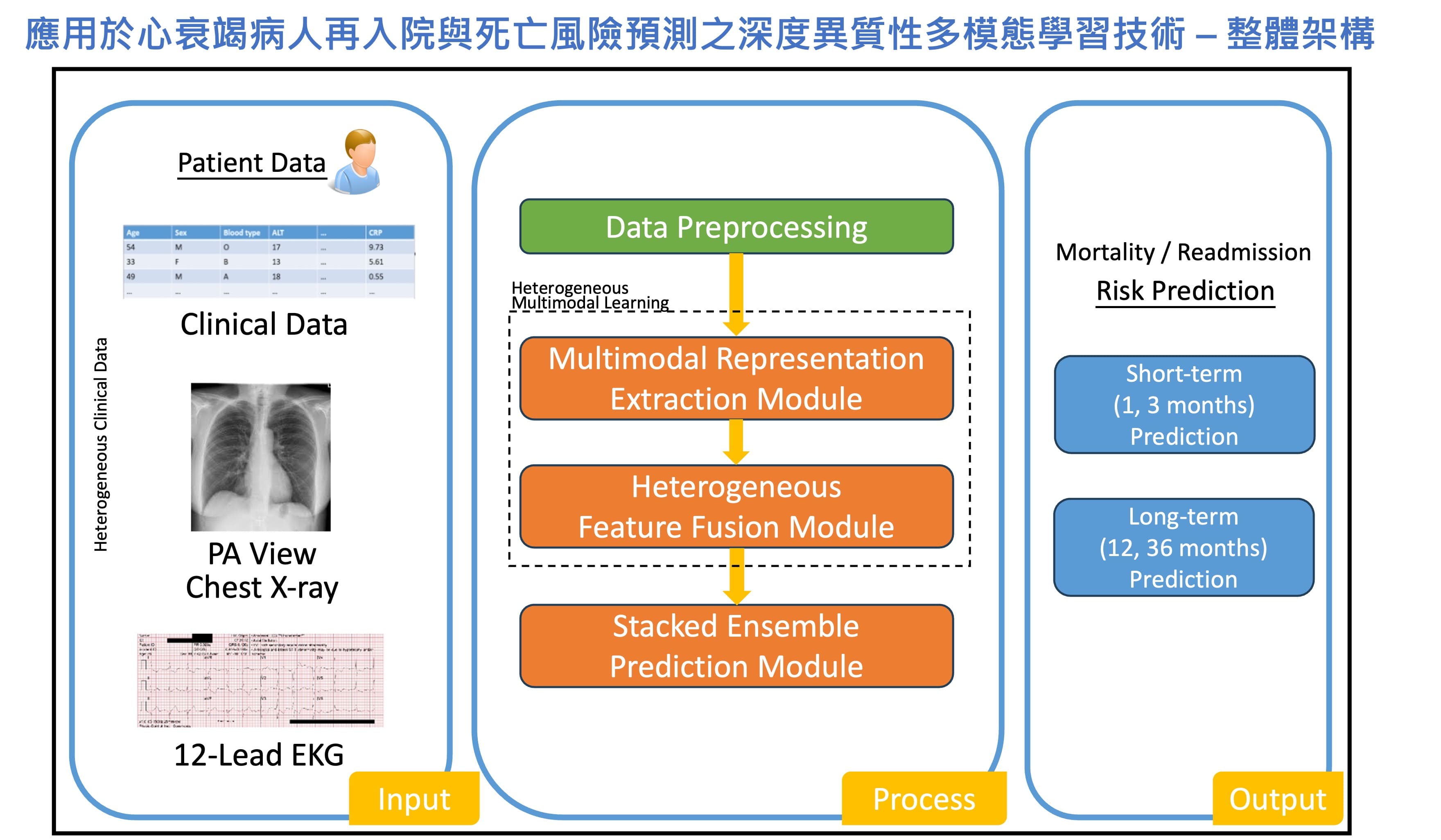
Future Tech | Information & CommunicationsTechnology Introduction: We developed a Deep Heterogeneous Multimodal Learning-Based Technique for Predicting Hospital Readmission and Mortality Risk in heart failure patients. This technique integrates heterogeneous modalities, including clinical data, electrocardiograms, and chest X-rays, to predict short-term and long-term risks for mortality and readmission. The relevant clinical application of this technique has been recognized by the 20th National Innovation Award and under validation in multiple hospitals. Industry Applicability: Heart failure prevalence has been rising in increased aged populations and become one of the main factors of hospitalizations for patients aged 65 and older. Due to high readmission and mortality rates, accurate risk prediction tools are under high demands. Our technique fuses heterogeneous modalities to predict short-term and long-term risks for readmission and mortality in heart failure patients, carring high application values in smart medicine areas, including effective clinical decision support, cost reduction and improved outcomes on chronic disease care.
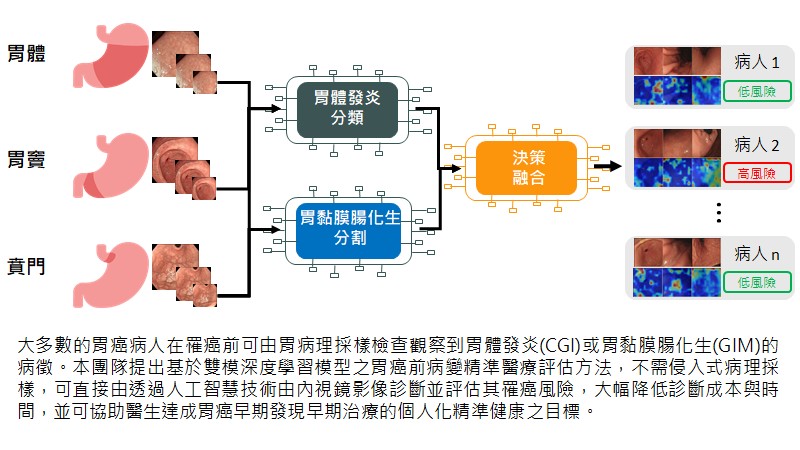
Future Tech | Information & CommunicationsTechnology Introduction: To enable timely diagnosis of gastric premalignant conditions from endoscopy images and address the issues of invasion, high cost, and time-consuming biopsies, we propose a precise diagnostic method for gastric premalignant conditions based on dual deep learning models. This AI-assisted approach facilitates quicker and more accurate assessments of gastric cancer risk by physicians, simultaneously minimizing the bleeding risk associated with biopsy procedures. Ultimately, this achievement supports the goal of precision health. Industry Applicability: The proposed AI methods can be integrated into existing endoscope systems in medical institutions or health check-up centers. We have developed both stand-alone and cloud-based versions, which can assist endoscopists in identifying high-risk patients to arrange surveillance gastroscopy, enabling early stomach cancer diagnosis, reducing mortality, and advancing precision health. It also helps manufacturers tap into the growing stomach cancer diagnostic market with an 8.7% annual growth rate.
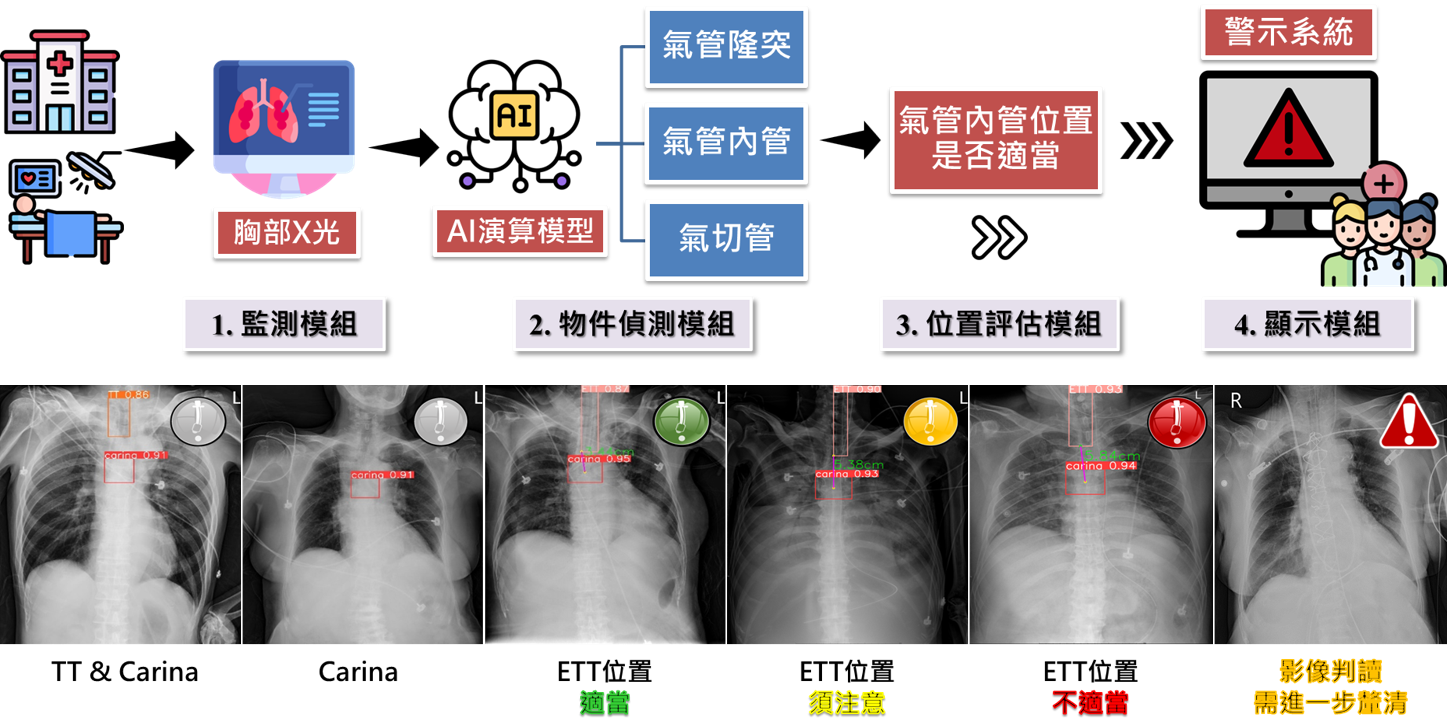
Future Tech | Information & CommunicationsTechnology Introduction: Endotracheal Tube Position Anomaly Alerting System (ETPAAS) leverages AI to automatically analyze chest X-ray images and determine whether an endotracheal tube is properly positioned. It provides timely alerts for healthcare professionals to verify and correct malposition, thereby reducing complications and tube dislodgement, enhancing the quality of care, and ensuring patient safety. The model delivers strong performance, achieving accuracy of about 95% in object detection and about 90% accuracy in evaluating tube position appropriateness. Industry Applicability: This technology automatically detects ETT position and sends real-time alerts. Cross-hospital validation confirmed clinical benefits. It targets global markets including Taiwan, U.S.A., Asia-Pacific, and Europe, with promising financial outlook. The business model focuses on licensing and co-development with medical software and ICU integrators, leveraging existing platforms for rapid growth and stable profits, offering strong commercialization prospects.
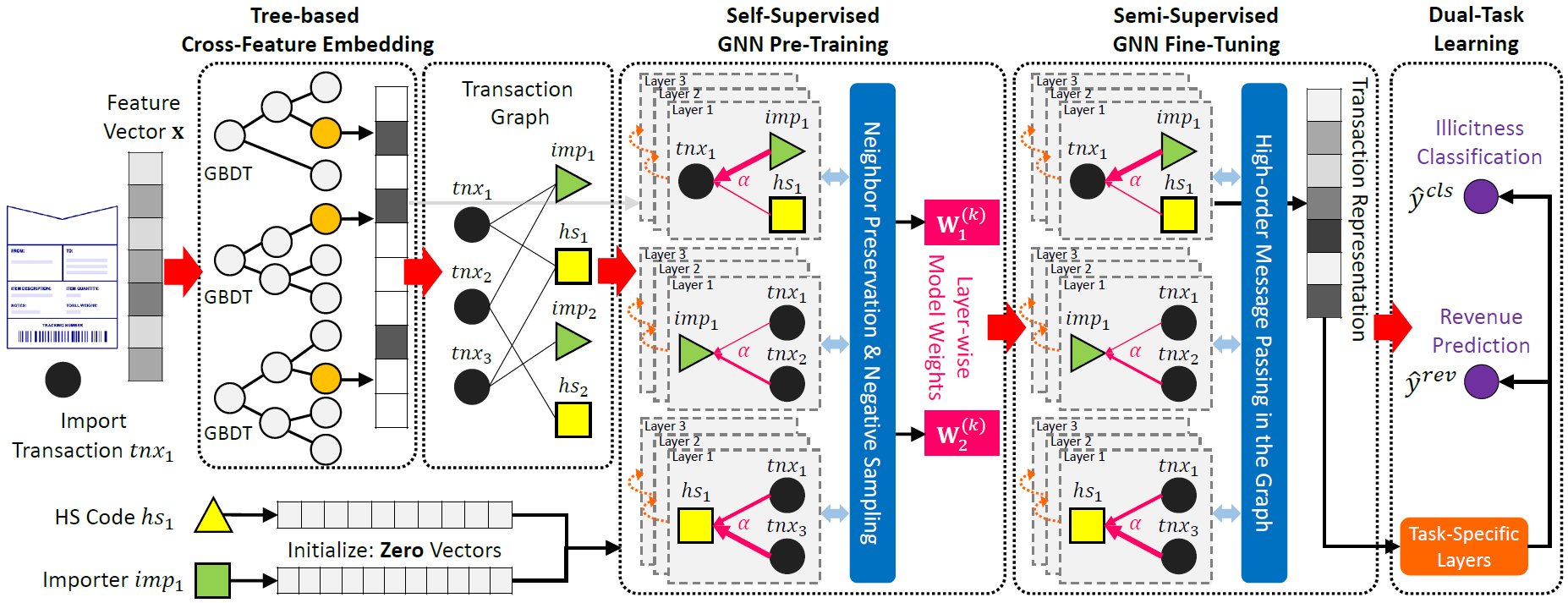
Future Tech | Information & CommunicationsTechnology Introduction: As global trade connectivity increases, so does import fraud. Facing vast trade volumes, customs can only inspect a fraction of declarations. We developed AI algorithm GraphFC, which requires minimal labeled data for training and accurately detects illegal import declarations. In collaboration with WCO, GraphFC has been tested in several African countries. The results were presented at AI top conference ACM CIKM 2023, showcasing Taiwan's significant contribution to AI in customs fraud detection. Industry Applicability: GraphFC is currently deployed in Nigeria and Malawi's customs systems and is being promoted to all WCO member countries. It aims to impact globally by: Detecting customs fraud to ensure lawful trading, Increasing tax revenue and minimizing tariff evasion losses, and Extending to the banking sector to spot illegal financial transactions and prevent money laundering, leveraging its open-source nature. GraphFC protects customs inspectors by reducing exposure to risky environments.
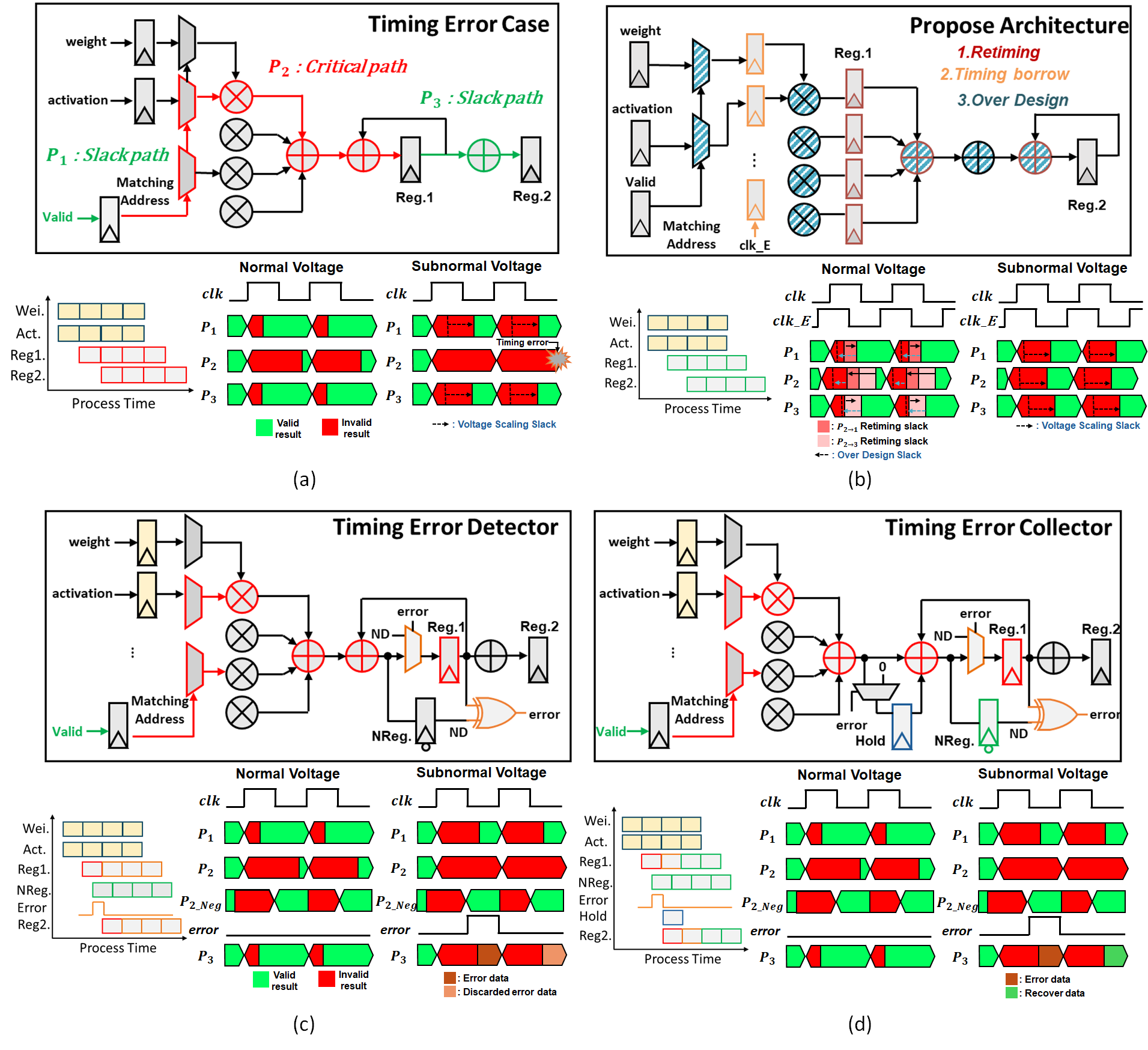
Future Tech | Information & CommunicationsTechnology Introduction: This technology proposes an algorithm-hardware co-design for low-power, compact semantic segmentation on UAV and satellite platforms. Through pruning and sparsity compression, it reduces memory and computation demand on edge devices. A dedicated hardware accelerator with retiming optimizes data paths, implemented using TSMC 28nm technology as a physical IC operating at 0.65V with 14mW power consumption, extending overall UAV and satellite system runtime by 10%. Industry Applicability: This design uses two-stage pruning to compress model parameters to 0.47% of the original, greatly reducing memory access. On the hardware side, retiming and timing borrowing enable lower-voltage operation. Compared to the reference, this design improves power and energy efficiency by 10–40%, reduces area by 10%, and operates reliably at 0.65V under 400MHz. Overall, chip power consumption is reduced by 30%, extending payload system endurance by about 10%.
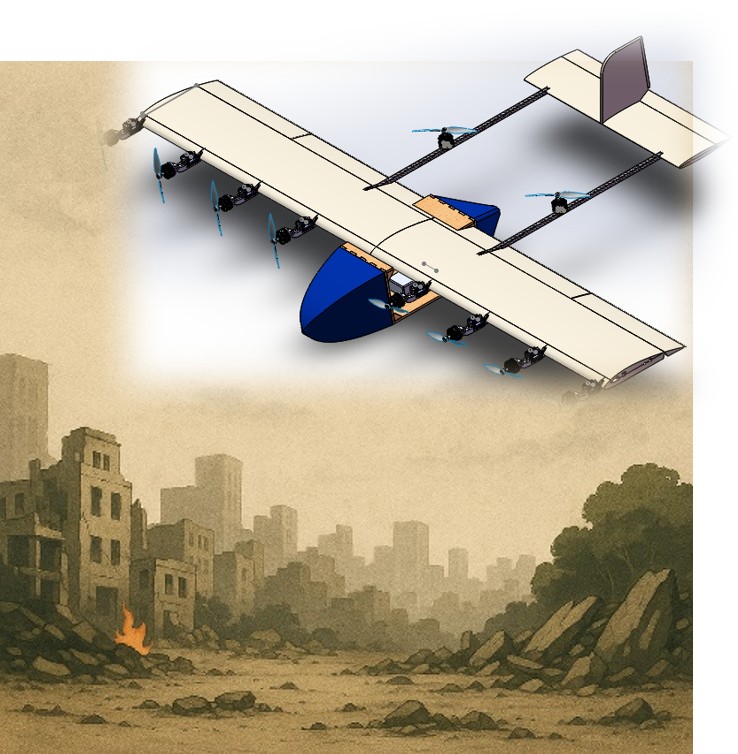
Future Tech | Machinery & SystemTechnology Introduction: This technology presents a vertical takeoff and landing UAV system integrating distributed electric propulsion with thrust-vectoring propeller modules. The propulsion units dynamically redirect thrust for vertical and horizontal flight, reducing deadweight and improving efficiency. Research confirms enhanced lift, delayed stall, and reduced drag. Its all-electric design supports vertical takeoff, hovering, and efficient cruise through thrust-vectoring propulsion, and integrates with AI-based sensing and decision-making systems to enhance mission autonomy and adaptability. The system is well-suited for urban air mobility, disaster response, and aerial logistics. Industry Applicability: This technology offers high endurance, adaptive control, and modular integration of distributed electric propulsion with thrust-vectoring modules. It enables efficient, flexible, low-emission flight, supporting diverse applications such as urban air mobility, disaster response, smart agriculture, energy inspection, and remote logistics. Its low noise, green design, and scalable architecture make it suitable for commercialization and export as a next-generation intelligent aerial platform.
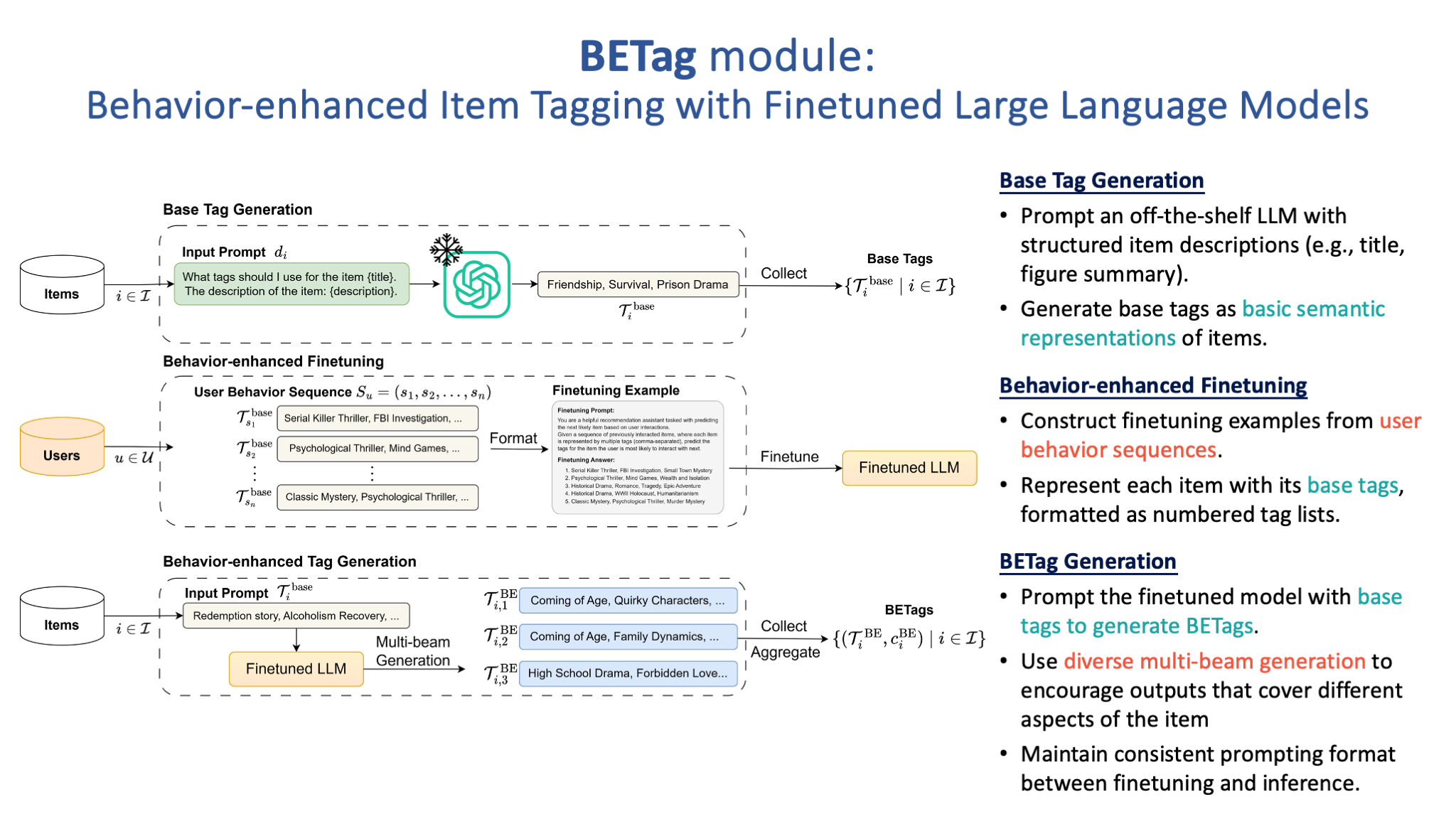
Future Tech | Information & CommunicationsTechnology Introduction: This system integrates product tagging and personalized recommendations using large language models, user behavior data, and multimodal learning. It includes two modules: BETag, which generates behavior-aligned tags via LLM fine-tuned on user history, and MTSTRec, which integrates multimodal data through a time-aligned token and Transformer to model user preferences. The system enhances tagging and recommendation accuracy across e-commerce and content platforms and supports scalable deployment. Industry Applicability: This technology applies to e-commerce, media, and multimodal-driven industries. It addresses the challenges in product/item tagging and recommendation accuracy. BETag generates behavior-enhanced tags offline, reducing costs and boosting relevance. MTSTRec integrates multimodal data to deliver precise personalized recommendations, boosting conversion rates and user engagement. The system is easy to integrate with existing e-commerce platforms and offers an effective, scalable solution.
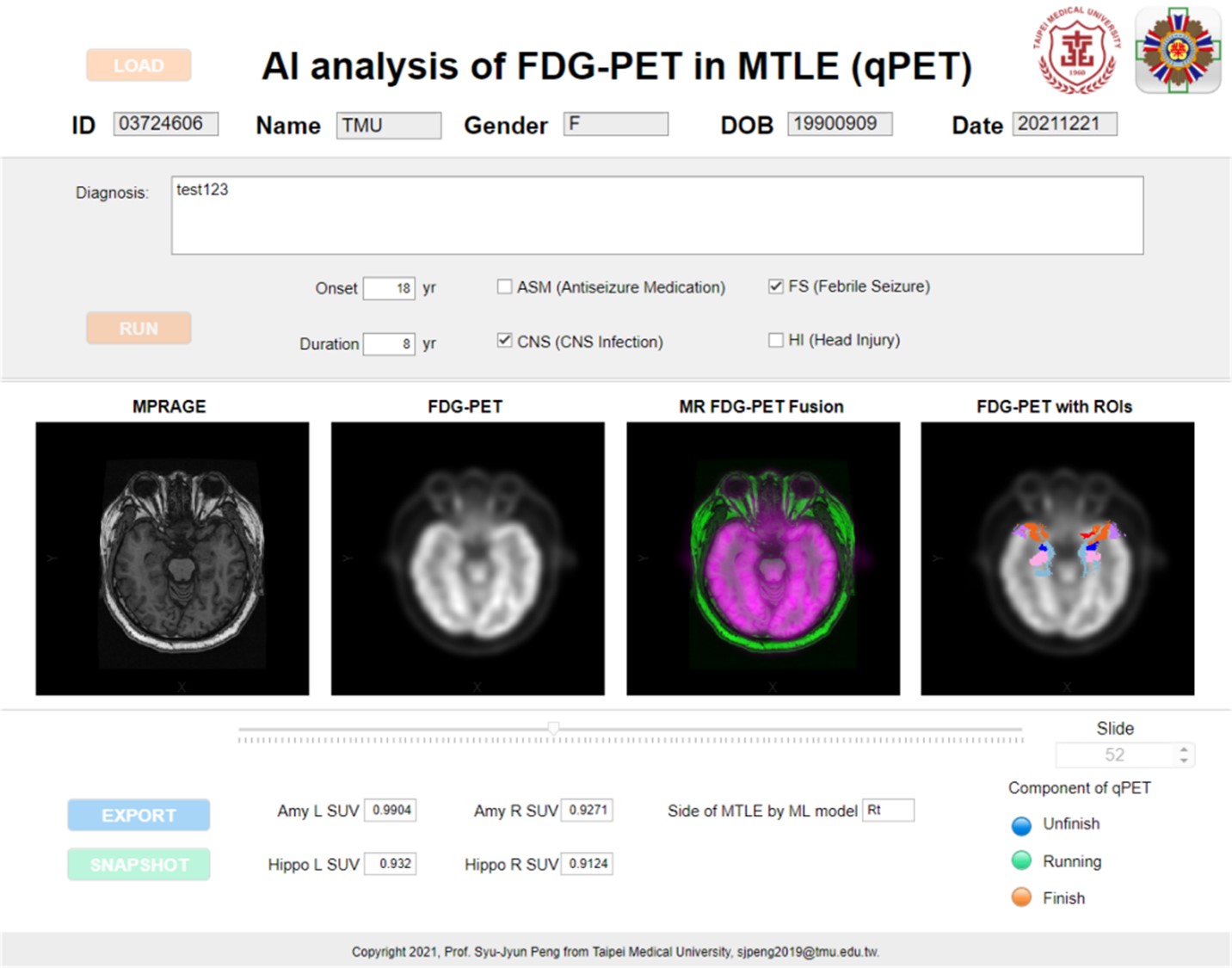
Future Tech | Information & CommunicationsTechnology Introduction: This technology integrates FDG-PET and high-resolution MRI to perform automated quantitative analysis and lateralization of epileptogenic foci in medial temporal lobe epilepsy (MTLE). By calculating standardized uptake values (SUVs) and using machine learning algorithms, it improves pre-surgical evaluation accuracy compared to traditional visual assessment. The system reduces the need for invasive procedures and has been clinically validated with patent protection. Industry Applicability: This technology enables automated and quantitative analysis of FDG-PET for pre-surgical evaluation in epilepsy, reducing manual workload and invasive procedures. It is well-suited for integration into hospital systems, cloud-based diagnostic platforms, and SaMD products. With strong applicability in both advanced and emerging healthcare markets, it offers commercialization potential through clinical deployment and international collaborations.
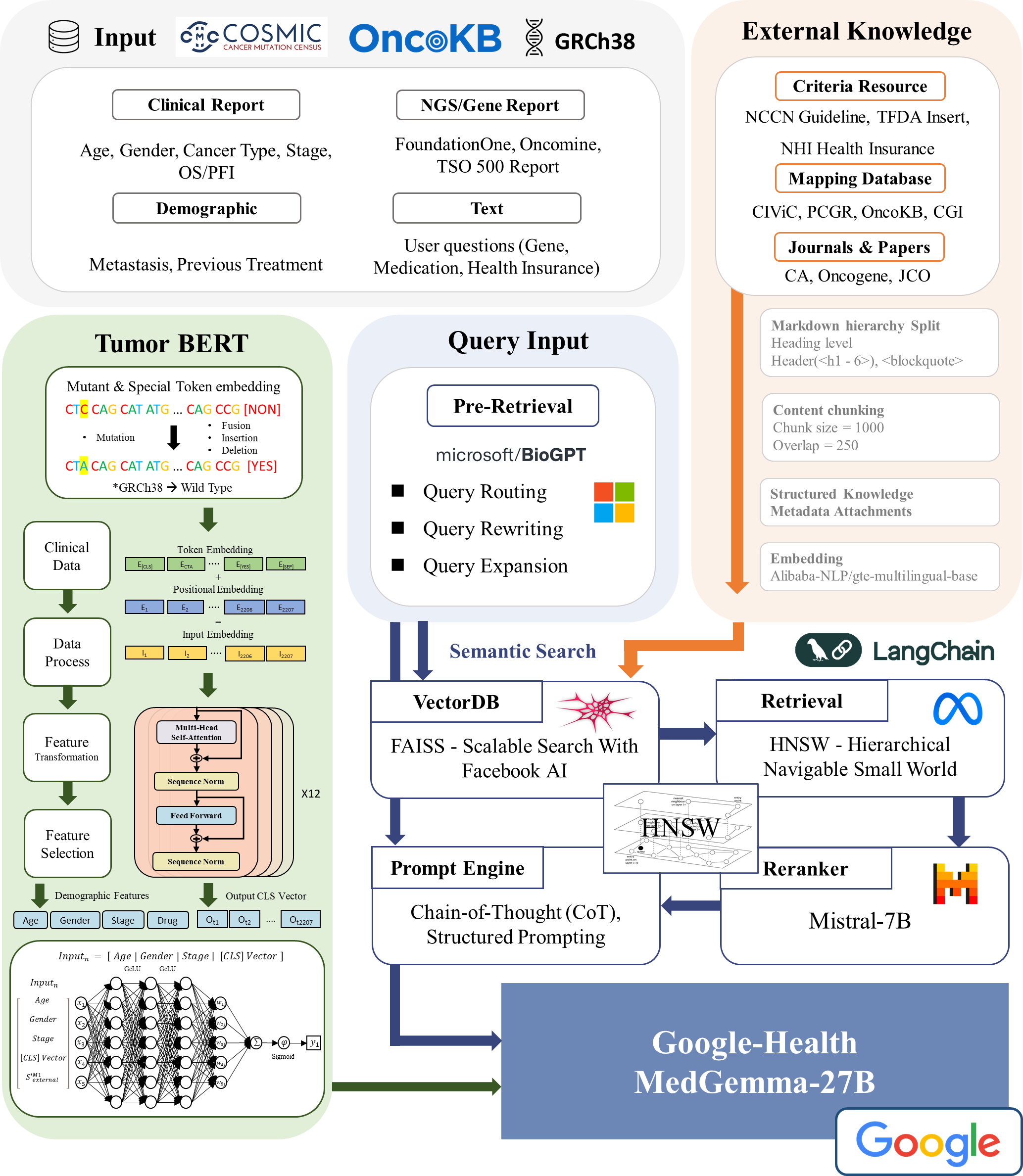
Future Tech | Information & CommunicationsTechnology Introduction: TumorBERT utilizes a BERT-based architecture to capture mutational patterns within the genomic. By integrating clinical variables, it enables personalized prediction of patient survival risk, achieving an AUROC of 0.72. GeneMed-RAG, built on RAG technology, automatically parses genomic reports and retrieves relevant therapeutic content curated knowledge base of cancer pharmacogenomics. It generates highly accurate, evidence-based medication recommendations with an accuracy of 98.3%. Industry Applicability: This AI precision oncology solution uses OncoDT to rapidly analyze genetic reports, creating benefits for all. It enables personalized patient care and treatment. It also benefits hospitals by reducing time, pharmaceutical companies by simulating drug efficacy and screening patients. Interactive AI teaching systems help medical education. The solution targets the global tumor companion diagnostics market with test-agnostic strategies to enable partnerships for global expansion.
Future Tech | Information & CommunicationsTechnology Introduction: This AI-driven digital mental health platform integrates EMDR therapy with emotion recognition, eye-tracking, physiological monitoring, speech analysis, and automated reporting. It enables standardized, digital, and personalized care, enhancing treatment efficacy, efficiency, and accessibility. By addressing clinician shortages and regional disparities, the system supports a precise, scalable, and sustainable model for intelligent mental healthcare. Industry Applicability: This AI digital mental health platform integrates multimodal sensing and supports scalable SaaS deployment for healthcare, insurance, and enterprises. It provides stress management and remote counseling, enhancing efficiency, lowering costs, and improving access—especially in underserved areas. With early detection and continuous monitoring, it promotes preventive care and mental health. Holds global market potential and reinforces Taiwan’s leadership in digital mental health innovation.
Future Tech | Information & CommunicationsComing soon!