Select Field
Select Ministry
13 results
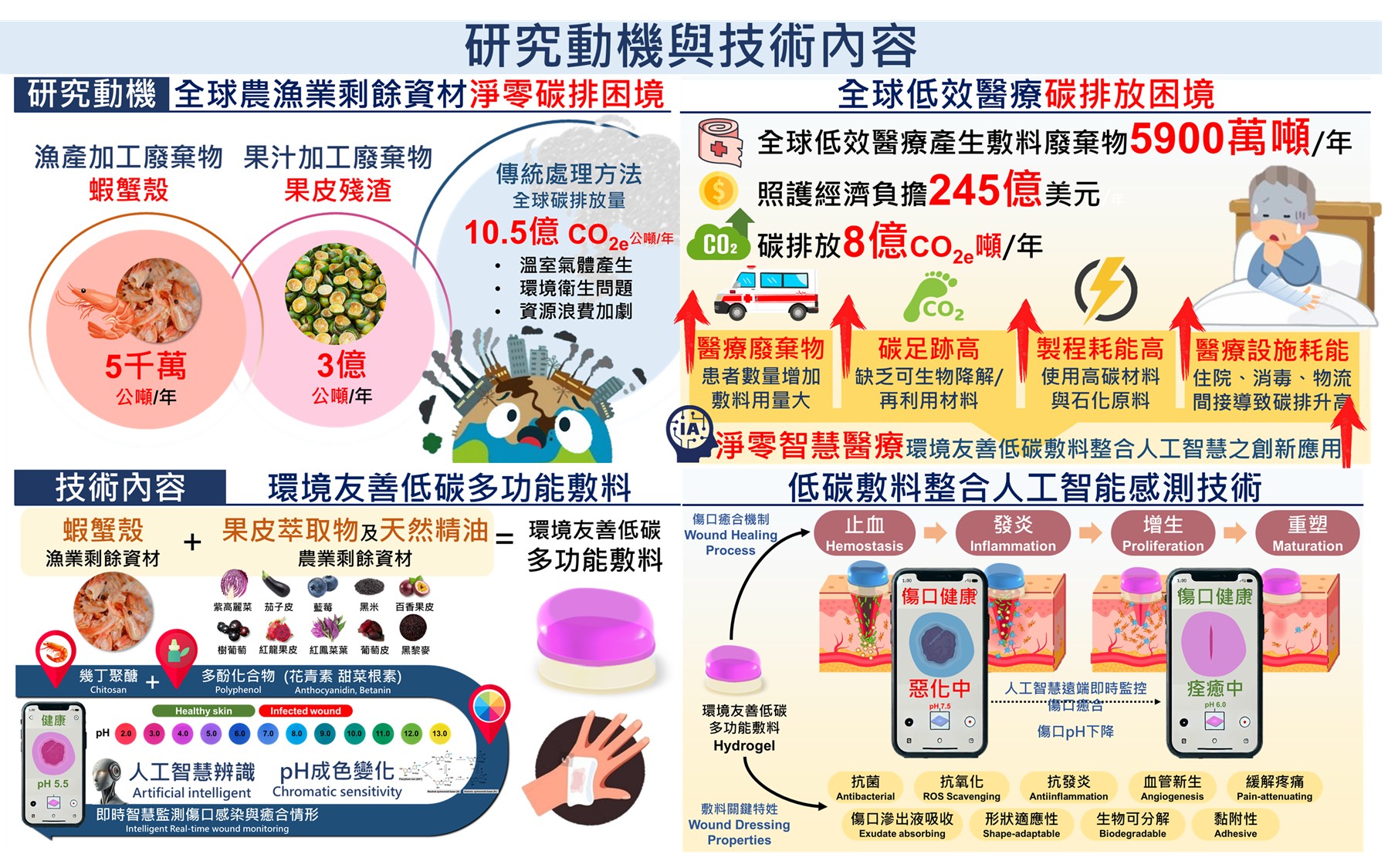
Technology Introduction: This globally pioneering low-carbon smart wound dressing, derived from agricultural and fishery waste polyphenols and chitosan, features antibacterial (99.999%), antioxidant (93%), anti-inflammatory properties, real-time pH sensing, and AI-based infection detection. It offers high exudate absorption, excellent adhesion, and non-cytotoxicity, and promotes wound healing within 24 hours, enhancing medical innovation and environmental sustainability. Industry Applicability: Current mainstream products such as Aquacel, Mepilex, and Tegaderm mostly use high-energy-consuming processes and non-biodegradable materials, lacking real-time infection monitoring and carbon reduction features. Future market demand will focus on eco-friendly, smart, multifunctional dressings with real-time monitoring. The market is expected to exceed USD 22.3 billion by 2035, driven by the growing needs of an aging society and chronic wound care.
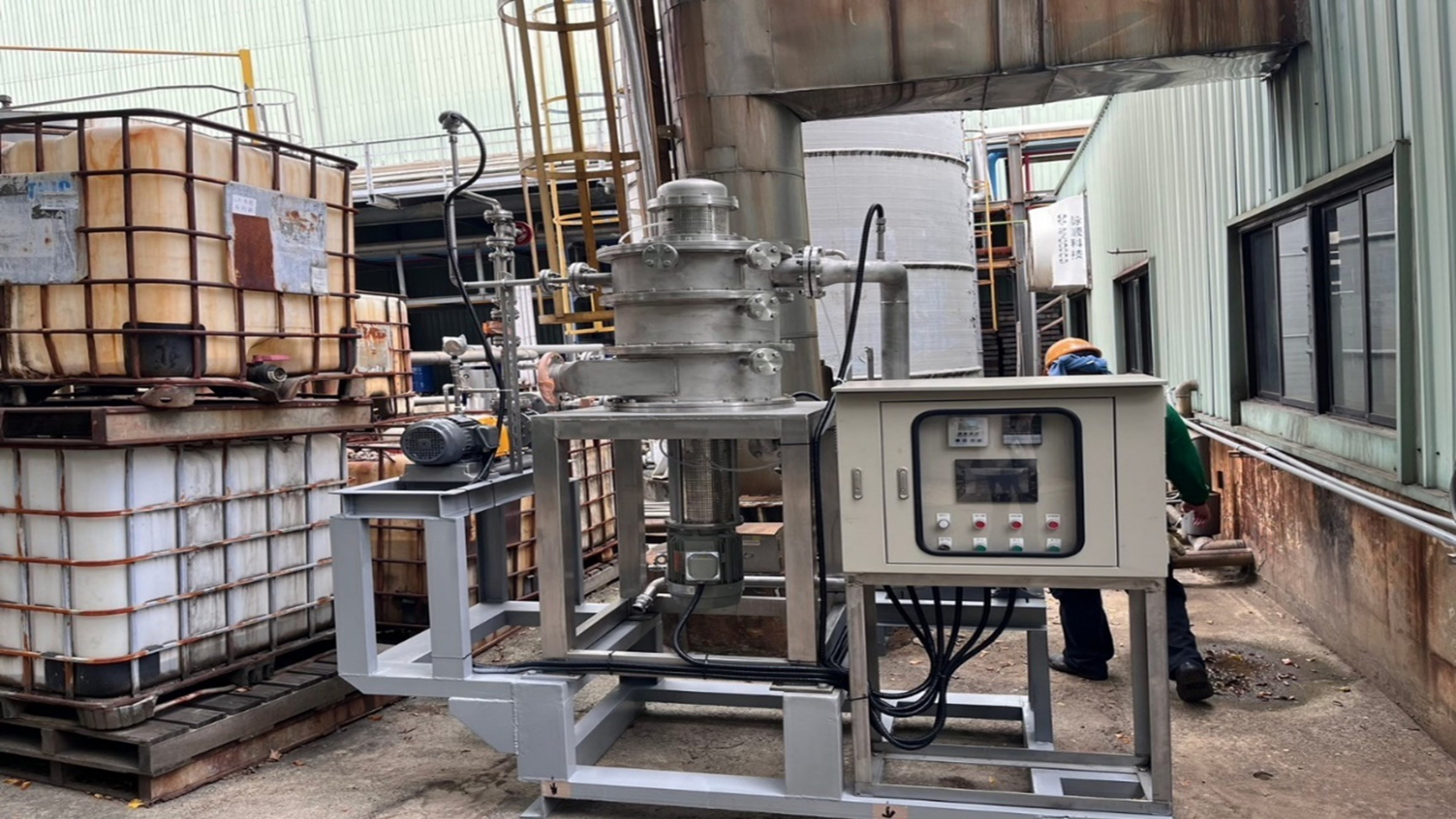
Future Tech | Green Energy & EnvironmentTechnology Introduction: Generated low-carbon and high concentration ozone from our unique NG-PEMWE are utilized to efficiently treat the liquid waste from semiconductor industry successfully from Taiwan Semiconductor Manufacturing Cooperation (TSMC) with Trusval Technology Corp (信紘科). Negative-carbon and free hydrogen can be stored and utilized for diverse applications accelerating hydrogen economy realization. Industry Applicability: After implementing the Scientific Research and Entrepreneurship Plan (Germination Case) supported by the National Science Council (from January 2023 to March 2024), our team has successfully modularized PEMWE technology and established a collaboration with a leading semiconductor equipment manufacturer. We are currently focusing on the offline degradation of process waste liquid using ozone generated by our system, while the hydrogen produced can be utilized to generate green electricity.
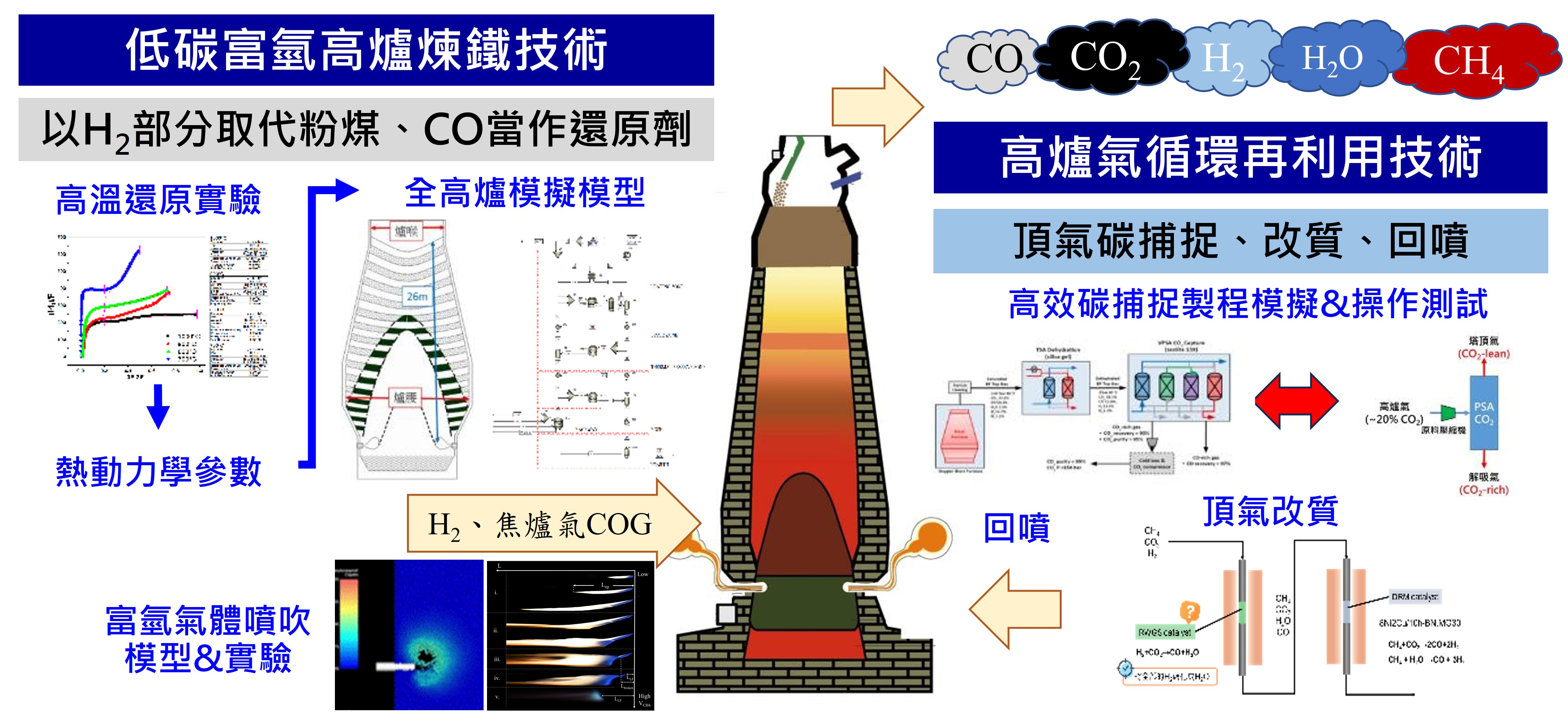
Future Tech | Green Energy & EnvironmentTechnology Introduction: This technology integrates two major strategies: hydrogen-rich blast furnace ironmaking and top gas recycling and reuse, effectively reducing blast furnace carbon emissions through both direct and indirect hydrogen-based carbon replacement reactions. By injecting hydrogen to reduce coke consumption and improve reduction efficiency, combined with top gas recovery and reutilization technologies, the overall CO₂ reduction performance is significantly enhanced. Industry Applicability: This integrated solution has been successfully implemented in collaboration with China Steel Corporation (CSC) for on-site production of low-carbon hot metal. By supplying low-carbon upstream materials, this technology is supporting the domestic metal products industry—including sectors such as machine tools, automotive components, and hand tools—and driving the overall industrial transition toward a net-zero carbon future.
Future Tech | Green Energy & EnvironmentTechnology Introduction: Our team has developed efficient CO₂ capture, conversion, and reuse technology by combining chemical absorption with microalgae-based capture. This allows us to turn atmospheric CO₂ into biochar for lithium-ion battery anodes. Producing 1 ton of anode material captures about 11.37 tons of CO₂ annually. Industry Applicability: High-gravity rotating bed technology captures CO₂ and produces bicarbonates for microalgae cultivation, which can be turned into biofertilizer for higher reuse. Energy-efficient dewatering cuts drying energy use and mold risk. Microalgae biochar can replace graphite in lithium-ion battery anodes. Multiple technology transfers have accelerated industrialization.
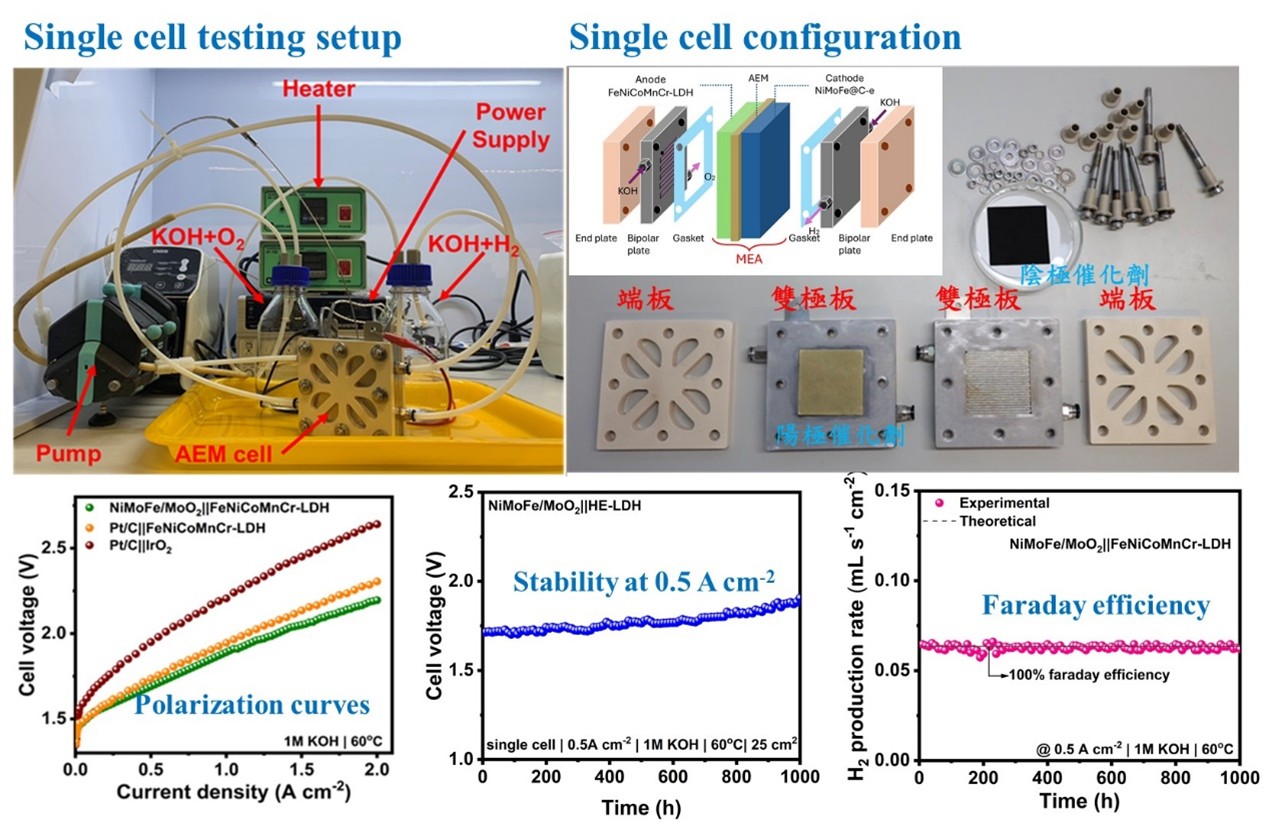
Future Tech | Green Energy & EnvironmentTechnology Introduction: This technology integrates non-noble metal catalysts with AEMWE system to enable high-efficiency, low-cost green hydrogen production. Featuring long-term durability and solar integration, it supports decentralized and off-grid hydrogen generation. A 3-stack AEMWE stack achieves high energy efficiency, stable operation, and H2 purity up to 99%, demonstrating strong potential for net-zero energy solutions. Industry Applicability: This technology enables scalable, low-cost green hydrogen production via AEMWE systems using non-noble metal catalysts. It delivers high efficiency, long-term durability, and low energy consumption, meeting the EU 2030 targets. Its industrial applicability lies in its ability to decarbonize heavy industries, provide flexible energy storage for renewable grids, and enable new clean energy applications, making it a critical technology for achieving global carbon neutrality goals.
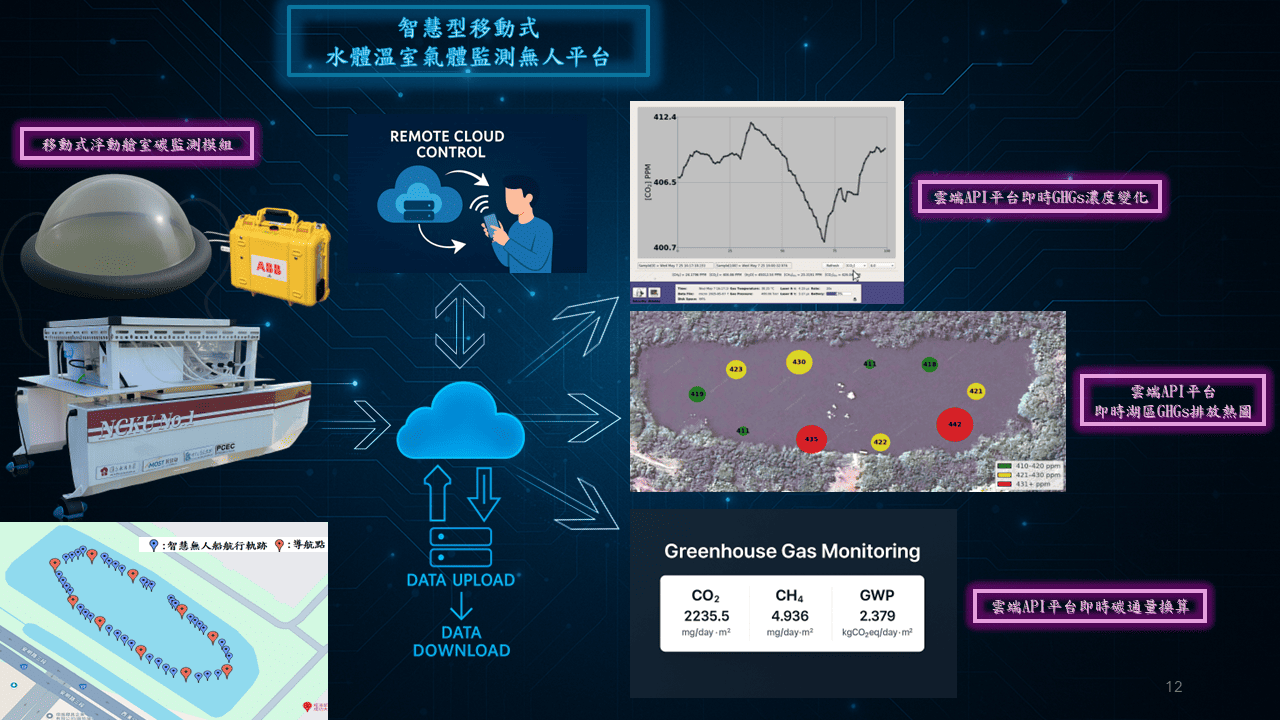
Future Tech | Green Energy & EnvironmentTechnology Introduction: An intelligent unmanned platform was developed to autonomously monitor GHG emissions from surface waters. Integrating an autonomous vessel, floating chamber, and cloud-based flux analysis, the system enables efficient, high-resolution, multi-site GHG measurements. Compared to traditional methods, it offers fivefold efficiency, modular flexibility, and real-time data visualization. Field-tested across various water bodies, it serves as a practical tool for carbon inventory and management. Industry Applicability: The market potential for this mobile GHG monitoring platform is strong. In Taiwan, with 95+ reservoirs, 600 flood detention basins, 3,000+ km of rivers, and numerous ponds and wetlands, demand for carbon flux monitoring is growing. Commercialization can occur via direct sales (NT$100 million for 50–100 units) or service models (NT$2 million/year-unit). With few global equivalents, it has strong export potential, especially in regions targeting carbon neutrality and nature-based inventories.
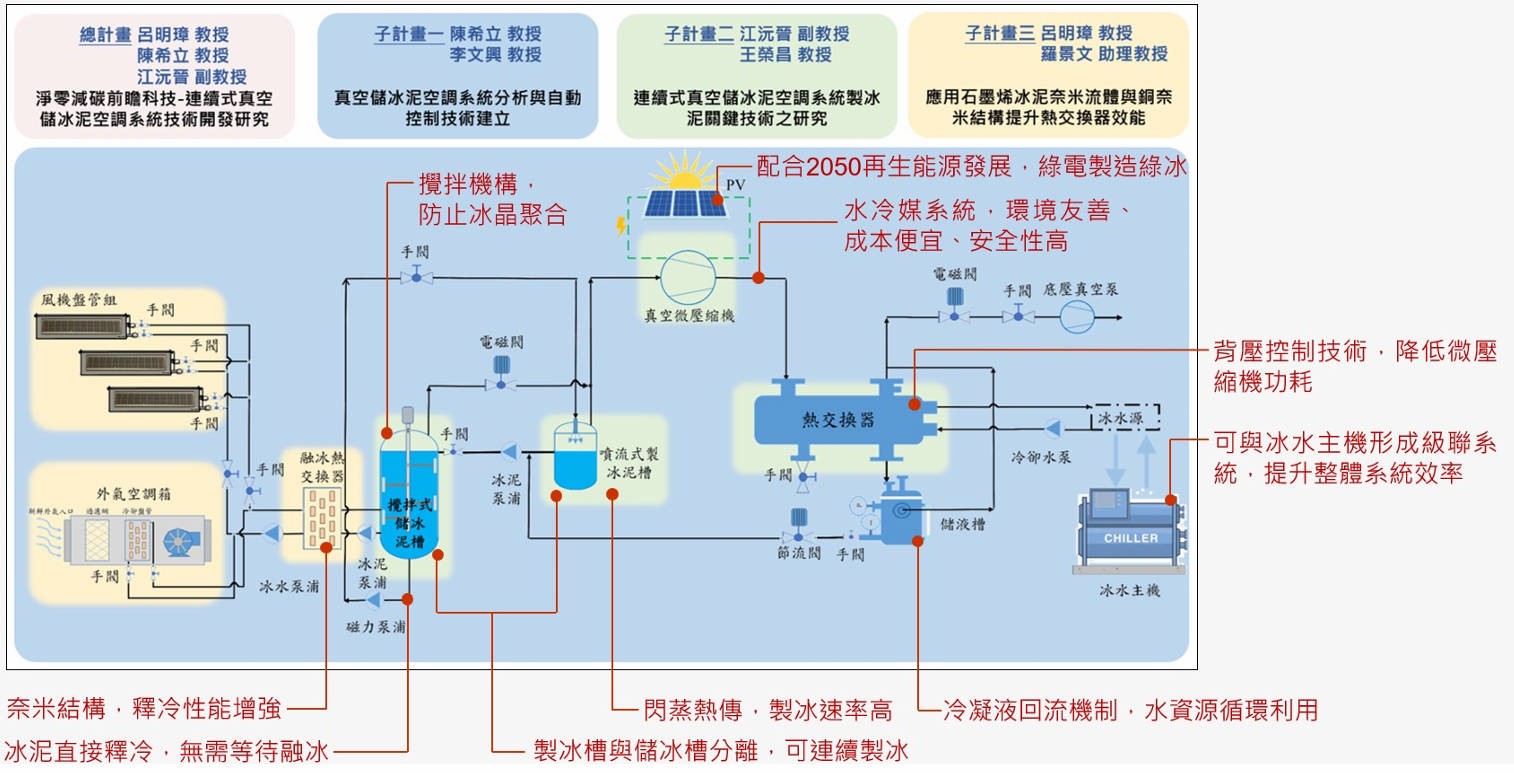
Future Tech | Green Energy & EnvironmentTechnology Introduction: This vacuum-based ice slurry system offers high-efficiency thermal energy storage, replacing high-GWP refrigerants and traditional chilled water systems. By decoupling ice-making and melting, it enables peak load shifting and better use of renewable energy, significantly reducing building-sector emissions in line with 2050 net-zero goals. With strong industrial potential, it supports the next generation of green cooling and boosts international competitiveness. Industry Applicability: The patented “Ice Slurry Generation Device,” winner of the Fusheng Cup, showcases strong innovation and application potential. With high COP, modular design, and energy-saving benefits, it is ideal for high cooling-load buildings and AC retrofits, with potential in food processing and thermal management. Industrialization will proceed through licensing and partnerships, supporting deployment across sectors in line with sustainability goals.
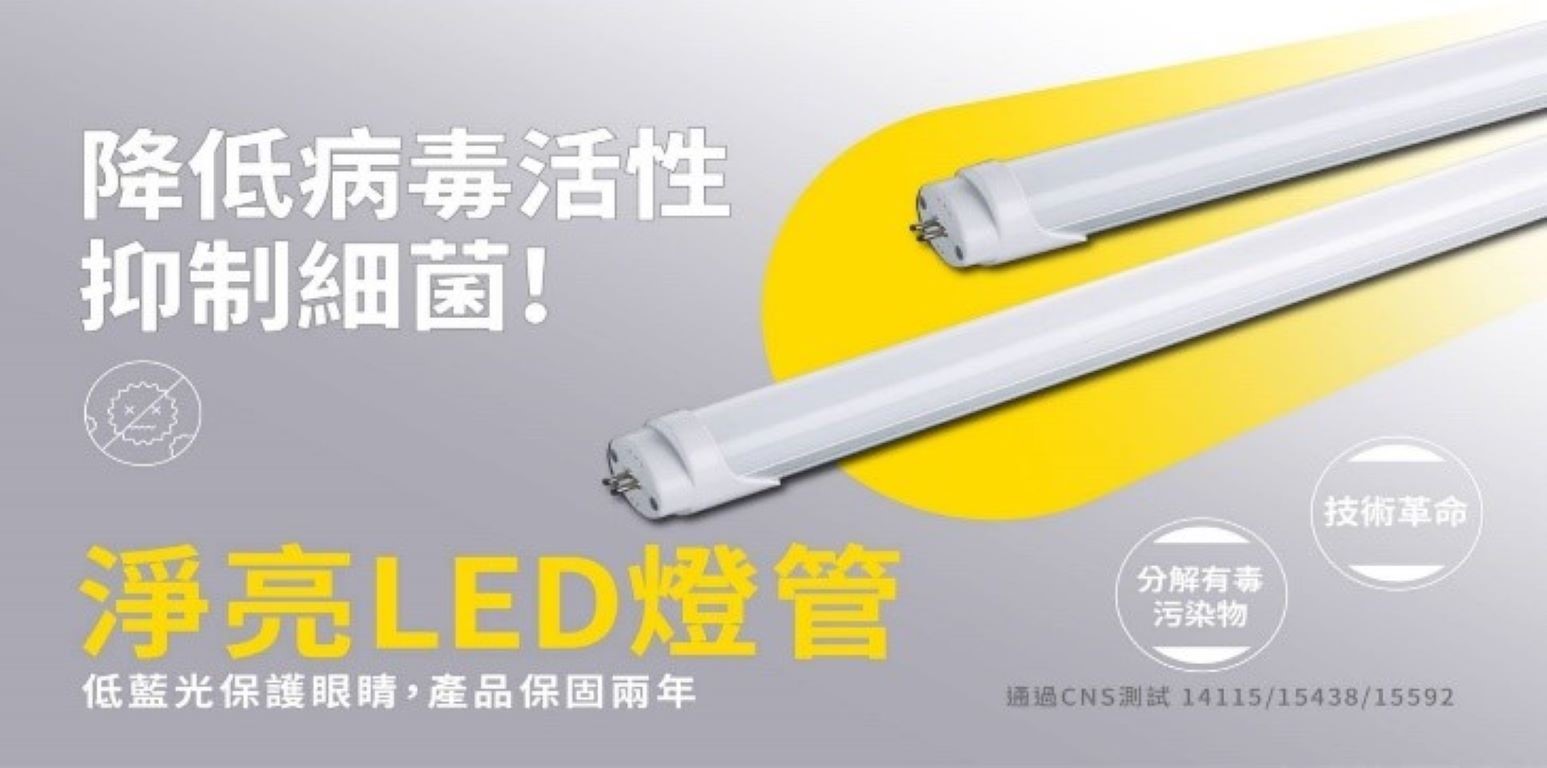
Future Tech | Green Energy & EnvironmentTechnology Introduction: This technology utilizes a 450 nm wavelength light-emitting diode (LED) combined with a surface plasmon structure. The LED light induces surface plasmon excitation that promote the ionization of water molecules in the air. These ionized molecules effectively decompose harmful airborne substances. The system can be applied to animal health management. It improves air quality, helps reduce carbon emissions, and supports the development of a more sustainable and animal-friendly farming environment. Industry Applicability: This technology is applied for active purification of PM2.5(2.5下標), viruses, bacteria, and harmful gases without chemicals. Proven effective in livestock farms and meat retail settings, it improves air quality, controls pathogens, and extends meat shelf life. With smart monitoring and environmental control, it aligns with net-zero and ESG goals. Highly commercializable, it offers scalable applications across the livestock and food industries, supporting sustainability and industry advancement.
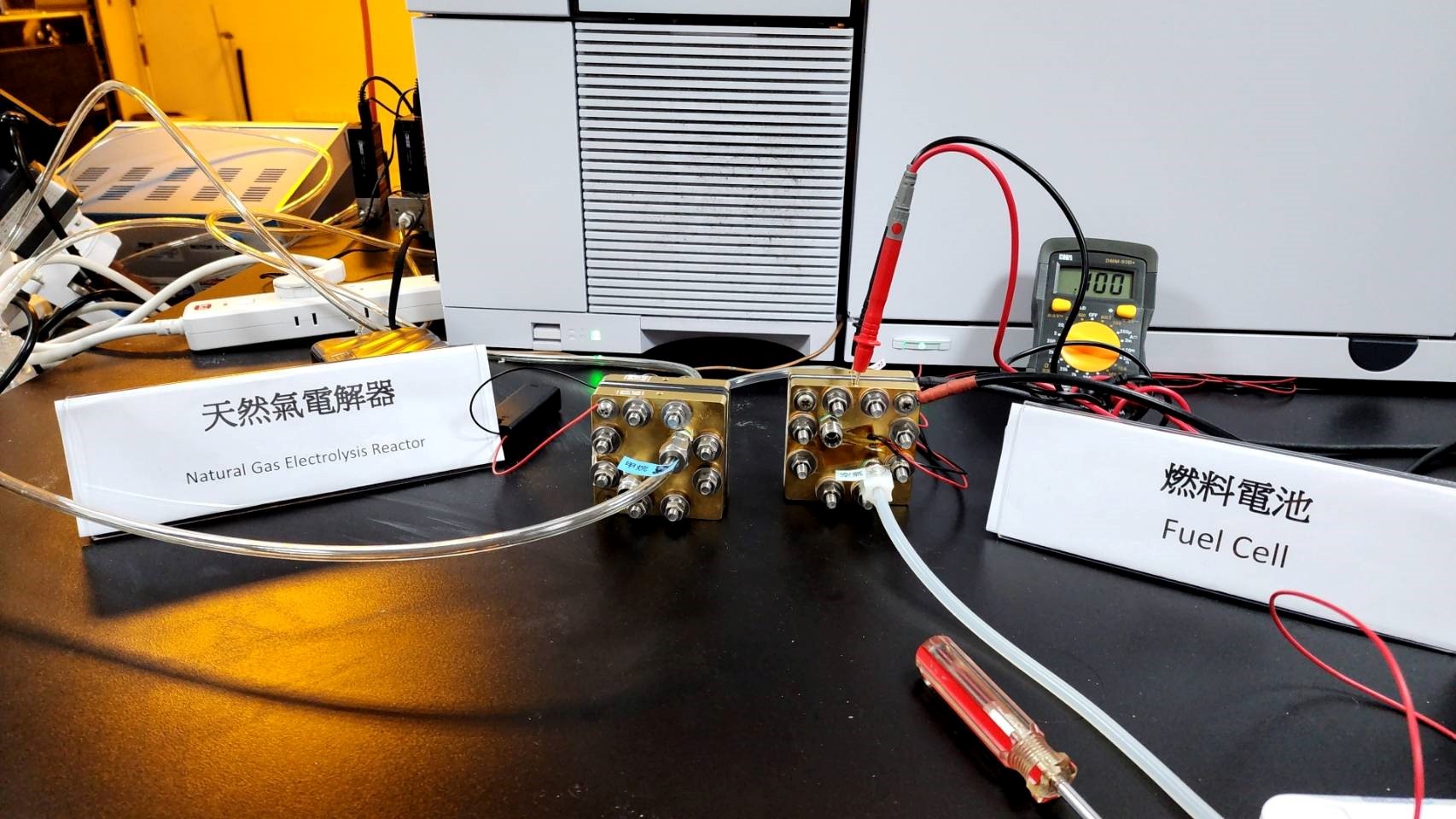
Future Tech | Green Energy & EnvironmentTechnology Introduction: This technology enables low-voltage (~1.5 V) electrolysis of natural gas (methane) or hydrogen-enriched mixtures to produce ultra-pure hydrogen, which is directly used in fuel cells. The membrane electrode assembly (MEA), made of a non-precious metal catalyst and ion-exchange membrane, operates in both electrolysis and fuel cells. This dual-function design lowers costs and enhances scalability for real-world applications. Industry Applicability: This technology is suitable for petrochemical, heavy, electronics, and semiconductor industries. Natural gas can be directly delivered via pipelines to facilities, where it undergoes methane electrolysis to produce high-purity hydrogen. The hydrogen can be used in industrial processes or as a power source via fuel cells. Due to its flexibility, the technology is not limited to specific sectors and can showing great potential for widespread implementation.
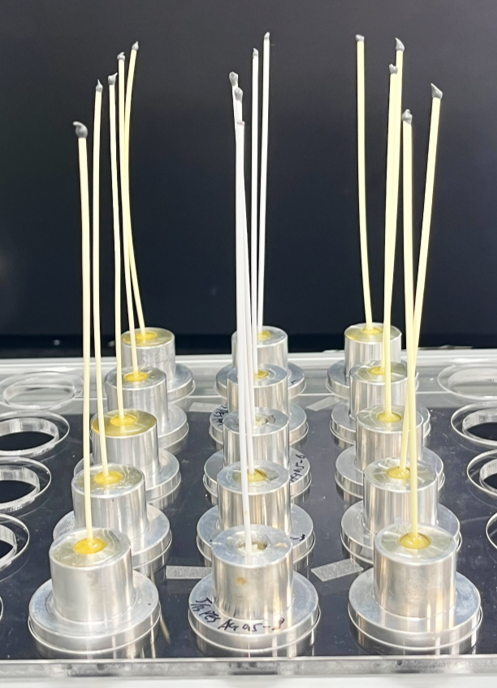
Future Tech | Green Energy & EnvironmentTechnology Introduction: Our team focuses on developing composite hollow fiber membranes. The inner and outer layer structures were optimized to enhance the gas permeance. In parallel, we developed a continuous wetting/coating process by utilizing the immiscibility of wetting and coating solutions. A Plasma treatment was adopted to improve their interfacial compatibility, and novel selective-layer materials were synthesized and patented to overcome the permeability–selectivity trade-off relationship for CO₂ capture. Industry Applicability: The hollow fiber membranes developed by our group provide a high surface area, modularity, and low energy requirement, making them ideal for carbon capture in coal-fired power plants and heavy industries. Their robust structure ensures long-term stability under harsh conditions. This scalable and cost-effective membrane technology can support Taiwan’s transition to have sustainable industries with net-zero emissions.
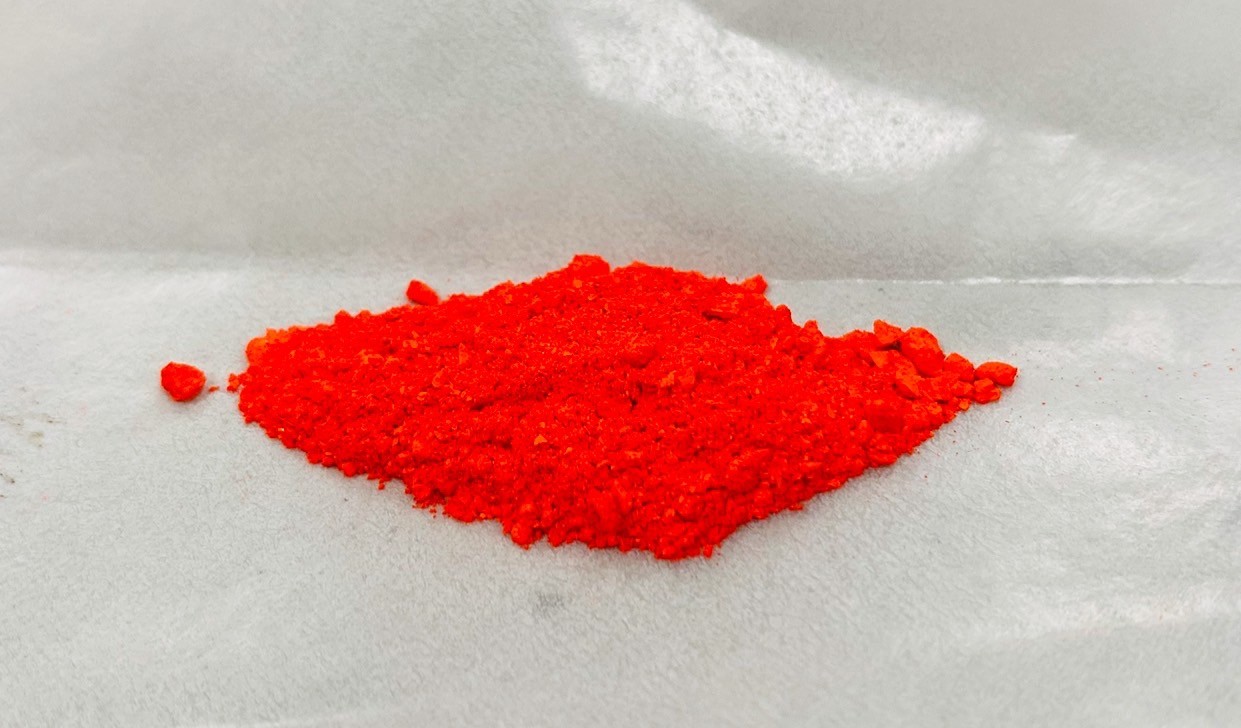
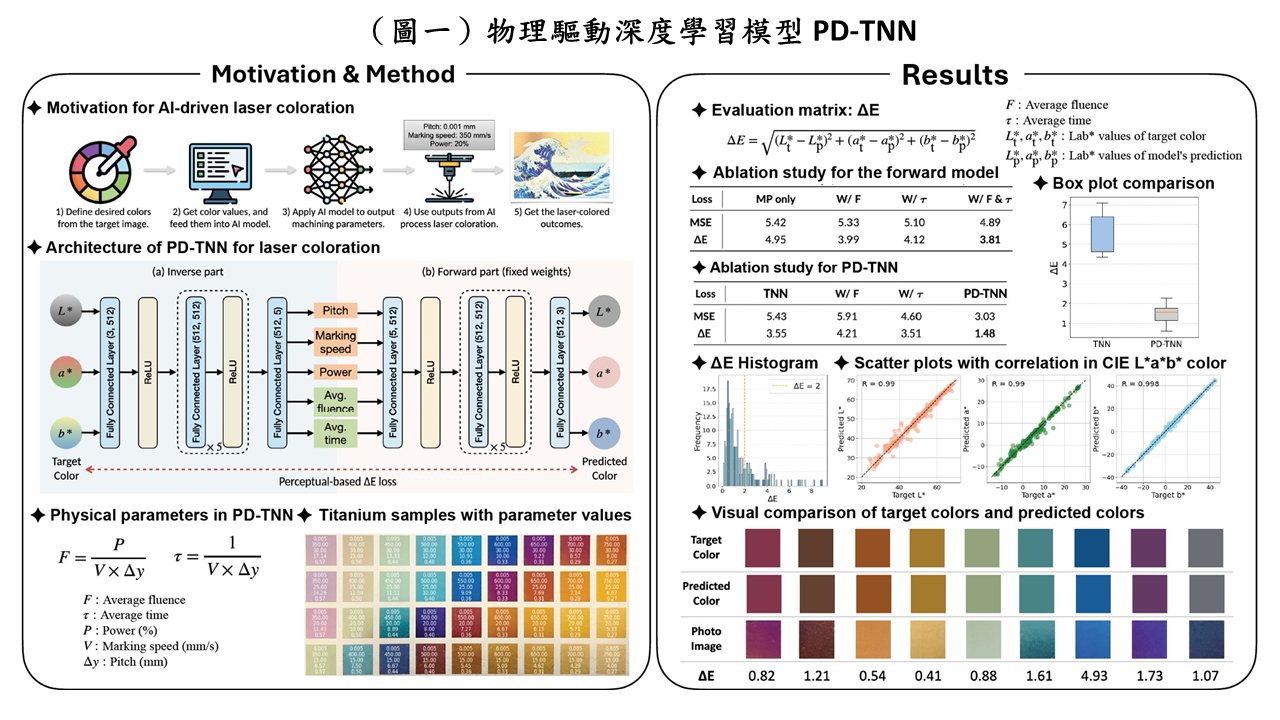
Future Tech | Machinery & SystemTechnology Introduction: Our dry, zero-pollution laser-based metal coloring process addresses the limitations of conventional laser coloring methods in color gamut and precision. It integrates sub-pixel color mixing to expand achievable colors, and employs a physics-driven deep learning model (PD-TNN) with thermal simulation to map process parameters to color outcomes, enabling accurate prediction and efficient process design. Industry Applicability: Our technology is a high-efficiency, low-carbon laser metal coloring process that replaces wet methods like electroplating, painting, and PVD. Using room-temperature dry processing aligned with ESG trends, it integrates AI for color prediction and parameter control. The system supports intelligent, customizable production and has applications in both industry and design, targeting commercialization in Taiwan’s surface treatment market, which exceeds NT$100 billion in scale.
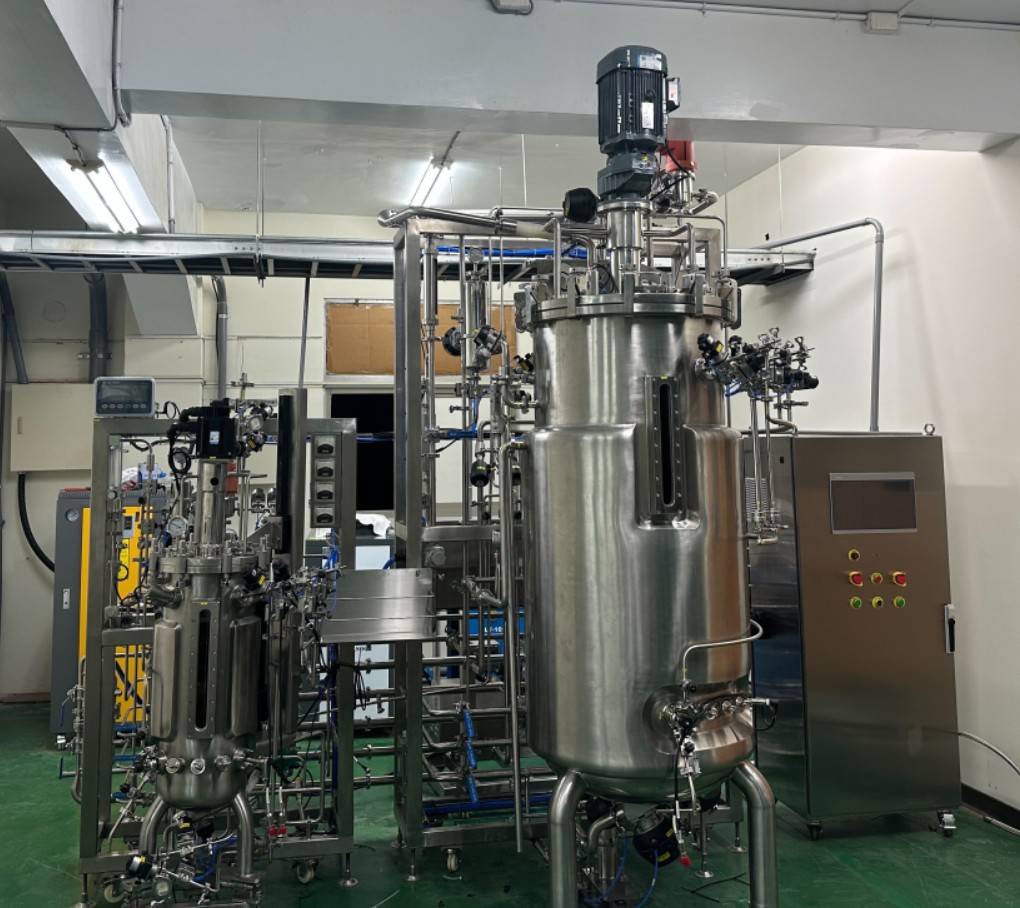
Future Tech | Green Energy & EnvironmentTechnology Introduction: This technology is to construct the microalgae carbon fixation and oil production system, which mainly includes a 10-ton microalgae carbon fixation system and a 100-liter algae fermentation system. After collecting the produced algae, they are hydrolyzed by biological method to produce biofuel source. This technology is based on two microalgae to create a carbon circulation platform. We will also cooperate with FORMOSA SMART ENERGY and airline industry to build the first SAF factory in Taiwan. Industry Applicability: 1. SAF is an international trend, and investment in development is imperative, and international sources are in short supply 2. CPC and FPG have also begun to develop in the direction of SAF 3. It is the first domestic academic community to work with the industry (FPG and EVA Air) to conduct commercial development of SAF sources, with a complete connection from the parts of technology, production, and customers. 4. The long-term goal is to achieve an annual production of 20,000 tons of SAF
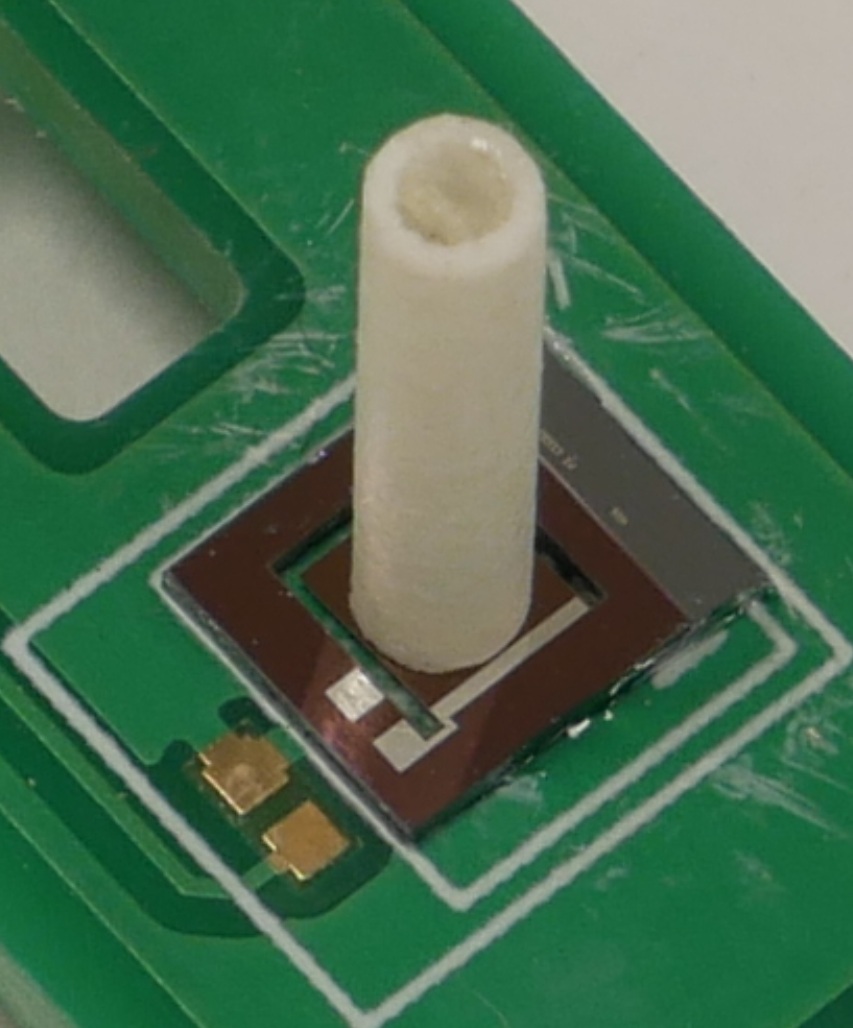
Future Tech | Green Energy & EnvironmentTechnology Introduction: This technology is a wind energy harvester combining vortex-induced vibration (VIV) and MEMS-based piezoelectric conversion. It features low wind speed activation, modular design, and high integration. Cylindrical arrays enhance vortex interaction, boosting power output. Suitable for powering IoT sensors in off-grid areas, the device is patented in Taiwan and the U.S., and has potential for green energy modules in smart buildings and environmental monitoring. Industry Applicability: This technology suits IoT, smart buildings, and remote monitoring, featuring low wind-speed startup, high integration, and mass production potential. Its compact size fits dense sensor networks, ideal for structural health, agriculture tracking, and environmental sensing. With low wind speed starting, it supports off-grid or hard-to-reach sites and lowers maintenance. Integration with low-power communication modules promotes sustainable, low-carbon smart cities aligned with ESG goals.
Future Tech | Green Energy & EnvironmentComing soon!