Select Field
Select Ministry
24 results
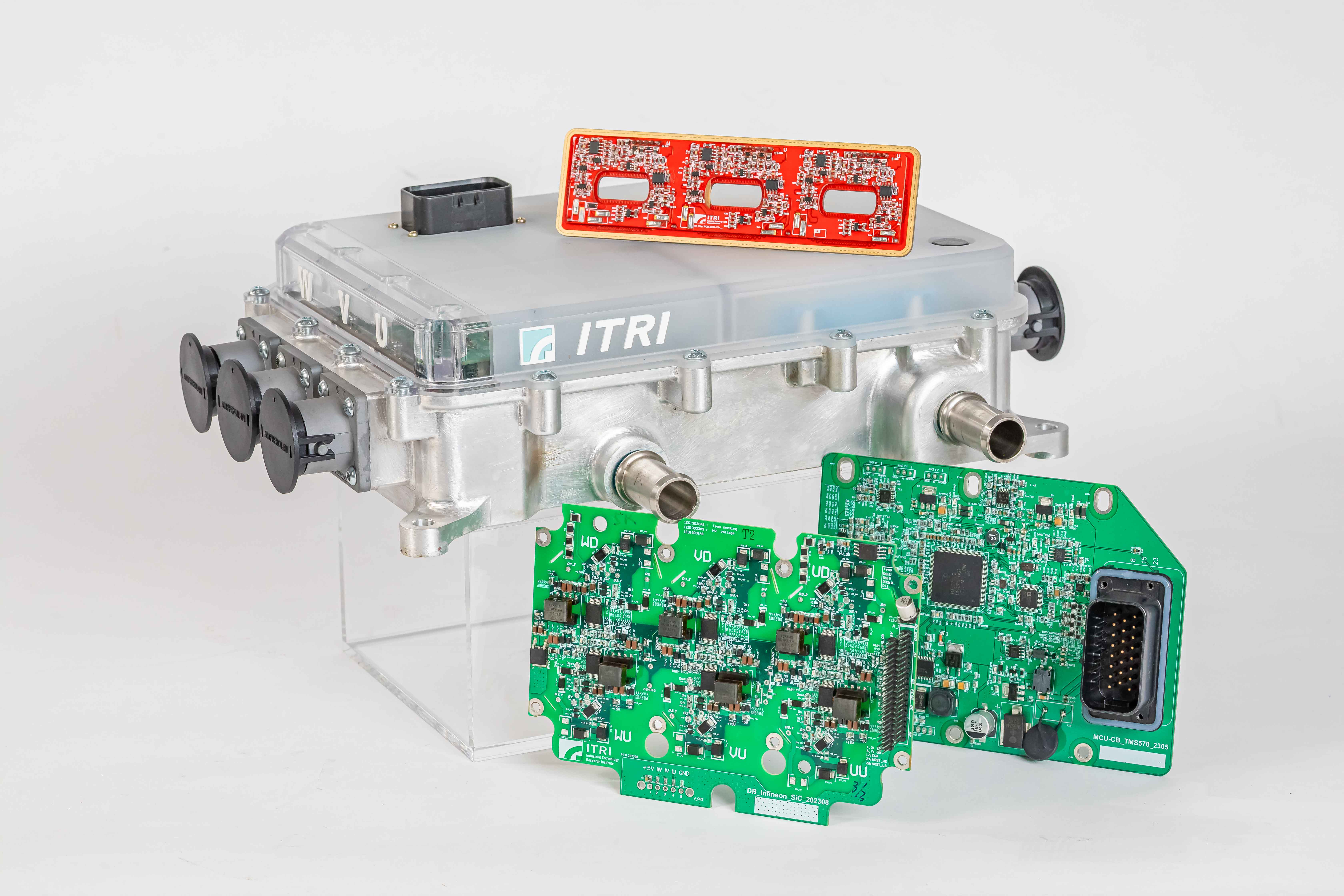
This technology mainly develops high volume power density SiC inverter, which helps to improve energy conservation and carbon reduction. For end users, it helps to improve the endurance of electric vehicles. Technical highlights include the development of thin current sensors, which can improve system reliability and reduce size, and the development of a two-in-one water channel design that can dissipate heat for power modules and capacitors, helping to increase rated power.
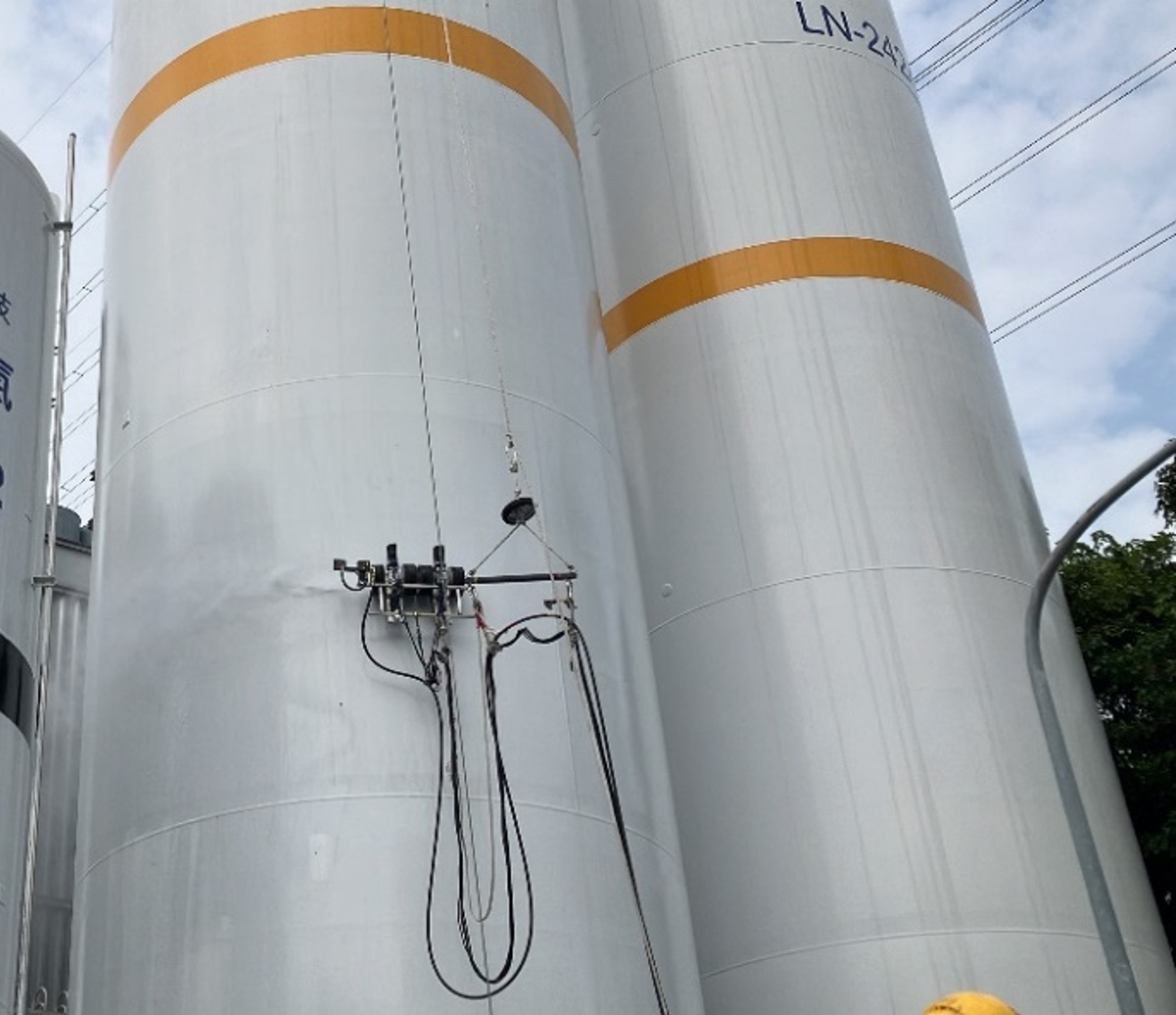
Innovation Economy | Machinery & System/Green Energy & EnvironmentThe cleaning robot is optimized for the surface of large curvature tanks. It uses a magnetic wheel crawling module, which can stably adhere to the surface of various curvature tanks and can move flexibly even on vertical surfaces. The cleaning module is equipped with a high-pressure water gun system to ensure that every surface is thoroughly cleaned during the cleaning process, greatly improving cleaning efficiency and quality. As the demand for gas tank maintenance increases, cleaning robots have expanded from the semiconductor industry to a variety of tank structures and application scenarios, such as the steel industry, high-pressure gas storage equipment, and new energy industries. In the future, they may become an important solution for the tank maintenance market and improve the safety and operating standards of industrial sites.
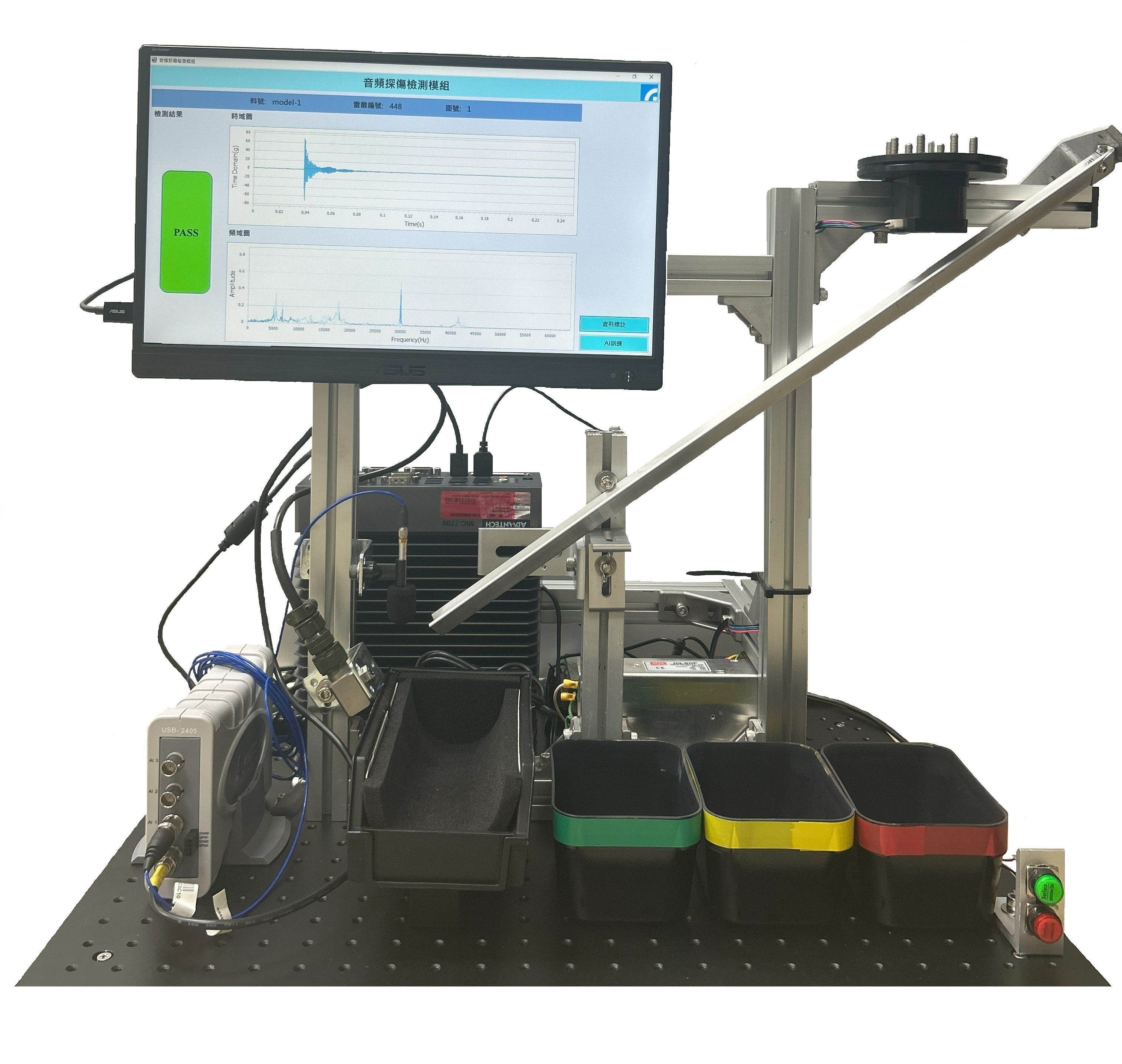
Innovation Economy | Machinery & SystemThis technology realizes automatic identification of sound signal characteristics by tapping and collecting sound of metal products, combined with audio signal analysis and AI technology. It can detect the internal quality without destroying the workpiece. It also has a systematic database and AI training interface, which can provide instant feedback and adjust the AI model when the recognition rate decreases.
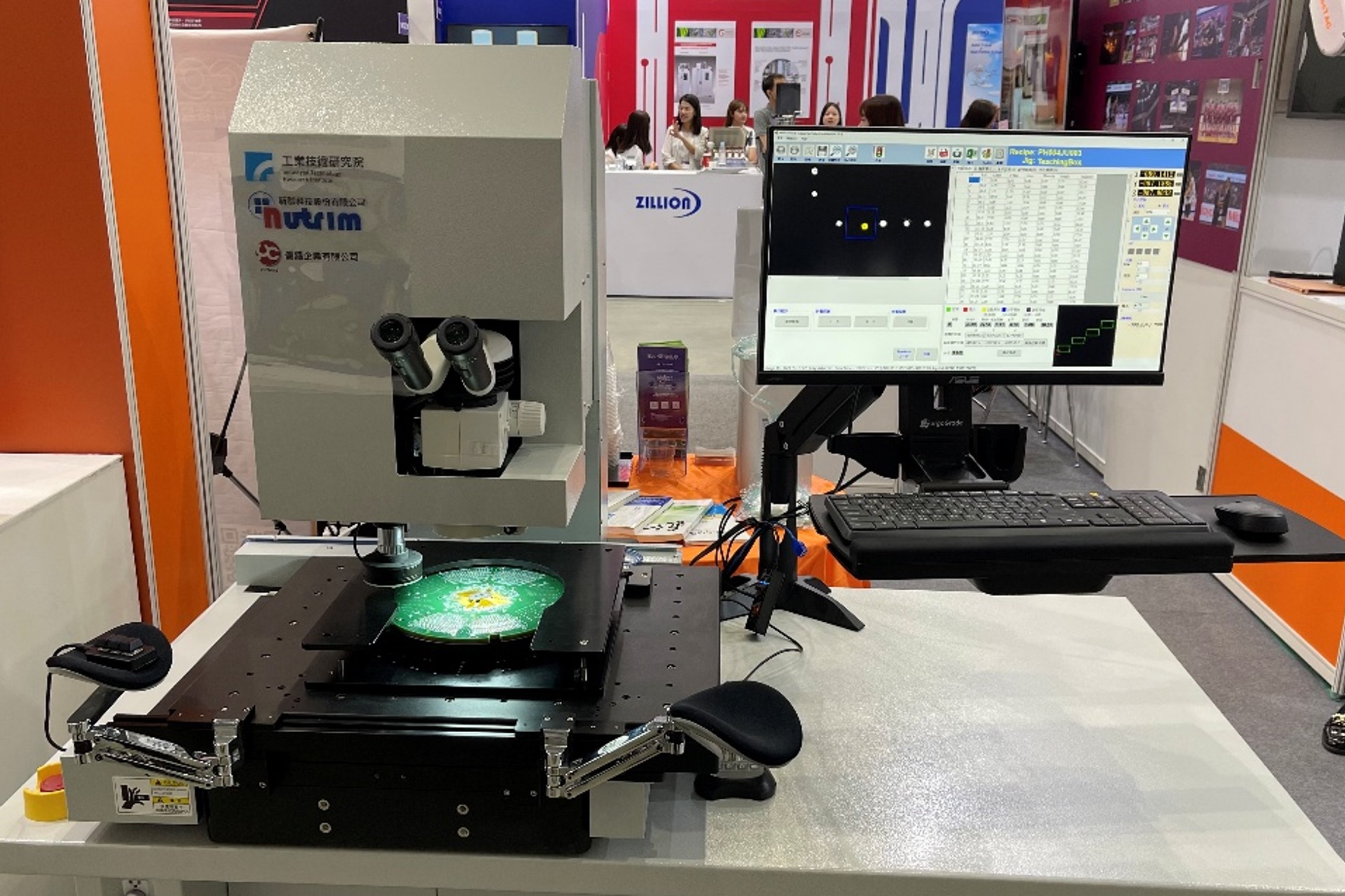
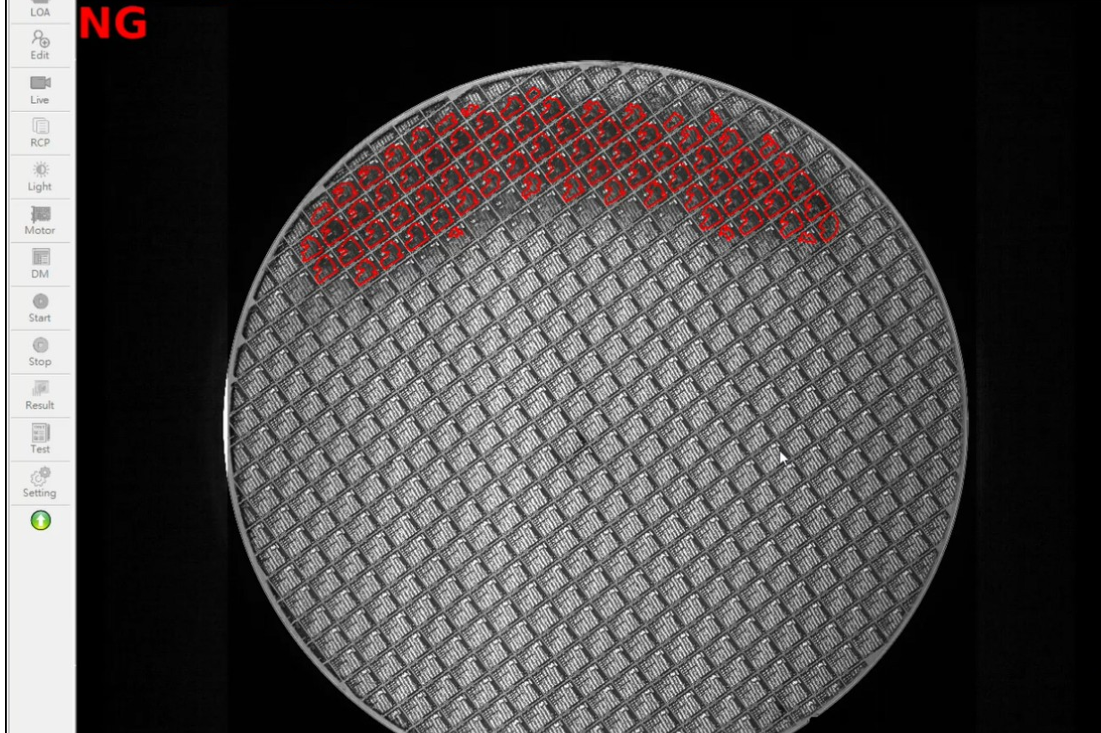
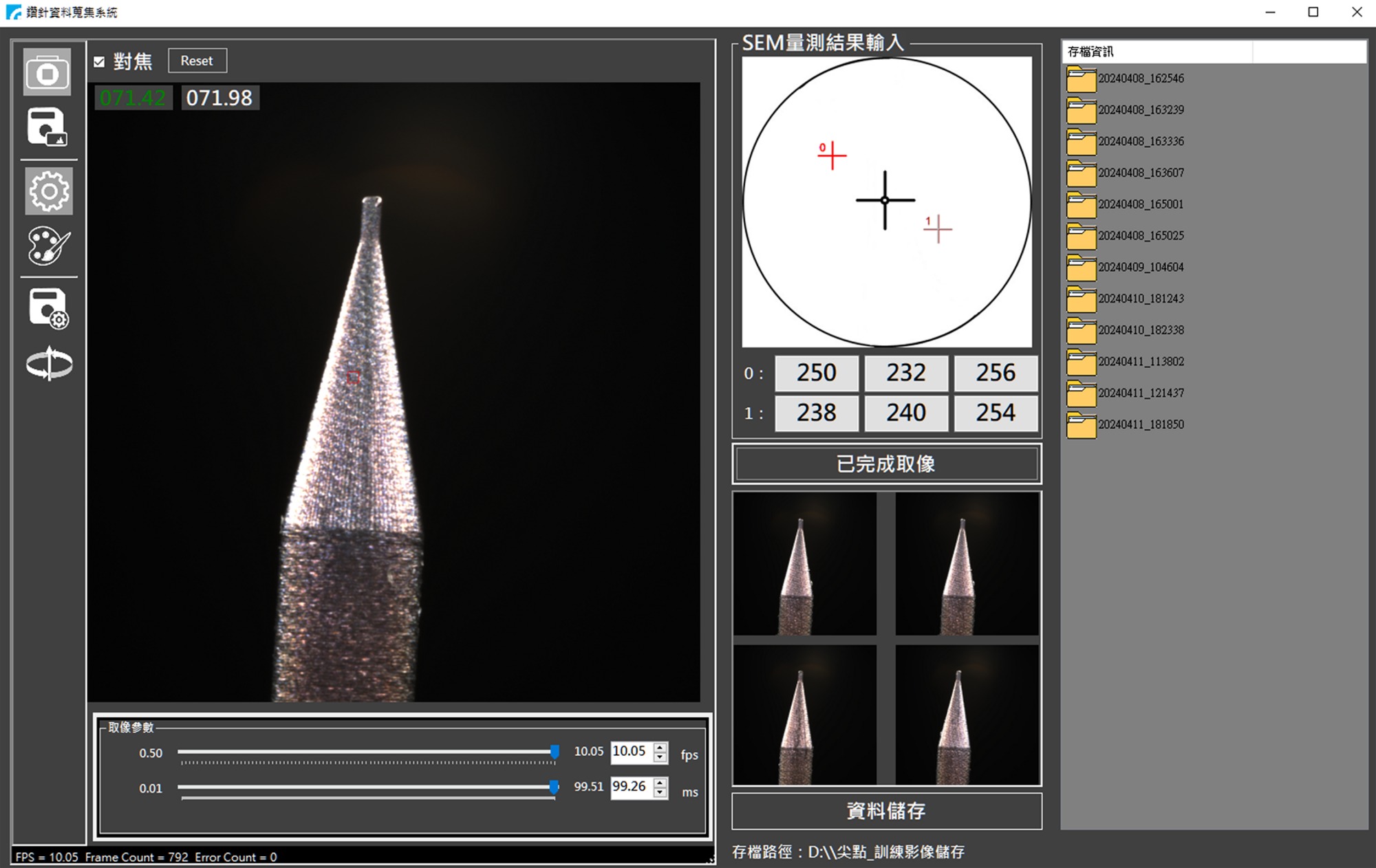
Innovation Economy | Machinery & SystemIt will promote the intelligent transformation and upgrading of semiconductor peripheral equipment. In the future, a high-precision automatic needle adjustment system can be developed in combination with intelligent probe automatic alignment technology, in order to achieve the upgrade from human-machine collaboration to fully automatic intelligent needle adjustment, greatly speeding up the system needle adjustment time and reducing the dependence on skilled inspection personnel. The rapid automatic alignment technology and Auto Focus technology are introduced and a high-precision calibration microscopic image coordinate system is established to assist the existing manpower in the automated full-range inspection of probe cards, achieving a human-machine collaborative alignment mechanism to reduce the probe adjustment time.
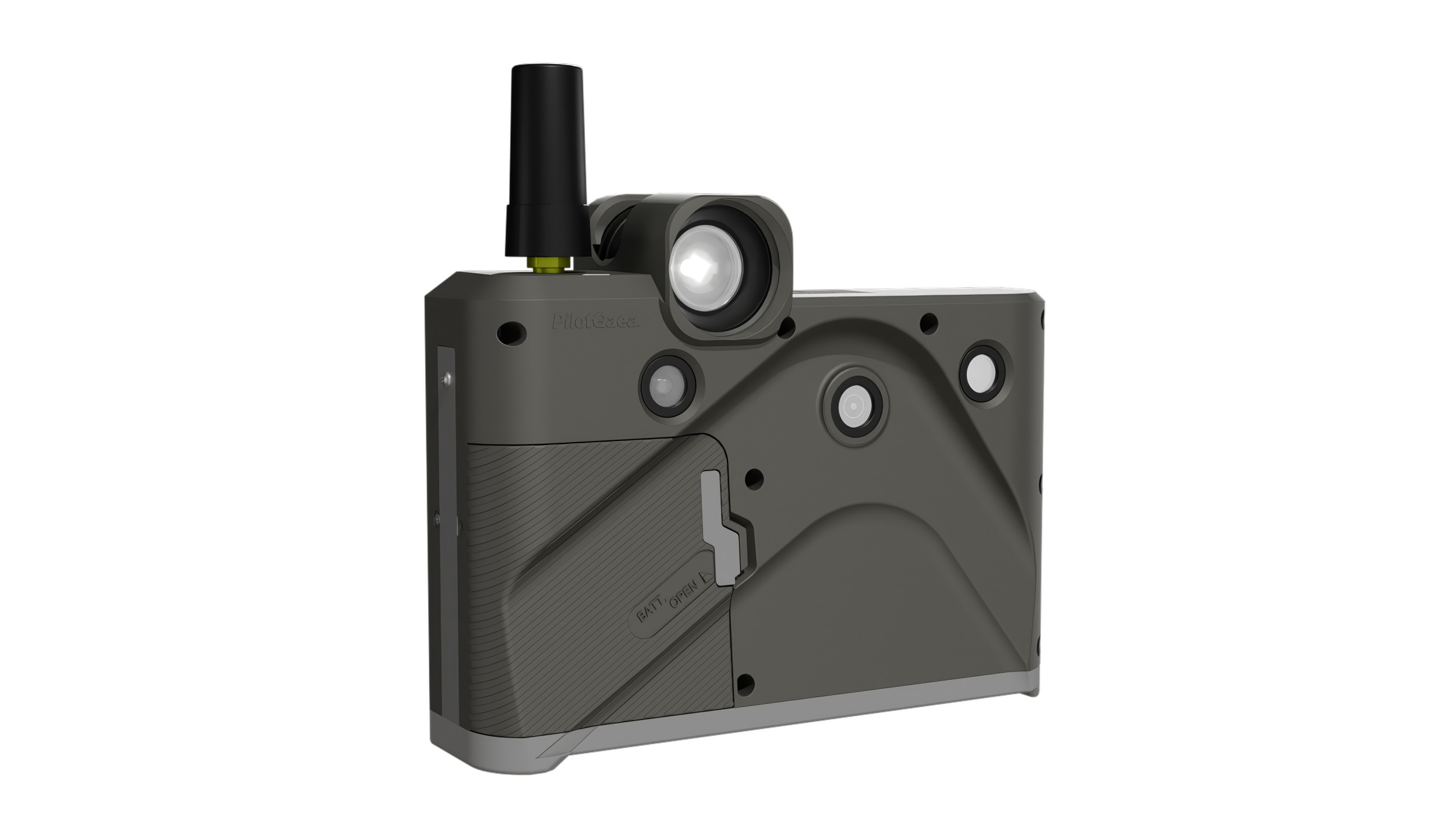
Innovation Economy | Machinery & SystemThe MES3D integrates a high-performance binocular camera with depth processing and AI capabilities. It captures synchronized 3D images, enabling on-device measurements such as length and area without a computer. With built-in object recognition and image classification, it's ideal for inspections, site surveys, and spatial analysis—streamlining fieldwork with speed and precision. AI vision cameras offer instant depth-of-field imaging and spatial measurement capabilities, making them widely used in industrial applications requiring rapid recording and precise positioning. They are suitable for landscape documentation, post-disaster surveys, environmental monitoring, and other applications, providing reliable image data with spatial positioning and measurement capabilities, facilitating academic research, policy formulation, and engineering review.
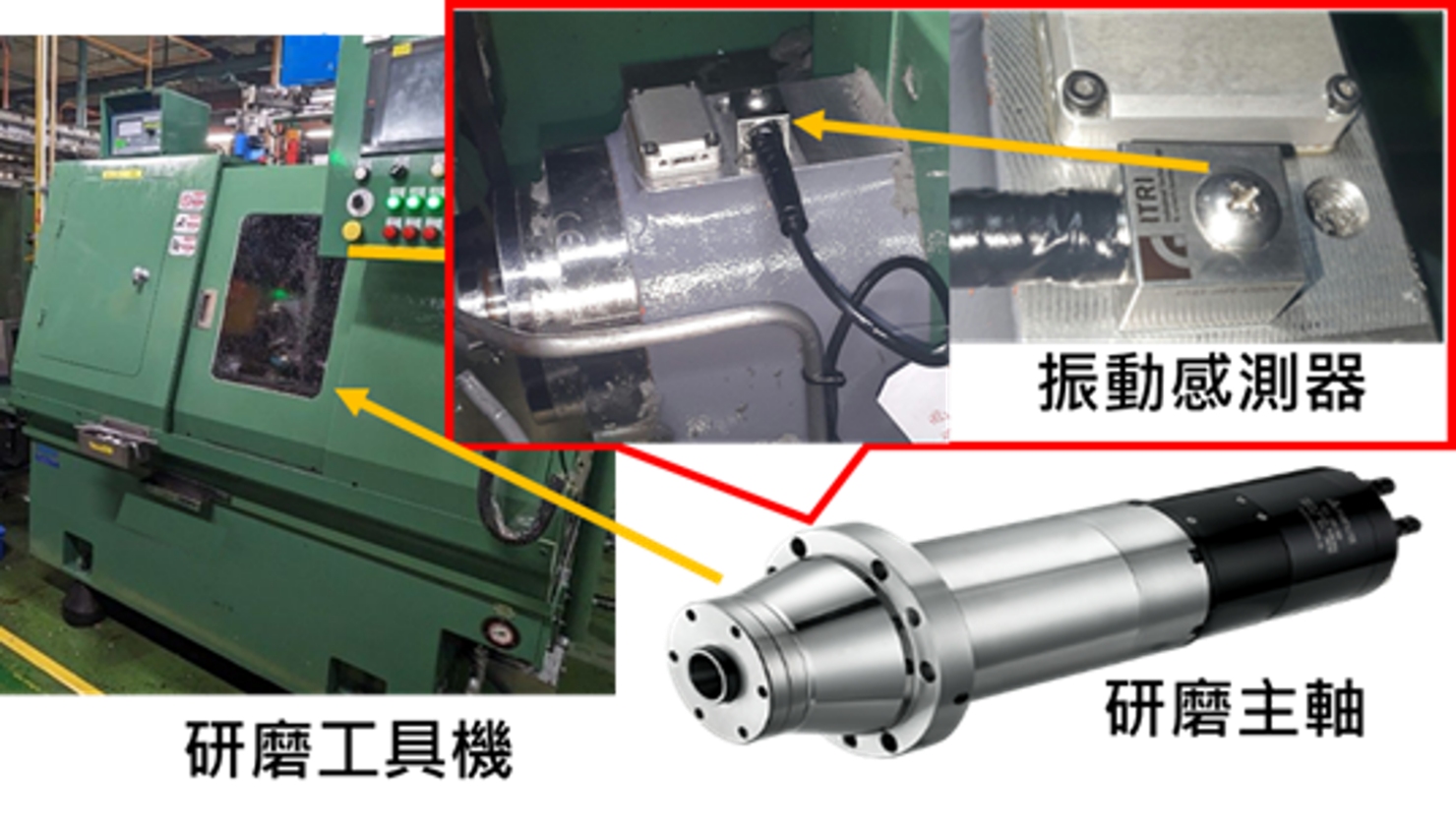
Innovation Economy | Life ApplicationThis solution integrates low-noise vibration sensors with edge computing technology into a single module. Through envelope spectrum analysis and signal filtering techniques, it extracts effective sensing signals to establish a bearing operation health index, enabling real-time monitoring of spindle bearing conditions. By analyzing signals from current, vibration, and non-contact sensors, a grinding process decision model is constructed to diagnose the grinding wheel condition in real time. Spindle Condition Monitoring:Establishes a bearing health index based on signal characteristics to ensure machining quality. Adaptive Control of the Grinding Spindle:Builds a grinding process decision-making model to diagnose the grinding wheel condition in real time, and adjusts grinding parameters through adaptive control to ensure overall process efficiency. the system enables real-time assessment of spindle health.
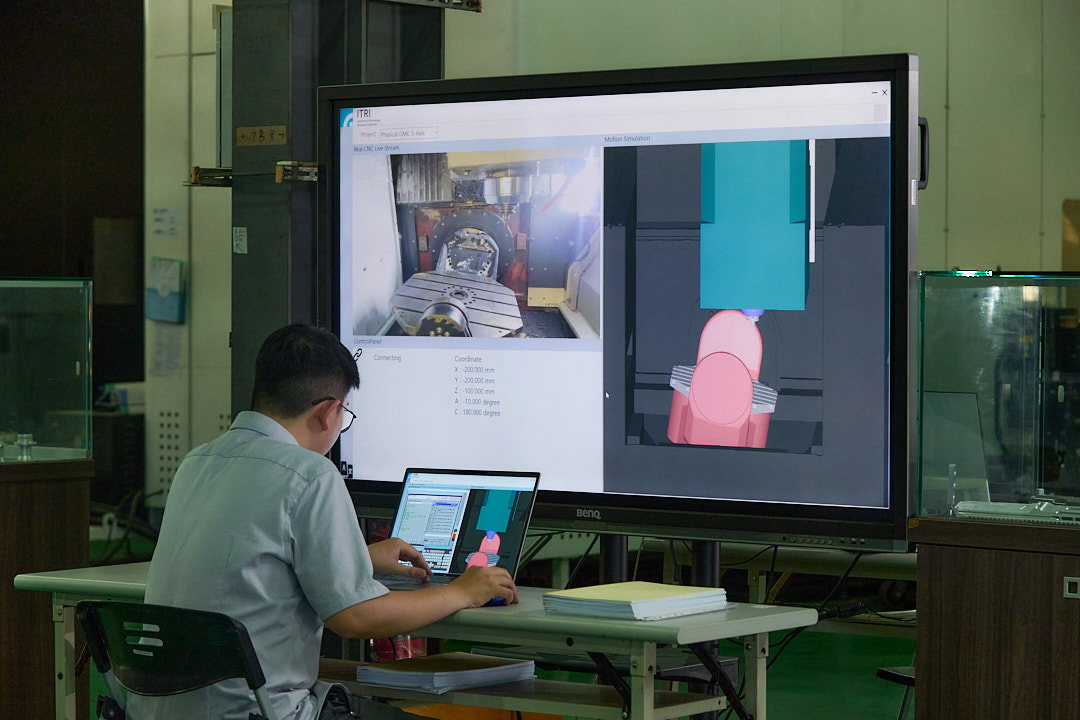
Innovation Economy | Machinery & SystemThe AI-driven digital twin platform for CNC machines integrates smart manufacturing technologies, supporting multi-brand controller simulation and various machine tool types. It enables real-time synchronization between physical and virtual machines. With AI, it offers spindle thermal displacement compensation and on-machine inertia estimation, optimizing servo parameters and improving machining accuracy. The system also imports 3D machining files, uses AI to recognize geometric features, and auto-generates NC programs with simulation and interference checks to streamline process planning.
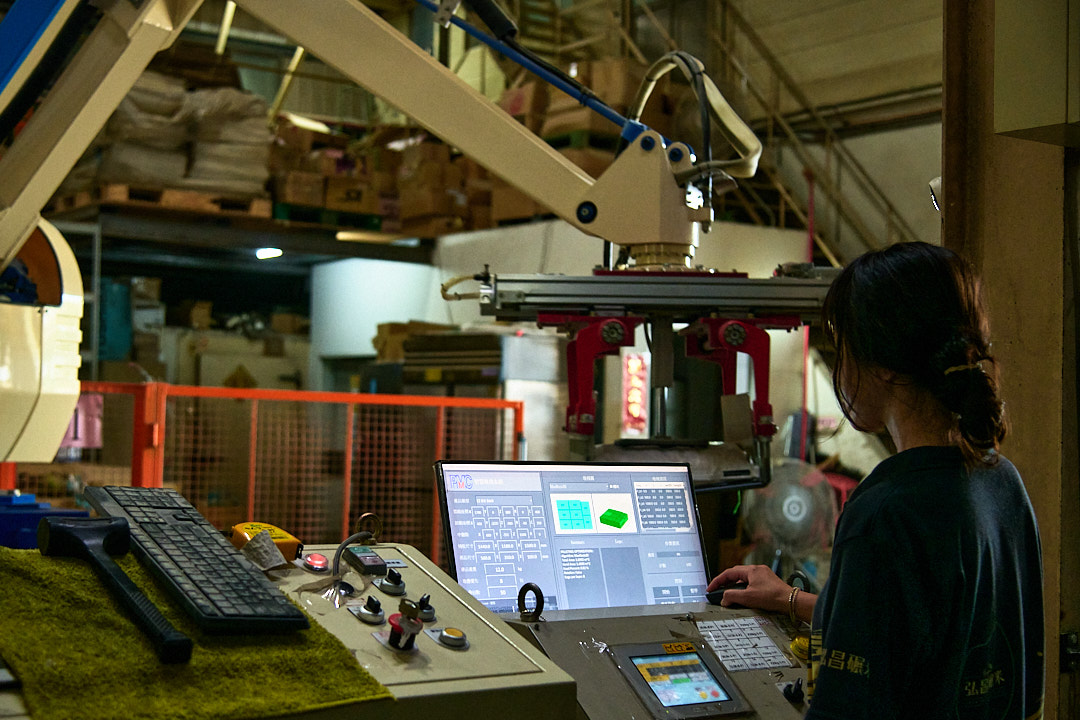
Innovation Economy | Information & Communications/Machinery & SystemThe Smart Palletizing Expert System replaces manual point-by-point teaching with a low-code, intuitive interface and built-in algorithms for instant stack point generation. Integrated with AI and ANN, it optimizes robot paths and reduces energy use by over 15%. The adaptive gripper handles varied sizes/weights, enhancing flexibility. Supporting major brands, it’s widely adopted in rice, carton, and fertilizer industries to ease labor and boost smart manufacturing.
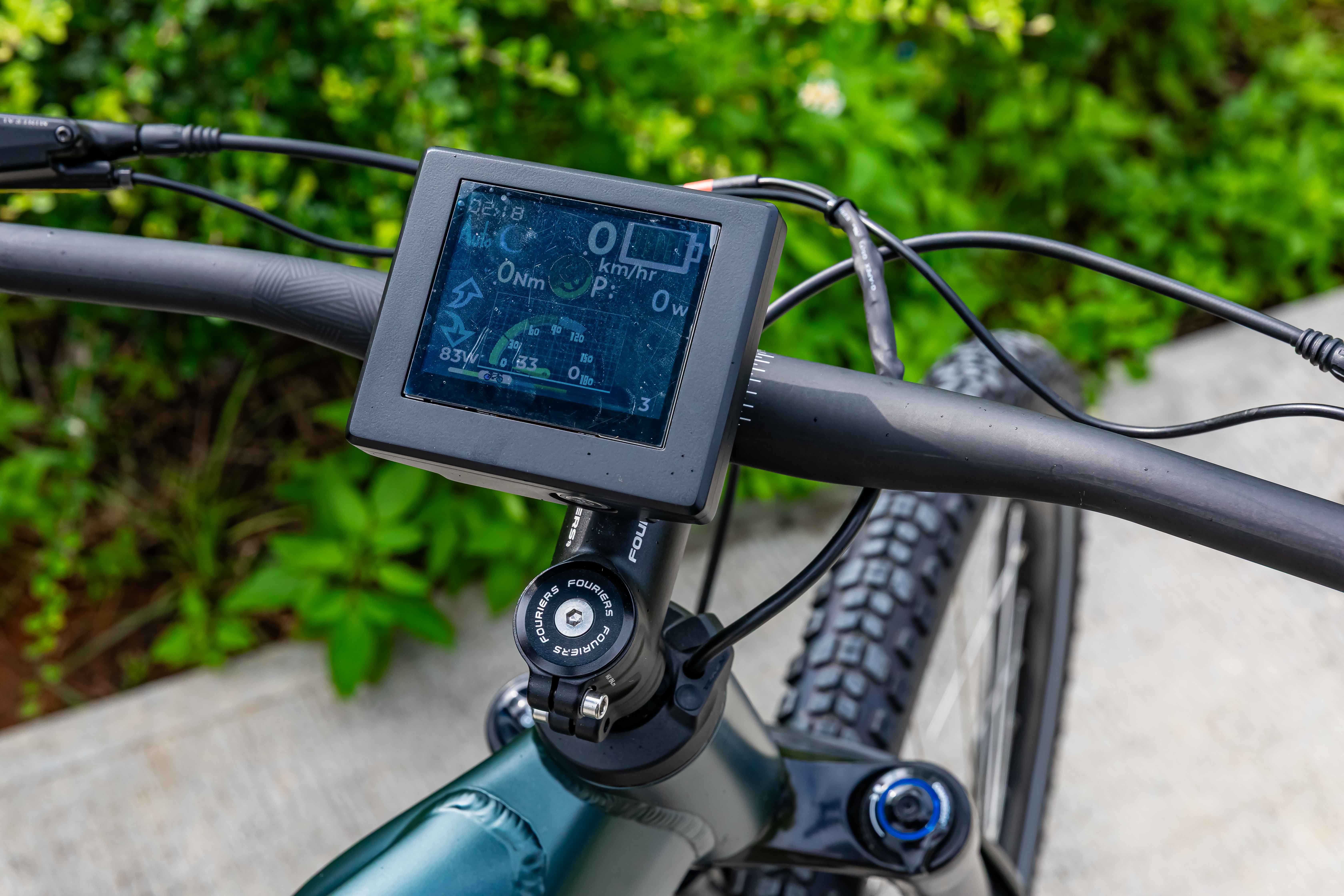
Innovation Economy | Machinery & System/AgricultureThis innovation combines cadence, power, and speed data to determine the optimal gear in real time, improving shifting efficiency by 50% and enhancing ride smoothness. With Model-Based Design (MBD), it also speeds up full-suspension frame development, cutting product development time by up to 75%. Beyond enabling smarter products, it’s projected to generate tens of millions in annual value and drive the e-bike industry toward higher value.
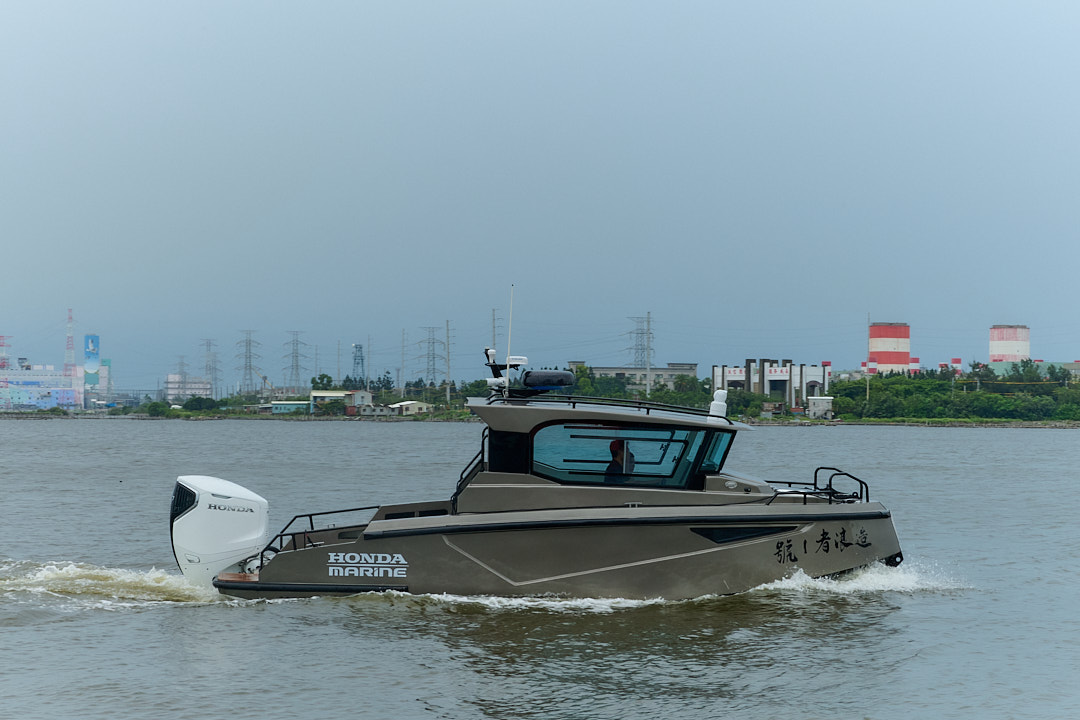
Innovation Economy | Life Application/Machinery & SystemThe AI Navigation Assistance System combines image recognition, radar, AIS, and AR to enhance maritime safety and decision-making. Certified by CR, it identifies 17 vessel types and predicts risks in poor visibility using visible-light and thermal imaging. Co-developed with Merit Lilin, it covers a 2-nautical-mile range and supports vessel recognition, harbor monitoring, and collision warnings. Already used on Kha Shing and Porrima vessels, it paves the way for autonomous ship monitoring and smart maritime operations.
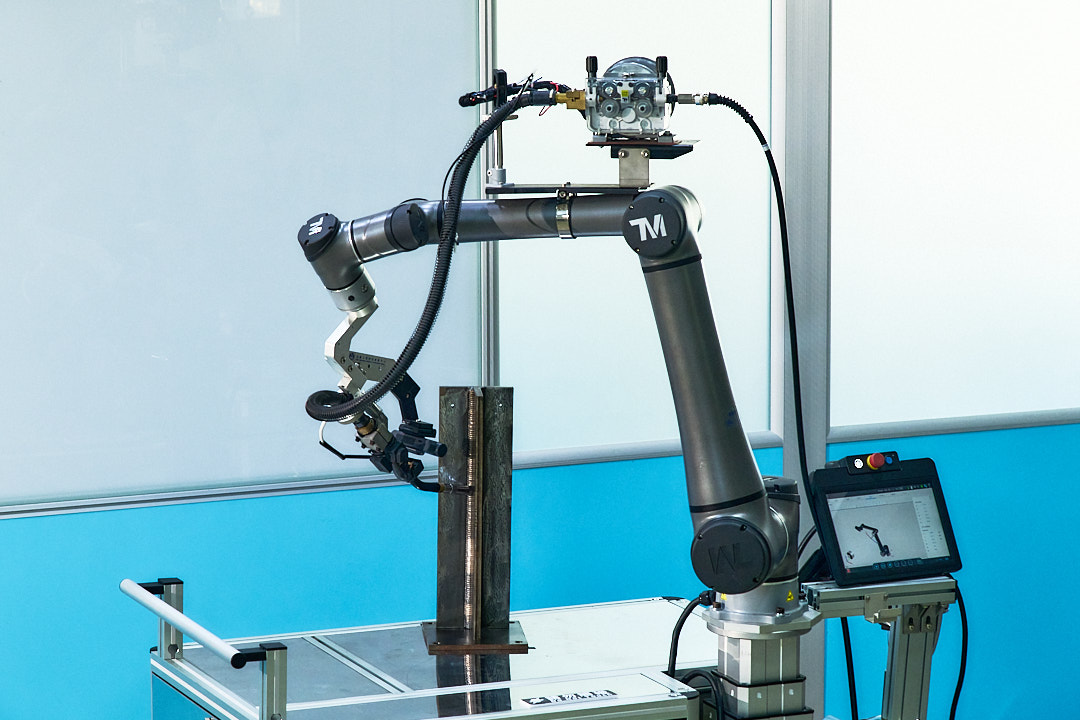
Innovation Economy | Life Application/Machinery & SystemIn response to the challenges of welding large metal structures, it is equipped with 3D laser coordinate generation and weld AI defect recognition technology to ensure the stability of multi-layer welding quality and reduce the number of thick plate repairs. It can not only adapt to operations in narrow spaces, but also support multi-machine synchronous operations, improve welding efficiency by 90%, and reduce equipment construction and operating costs by 60%, providing smart manufacturing solutions for aerospace, shipbuilding and infrastructure fields.
Innovation Economy | Machinery & SystemEZAMA AI Virtual Agent “AI Laoshifu” is a voice-based intelligent assistant designed to support real-time knowledge interaction. Using speech recognition and retrieval-augmented generation (RAG), it enables users to ask questions naturally and receive precise answers from internal content such as manuals or SOPs. The system is modular, multilingual, and easy to deploy without coding, making it highly adaptable for different training environments. With voice Q&A and context-aware responses, AI Laoshifu enhances learning efficiency and standardizes knowledge delivery across use cases. The EZAMA AI virtual assistant, "AI Master," is a voice-activated intelligent assistant. It leverages speech recognition and Retrieval-Augmented Generation (RAG) technology to enable users to ask questions naturally and receive precise answers from manuals or standard operating procedures (SOPs). It supports multiple languages, is easy to deploy, and requires no coding. It improves learning efficiency through voice Q&A and context-aware responses.
Innovation Economy | Machinery & SystemThis system enables even those with limited coding skills to create AI-based applications. It deeply integrates process parameters and quality correlation models to achieve production-level reliability with a false alarm rate of less than 0.1%. Combined with a modular licensing model, it enables small and medium-sized manufacturers to upgrade to smart inspection at one-third the cost of traditional AOI equipment. This system overcomes the bottleneck that hinders the industrialization of traditional AI: it integrates supervised classification and unsupervised anomaly detection to address the cost pain point of industrial data annotation. It achieves a 98% defect recognition accuracy with only 30 sets of samples. It can be directly connected to PLC or PC systems, seamlessly integrating with existing production lines, and requires only the computing power of a single graphics card.
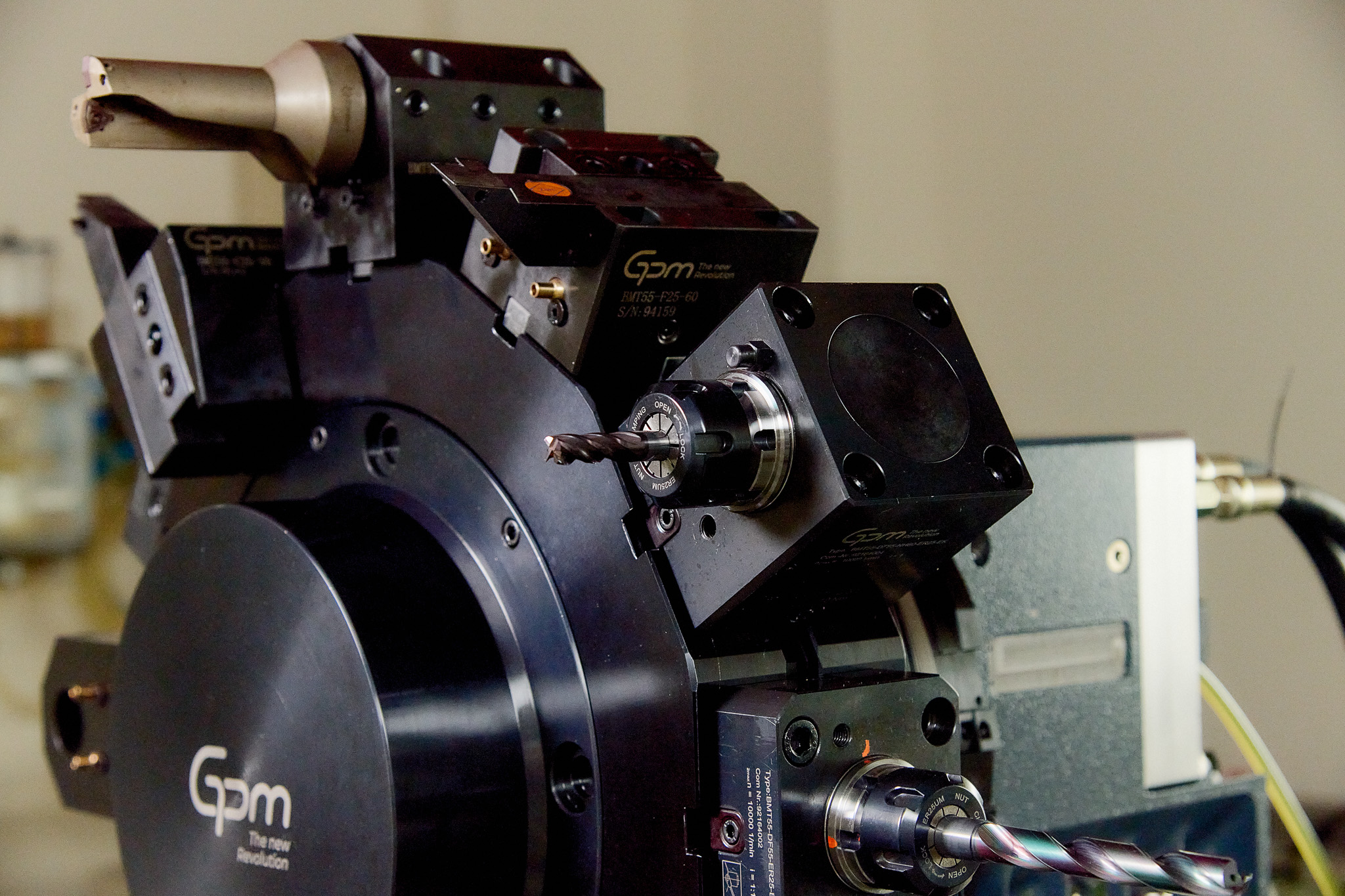
Innovation Economy | Machinery & SystemThe high-speed direct-drive power turret developed in this technology represents a comprehensive upgrade in both machining efficiency and precision. By adopting an integrated direct-drive motor design, it effectively replaces traditional gear-driven mechanisms, achieving superior motion performance including high rotational speed, low vibration, and high repeatability. It is well-suited for high-precision machining applications such as automotive components and critical bicycle parts, providing the manufacturing industry with a more efficient and intelligent solution.
Innovation Economy | Machinery & SystemPrecision drill bits are key components in the PCB micro-drilling process. Their quality directly affects the performance and durability of PCB boards. The intelligent detection system can improve real-time quality control and accuracy, reduce the risk of human error, and provide higher quality products. This module is based on non-contact machine vision inspection technology and combined with AI models. It is mainly used for precision drill bit inspection of key components in PCB micro-drilling process. It can quickly detect the quality of drill bits and help manufacturers improve production efficiency and control the quality of finished products.
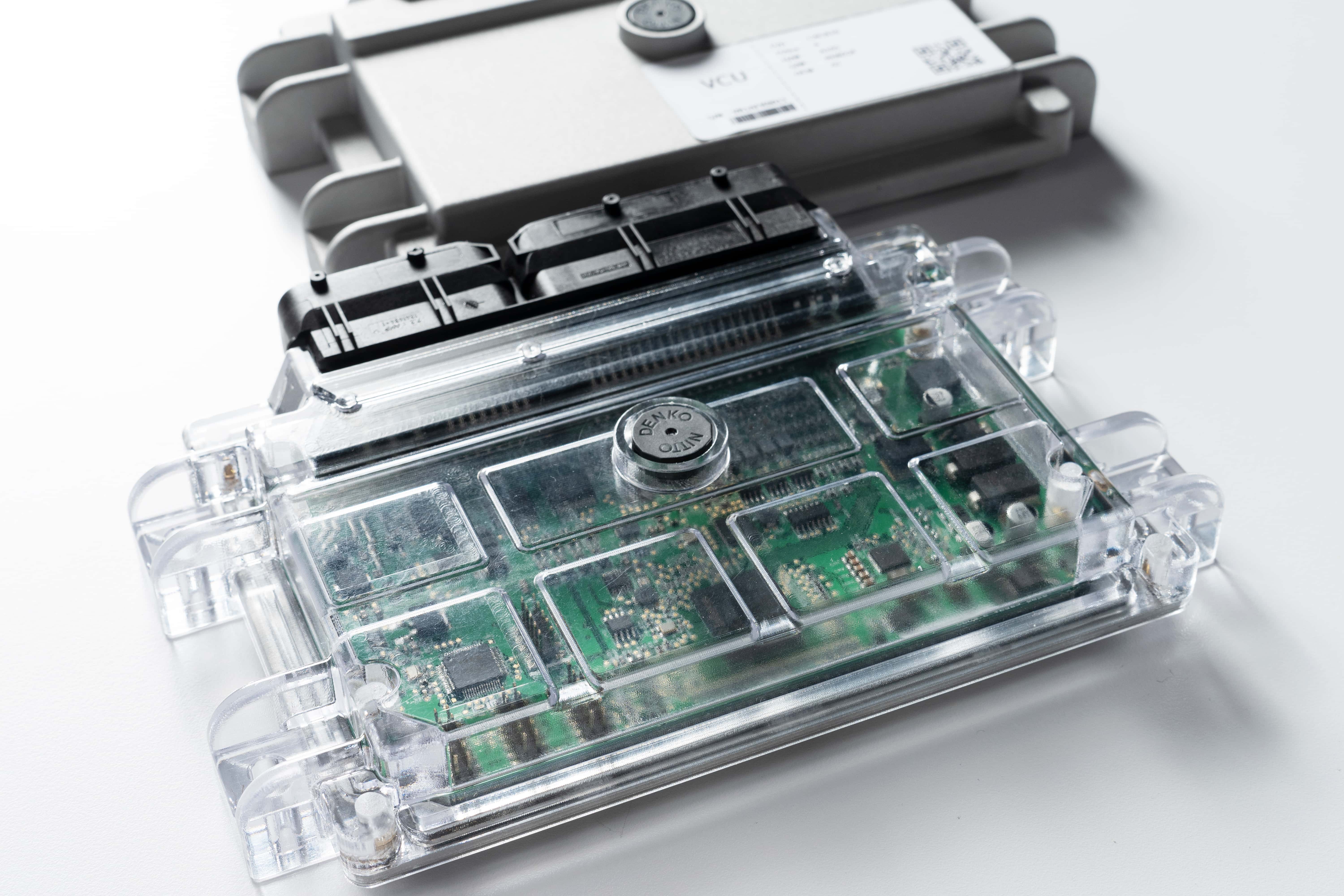
Innovation Economy | Machinery & SystemTechnology Overview: KopherBit is Taiwan’s pioneer to develop an AUTOSAR-compliant embedded platform. KopherBit helps small to mid-sized OEMs build ECUs faster and with fewer resources. KopherBit Universal Controller integrates automotive-grade hardware with in-house KopherOS, besed on KopherSAR middleware and a smart toolchain (KITE). With an open application layer, clients can flexibly develop their own VCU, BMS, or EVCC functions. Deployed in 70%+ of Taiwan’s e-buses, KopherBit Universal Controller now expands to Japan and Southeast Asia for sustainable mobility. Industrial Applications: Electric control is 1 of 3 important core technologies in EVs. KopherBit streamlines ECU development for electric control. KopherOS is an AUTOSAR-compliant OS, while KopherSAR handles communication, memory, and diagnostics, removing repetitive coding. With unified development environment integrated in one environment, accelerating VCU, BMS, and EVCC deployment.
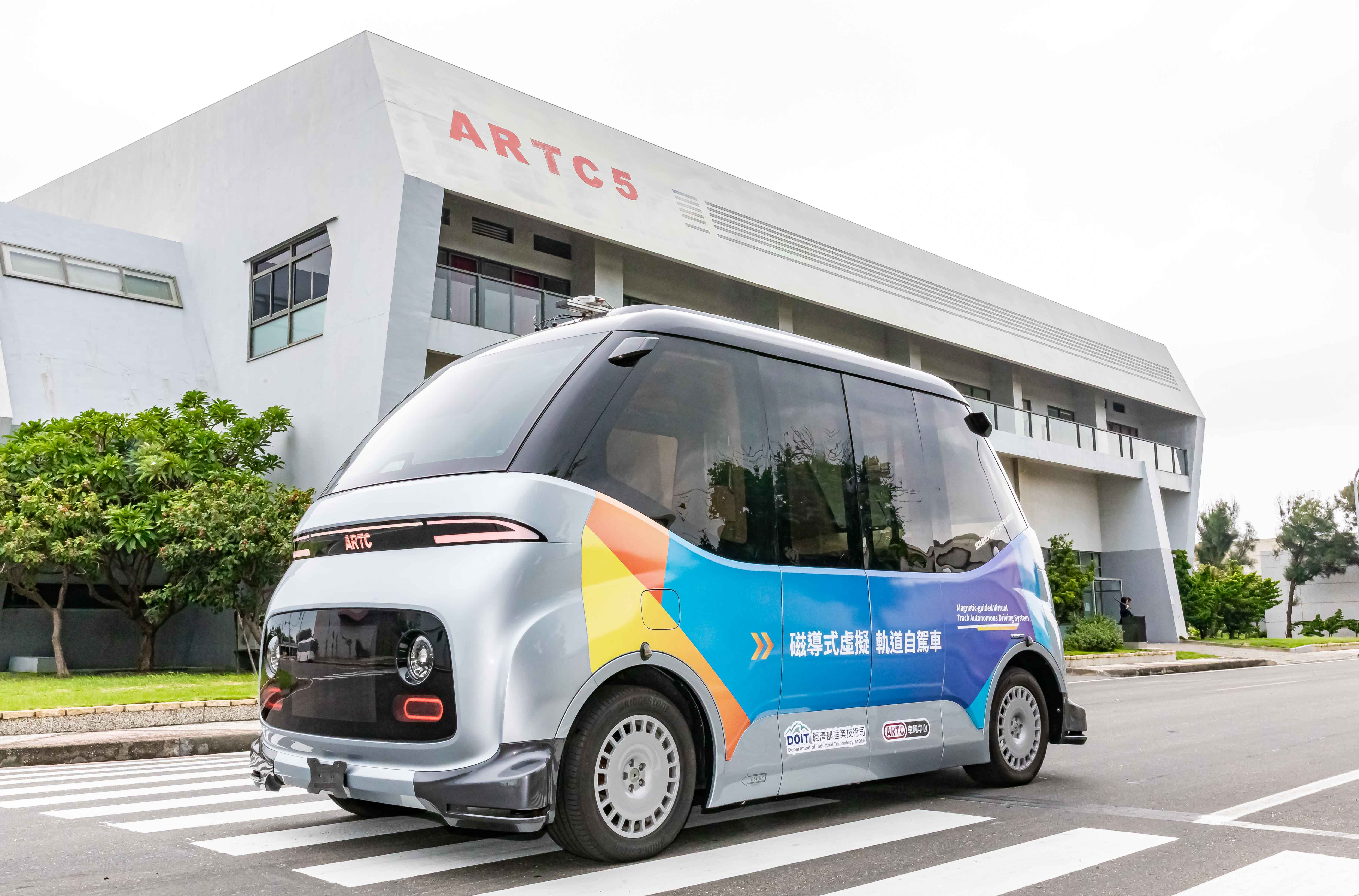
Innovation Economy | Machinery & SystemMagnetically guided virtual track autonomous driving is a trackless, metro-like system. It uses on-board magnetic sensors and RFID for high stability, all-weather public transport, offering a cost advantage (10% of rail, 30% of LiDAR AVs). It achieves centimeter-level positioning (straight error <10cm, docking accuracy<10cm) and won the AutoTech Breakthrough Award. ARTC has already established Taiwan's first virtual track demonstration site to promote industrial linkage and commercialization. Future applications include logistics in science parks and smart city public shuttles .
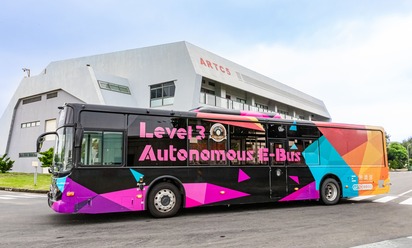
Innovation Economy | Machinery & SystemSAE Level 3 Intelligent Electric Bus won a 2025 Edison Award Bronze Medal, integrating three AI systems: •AI Driving: UN R157 compliant, it uses AI vision/radar for autonomous driving, offering cruise, lane keeping, changing, and obstacle avoidance. •AI Cockpit: Monitors driver; if unresponsive, automatically stops (minimal risk control). •AI Cybersecurity: UN R155/156 compliant, with V2X supporting OTA updates/security. This system, leveraging Taiwan's tech, promotes widespread use in city buses/logistics, easing driver load, boosting safety/efficiency, and enabling Level 3 commercialization.
Innovation Economy | Machinery & SystemComing soon!