

Hydrogen recovery from seawater electrolysis for fuel cell power generation
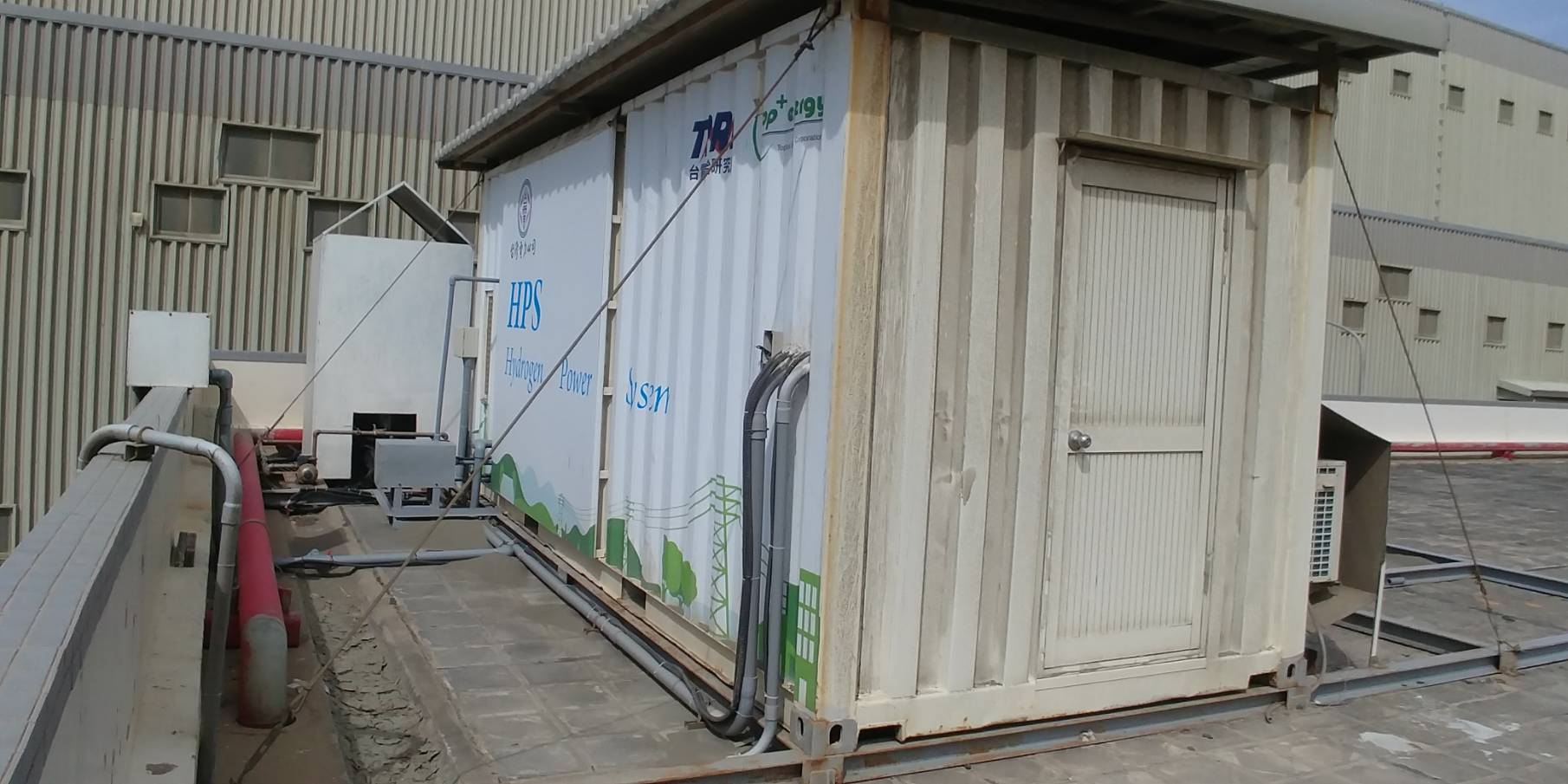
Thermal power plants in Taiwan use seawater electrolysis to produce chlorine to prevent marine organisms from being attached to circulating water cooling system, which produces hydrogen as a by-product. So far, the hydrogen is directly emitted into the atmosphere; however, it may be used as fuel source for fuel cell power generation system – a potential clean power generation technology.
According to the research results, the purity of hydrogen produced by seawater electrolysis is ≥ 50%, and the capacity is about 100m3/hr. However, a small number of gas impurities must be purified to avoid damage to the fuel cell system.
Based on the field measurements at a thermal power plant, after treatment and purification, the hydrogen from seawater electrolysis can be fed to a fuel cell for power generation. It is estimated that the entire seawater electrolysis at the thermal power plant has potential to be used for more than 100 kW fuel cell generation systems.
If the application can be realized and widely adopted by local thermal power plants, it will help advance power generation, reduce carbon emissions, and thus protect the environment.
Established on May 1, 1946, Taipower operates in generation, transmission, distribution, and the sale of electricity. According to the Electricity Act, Taipower is responsible for providing a stable electricity supply. Revenue from electricity sales accounted for 91.7% of the total revenue in 2023. As of 2023, the installed capacity in the Taipower System (including independent power producers) was 55.43 GW, consisting mainly of thermal power generation with hydroelectricity and renewable energy. In terms of transmission and distribution, Taipower's system has 622 substations, and its total length of power transmission lines reached 18,230.3 circuit kilometers while its total length of distribution lines reached 422,640 circuit kilometers in 2023.In response to the recent global trends toward sustainability and the development of future electricity markets, Taipower has promoted an organizational transformation. In January 2016, the Company established four business divisions: the Power Generation Division, the Nuclear Power Division, the Transmission System Division, and the Distribution and Service Division. Following the establishment of these divisions, the headquarters and business divisions adopted a policy of centralization and management decentralization, in an effort to transform from a government agency into a highly efficient enterprise. In the future, Taipower will continue to abide by the requirements of the Electricity Act and transform itself into a holding company with subsidiaries, which aims to promote market competition, enhance business operation efficiency, and promote corporate sustainability. This will allow Taipower to become a prestigious and world-class power utility group that provides its customers with services of the highest quality.
Name:Chang, Shu-Wei
Phone:
Address:No.242, Sec. 3, Roosevelt Rd., Zhongzheng District, Taipei City 100, Taiwan 10016
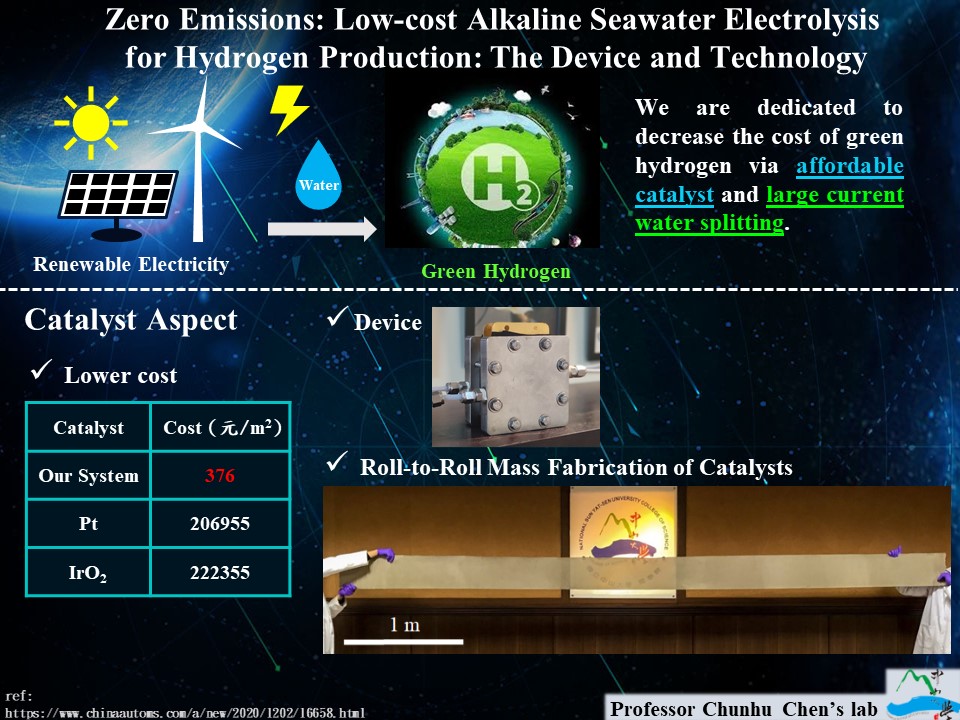
Zero Emissions: Low-cost Alkaline Seawater Electrolysis for Hydrogen Pro duction: The Device and Technology

Material Identification Method using Underwater Laser Energy Analysis for Offshore Wind Power Windmill Health Detection
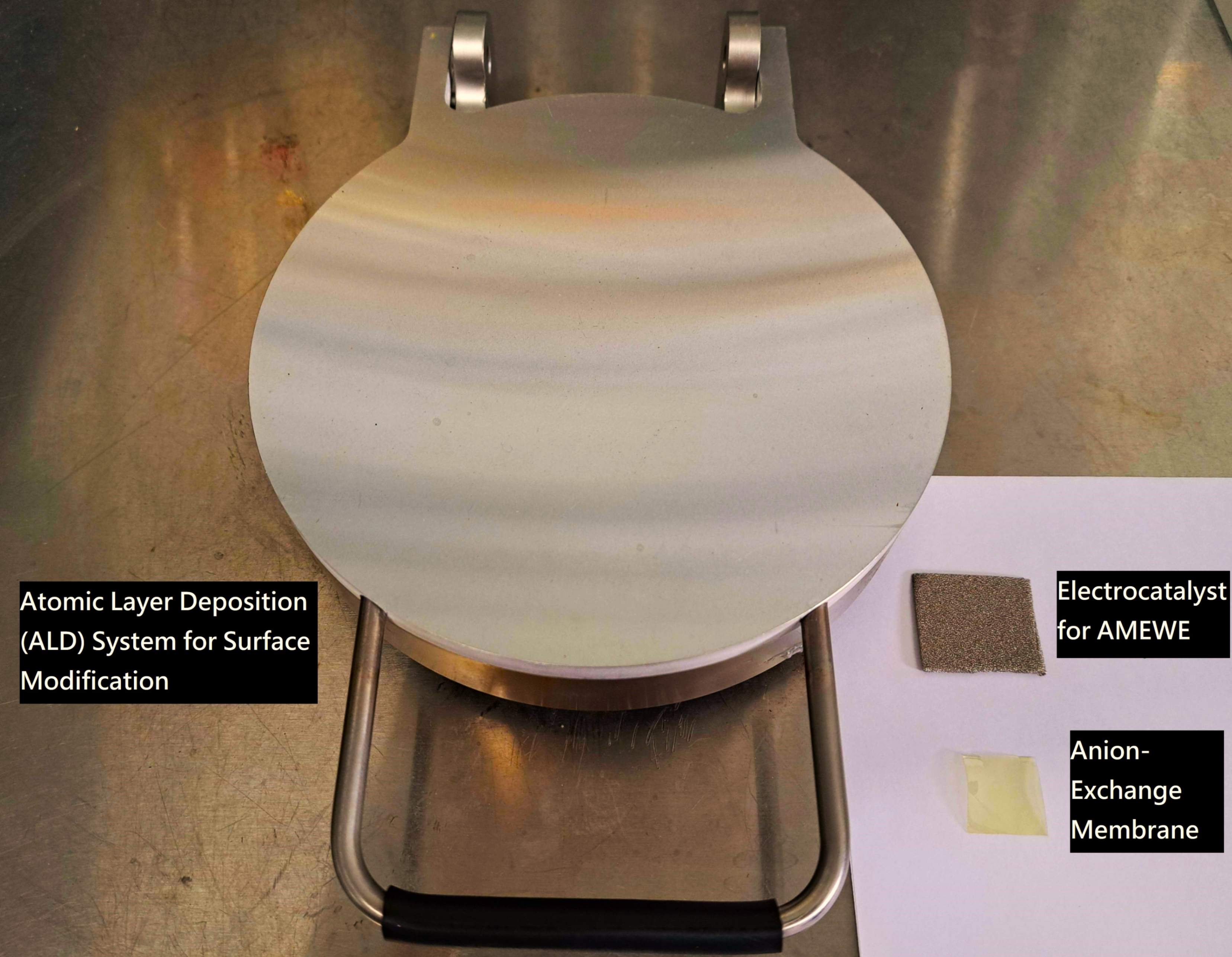
High practicality surface modification technology for enhancing hydrogen production via water electrolysis and solid-state hydrogen storage efficiency
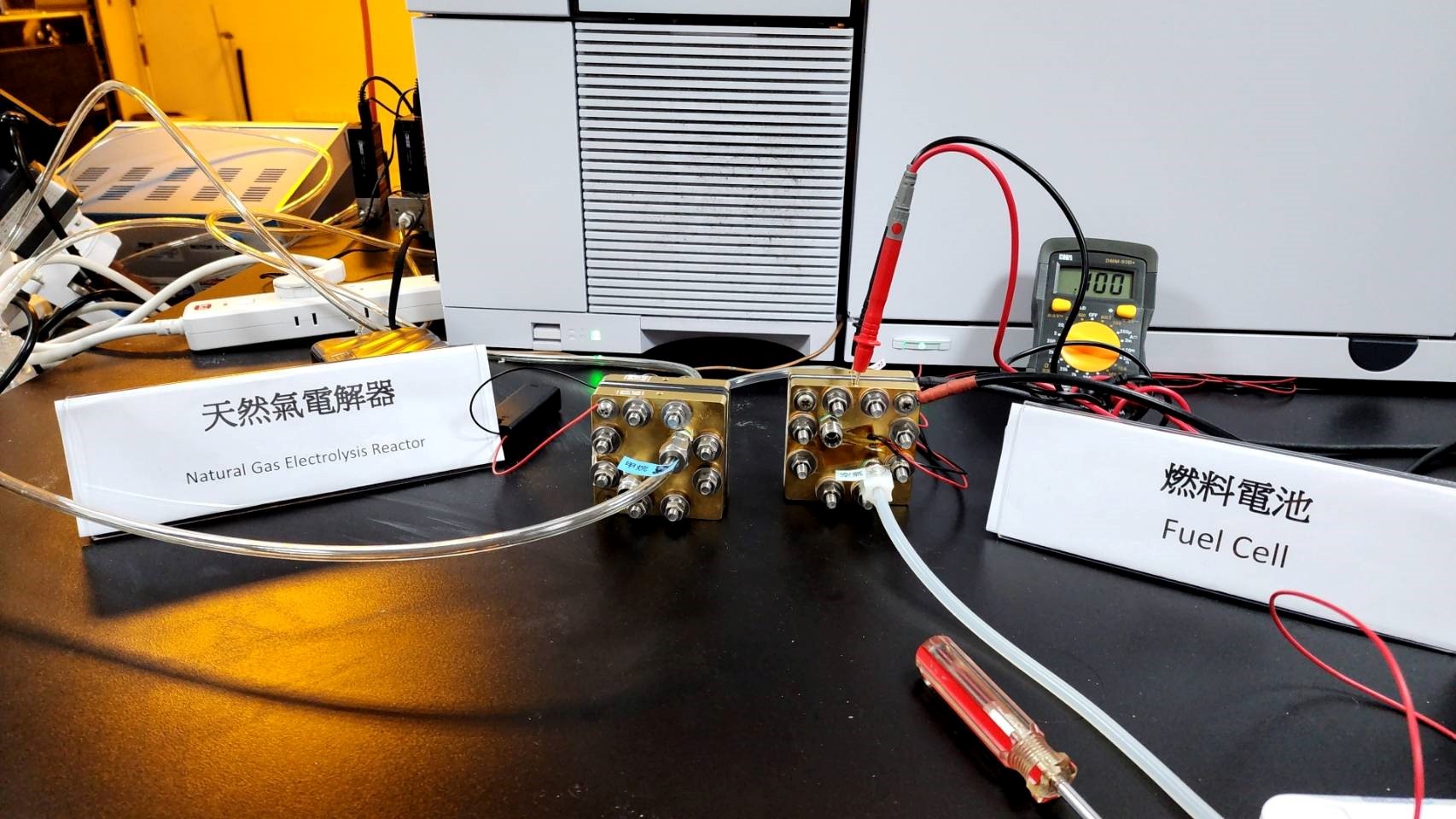
Non-precious metal catalysts driving advancements in natural gas electrolysis and fuel cell technologies
Technology maturity:Prototype
Exhibiting purpose:Display of scientific results
Trading preferences:Exclusive license/assignment、Technical license/cooperation、Negotiate by self
*Organization
*Name
*Phone
*Main Purpose
*Discuss Further
*Job Category
*Overall Rating
*Favorite Area
*Key Tech Focus
*Willing to Receive Updates?
Other Suggestions
Coming soon!