

Novel Autopilot Jet-Based Electrospinning for Fabricating Functional 3D Scaffolds for Tissue Engineering and Regenerative Medicine Applications
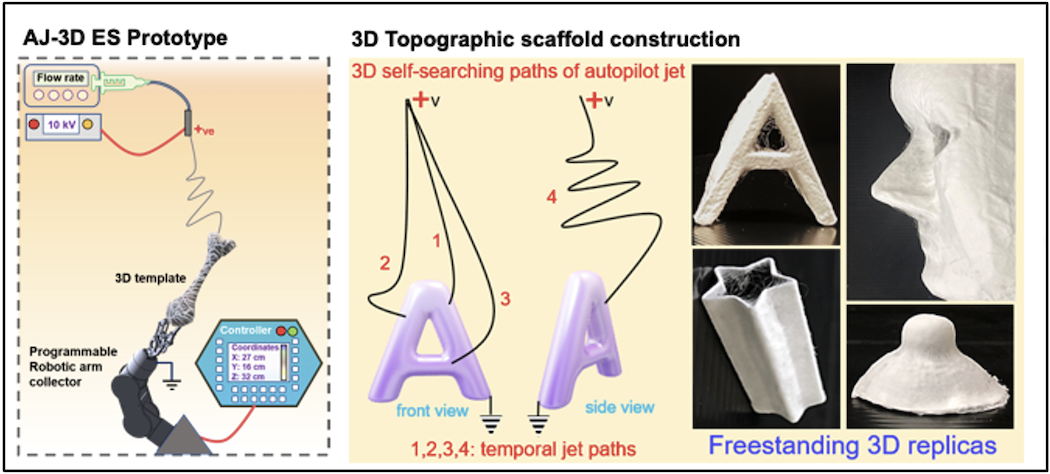
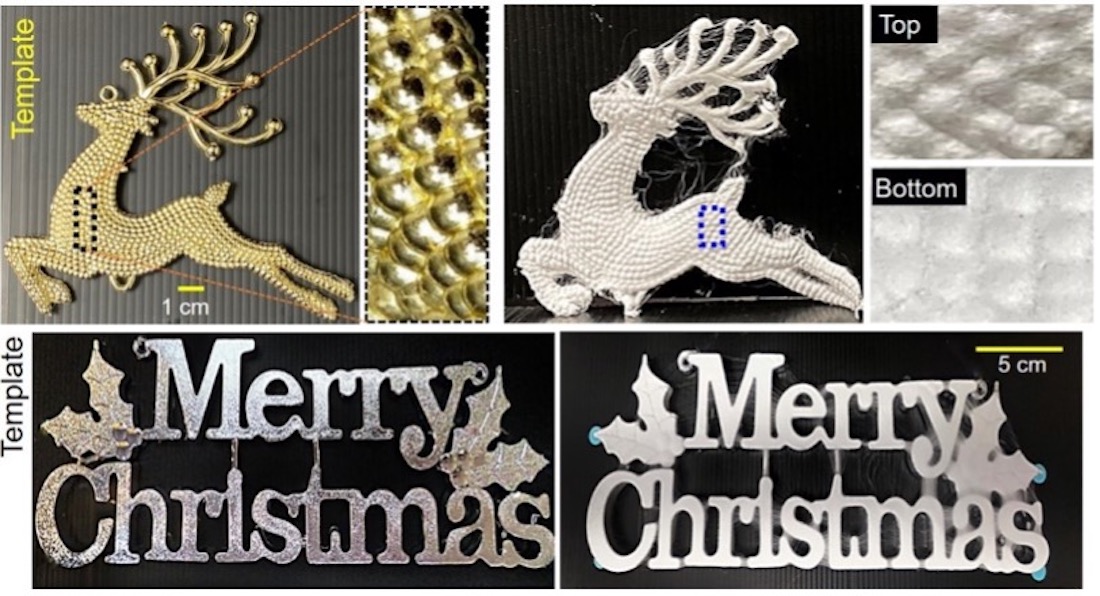
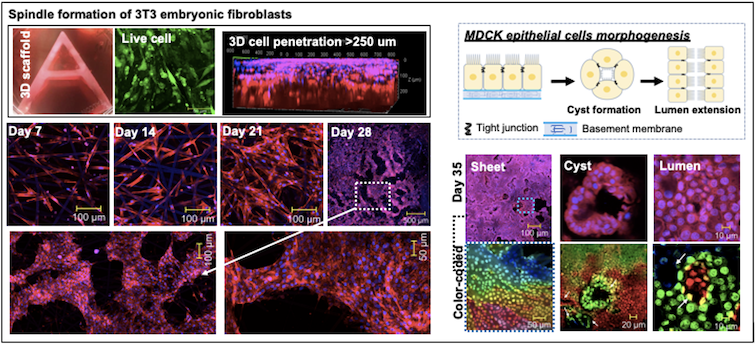
Tissue engineering (TE) and regenerative medicine aim to improve the quality of human life via fabricating functional scaffolds with tissue-specific physiology and anatomical resemblance that are able to replace, repair, or regenerate damaged tissues/organs, thereby restoring their essential functions. Conventional electrospinning technique (ES) can constructs ECM-mimicking nano/microfibrous scaffolds via electrical jet bending instabilities-driven random motion. Nevertheless, it hardly achieves 3D topographic scaffolds construction due to the complex jet-field interactions until our recent report on a novel "autopilot single jet (AJ)" phenomenon that gradually expands the fiber deposition area and thickness across given stationed-3D collectors conformally, resembling silkworm cocoon construction, as a result of the combination of rapid jet self-switching between two distinctive modes, namely microcantilever-like armed jet and whipping jet, and its exceptional 360⁰ self-3D field searching feature, which unprecedentedly produced functional organ-scale free-standing 3D topographic polycaprolactone (FDA-approved biocompatible and biodegradable PCL polymer) scaffolds, notably human face, female breast/nipple, and vascular graft shapes, with excellent shape memory, high porosity and stretchability. Conformal fiber deposition by AJ across the templates with higher level of complex geometries successfully achieved via manipulation of collector orientation to the writing tip, thus breaking similar electrostatic-affinity of AJ towards field-equivalent geometries, which, in turn, avoiding undue jet oscillations. The AJ process is also reproducible in horizontal setup, i.e., horizontal placement of writing tip and template, unaffected by gravity, which manifests its robustness. Thus, AJ-based "3D electrospinninde"monstrates striking potential to serve in broad spectrum of tissue engineering and regenerative medicine applications promised with high societal impact.
Founded in 1928, Academia Sinica has earned a reputation for being Taiwan’s national academic institution. Our statutory mission is to pursue research excellence, nurture academic talent, and issue policy advisories. Academia Sinica currently has 24 institutes and 9 research centers located in three research sections: the Mathematics and Physical Sciences Division, Life Sciences Division, and Division of Humanities and Social Sciences. There are currently over 8,000 research fellows, research technicians, assistants, and administrative staff, making it a rare research institution internationally that achieves a balanced development in both natural sciences and humanities and social sciences.
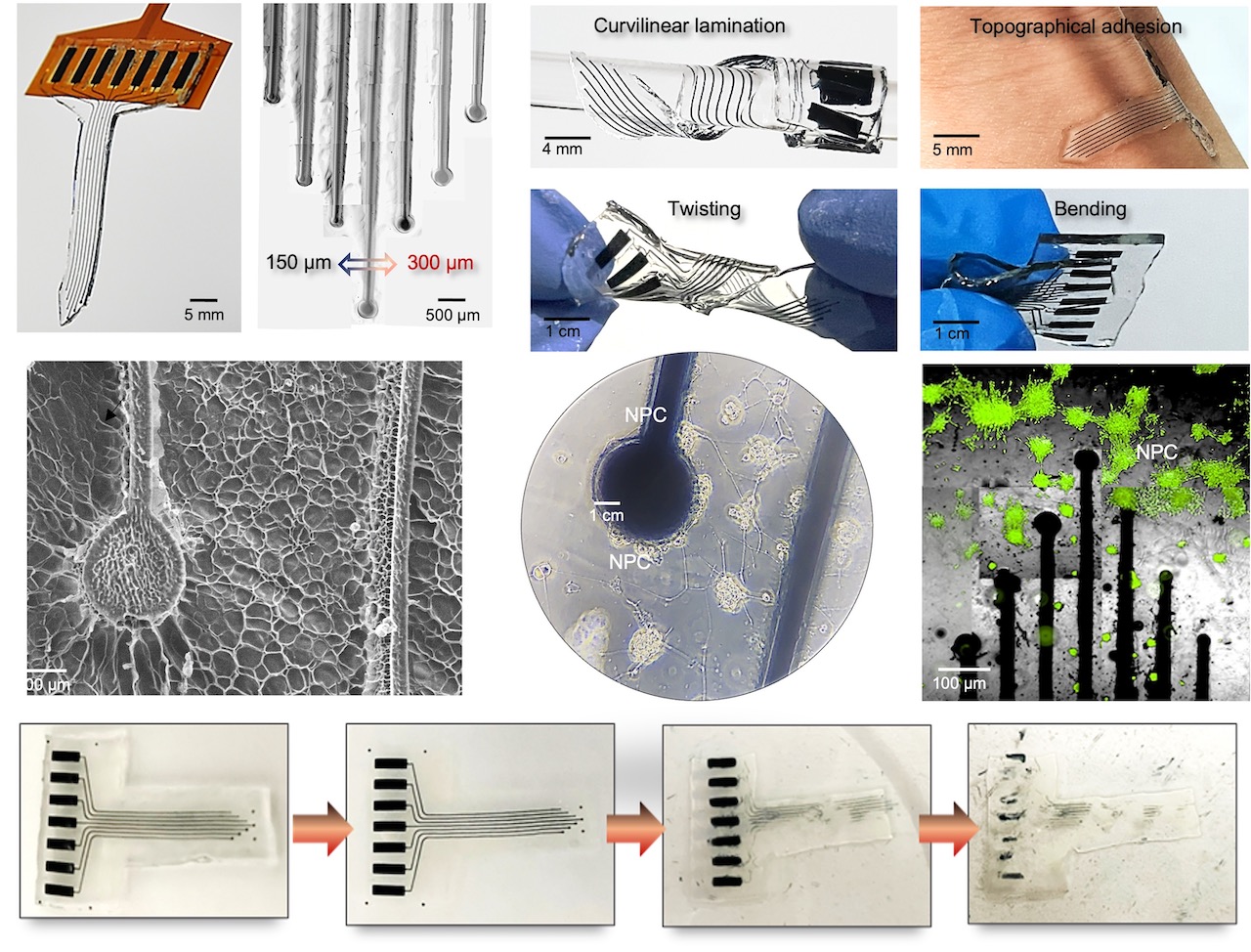
Degradable Implantable Flexible Microelectrode Patch with High-Resolution Electrical Stimulation, Electrophysiological Signal Sensing, and Cellular Regenerative Therapy
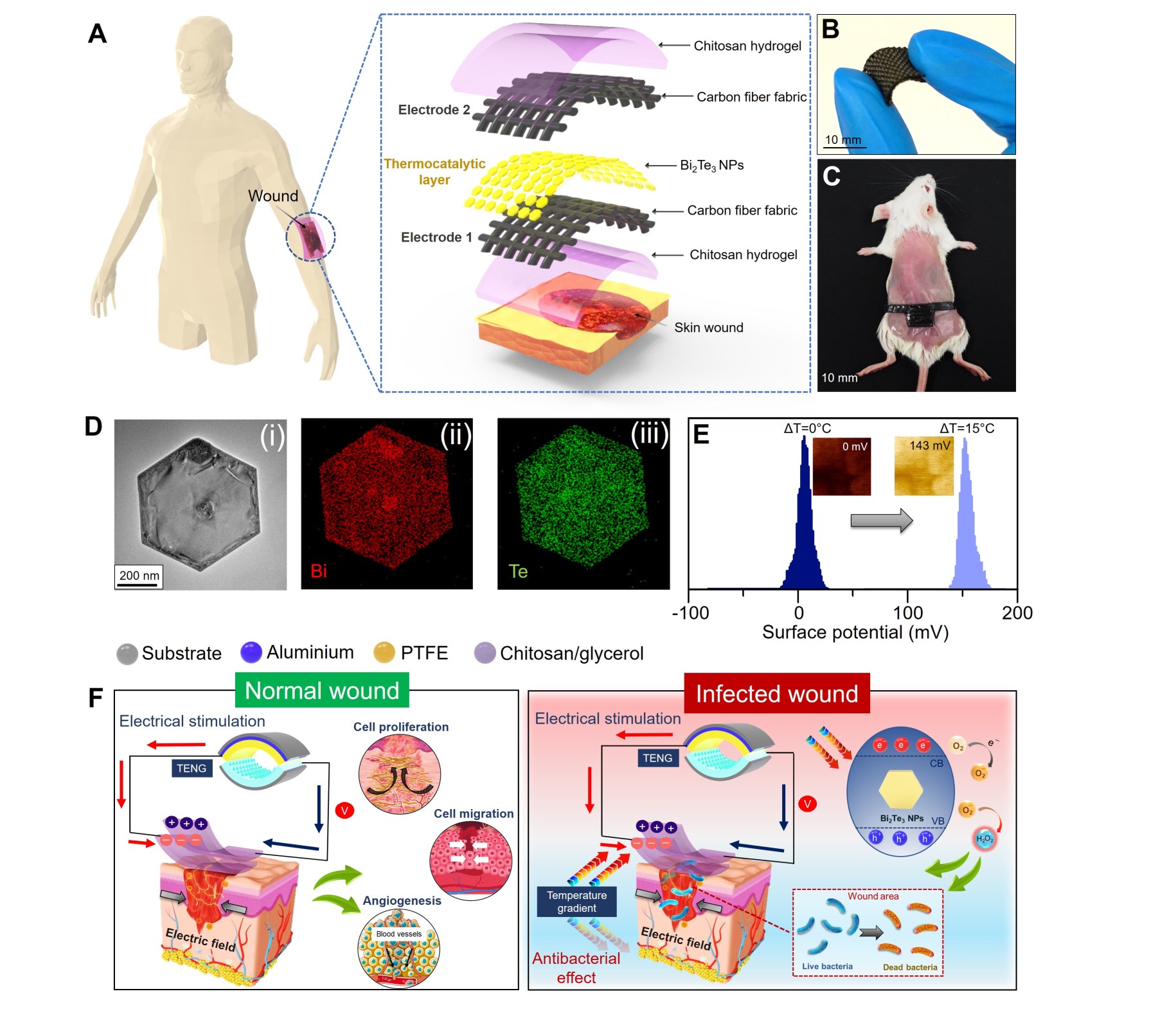
A Wearable and Self-powered Multifunctional Module for Active Infectio n Prevention, Accelerated Wound Healing and Noninvasive Healing Moni toring
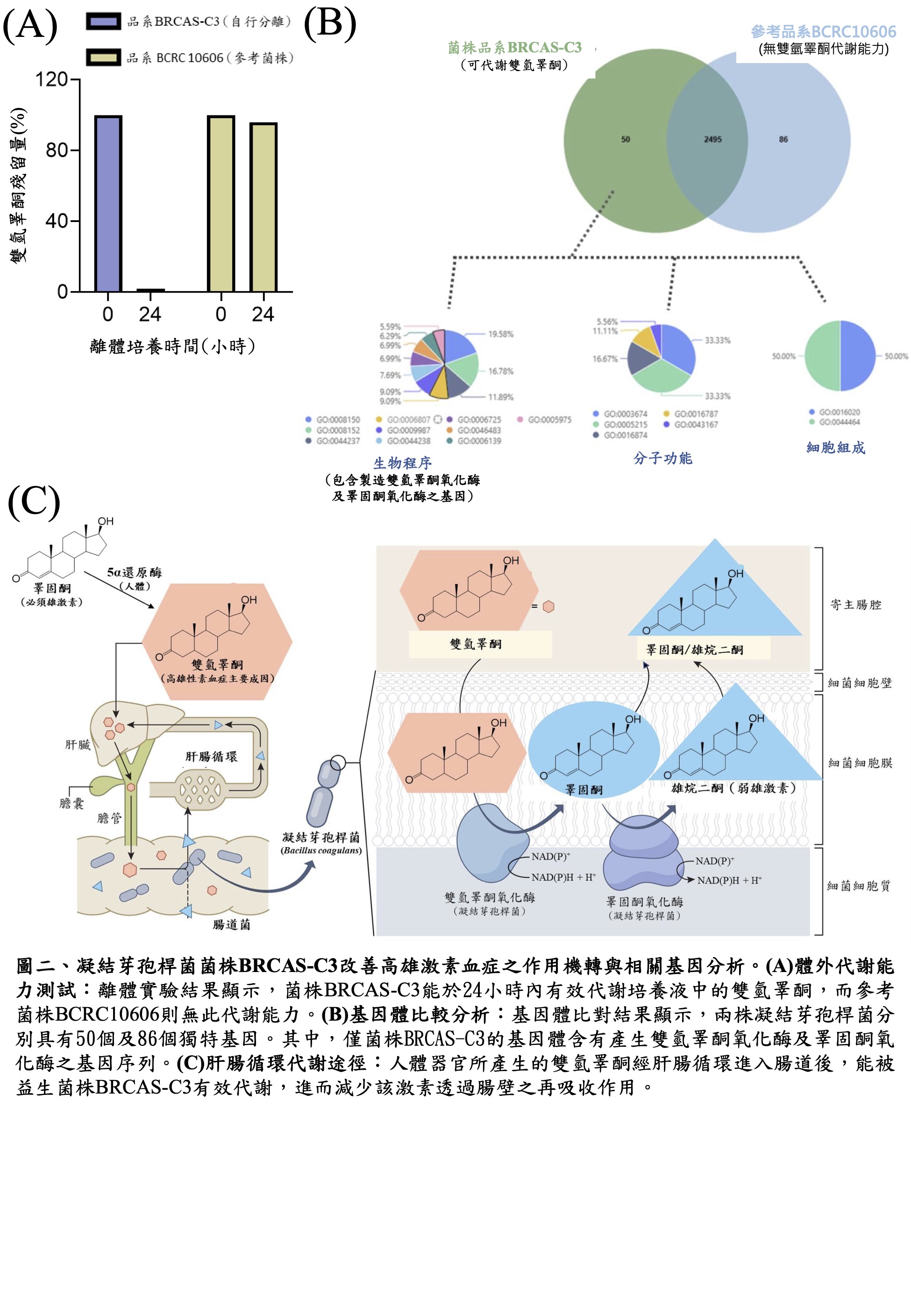
Innovative Development of Androgen-Metabolizing Probiotics: Functional Gut Microbiome Therapy for Hyperandrogenism Treatment
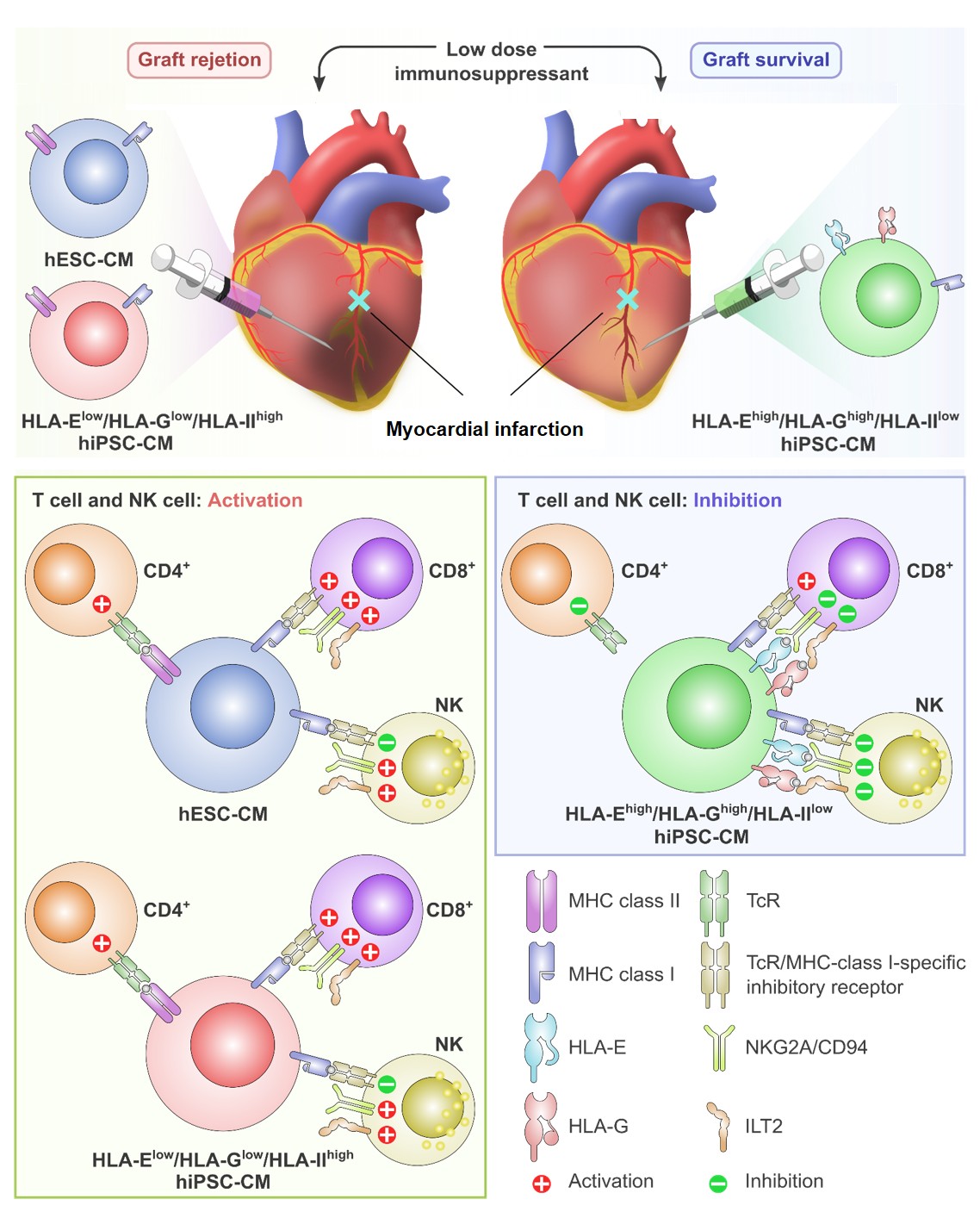
Universal Hypoimmunogenic Allogeneic iPSC Source Bank: Driving Industrialization and Clinical Breakthroughs in Regenerative Medicine
Technology maturity:Prototype
Exhibiting purpose:Display of scientific results
Trading preferences:Negotiate by self
*Organization
*Name
*Phone
*Main Purpose
*Discuss Further
*Job Category
*Overall Rating
*Favorite Area
*Key Tech Focus
*Willing to Receive Updates?
Other Suggestions
Coming soon!