Select Field
Select Ministry
19 results
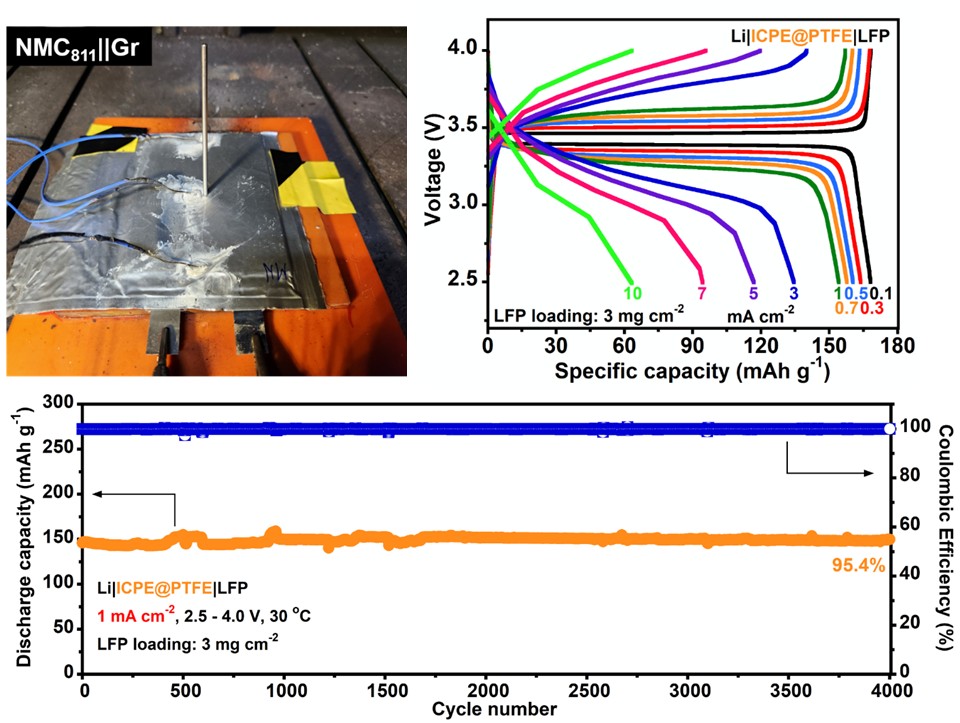
Technology Introduction: Developing composite solid electrolytes, taking into account the optimization of the interface between the positive and negative electrodes, to produce high-voltage, high-safety, and long-life solid-state batteries, and developing a management chip system for multi-cell solid-state batteries Industry Applicability: With the advent of the AI era, cloud computing is gradually expanding to edge computing devices. Providing reliable energy technologies for edge computing requires both high performance and safety. Through comparative nail penetration tests using lithium-ion batteries assembled with different electrolytes, the results of this project have outperformed international competitors. It is also the only NMC811 lithium battery in Taiwan to have passed the nail penetration test. Due to the enhanced safety, increased energy density, and extended lifespan of the composite solid-state battery technology, it has already attracted collaboration from industries such as AI edge computing devices, drones, and robotics.
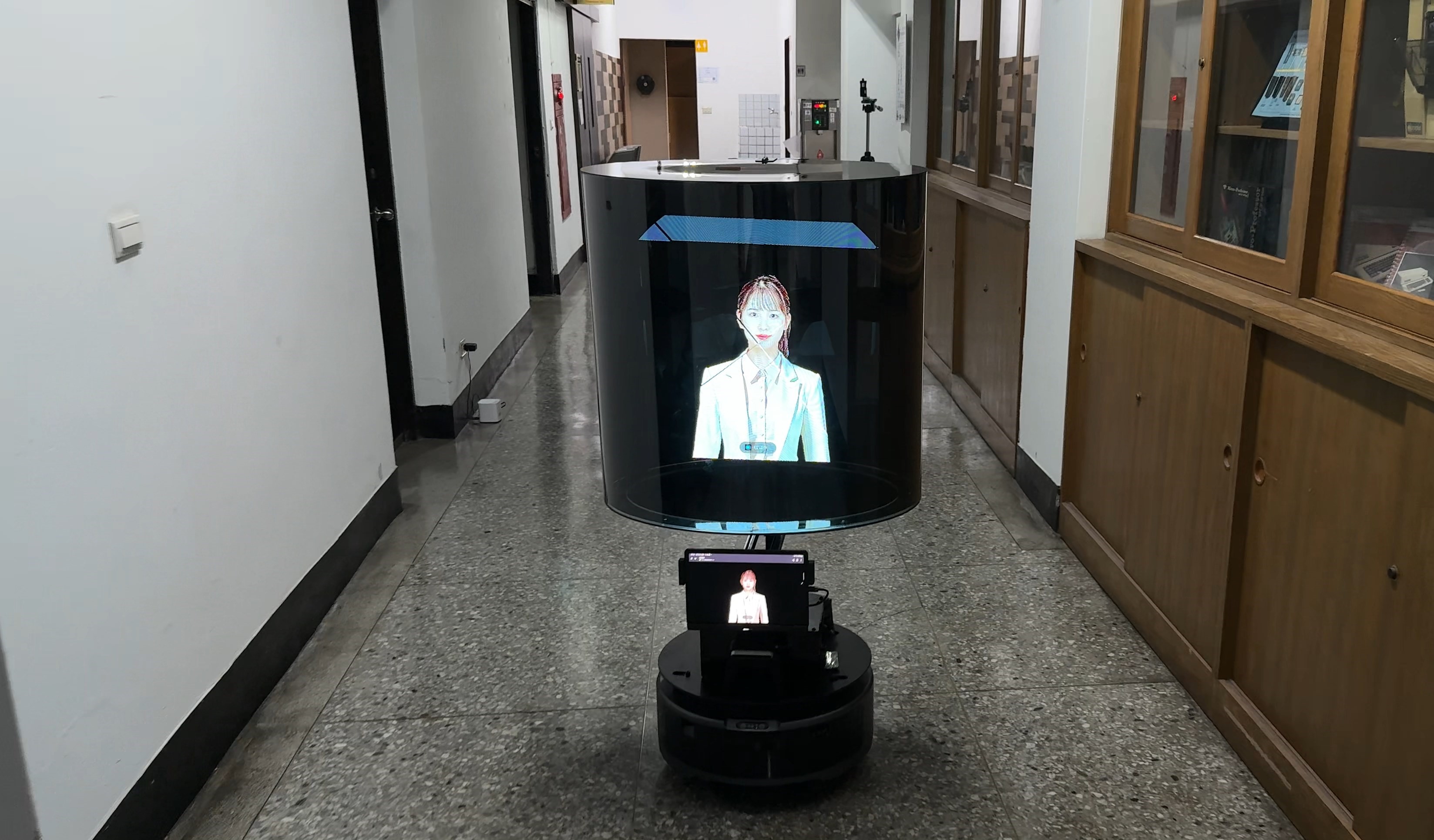
Future Tech | Machinery & SystemOur AI virtual human health education system works by integrating AI and physical robots in phases to strengthen patient care and support medical staff in end-of-life care institutions. Our AI system uses natural, conversational Q&A to deliver health education. Furthermore, its autonomous navigation and holographic projection of a virtual human add a sense of technology and interactivity to the educational process.
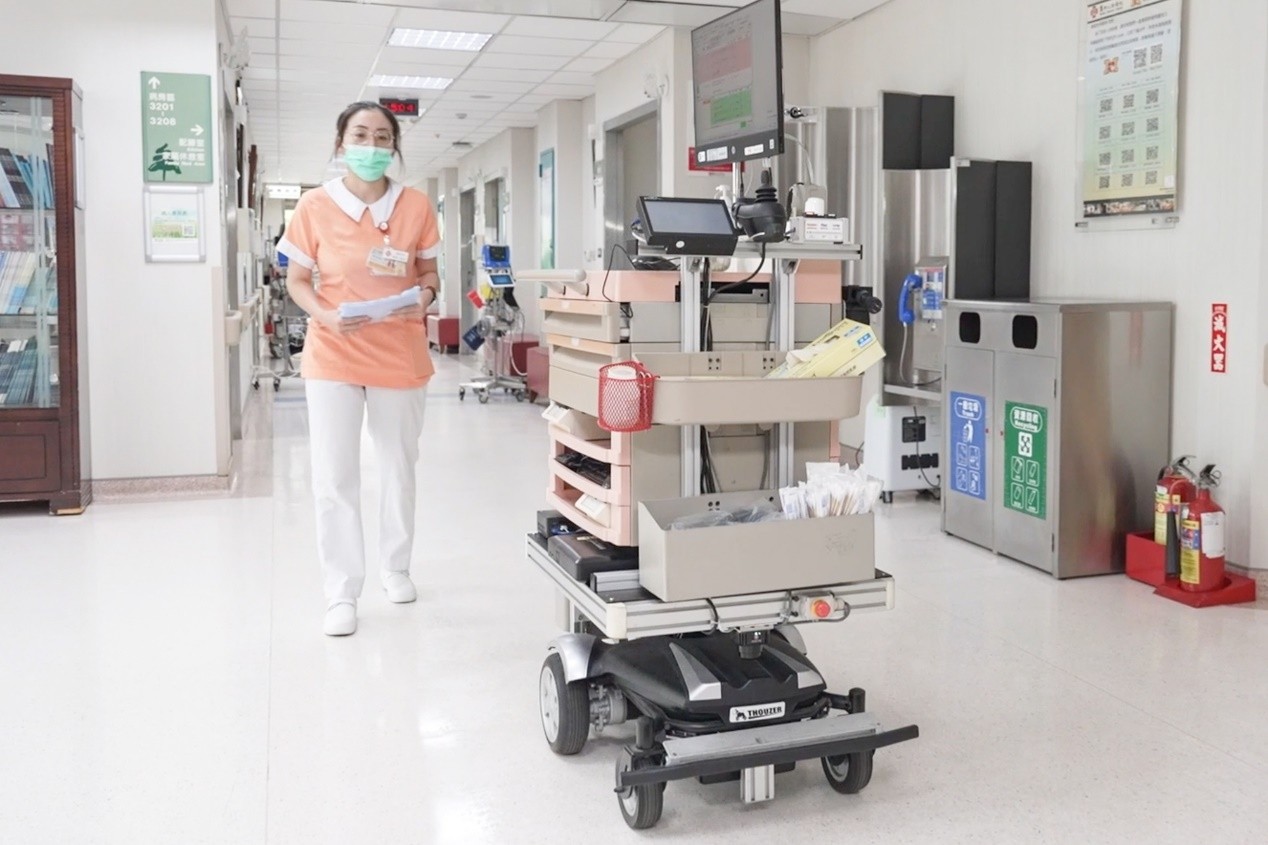
Future Tech | Machinery & SystemTechnology Introduction: Our team has developed an intelligent care platform that leverages autonomous navigation, voice recognition, and AI analysis to help nurses reduce physical strain, improve care efficiency, and enhance the quality of patient care. This nursing cart can navigate independently, record information via voice input, and learn and remember routes. This reduces the workload of carrying items and handling paperwork, allowing nurses to focus more on direct patient care. Industry Applicability: Our team's autonomous navigation system does not require engineers to create complex maps. The system automatically memorizes and reproduces the path, allowing for quick deployment and flexible application in various environments. This significantly enhances the convenience and immediacy of care processes. Additionally, we have developed a dedicated nursing voice input app. Nurses can use their voice to record notes, and the system automatically transcribes and saves the information, enabling them to complete handovers and data verification quickly.
Future Tech | Machinery & SystemTechnology Introduction: This project develops a bipedal humanoid robot (160 cm in height), equipped with 44 actuators and integrated with various sensor modules, including stereo vision, an inertial measurement unit (IMU), and a RealSense camera. Featuring 14-DOF dual arms and dexterous biomimetic hands, the robot is combined with advanced AI technologies to demonstrate high potential and practical value in future application domains such as food service and logistics. Industry Applicability: The robot features dual arms with 14 degrees of freedom and dexterous biomimetic hands, integrated with stereo vision and AI. It performs precise object grasping with adaptive force control, handling items of varied shapes and materials. Suitable for restaurants (item placement, delivery) and logistics (handling, sorting, picking), it shows strong practicality and industrial potential in smart dining and automated logistics.
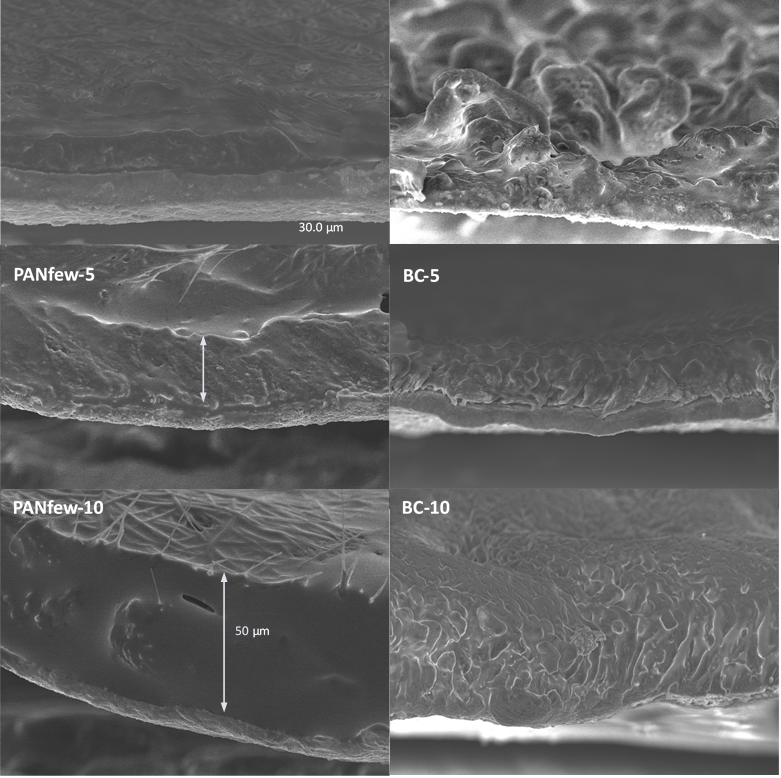
Future Tech | Machinery & SystemTechnology Introduction: The closed-pore structure can be tuned by carbonization temperature, enabling a reversible low-potential plateau that boosts lithium-ion battery capacity while maintaining cycling stability. Electrospun PAN protective layers, optimized via the electrospinning voltage control, improve the lithium-ion transport and deposit uniformity. The high-entropy ionic liquid shows excellent compatibility with NMC811 and Si–C electrodes, significantly enhancing the battery safety. The performance of these materials can be evaluated in the small pouch cell. Industry Applicability: Li-ion batteries of the next generation, high-performance Na-ion batteries, Li-ion capacitors, and Na-ion capacitors for the battery back unit (BBU) in the AI servers.
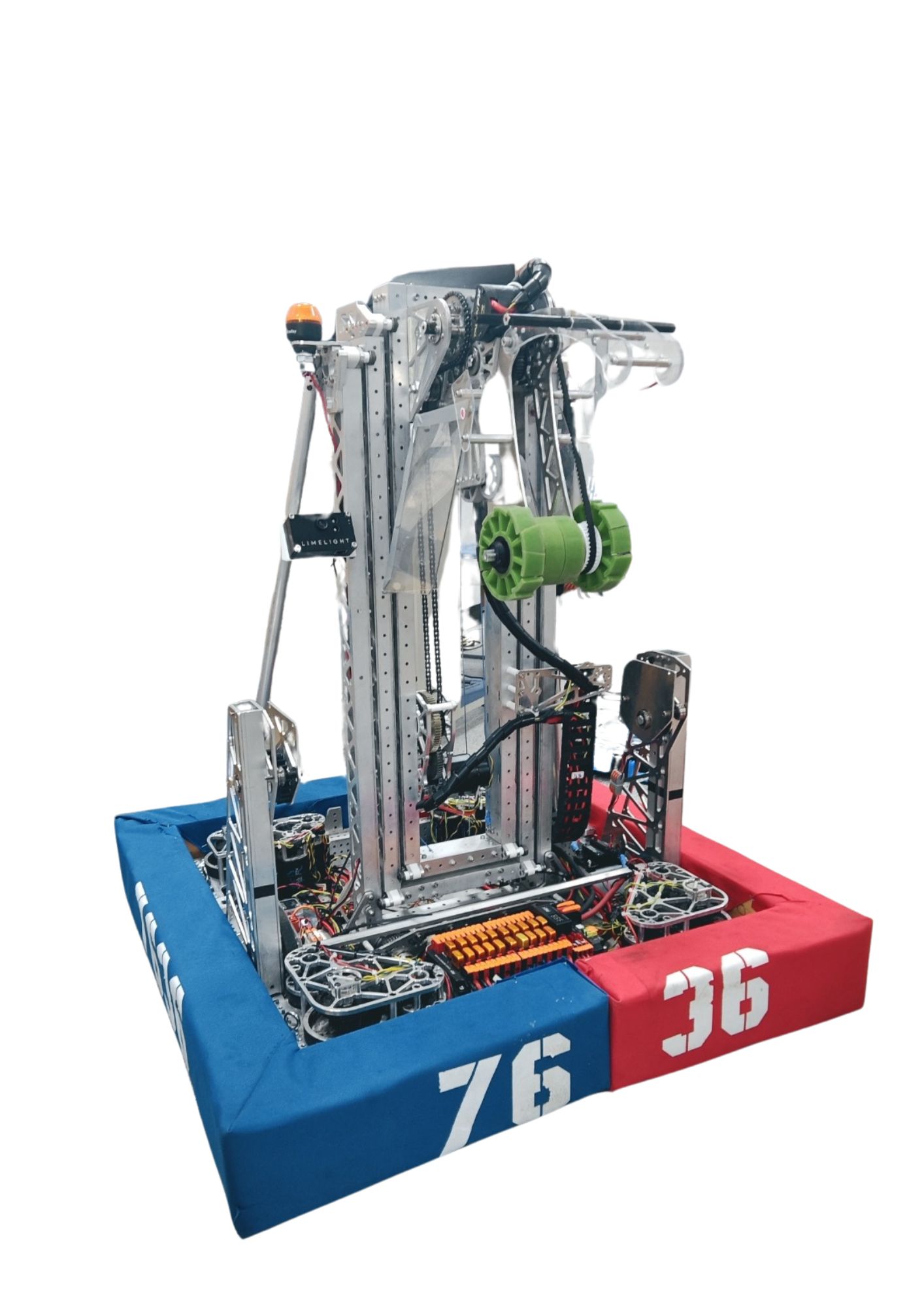
Future Tech | Machinery & System●Team Introduction FRC Team #7636 Robomania was founded in 2018. Since then, we have participated in multiple competitions, demonstrating the core values of FIRST: Coopertition, Respect, and Understanding. Our team number, 7636, indicates that we are the 7,636th team registered worldwide. The name “Robomania” represents a group of students passionate about robotics. The team is composed of enthusiastic students from central Taiwan, voluntarily formed at the National Experimental High School at Central Taiwan Science Park, representing the school in FRC competitions. ●Season Robot This season’s robot is named Riptide, consisting of five major components. The chassis is responsible for driving the robot. The sliding rail elevator has three adjustable levels equipped with a camera. The intake system is used to acquire game pieces. The climbing system, designed with hooks and assisted alignment, allows a “one-way in, no way out” mechanism for secure attachment. ●Team Structure The team is divided into three main groups: Strategy, Electrical, and Mechanical. Strategy Group: responsible for strategy, public relations, and administration. Electrical Group: responsible for circuitry and programming. Mechanical Group: responsible for CAD design, machining, and assembly.
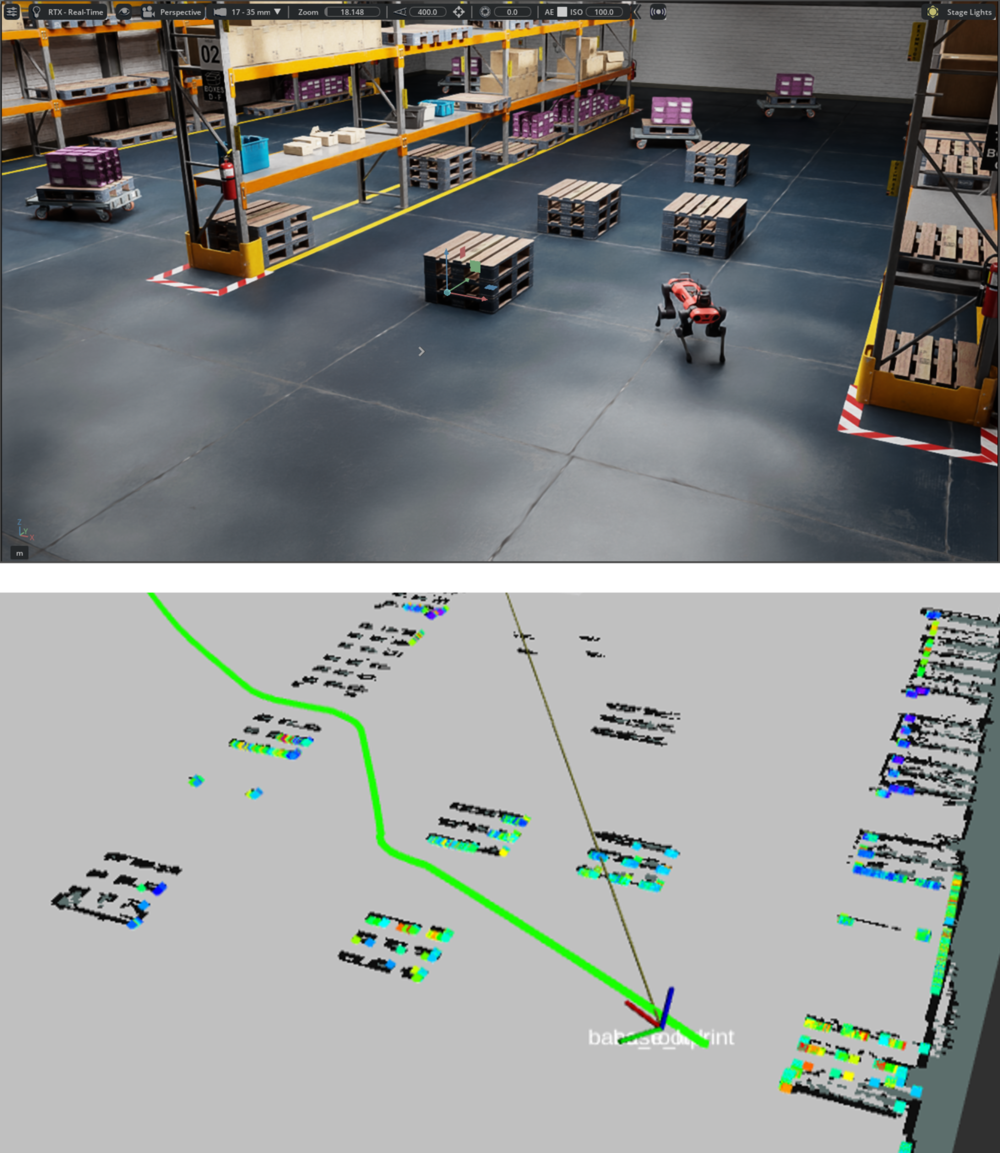
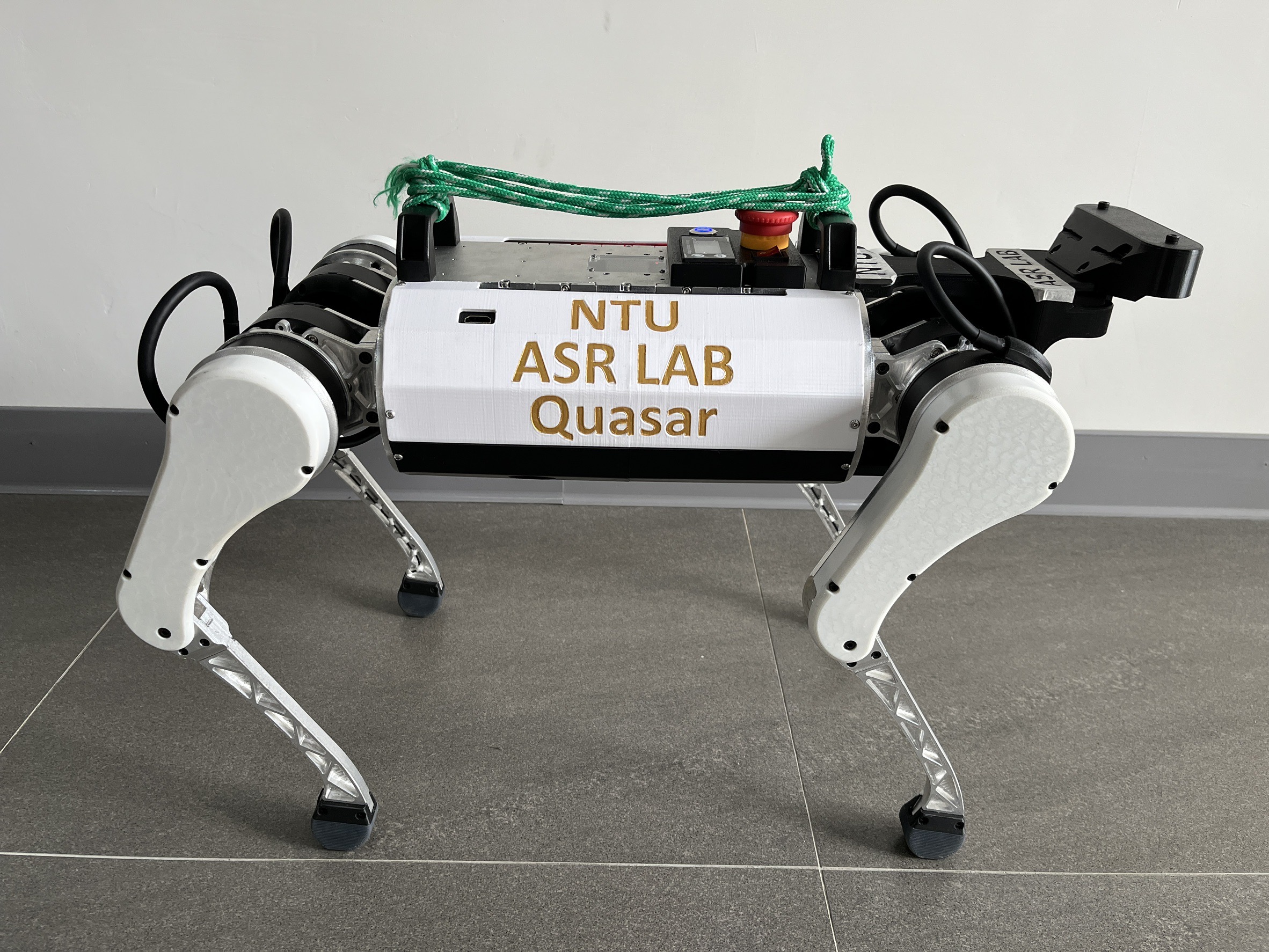
Future Tech | Machinery & SystemTechnology Introduction: This technology integrates a fuzzy obstacle avoidance algorithm with reinforcement learning to boost quadruped robot mobility and stability. Using LiDAR and IMU, the fuzzy system adjusts speed and direction in real time to avoid collisions. Reinforcement learning further ensures stable movement under uncertainty, supporting real-time obstacle avoidance, mapping, and path planning, thus demonstrating seamless integration of perception and control. Industry Applicability: This technology integrates reinforcement learning control with fuzzy obstacle avoidance, enabling applications in intelligent inspection, energy facility maintenance, disaster relief, warehouse management, and logistics. With real-time perception, path planning, and dynamic decision-making, quadruped robots achieve stable autonomy in complex environments. It reduces human risk, boosts efficiency, drives broad industrial adoption, fostering intelligent upgrades and sustained innovation.
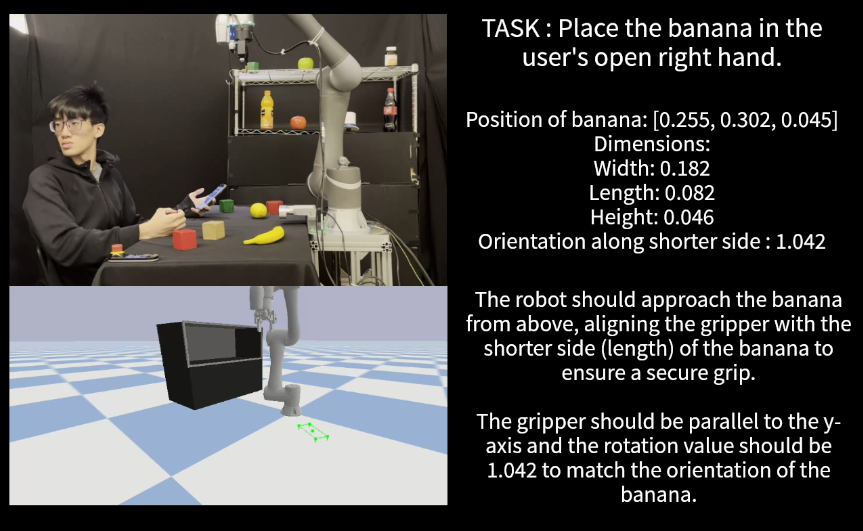
Future Tech | Machinery & SystemTechnology Introduction: This system integrates LLMs, VLMs, object and skeleton recognition to achieve environmental perception, dynamic task planning, change monitoring, object rearrangement, and human–robot interaction. It enables accurate execution of natural language commands with continuous iteration to enhance the adaptability and reliability of home-service robots in complex environments. Real-time experiments validate generative AI's potential and practical value for semantic understanding, interaction, and planning. Industry Applicability: With mature generative AI and multimodal technologies, our system’s Dynamic Task Planner adapts workflows in changing environments for greater autonomy in human–robot collaboration and unstructured settings. The Object Rearrangement System automatically arranges tableware to international standards, and the Multimodal HRI System makes interactions more natural and diverse. Applicable to manufacturing, warehousing, home service, and medical care.
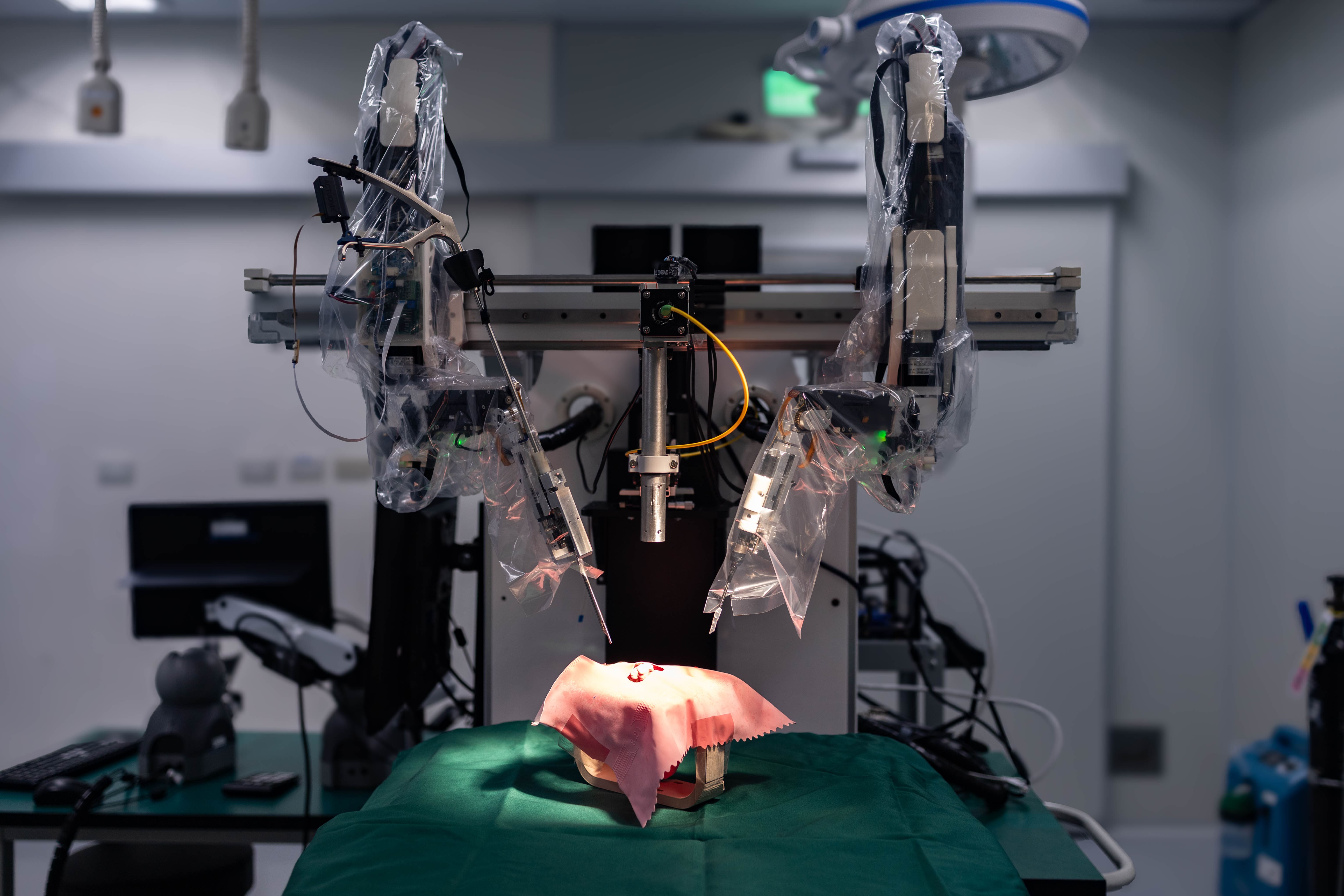
Future Tech | Machinery & SystemTechnology Introduction: This research introduces iCROSS, a robotic system designed for infant cardiac surgery, focusing on patent ductus arteriosus (PDA) closure. The system combines high-dexterity dual-arm manipulators with a high-resolution RGB-D imaging probe, enabling precise teleoperated PDA ligation. Its performance has been validated through in-vivo trials on porcine models, demonstrating its clinical feasibility, safety, and potential for broader applications in minimally invasive microsurgery. Industry Applicability: iCROSS is the first microsurgical robot designed specifically for infant cardiac surgery, offering strong clinical value and potential for technology translation. The system integrates depth sensing, modular surgical tools, and real-time force feedback to enable precise operations in confined surgical fields. It is suitable for microsurgical applications, surgical training, remote procedures, and intelligent medicine, contributing to advancements in medical robotics and healthcare innovation.
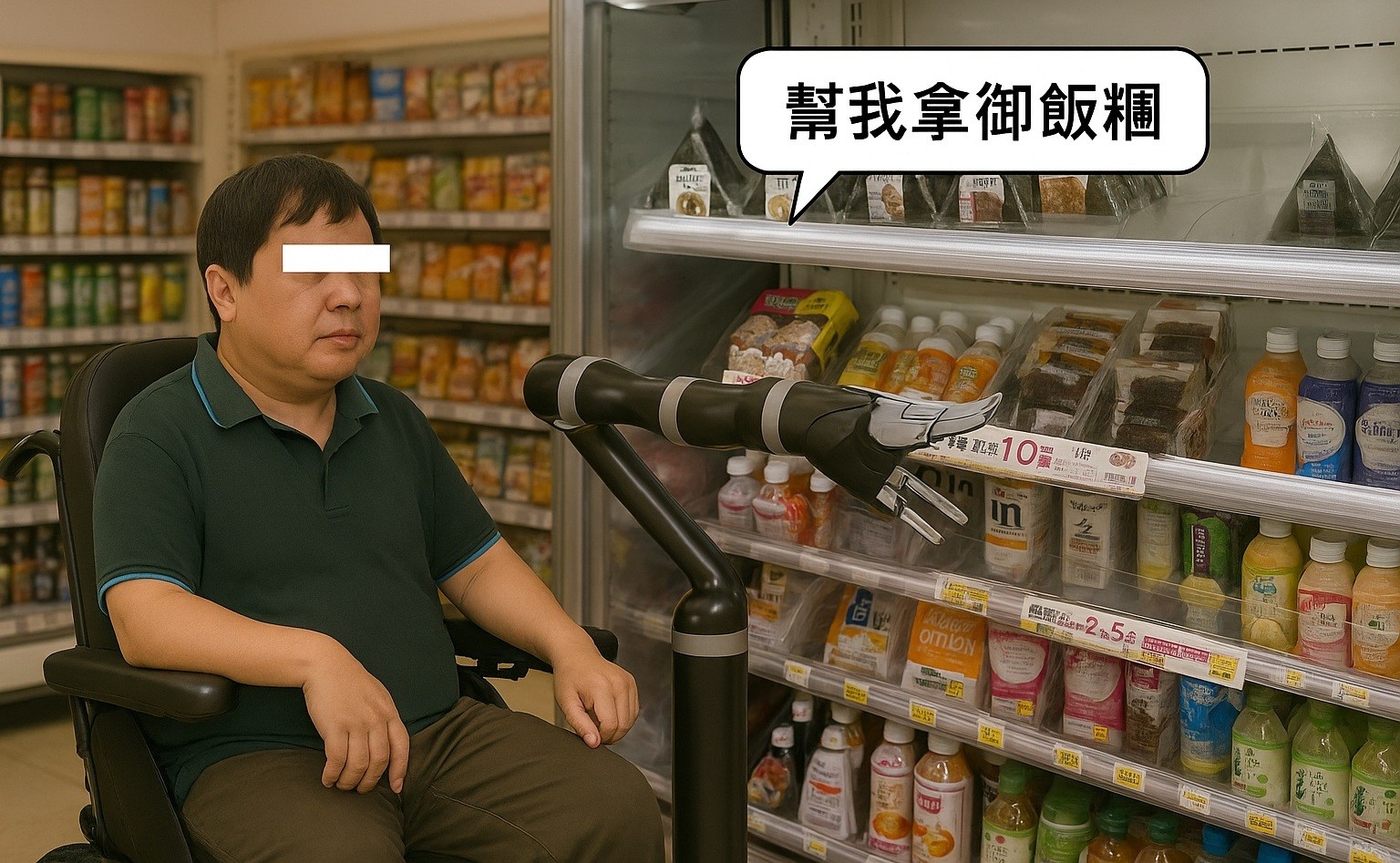
Future Tech | Machinery & SystemTechnology Introduction: This intelligent assistive robotic arm, mounted on an electric wheelchair, integrates multimodal AI—speech recognition, LLM-based semantic analysis, image recognition, and grasping point prediction. It understands natural language commands to pick up convenience store items like rice balls and drinks. Running all models locally ensures low latency and high privacy. The system supports scenario-specific fine-tuning, making it adaptable for use in healthcare, industry, and other environments. Industry Applicability: This technology holds strong industrial application potential and is suitable for fields such as smart healthcare, assistive medical devices, retail services, smart manufacturing, and logistics. It enables individuals with mobility impairments to retrieve objects independently, enhancing daily autonomy. It can also be deployed in factories for human-robot collaboration, object recognition, and automated grasping, effectively improving operational efficiency, reducing labor costs, and ensuring operator safety.
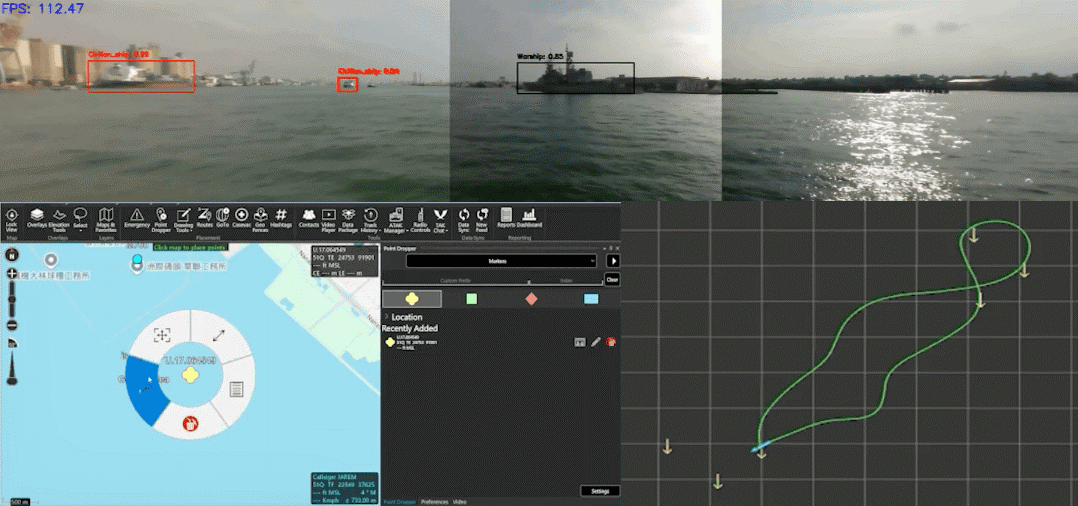
Future Tech | Machinery & SystemTechnology Introduction: Our proprietary Autonomous Kit for Unmanned Surface Vehicles (USVs) integrates six core modules: real-time collision avoidance, autonomous navigation, remote control, and power management. Featuring advanced AI algorithms, multi-sensor fusion technology, and a highly modular design, it enables high-precision operation and flexible mission scheduling tailored for diverse applications such as maritime reconnaissance, environmental monitoring, and search & rescue missions. This cutting-edge system ensures robust performance in complex aquatic environments by intelligently adapting to changing conditions and obstacles. With its user-friendly interface and customizable parameters, operators can easily deploy and manage multiple USVs simultaneously, enhancing operational efficiency. Additionally, the Autonomous Kit is designed for energy efficiency, prolonging mission duration while maintaining safety and reliability. Overall, it offers a comprehensive, smart, and scalable solution to meet the evolving demands of modern unmanned surface systems. Industry Applicability: This autonomous control system for uncrewed surface vehicles offers a highly efficient and reliable operational platform for diverse aquatic applications. In the defense and security sectors, it can perform tasks such as water reconnaissance, border patrol, and anti-terrorism defense, significantly enhancing operational efficiency and personnel safety while reducing human risk. For tactical operations, its capabilities, including multi-vehicle collaboration, remote control, and high-security communication, make it an ideal choice for executing complex maritime tactical missions.
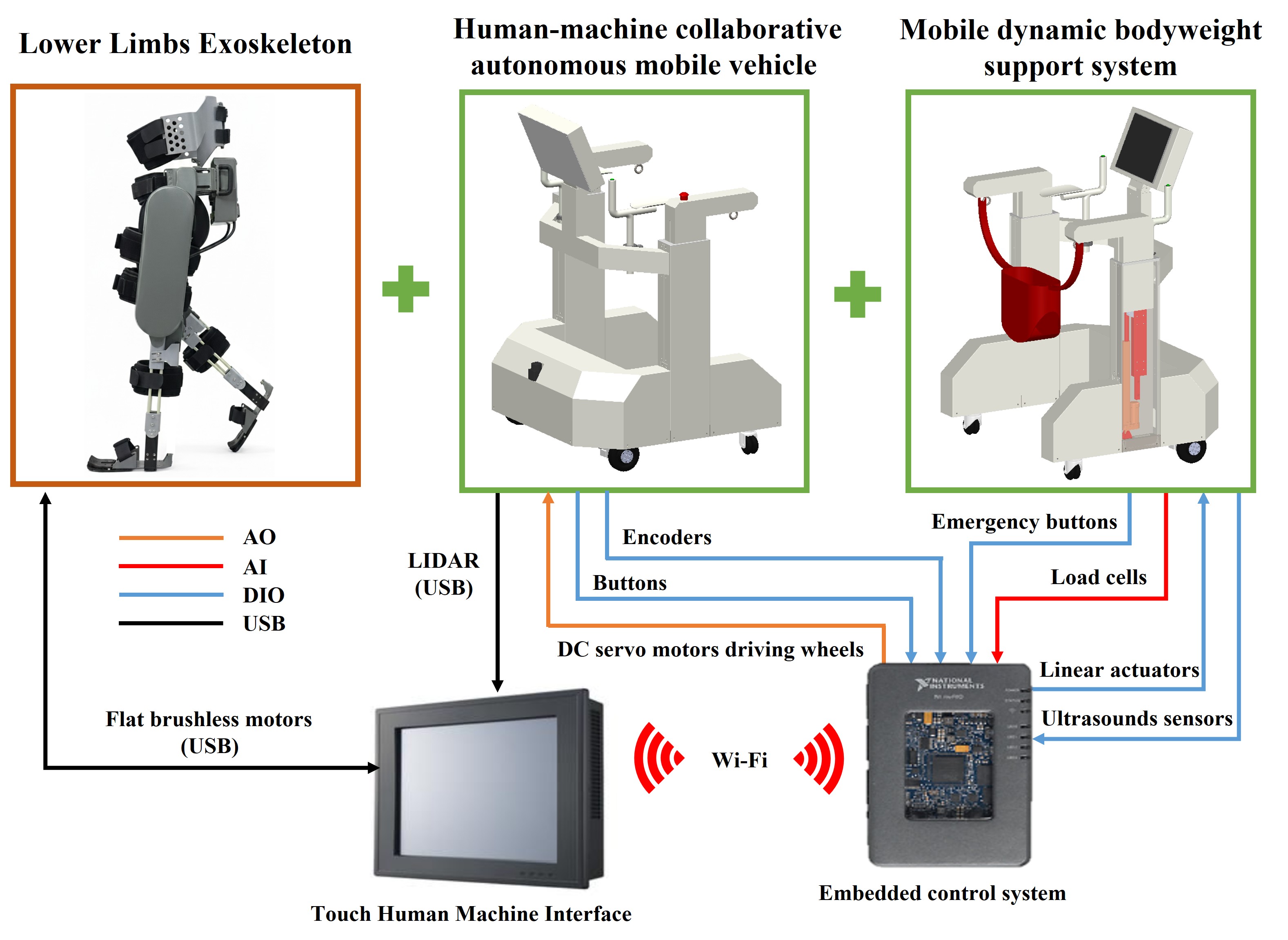
Future Tech | Machinery & SystemTechnology Introduction: Stroke survivors show gait deficits. Traditional rehab works but is labor‑intensive and hard to quantify. We built a Multifunctional Gait Training & Assistive Robot integrating lower‑limb exoskeleton, BCI, asymmetric dynamic body‑weight support, and AI for active, precise neuromodulation, rebuilding musculoskeletal and neural function. Clinical validation shows higher intensity, better outcomes, wider applicability, and strong market potential. Industry Applicability: As population aging accelerates, stroke and spinal-cord injury cases are rising, driving rehab demand. The Multifunctional Gait Training & Assistive Robot integrates a lower-limb exoskeleton, BCI, asymmetric dynamic body-weight support, and safety control in a modular design deployable in hospitals, rehab centers, and community care. Clinical validation shows it shortens rehabilitation cycles, reduces staffing burden, cuts costs, and—backed by patents and awards—offers strong growth potential.
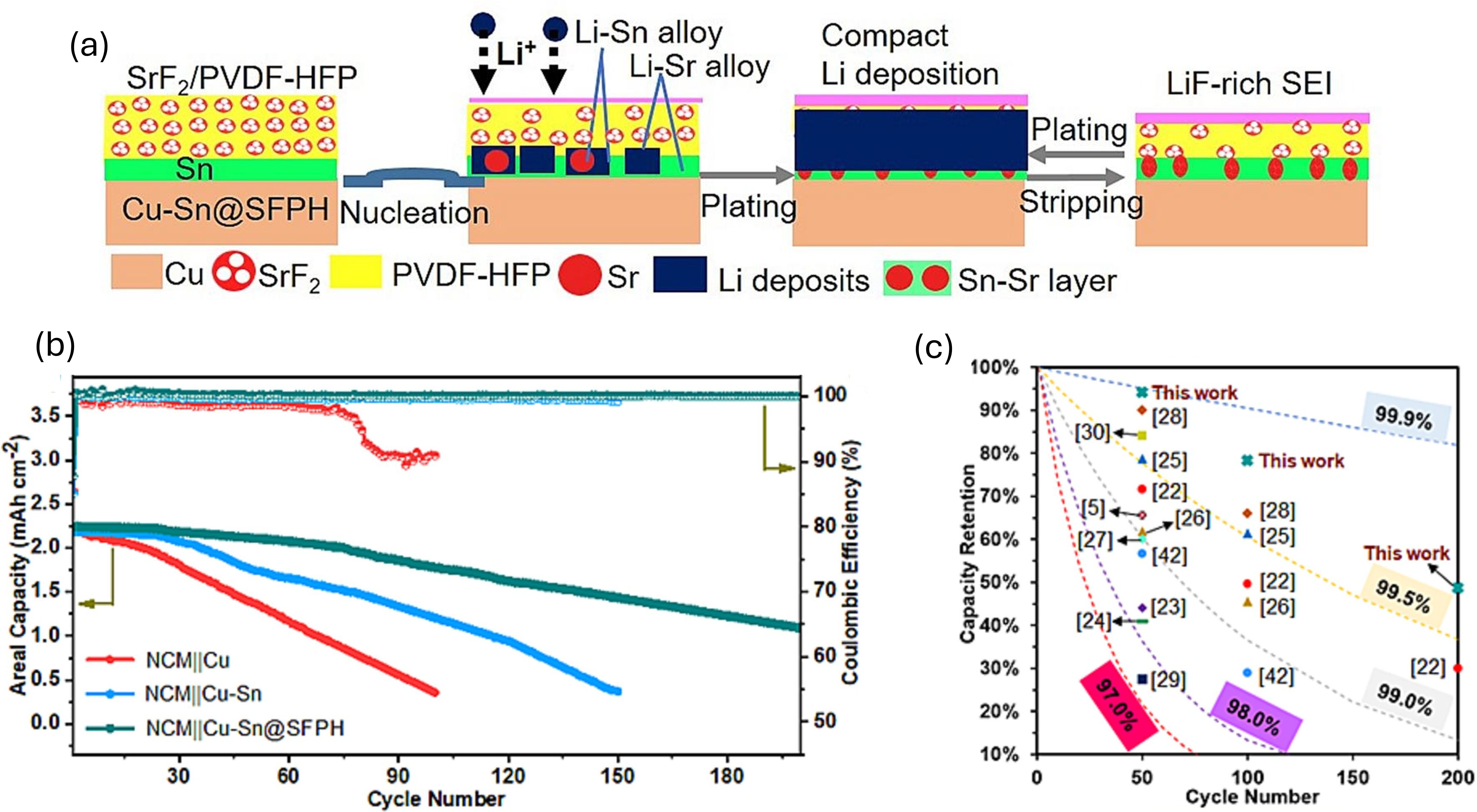
Future Tech | Machinery & SystemTechnology Introduction: This technology features a dual-protective coating on a copper current collector that, during charge/discharge, self-assembles in-situ to form multiple lithiophilic alloy layers (Li-Sn/Li-Sr) and a stable, LiF-rich interphase. This effectively suppresses dendrite growth, enabling high-energy-density, long-life anode-free lithium batteries. Industry Applicability: This technology is applicable to next-generation, high-energy-density batteries, meeting the demands of electric vehicles, consumer electronics, and grid energy storage. The manufacturing process uses mature immersion and coating methods, offering high compatibility with existing lithium-ion battery production lines, cost-effectiveness, and strong potential for mass production and commercialization.
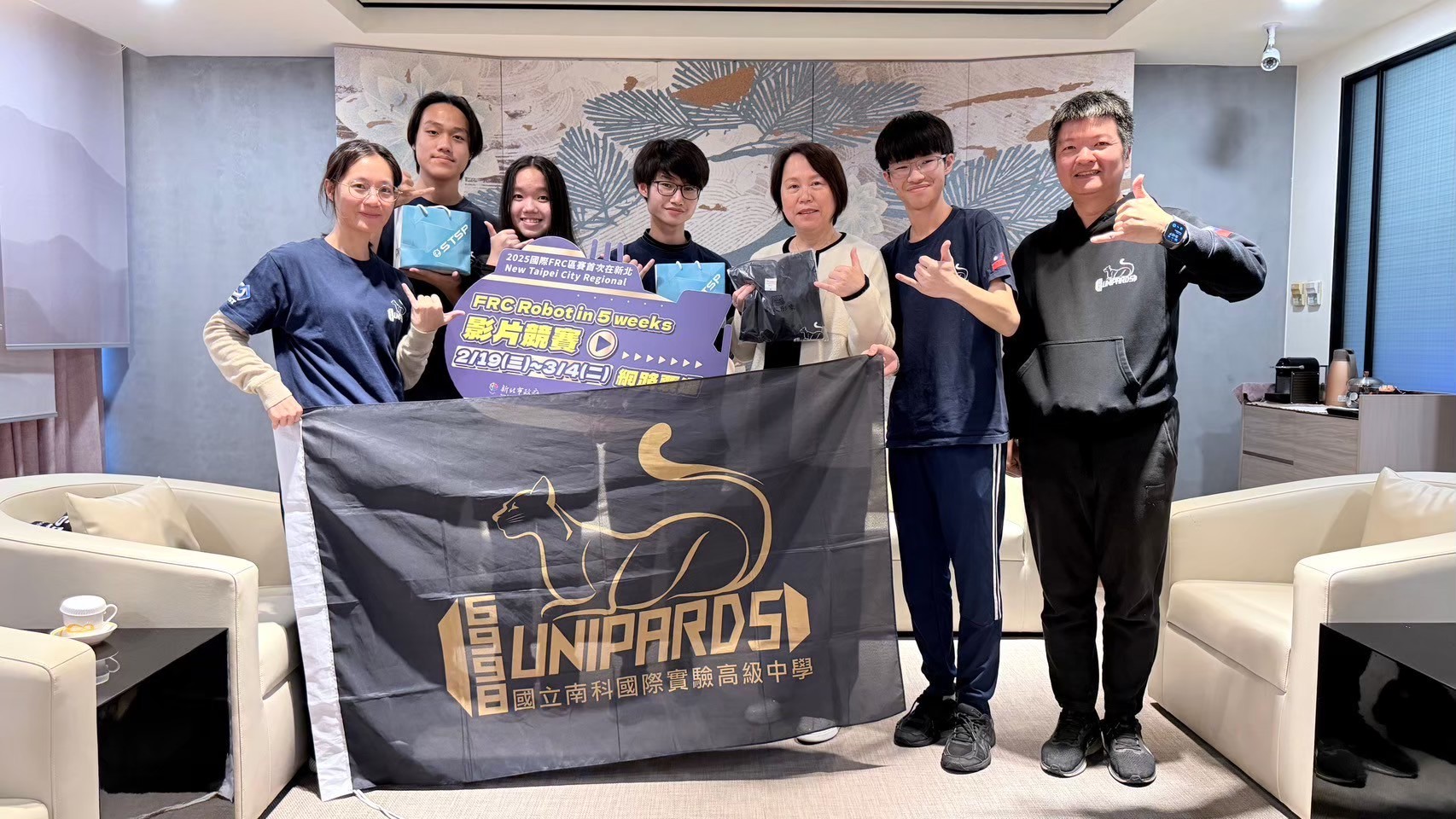
Future Tech | Machinery & System"●Team Introduction In the FIRST Robotics Competition (FRC), robot manufacturing is a comprehensive engineering practice that integrates multiple fields of technology. Students and mentors must apply knowledge in mechanics, electrical control, programming, and project management in order to complete a robot that meets specifications and is capable of handling competition challenges within a limited time. Mechanical design and fabrication form the core foundation. Teams need to be proficient with CAD software and mechanism design, ensuring that structures balance strength, rigidity, and lightweight construction. Materials commonly used include aluminum alloys, carbon fiber, and POM, with parts produced through CNC milling, laser cutting, and 3D printing. Beyond frames and drivetrains, teams must also design precise intake, transport, and climbing mechanisms to fulfill the season’s tasks. In terms of electrical control and wiring, teams must configure the RoboRIO controller, motor controllers (such as SPARK MAX), sensors, and the power system. Reliable circuit design and neat wiring not only affect performance consistency during matches but also directly relate to inspection safety. Students need to understand voltage and current distribution, fuse selection, and methods for mitigating signal interference. Programming gives the robot intelligence. Team 6998’s robot code is written in Java, integrating motor control, camera vision processing, and automated path algorithms. Common FRC challenges include closed-loop PID control, autonomous path planning, and object tracking using image processing. This requires team members to have a foundation in mathematical modeling and algorithms, and to apply theory effectively to real-world hardware. Moreover, system integration and testing is the most time-consuming yet crucial phase. Mechanical structures must avoid interference, electrical signals must remain accurate, and repeated testing and tuning are needed to improve stabil
Future Tech | Machinery & SystemTechnology Introduction: This study presents the design and implementation of a quadruped robot platform supporting Sim-to-Real reinforcement learning (RL) applications. The system encompasses electromechanical hardware design, kinematic modeling, simulation environment construction, and RL-based control training. The platform is intended as a locally developed solution for academic research in Taiwan, offering an affordable and open alternative to foreign commercial robots with limited access to low-level controls. Industry Applicability: The quadruped robot has high potential to be applicable for industrial inspection tasks to resolve the labor storage problems.
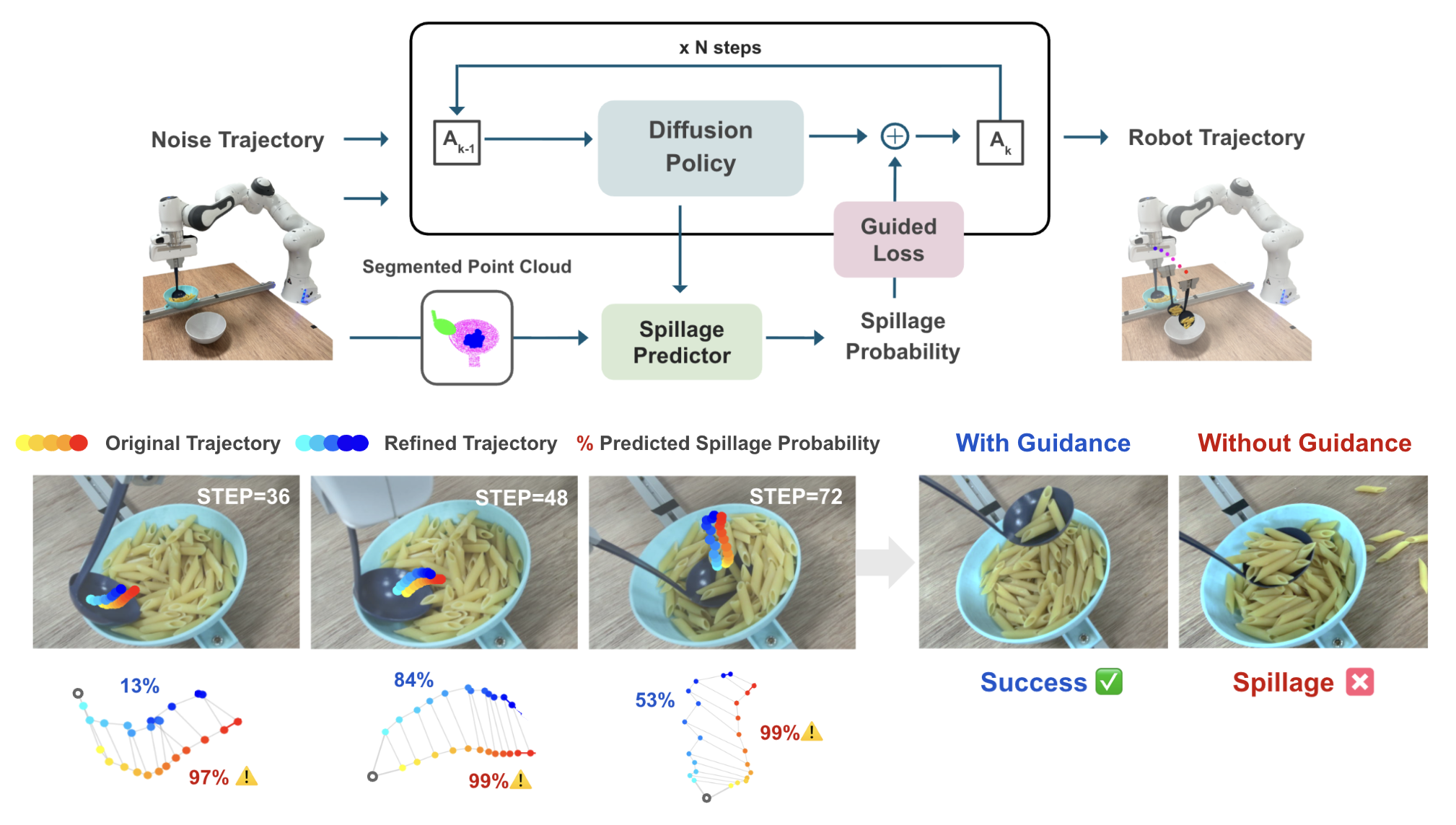
Future Tech | Machinery & SystemTechnology Introduction: This assistive feeding robot integrates speech, vision, and depth sensing to help elderly or mobility-impaired users eat safely with minimal caregiver support. It features spillage risk prediction and real-time motion adjustment. Users interact via voice or touchscreen. The modular, scalable system suits home care, long-term care, and smart healthcare environments. Industry Applicability: With the rapid aging of society and growing shortage of caregiving personnel, assistive feeding robots hold significant industrial application potential. This system enhances the feeding autonomy of elderly and disabled individuals, reduces caregiver workload, and can be deployed in long-term care facilities, home care, and smart healthcare markets. Its modular architecture facilitates integration with other care technologies, supporting commercialization and scalable production. It aligns with Taiwan’s trends in smart healthcare and aging technology innovation.
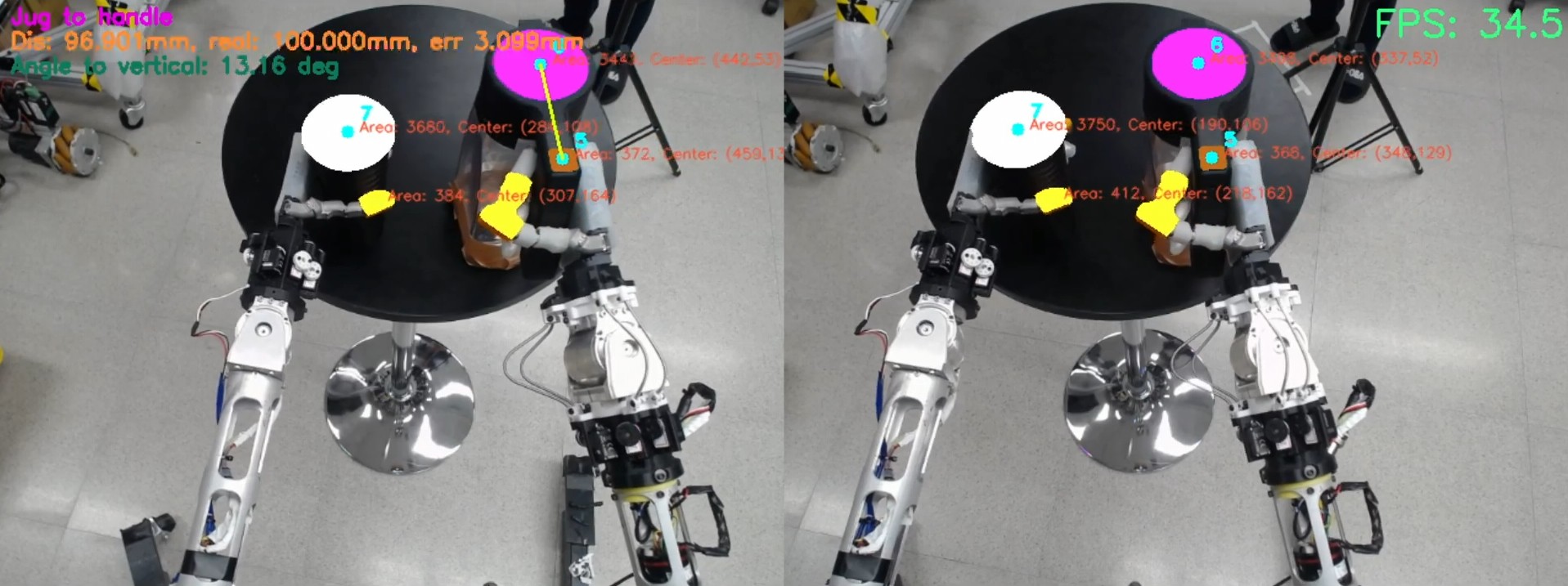
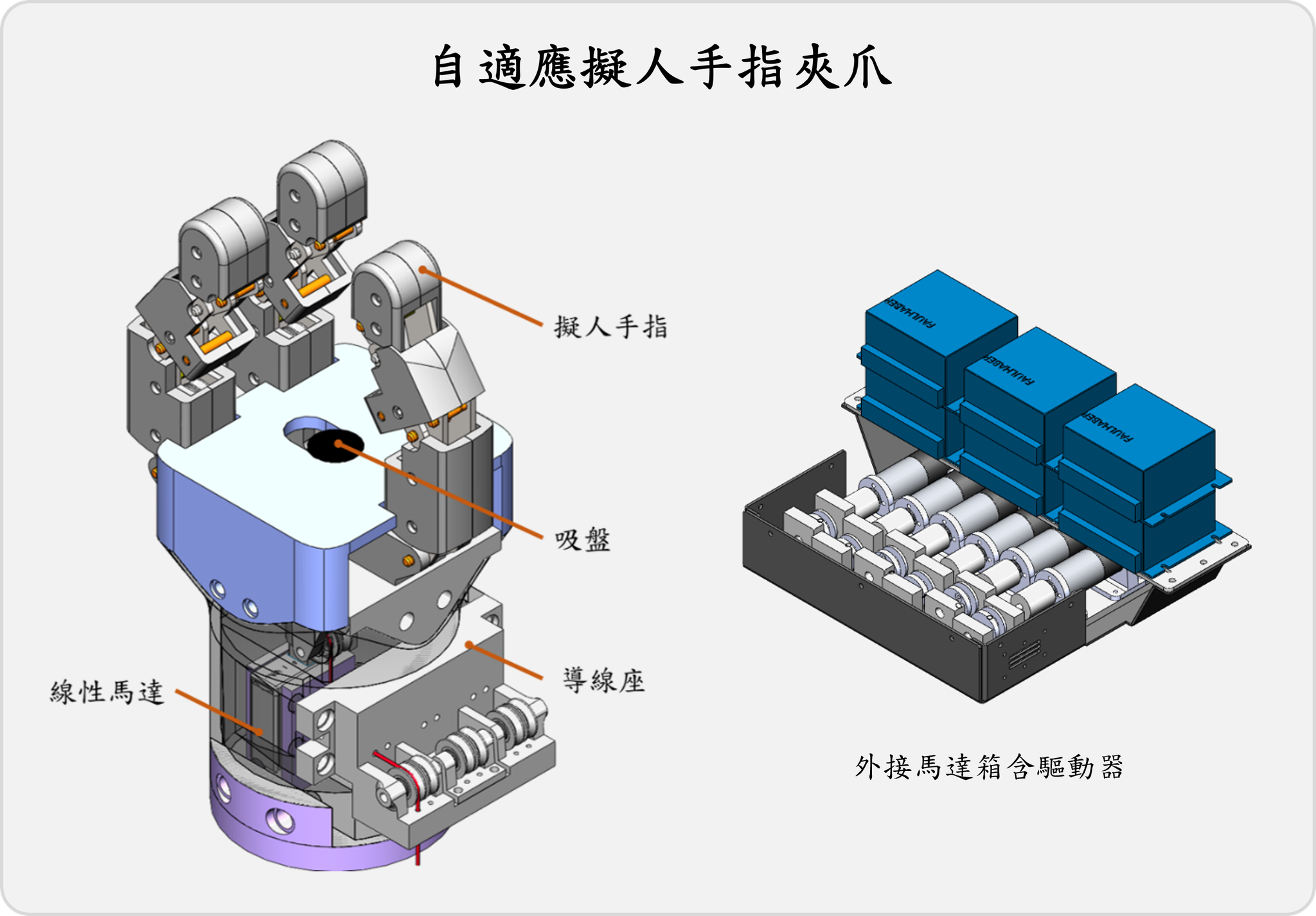
Future Tech | Machinery & SystemTechnology Introduction: This technology showcases an interactive system combining generative AI and an intelligent robotic arm. The robot understands voice commands and uses an anthropomorphic gripper along with a custom-developed arm control algorithm to interact with visitors by grasping and handing over objects. It demonstrates innovations in language understanding, motion control, and perception, creating a safe and intuitive human-robot experience that bridges technology and daily life. Industry Applicability: This technology integrates speech understanding and robotic control, with potential applications in smart manufacturing, service robotics, and elder care. Its ability to interact with humans and deliver objects makes it highly suitable for human-centered and flexible work environments. The platform can be extended to various interactive multi-task scenarios.
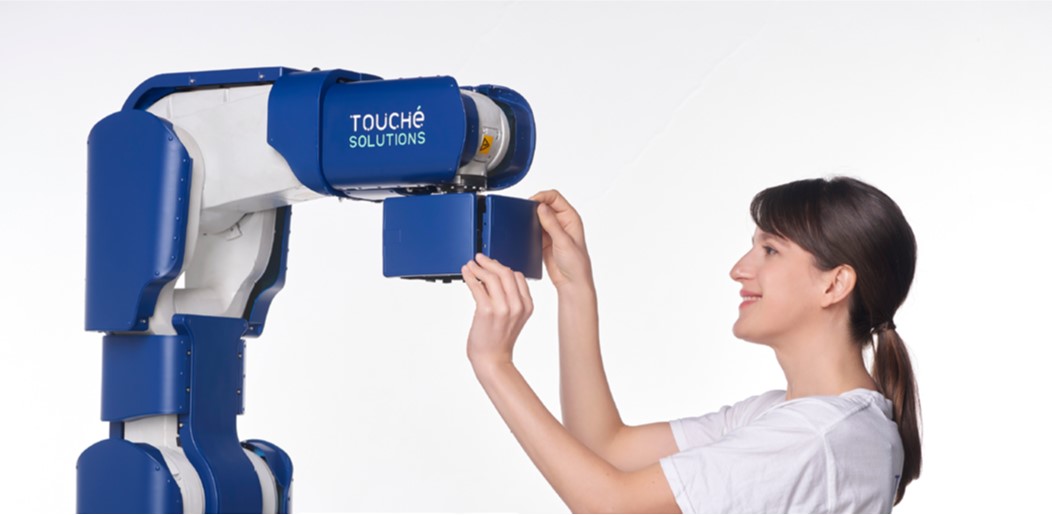
Future Tech | Machinery & SystemTechnology Introduction: The T-skin is a touch & stop system which can react in a very short time. It is suitable for robots and industrial applications. It will stop immediately when it is touched on the any location of surface. The Touche solutions can immediately improve the safety protection of the robot and release wide range of the working develop. Industry Applicability: It is suitable for robots and industrial applications.
Future Tech | Machinery & SystemComing soon!