Select Field
Select Ministry
46 results
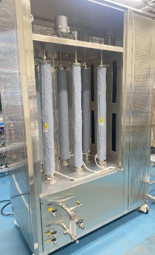
Technology Introduction: • Using a stepping motor to control the total flow and ratio of the two outlets can reduce 50% of control wiring and drive compared to traditional methods. It is suitable for HVAC&R or electronic cooling fields with limited space. • The world's first high-speed (90 pulse per second) variable flow 1v2 electronic control valve. Industry Applicability: High-performance computing servers use active fluid circulation with cold plate solutions, especially when using refrigerant as the working fluid, which requires multiple electronic expansion valves for control. Our "1v2 Electronic control valve" can reduce the use of control components by 50%. And it can be quickly adjusted according to the heat dissipation requirements.
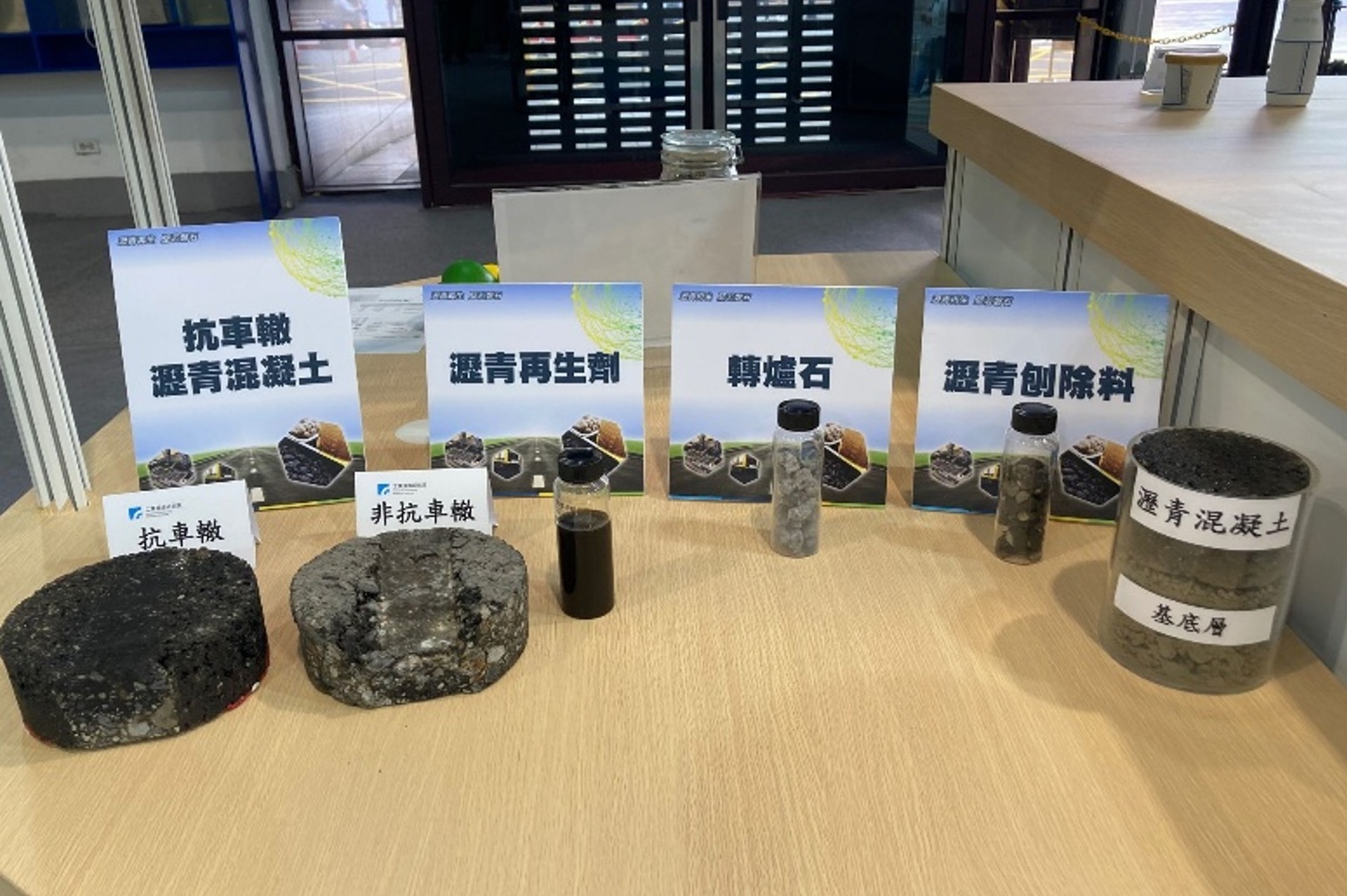
Innovation Economy | Green Energy & EnvironmentA new formula leverages the hardness and durability of steel slag to extend road life and reduce gravel use, helping eliminate potholes and supporting low-carbon, sustainable infrastructure. Through intelligent verification using AI and blockchain, the quality and flow of recycled aggregates are fully tracked, enhancing transparency, brand credibility, and market trust. This technology combines steel slag with other inorganic resources to enable 100% recycled material substitution and cross-industry reuse. By integrating AI, IoT, and blockchain, it ensures full tracking of recycled materials' quality and flow. This transparent system enhances the image and trust in recycled products. Proven in the steel industry, it also shows promise for use in plastics, batteries, and textiles, supporting global circular economy goals.
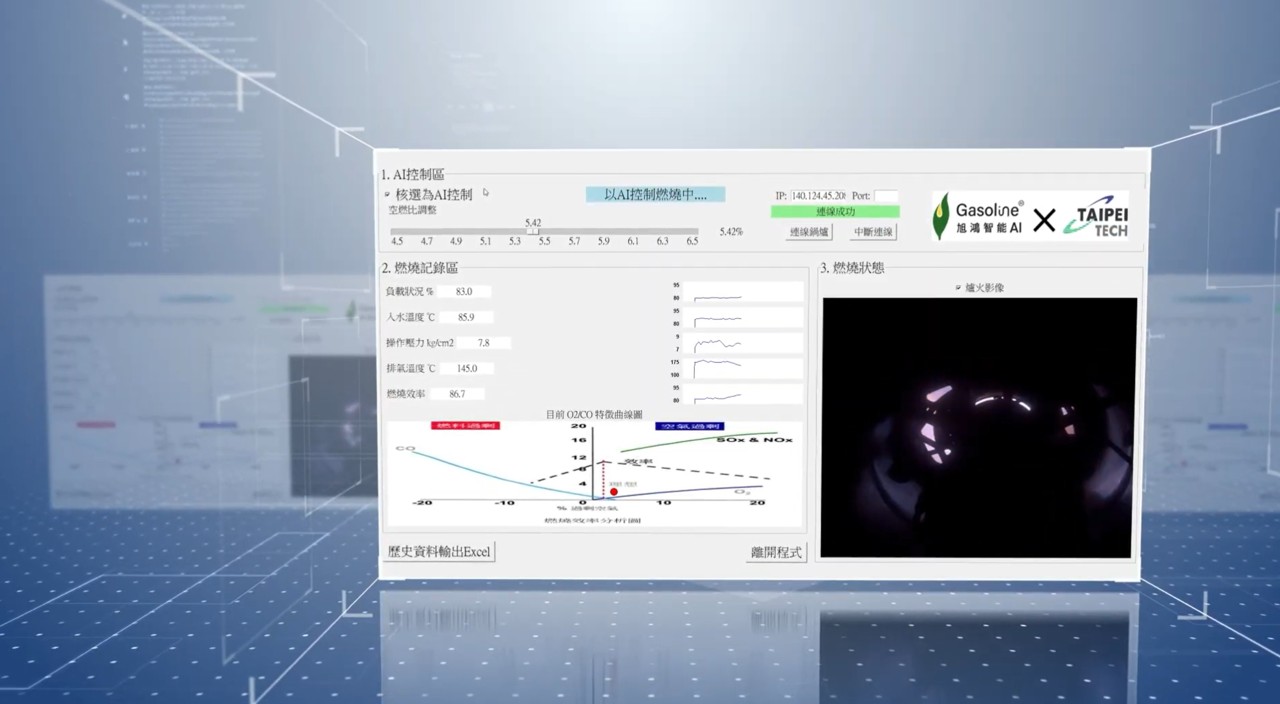
Innovation Economy | Green Energy & EnvironmentThis AI-assisted system optimizes hydrogen-natural gas combustion by adjusting mixing ratios in real time using flame, temperature, and exhaust data. It improves efficiency by 20%, reduces fuel use, and cuts carbon emissions by up to 25%. Powered by a proprietary LSTO model, it ensures stable performance under varying conditions. Ideal for boilers and furnaces in sectors like semiconductors, food, and biotech, it supports clean energy use and net-zero goals.
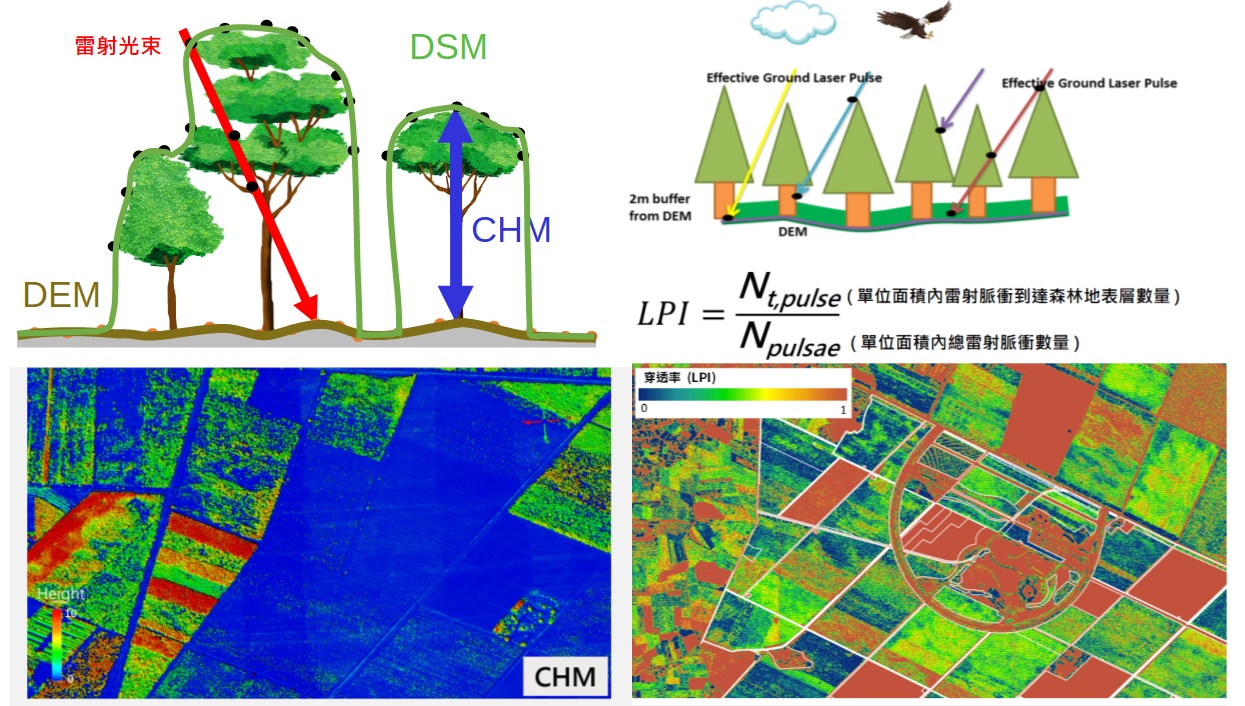
Innovation Economy | Green Energy & Environment/Machinery & SystemTechnology Introduction: TSC collaborated with Professor Wang Chi-Kuei's team at the Department of Geomatics, NCKU, to apply airborne LiDAR technology to digitalize 10,337 hectares of afforestation land. Over 6,000 forest blocks were identified, with tree density, height, and crown penetration measured for each. The blocks were classified to identify areas with high potential for natural carbon sequestration applications. Industry Applicability: In alignment with Taiwan's "Pathway to Net-Zero Emissions by 2050" policy, airborne LiDAR technology and digital modeling are applied to assess tree growth across large-scale afforestation areas. This supports the identification of natural carbon sink sites and the planning of long-term carbon sequestration strategies, advancing corporate social responsibility and environmental sustainability.
Innovation Economy | Green Energy & EnvironmentTechnology Introduction: Instead of liquid ethanol amine, porous amine-based solid sorbents apply for flue gas CO2 capture under dry and humid conditions. CO2 adsorption shows better effect in kinetics and thermodynamics, sorbent regeneration, cyclic stability, essential regeneration techniques, and techno-economic analysis for CO2 capture from air. Industry Applicability: Application for DAC could have benefits of carbon negative, also being a direct way of VER market (voluntary emission reduction). This technology could build business model of carbon negative and create opportunities of net zero industry. This technology is able to operate in flue gas with low CO2 concentration , and still has excellent capture capacity. Process of solvent-free solid amine sorbent technology could achieve the standard value of EU (Regeneration consumption <2GJ/ton CO2).
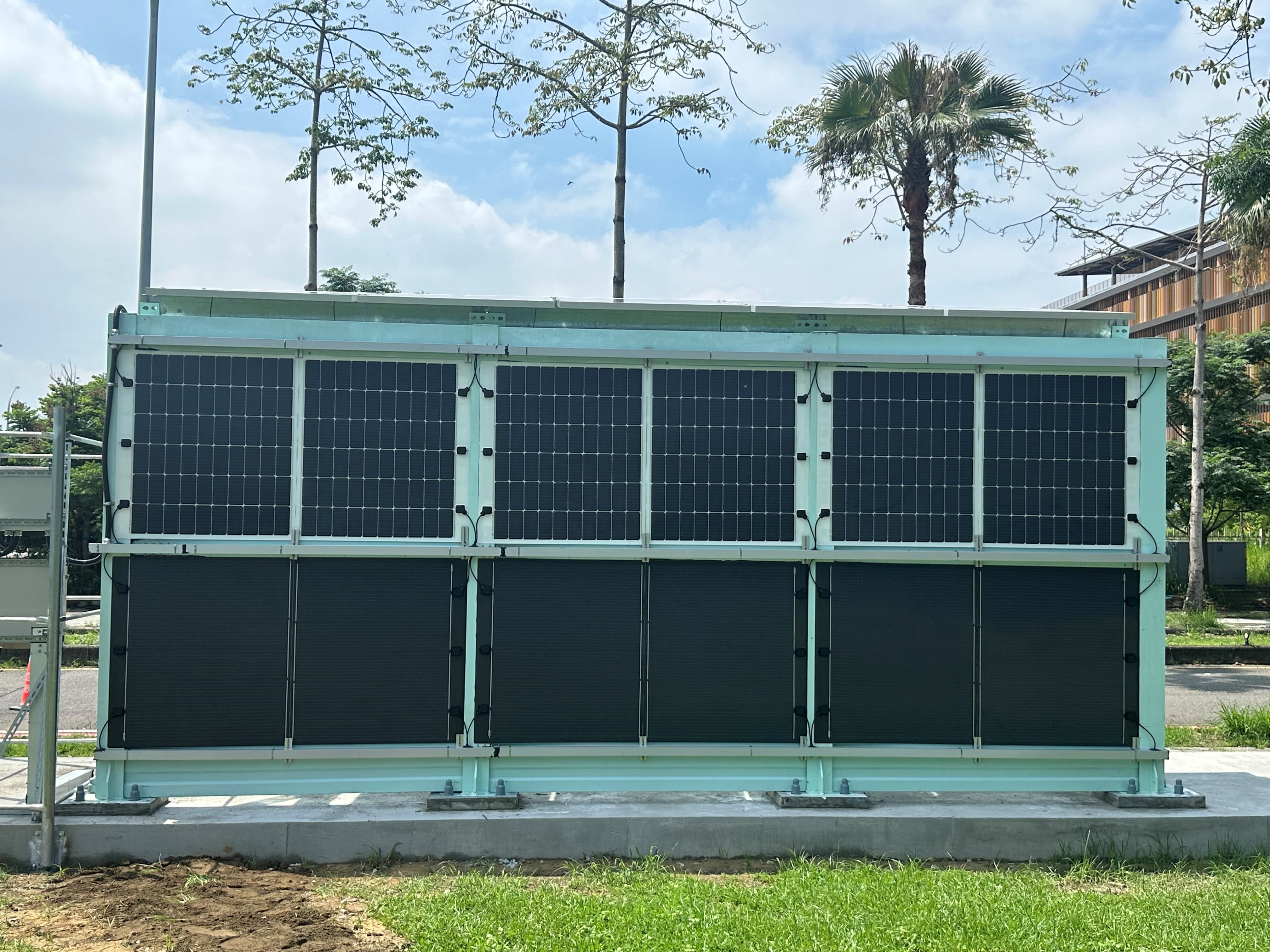
Innovation Economy | Green Energy & EnvironmentTechnology Introduction: This technology integrates flexible photovoltaic modules into noise barriers, enabling a multifunctional and composite application that combines both sound insulation and power generation. In addition to establishing a demonstration site and analyzing its power generation performance, future expansion will target installation on noise barriers along high-speed railways, conventional railways, and bridges. Industry Applicability: Photovoltaic noise barriers integrate solar power with noise reduction, offering high industrial potential. They reduce traffic noise and generate green energy along roads and railways, improve land use, support local power needs, and align with net-zero goals-making them key to smart cities and sustainability.
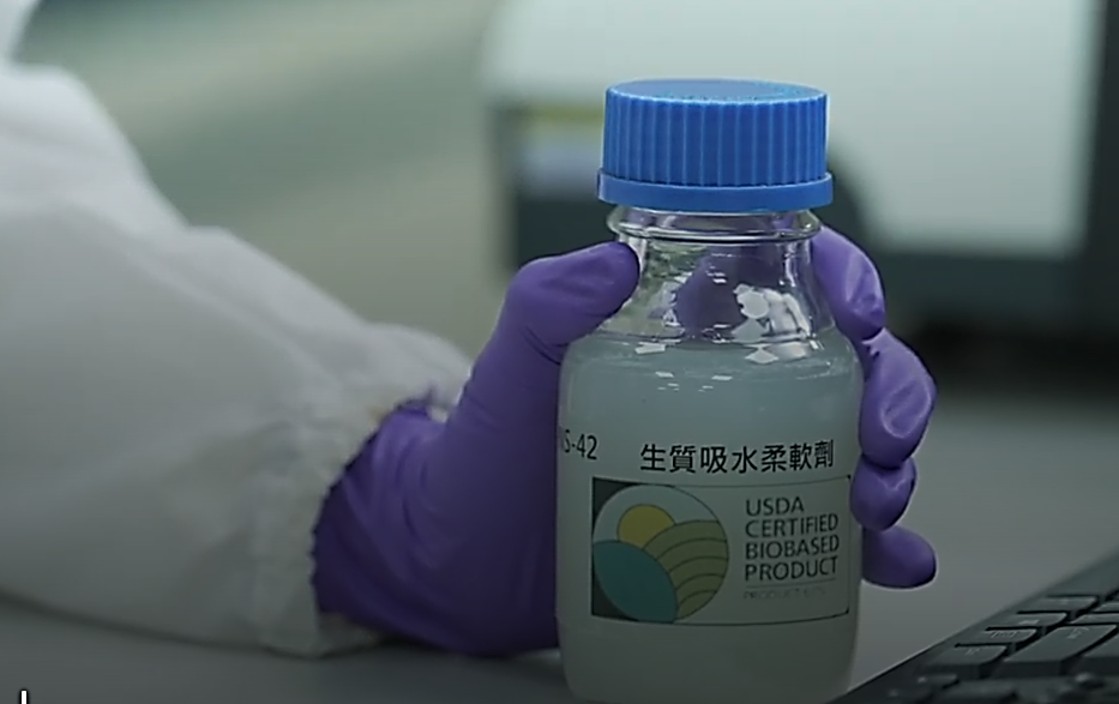
Innovation Economy | Green Energy & EnvironmentTraditional petrochemical-based textile auxiliaries fall short under rising demands for sustainability and performance. This project develops bio-based itaconate copolymers (up to 50% biocontent) that integrate softness, moisture absorption, and elasticity. Engineered with tailored alkyl chains and grafting, they boost fiber adhesion, wash durability, and processing ease—offering a low-carbon, high-performance solution for high-elasticity textiles.
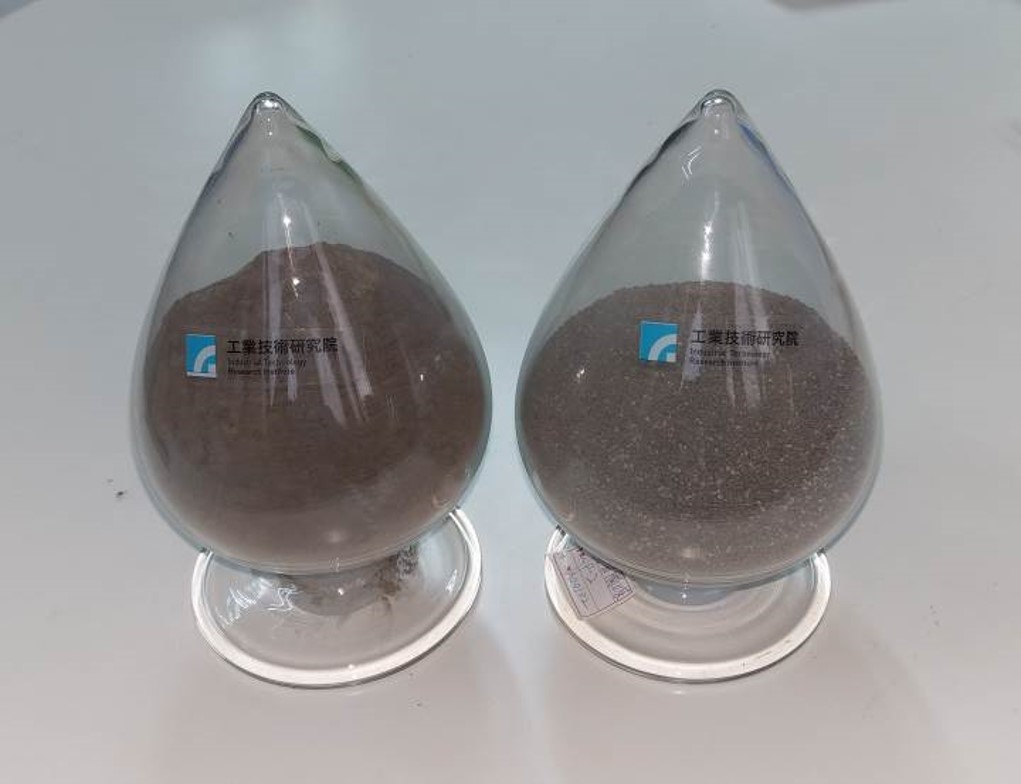
Innovation Economy | Life Application/Materials & Chemical Engineering & NanotechTechnology Introduction: This technology used low-cost industrial byproducts as raw materials, which were reformed into bed catalysts and could be placed in fixed-bed, fluidized-bed or entrained-bed gasifiers. It had the characteristics of reducing the activation energy of the gasification reaction and the water-gas reaction. In addition to improving gasification efficiency, this developed technology also expanded the application of byproducts, improved the economic competitiveness of the gasification process, and increased the energy utilization efficiency. Industry Applicability: Decoking catalysts were mainly used for tar decomposition in biomass gasification systems, aiming to reduce or eliminate tar accumulation on the catalyst surface and improve reaction efficiency and catalyst life.
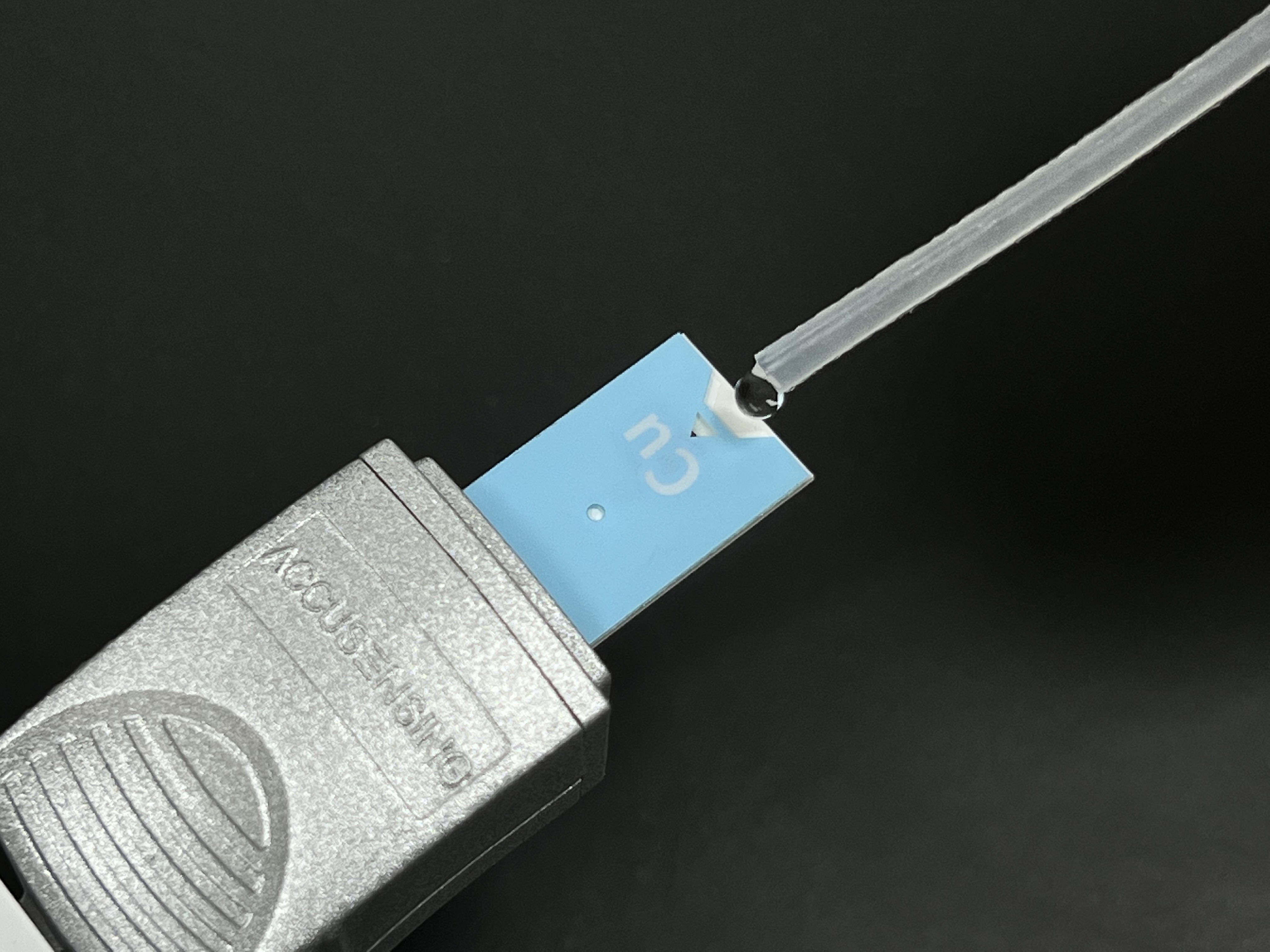
Innovation Economy | Green Energy & EnvironmentTechnology Overview: Smart sensor for analyzing heavy metal doesn't require any reagent and only needs one drop of sample to complete the analysis with digital reading in minutes, to ppb level. By overcoming the limitations of reagent use in conventional heavy metal analysis methods, there is no longer any need to consider reagent storage or mixing steps. Smart sensors can be easily connected to a hand-held meter, PC/laptop, or automated continuous monitoring systems. Its user-friendly design, similar to a blood glucose strip, makes it easy for even non-technical users to operate. Industrial Applications: This system uses electrochemical current detection instead of conventional spectrometers. It resists turbidity and color interference, allowing real-time metal ion monitoring in both treated and raw wastewater. This supports source control, improves treatment efficiency, and optimizes chemical dosing with scientific data.
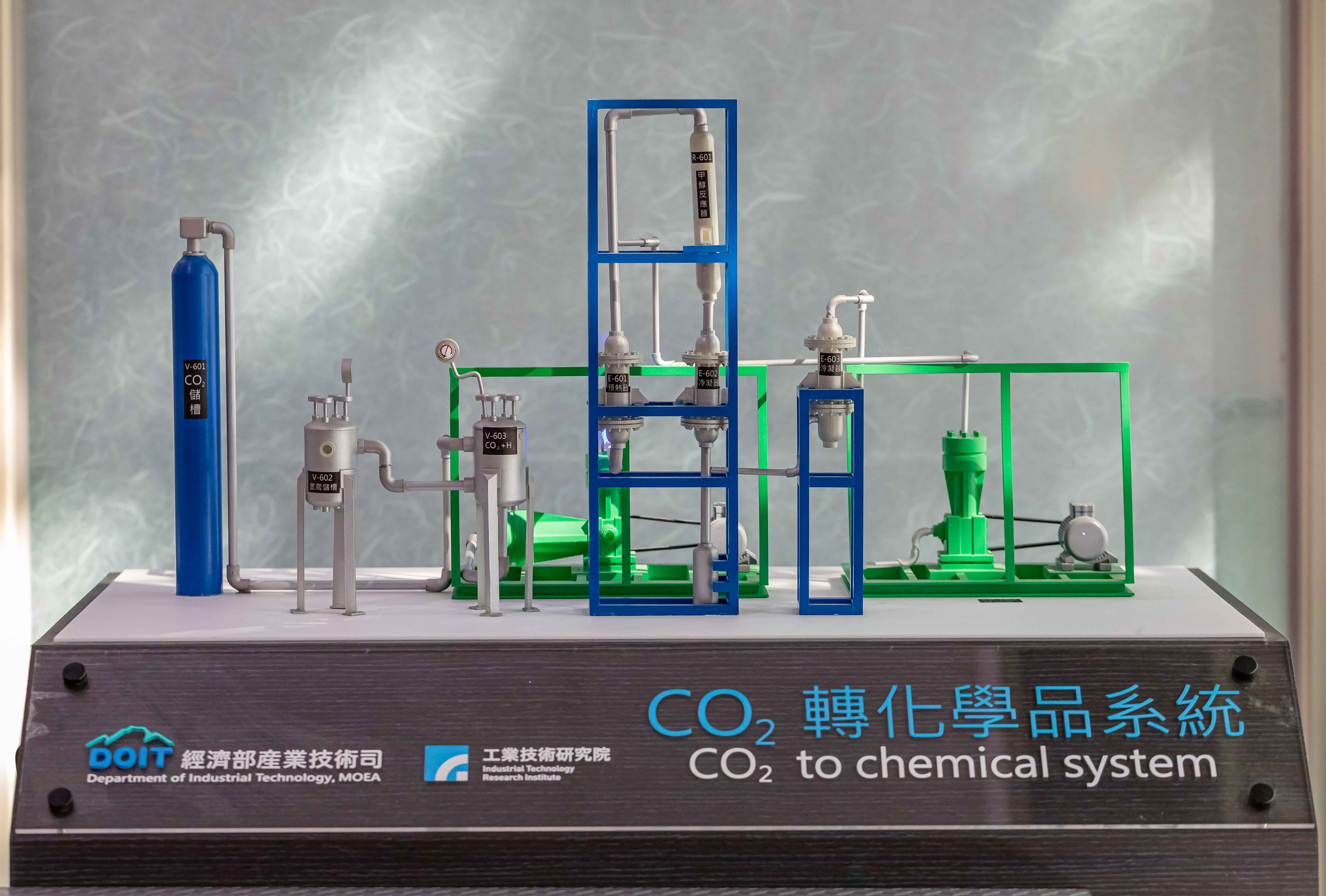
Innovation Economy | Green Energy & EnvironmentTraditional phosgene-based PC production emits high CO₂ and uses toxic phosgene. Our CO₂-based PC technology captures CO₂ from flue gas, converting it into polycarbonate via a recyclable catalyst and alcohols, with zero hazardous emissions. Each kg of PC reduces CO₂ by 1.19 kg. Honored with the 2024 R&D 100 Award, this innovation transforms waste gas into “green gold,” driving net-zero goals and sustainable industry.
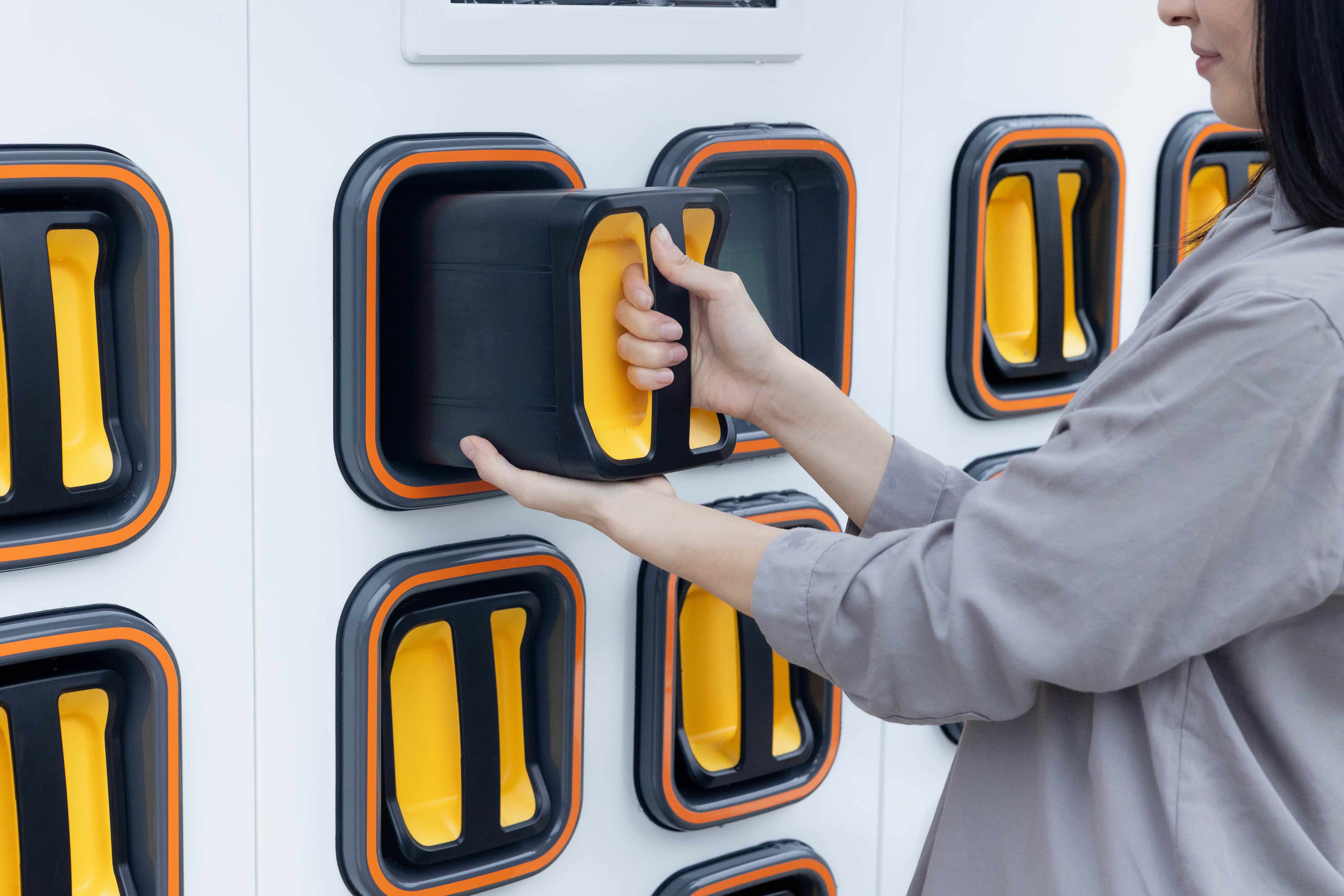
Innovation Economy | Materials & Chemical Engineering & Nanotech/Green Energy & EnvironmentTechnology Introduction: CPC develops CPC-001 scooter battery using proprietary soft-carbon anode. It delivers 3C fast charge, 2C discharge and 3,500+ cycles with >85 % local content. Paired with a 2C fast-charging swap cabinet that supports reservations for guaranteed full batteries, CPC is Taiwan’s first swap operator applying for domestic cell subsidies, enabling efficient low-carbon mobility. Industry Applicability: Optimized for e-scooters, fleet sharing and delivery services, CPC-001’s 3C/2C capability minimizes downtime while its 3,500-cycle life cuts replacement costs. Reservable fast-swap cabinets can be deployed at stations, hubs and high-demand zones, boosting operational efficiency and doubling as grid-support storage to drive low-carbon transport.
Innovation Economy | Green Energy & EnvironmentTechnology Overview: Recycled pineapple leaves have given rise to a new sustainable textile: Pineapple Leaf Fiber (PALF). It can be spun into yarn, woven into fabric, and even transformed into leather-like materials from production residue. PALF supports responsible consumption by turning agricultural waste into eco-friendly fashion. Its applications span a wide range of products, including T-shirts, knitwear, bags, hats, home furnishings, and cultural gifts—blending sustainability with style. Industrial Applications: Pineapple leaf fiber yarn is made from recycled agricultural wasteand features natural antibacterial, breathable, and biodegradable properties. Using professional textile techniques, it can be blended with natural fibers like cotton or tencel to create soft, comfortable fabrics. It is widely applied in T-shirts, knitwear, scarves, towels, bags, and home textiles, combining style with sustainability. By turning discarded pineapple leaves into valuable materials, it helps reduce agricultural waste and carbon emissions. With strong potential in circular economy and green fashion, it is gaining attention from more brands and designers.
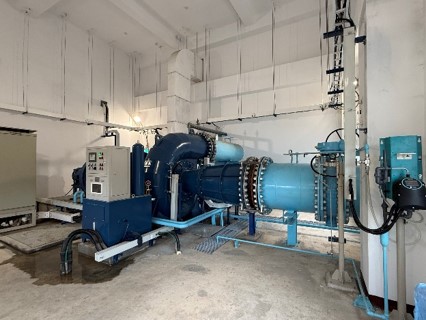
Innovation Economy | Life ApplicationTechnology Introduction: 1. The Shalu Water Distribution Center uses a natural drop clean water pipeline with a capacity of 715KW and an annual power generation of 4.8 million kWh. It is the first commercial site in Taiwan to use tap water clean water pipelines for power generation. 2. The Hushan Small Hydropower Plant is the largest closed pipeline small hydropower plant in Taiwan with a capacity of 1.5MW and an annual power generation of 9 million kWh. Industry Applicability: The new small hydropower plant utilizes a closed-pipeline system and high-efficiency turbines to achieve zero-carbon power generation through pure hydropower. It provides stable, clean energy while significantly reducing greenhouse gas emissions, supporting Taiwan's goal of net-zero carbon emissions by 2050
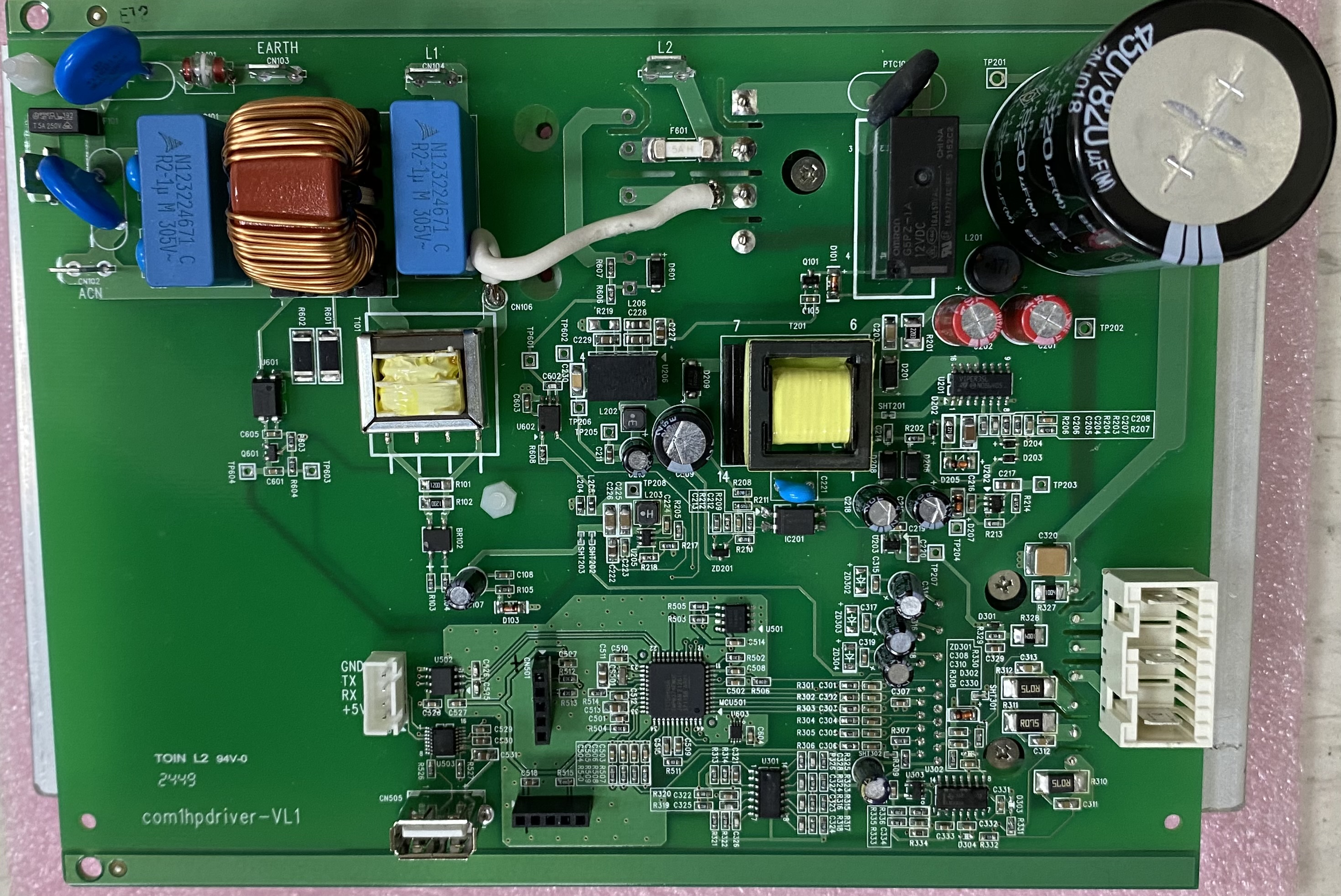
Innovation Economy | Green Energy & EnvironmentTechnology Introduction: • Technological Innovation – The 7kW compressor variable frequency drive module for heating uses field-oriented control (FOC) without sensors, and a boost circuit architecture with active power factor correction (APFC) is installed in the front stage to improve the power factor. Users can control the compressor speed through RS485 communication or speed modulation command (PWM interface). The rated power is 1.3kW, and the drive efficiency is ≧93%. • Competitive or Intellectual Property Advantages – Special inverter for refrigerant compressor with Taiwan's production line. • Important Achievements / Awards – The MIT solution and supply chain for compressors of HVAC application. Industry Applicability: This module develops wide-range capacity-adjustable compressor drive control technology, with a compressor load capacity range of 20~130%. This helps to improve electromechanical module technology, open variable-frequency electromechanical drive firmware, support the domestic heat pump industry's electromechanical control software/hardware independent capabilities, and establish a complete compressor/drive controller supply solution.
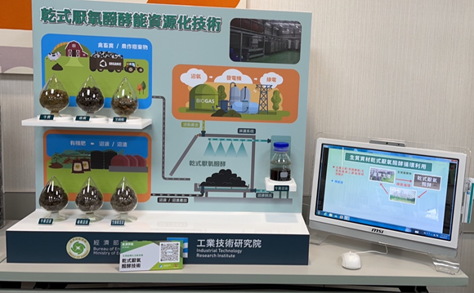
Innovation Economy | Green Energy & EnvironmentTechnology Introduction: Dry anaerobic fermentation system converts solid biomass waste such as food waste, poultry and livestock manure, and agricultural waste into biogas, which can be used for biomass heat and electricity. Combined with patented hydrolyzing bacteria (cellulose/protein/oil), it can improve the decomposition rate of feed source, increase gas production and shorten fermentation time.In addition to helping industries solve the problem of biomass waste pollution, it can also expand the application scope of green energy industry materials. Industry Applicability: ★Agriculture: fruit and vegetable residues, livestock manure (cows, chickens, pigs), agricultural sludge, waste mushroom bags ★Industry: Food scraps, food sludge, other industrial sludge ★Livelihood: food waste, sewage sludge
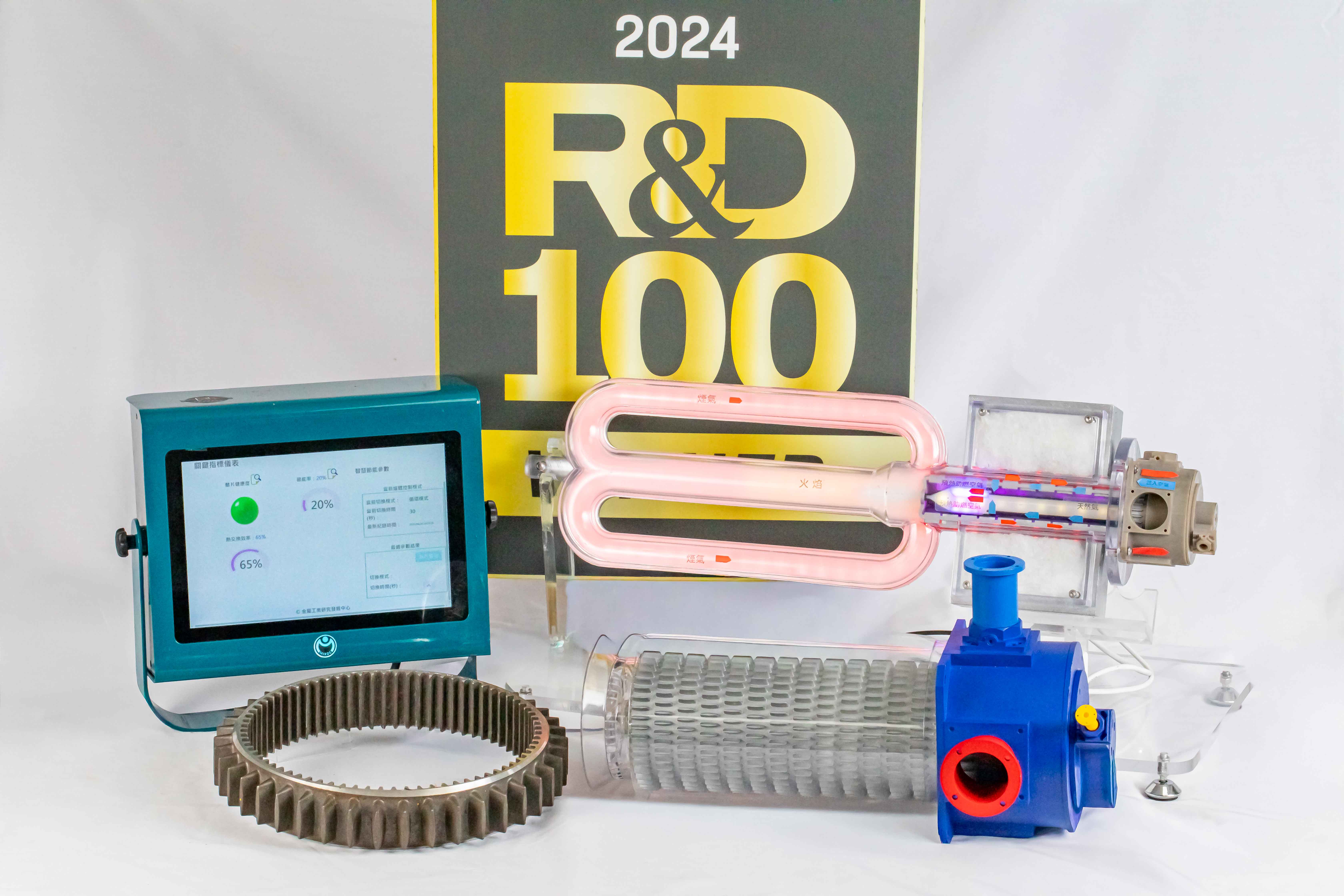
Innovation Economy | Green Energy & EnvironmentAI learning establishes a prediction model that can truly reflect the characteristics of combustion furnaces and self-preheating burners. According to the needs of individual combustion furnaces, intelligent dynamic decisions are made on the switching time and switching mode of multiple burners. Through the rolling correction of historical parameters, the model accuracy can be continuously operated in the best energy-saving mode at high average temperature. Provides solutions for improving the long-term energy-saving efficiency of medium and high temperature (500~950 °C) combustion furnaces.
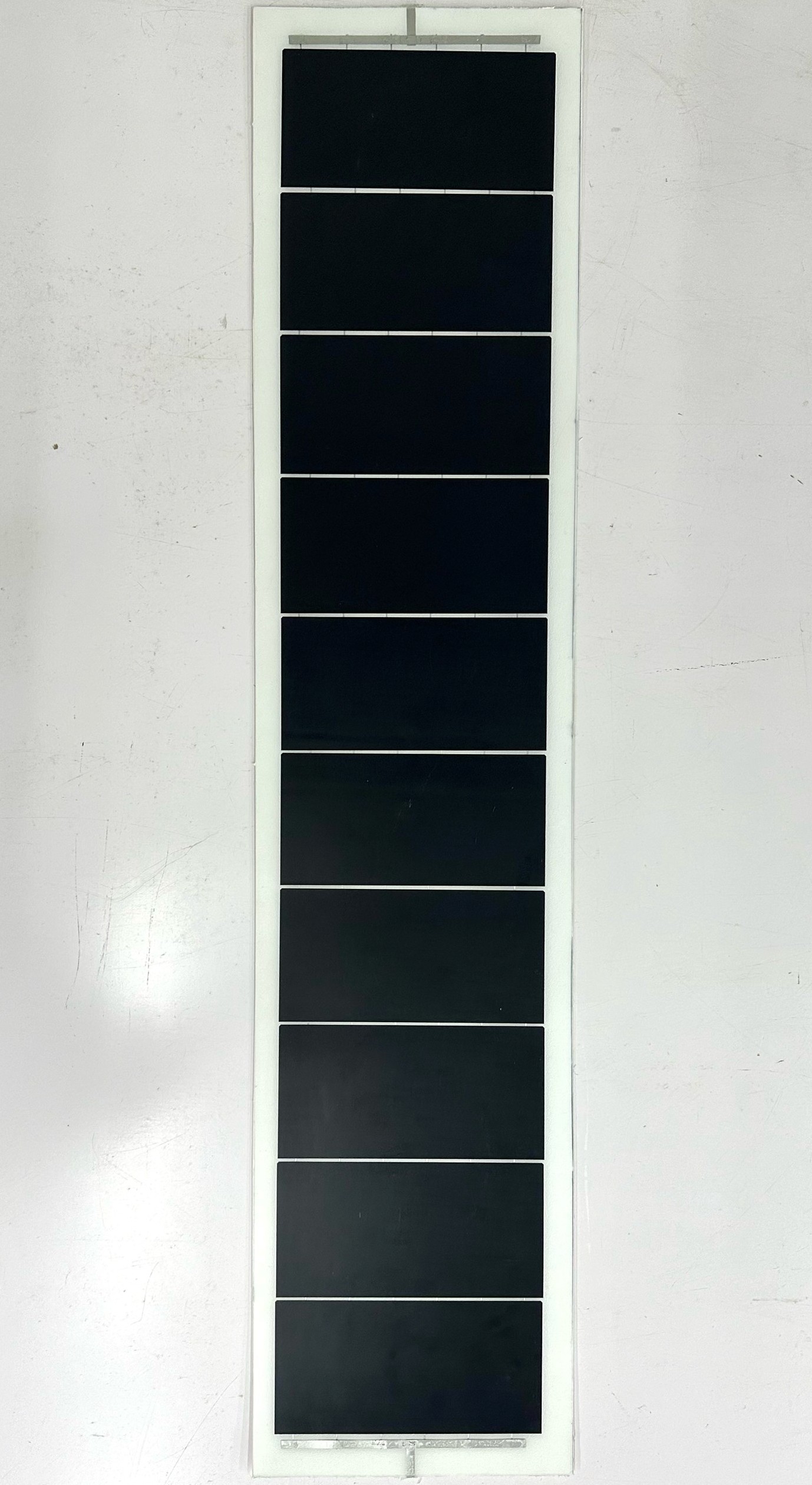
Innovation Economy | Machinery & SystemTechnology Introduction: The "Flexible Silicon TBC PV Module" uses the independently developed high-efficiency TBC ( TOPCon Back Contac) silicon solar cell technology and uses high-transmittance with low-glare encapsulant. It can replace the glass of traditional solar panel. The module not only reduces the weight by 70%, but also weighs only 3 kilograms per square meter. The bendable and easy-to-install features can be applied to old roofs with insufficient load-bearing capacity or large-span agricultural power symbiosis sites. It can also be widely used in mobile power sources such as campers, ambulances, etc., demonstrating multiple system applications and helping to increase the amount of solar photovoltaic installations. Industry Applicability: The "Flexible Silicon TBC PV Module" has bendable and easy-to-install features can be applied to old roofs with insufficient load-bearing capacity or large-span agricultural power symbiosis sites. It can also be widely used in mobile power sources such as campers, ambulances, etc., demonstrating multiple system applications and helping to increase the amount of solar photovoltaic installations.
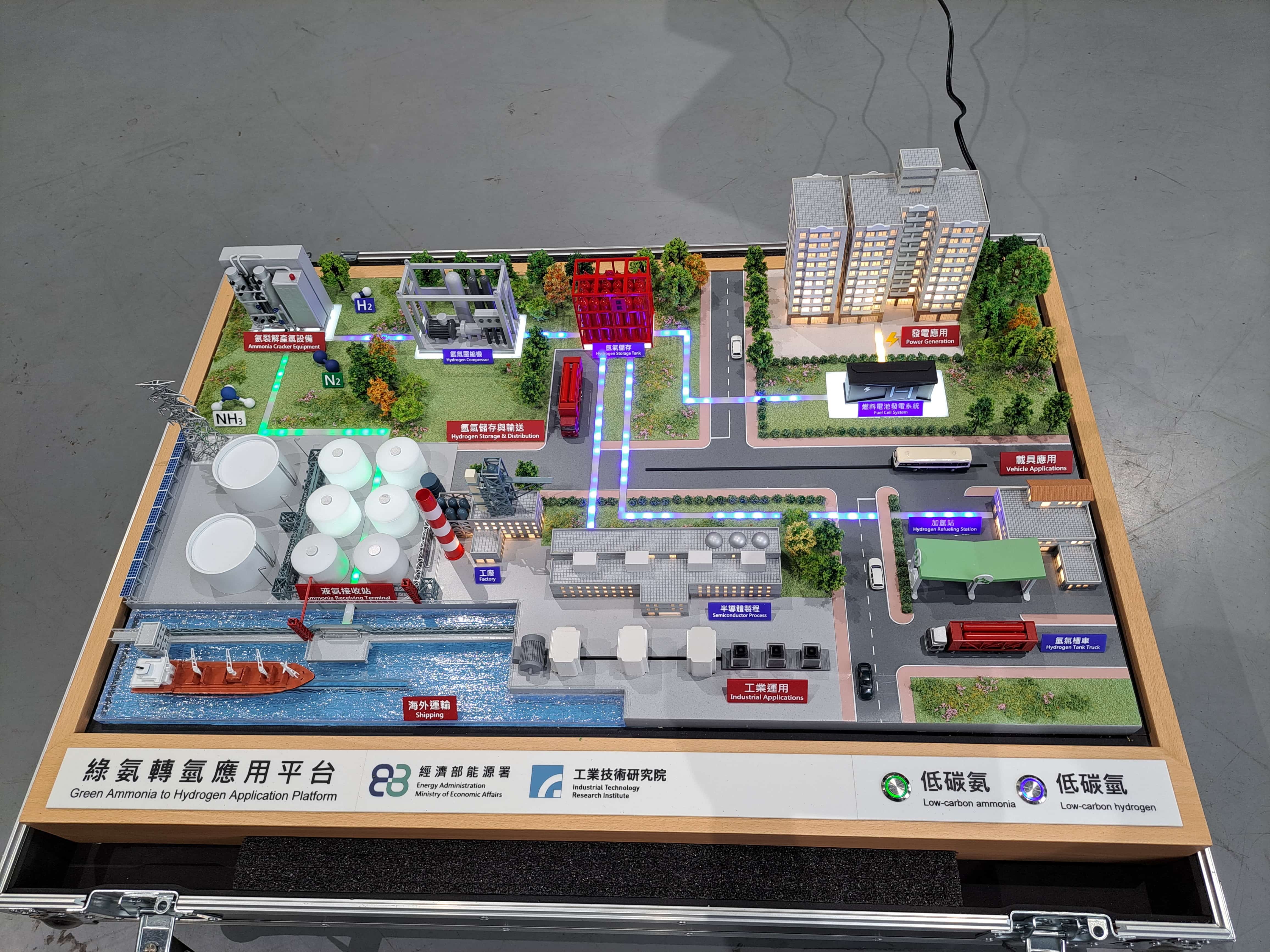
Innovation Economy | Green Energy & EnvironmentTechnology Introduction: High-efficiency ammonia cracking and hydrogenation technology, using low-energy catalyst and high-efficiency reactor design. Develop medium-temperature catalyst (<=600 ℃) and ammonia cracking reactor, 100 Nm3/h green ammonia hydrogenation system with an energy efficiency of >75% and integrate 200kW hydrogen/ammonia feed SOFC systemfor power generation application. Provide low-carbon hydrogen source for the industry, combined with power generation, industry, transportation and other applications, to create a net zero carbon reduction solution for the industry. Industry Applicability: By importing green ammonia through a mature ammonia supply chain and converting it into hydrogen domestically for low-carbon applications such as power generation, industry, and transportation, we will deploy patents for high-performance catalyst materials, develop green ammonia-to-hydrogen conversion, hydrogen-ammonia combustion, and integrated power generation application technologies, which can accelerate the industry's achievement of carbon reduction goals and enhance product export competitiveness.
Innovation Economy | Green Energy & EnvironmentComing soon!