Comprehensive utilization of seaweed and functional product development technology

Technology Introduction:
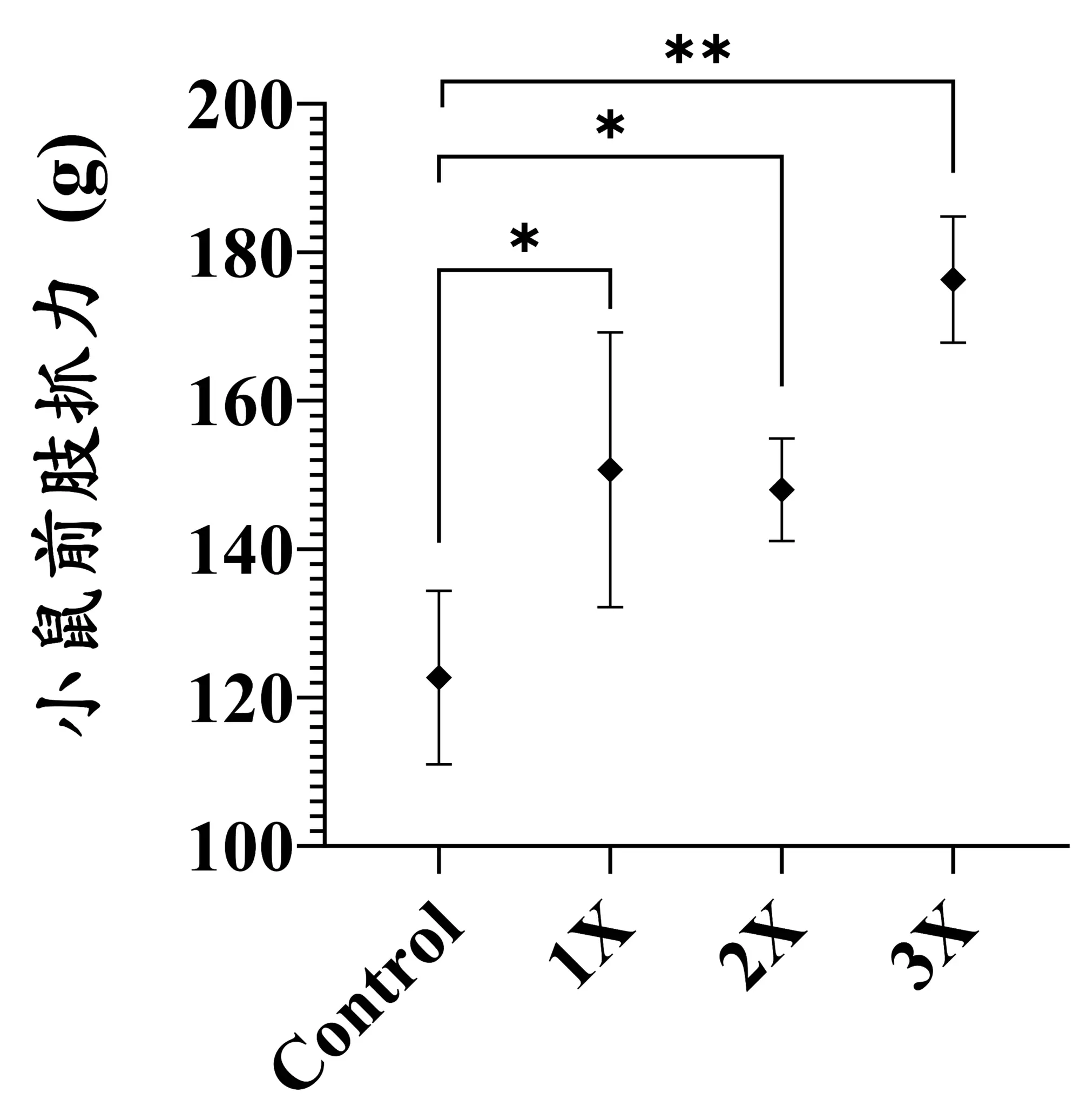
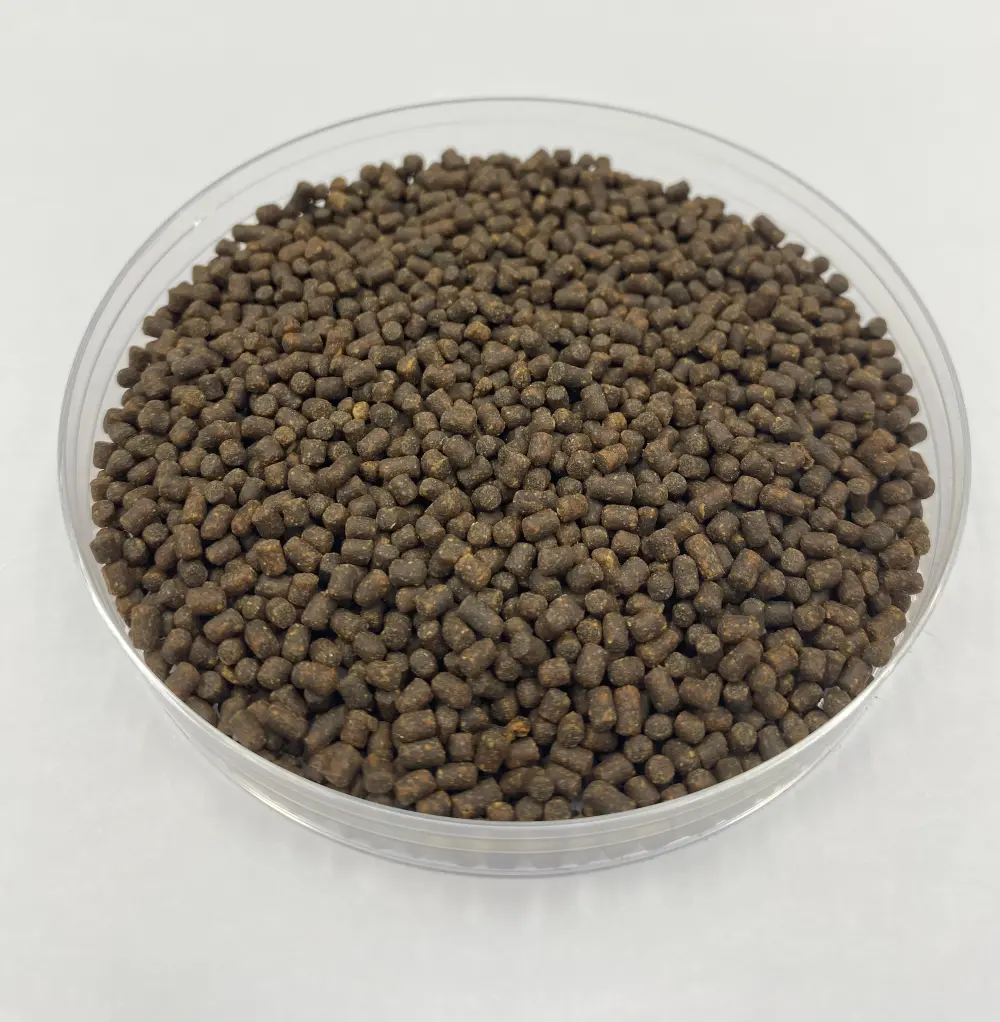
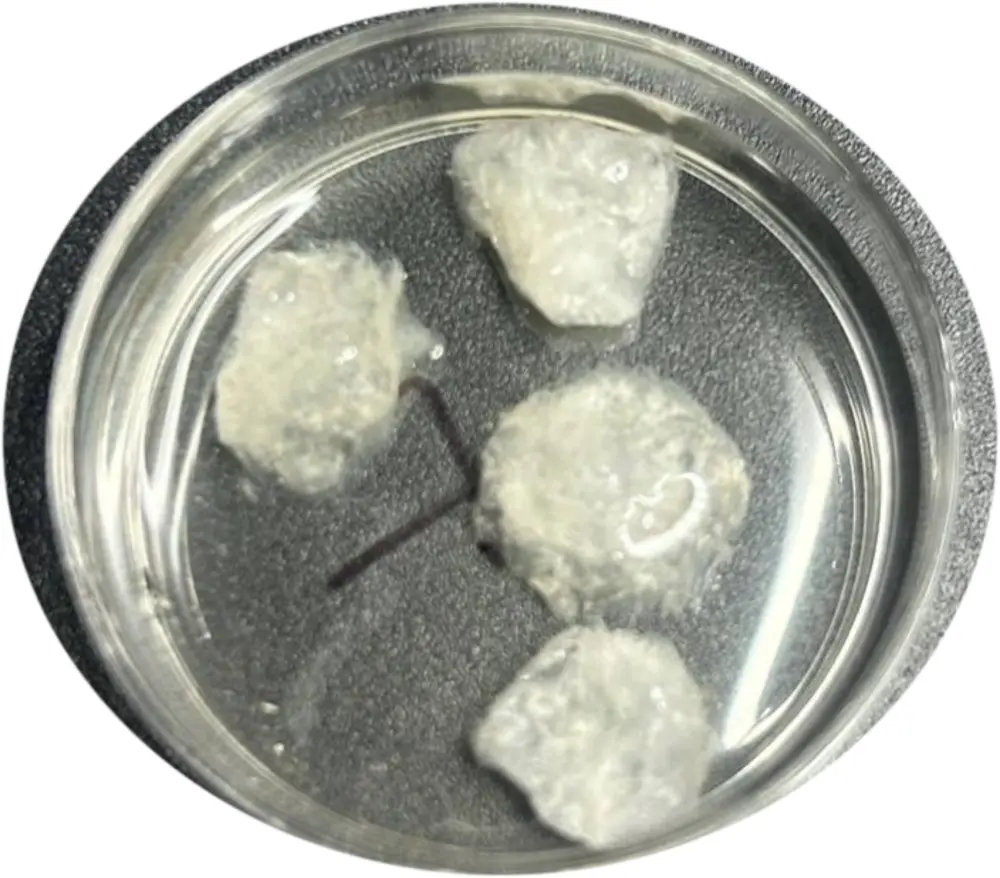
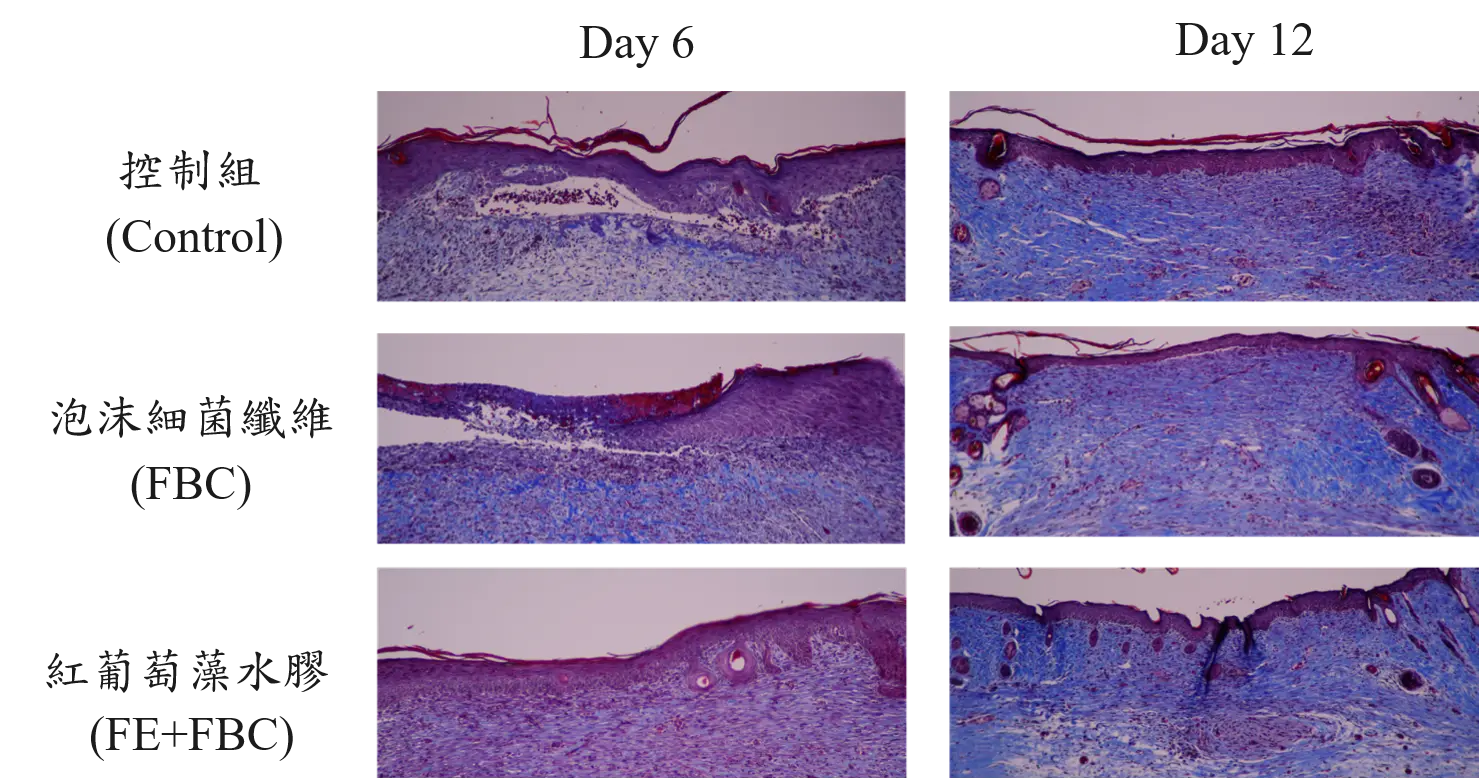
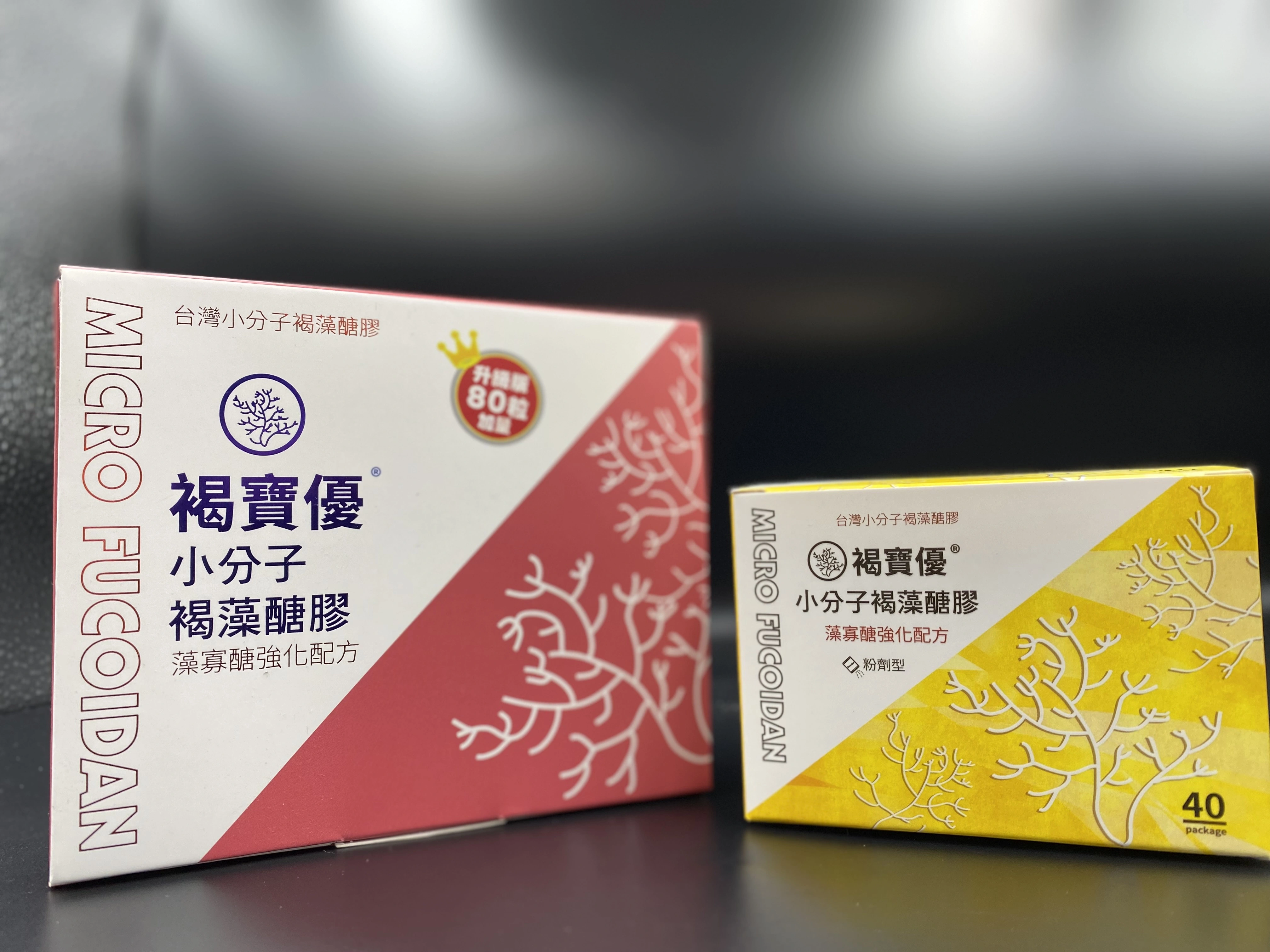
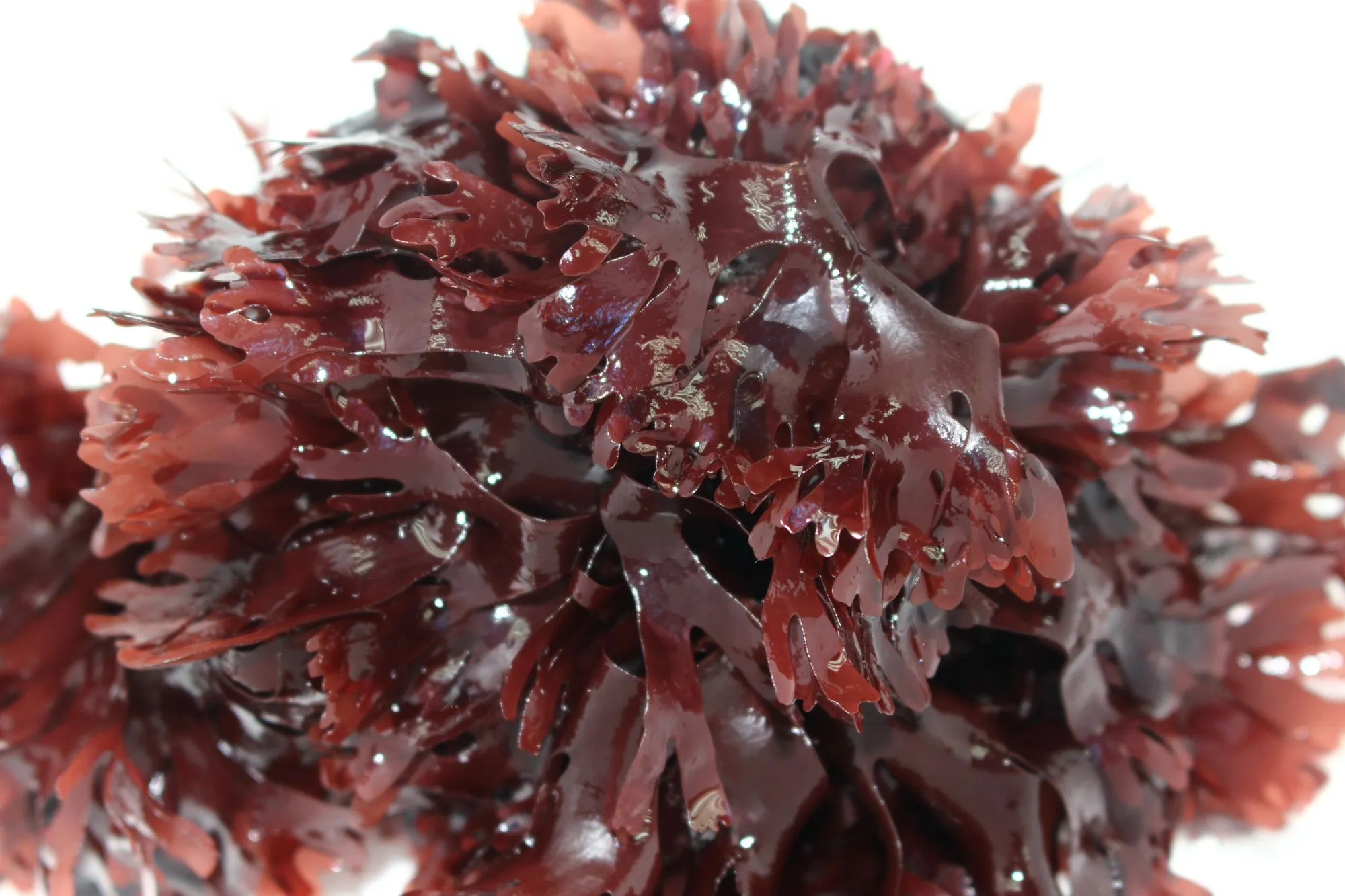
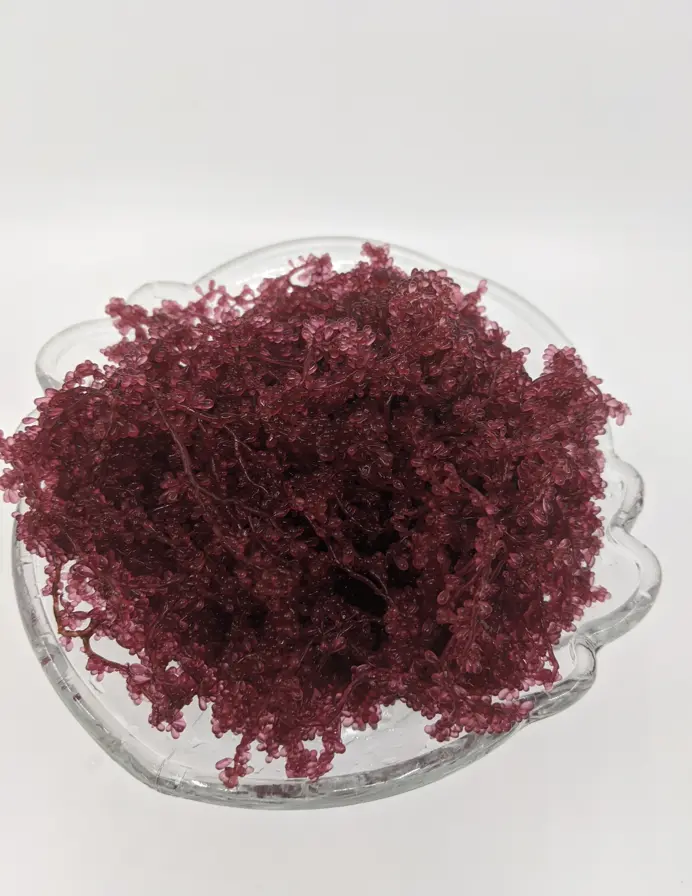
This technology implements the concepts of complete resource utilization and circular sustainability, using diverse local algae such as <>Undaria pinnatifida<>, <>Botryocladia leptopoda<>, and <>Sarcodia suae<> as raw materials to achieve full-plant utilization through core technologies including polysaccharide separation, peptide preparation, and probiotic fermentation, developing fucoidan, health beauty, and sleep-aid functional products. Meanwhile, the fermented extracts and algal dregs are repurposed into natural health-promoting feed, which has been field-tested to significantly stimulate the immunity and antioxidant capacity of fish and shrimp, increase survival rates, optimize feed conversion ratio (FCR), and reduce dependence on chemical antibiotics, perfectly meeting the demand for safe, zero-waste, and green low-carbon aquaculture with broad market competitiveness.
Industrial Applications:
-
Fisheries Research Institute, Ministry of Agriculture
Established in 1929 and officially restructured as the Fisheries Research Institute (FRI), Ministry of Agriculture in 2023, the FRI is Taiwan's premier government institution for fisheries research and technology extension. Headquartered in Keelung, its core operations are driven by four primary divisions—Technical Services, Marine Fisheries, Aquaculture, and Seafood Technology. To ensure comprehensive nationwide coverage, the institute also operates six specialized regional research centers across Taiwan, focusing on freshwater, mariculture, and coastal to offshore fisheries biology.
The Institute is supported by robust research infrastructure, including a fleet of three dedicated vessels (Fisheries Researcher I, II, and Hai-An). Furthermore, it oversees strategic aquatic germplasm banks in Changhua (Lukang), Penghu (Qingwan), and Taitung (Zhiben), while managing the nation’s first field isolation facility for genetically modified aquatic organisms in Tainan (Qigu). Together, these facilities solidify the FRI's pivotal role in advancing Taiwan's sustainable aquaculture and marine biotechnology.
The Institute is supported by robust research infrastructure, including a fleet of three dedicated vessels (Fisheries Researcher I, II, and Hai-An). Furthermore, it oversees strategic aquatic germplasm banks in Changhua (Lukang), Penghu (Qingwan), and Taitung (Zhiben), while managing the nation’s first field isolation facility for genetically modified aquatic organisms in Tainan (Qigu). Together, these facilities solidify the FRI's pivotal role in advancing Taiwan's sustainable aquaculture and marine biotechnology.