

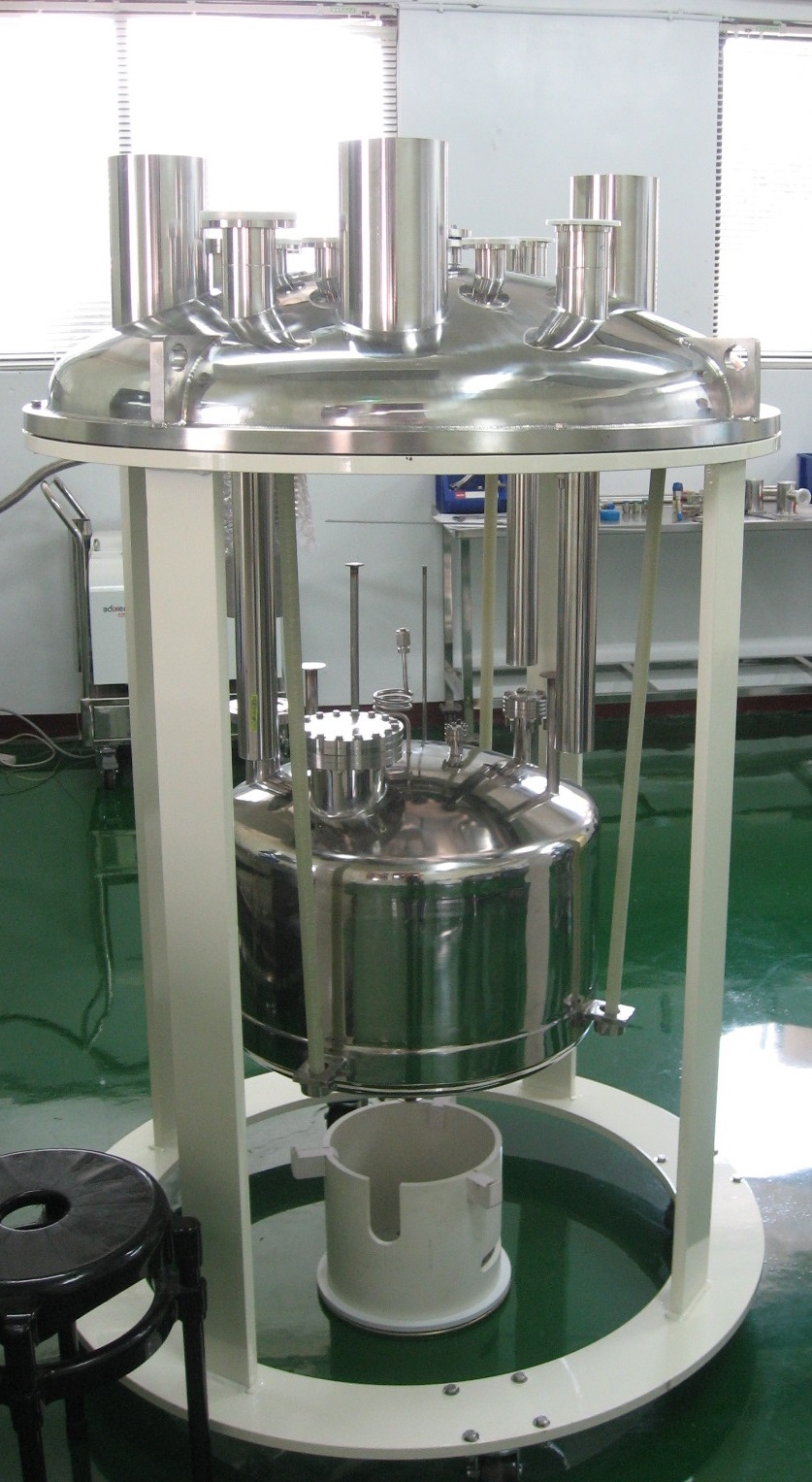
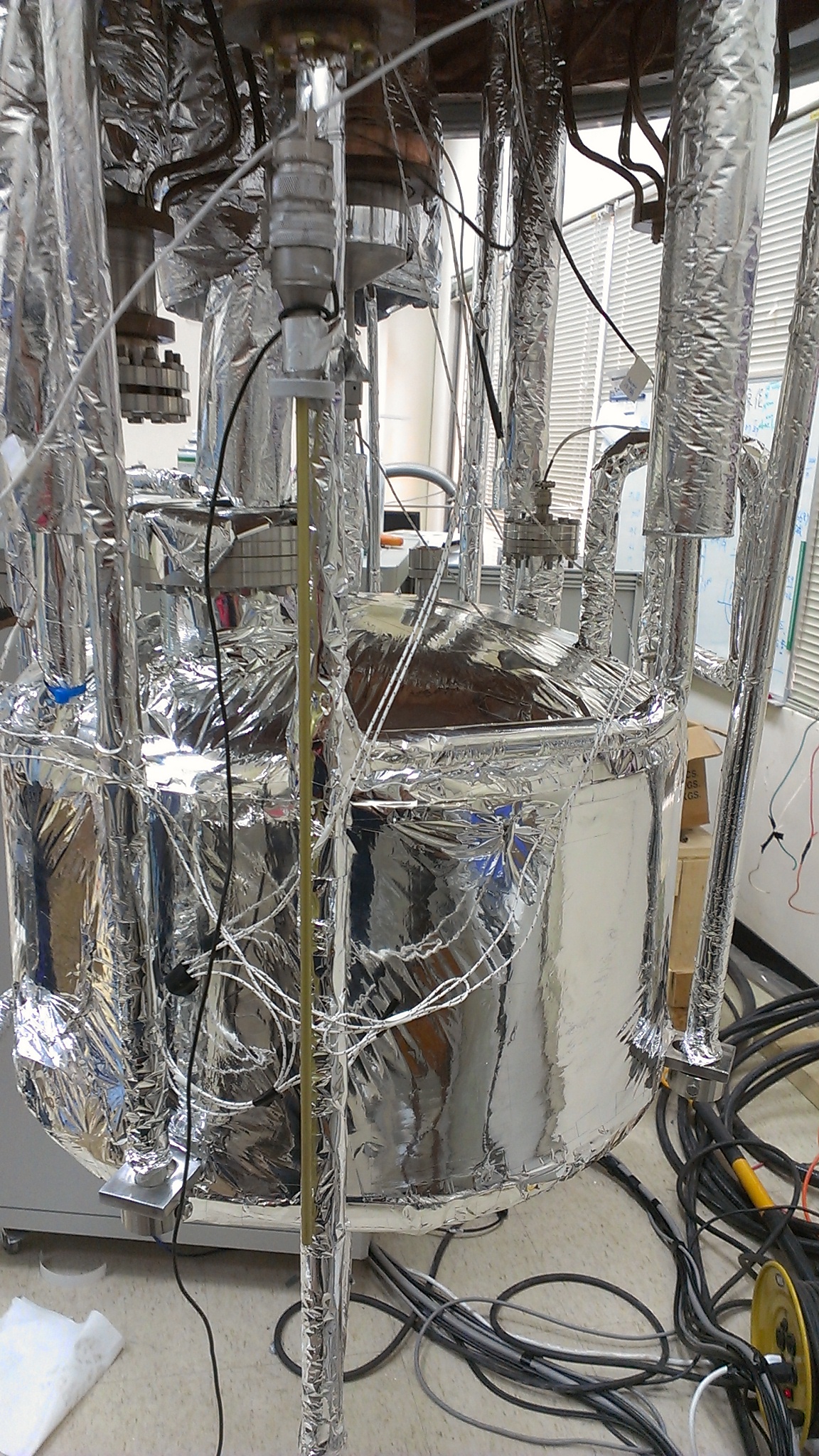
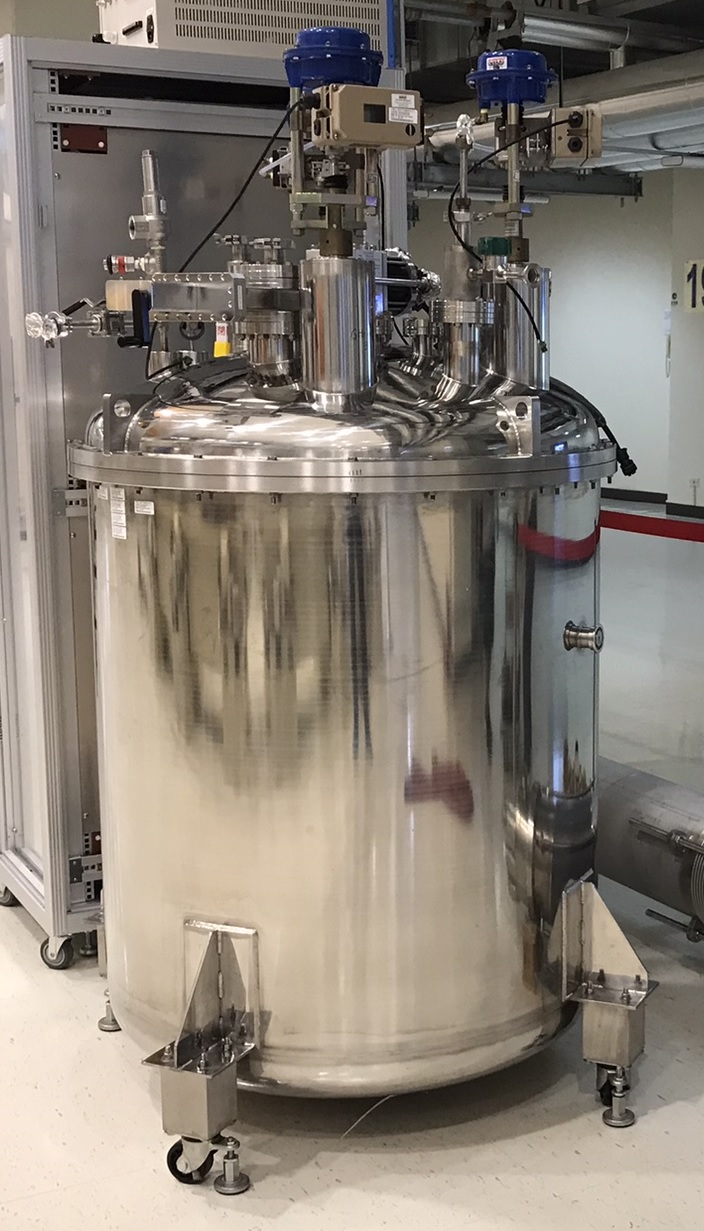
This technology for the liquid helium phase separator consists of a refrigerator, heat exchange unit, radiation shield, and storage tank.
Core Technology: Utilizes the low-temperature environment provided by the refrigerator to condense helium gas through the heat exchange unit.
Heat Load Reduction: The system is designed to minimize heat load, thereby improving the efficiency of liquid helium storage.
Recondensation: When helium gas vaporizes, the system recondenses it into liquid helium.
NSRRC, the biggest large-scale shared research facility in Taiwan, currently operates two accelerators, the Taiwan Light Source (TLS) and the Taiwan Photon Source (TPS). TLS, of beam energy 1.5 GeV and circumference 120 meters, is the first third-generation synchrotron light source facility in Asia and the third globally. It has opened to users since October, 1993. The best optimized energy range of synchrotron light from TLS is between vacuum ultraviolet light and soft X-rays. The TPS, of circumference 518.4 meters, is one of the brightest synchrotron light sources in the world. It began its operation in September, 2016. To meet the demands from modern technologies and pioneer sciences for higher-brightness light beams, such as biomedicine and nanoscience, it is equipped with a low-emittance synchrotron storage ring and booster synchrotron producing a beam of energy 3 GeV. It generates X-rays in the higher energy range from soft X-rays to hard X-rays, and has a capacity of more than 40 beamlines. In addition, NSRRC built and operates two hard X-ray Taiwanese beamlines at SPring-8, Japan, as well as a cold neutron triple-axis spectrometer at the Australian Nuclear Science and Technology Organisation (ANSTO), under the international collaboration agreements. Scientists from around the world can access NSRRC’s facilities to explore the properties of materials in a wide range of disciplines through a competitive proposal process. Every year, over 2,000 users use NSRRC’s experimental facilities, which not only enable basic research, but also facilitate high-tech innovation. NSRRC possesses one of the most advanced synchrotron facilities in the world and its pioneering capabilities keep Taiwan at the forefront of scientific research.
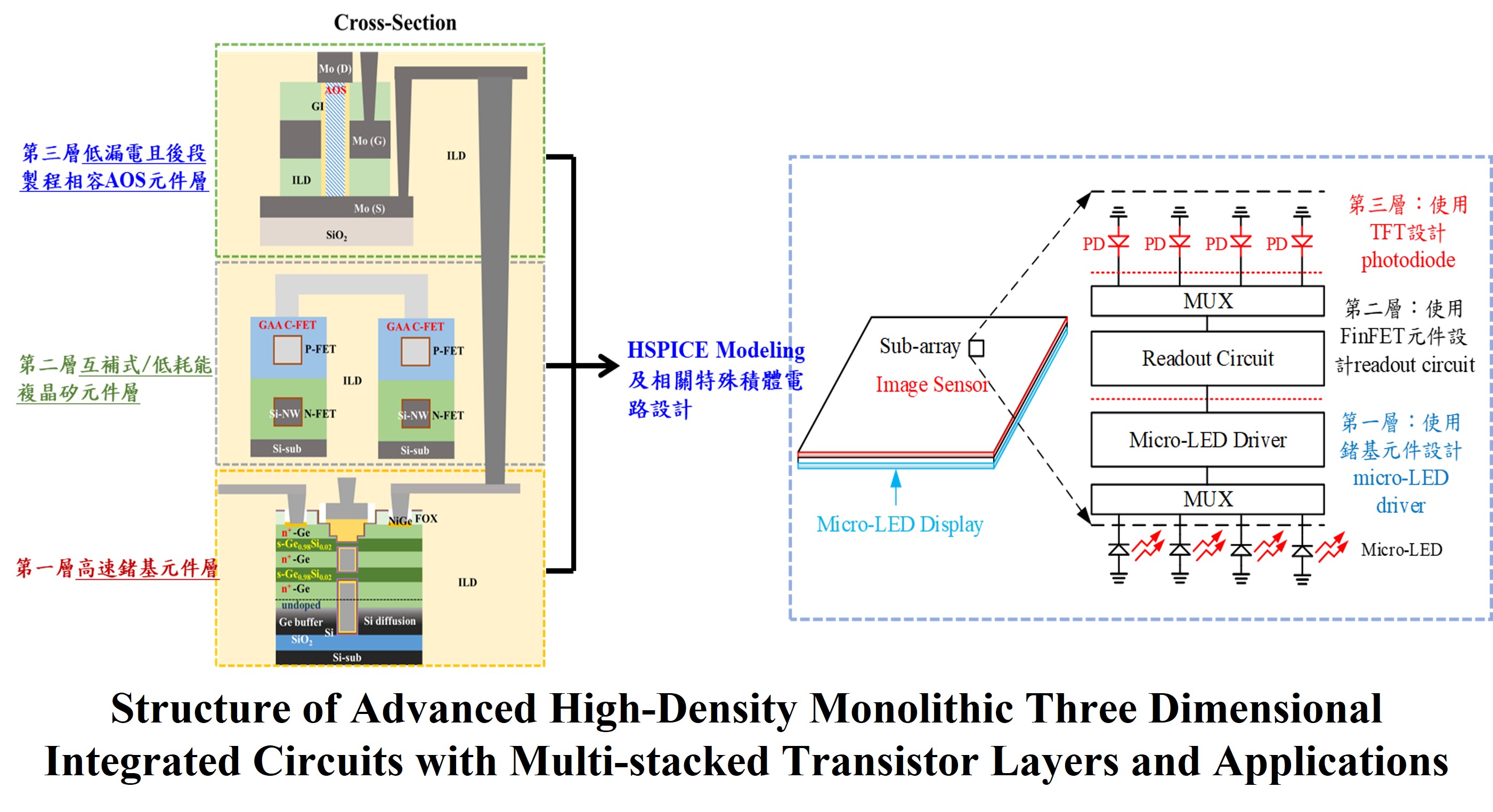
Development for Advanced High-Density Monolithic Three Dimensional Integrated Circuits with Multi-stacked Transistor Layers
Resonant Magnetic Coupling Wireless Power Transfer System with Calibration Capabilities of Its Inductor-Capacitor Resonant Frequencies
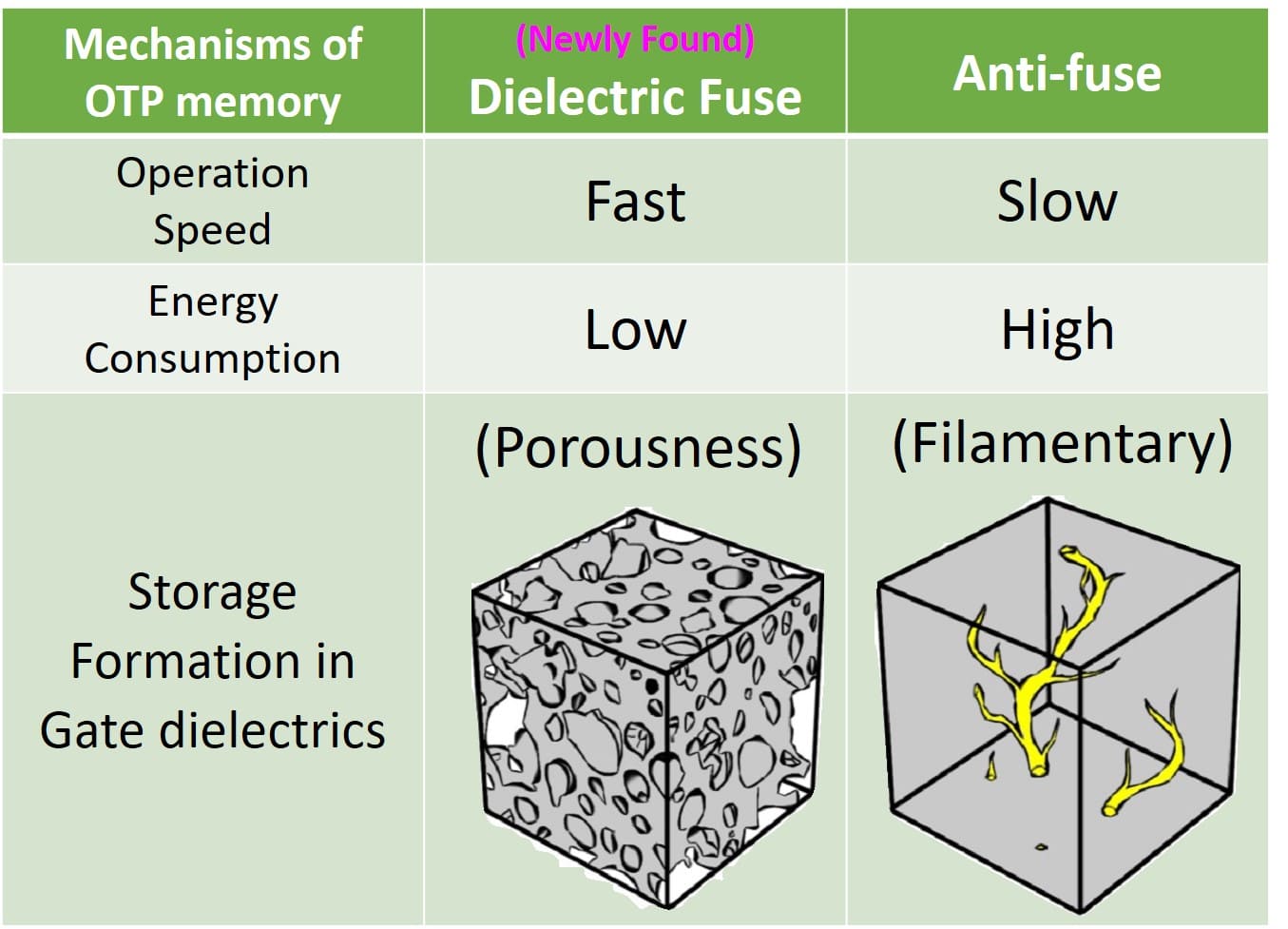
A Low-cost, Low-power, and High-speed “Dielectric-fuse Breakdown OTP” (dFuse OTP) Fully Integrated on CMOS Platform without Additional Masks
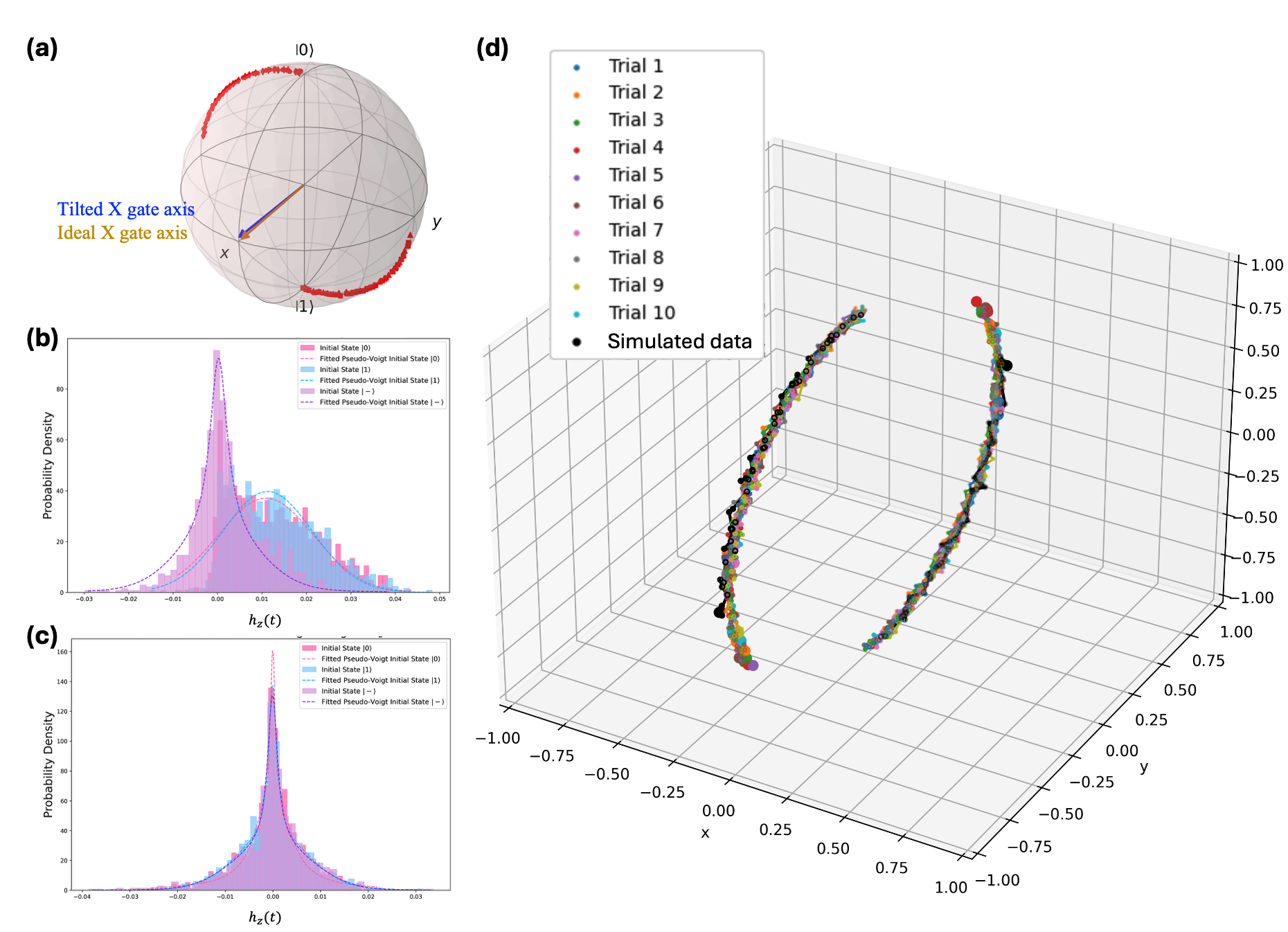
Exploring the Future of Chemistry and Materials Science through Quantum Noise Characterization and Simulation
Technology maturity:Trial production
Exhibiting purpose:Display of scientific results
Trading preferences:Negotiate by self
*Organization
*Name
*Phone
*Main Purpose
*Discuss Further
*Job Category
*Overall Rating
*Favorite Area
*Key Tech Focus
*Willing to Receive Updates?
Other Suggestions
Coming soon!