Select Field
Select Ministry
27 results
Technology Introduction: The system integrates patented technologies for cognitive assessment games, muscle strength assessment and training games, image recognition, non-contact physiological signal measurement, and AI algorithms to establish an interactive digital health promotion and assisted care platform. It collects multimodal data such as blood pressure, heart rate, muscle strength, body composition, functional fitness tests, cognitive assessment scores, and gait analysis. Through AI analysis, the system provides users with information about their health status, including physical function, cognitive ability, and muscle strength. Industry Applicability: The technology can be applied in long-term care centers, communities, and home care settings, offering commercial flexibility. Users can perform self-assessments at home or in care facilities using a tablet or computer. The system records the data and uploads it to a cloud database for long-term tracking, helping to detect functional decline at an early stage and providing valuable reference for physicians.
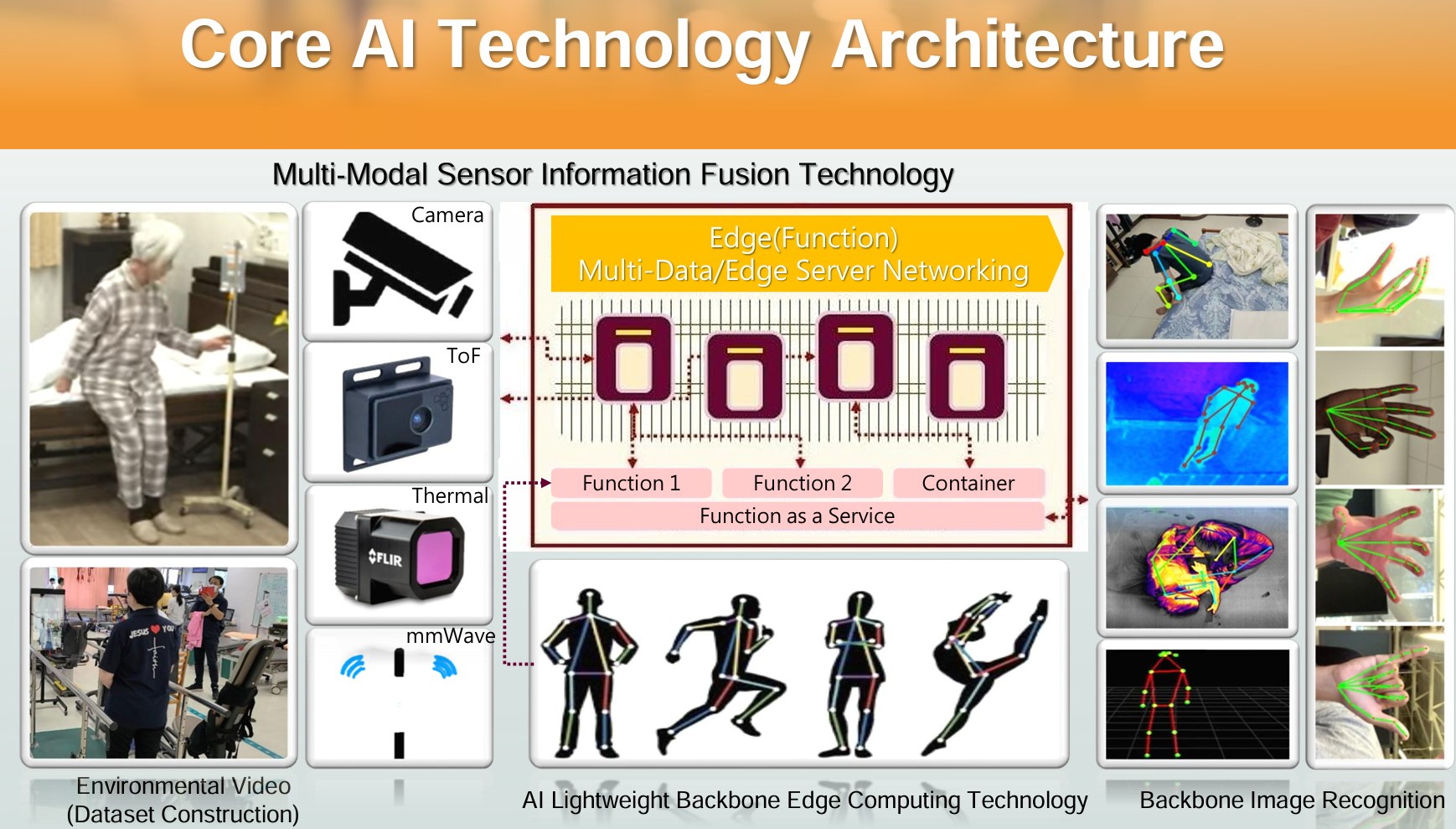
Future Tech | Biotechnology & Medical careTechnology Introduction: Our interactive toddler gear utilizes AI technology to transform the professional evaluation items in the ""Taipei City Pre-School Children Development Progress Evaluation Form, Taipei-II"" into AI-interpretable, quantifiable digital metrics. This allows children to engage in both play and learning while enabling parents and professionals to fully monitor their physical and psychological developmental progress. The three core AI technologies include: *Whisper STT model: Precisely analyzes children's language development capabilities. *MediaPipe pose recognition model: Identifies gross motor development in infants. *Child-action-recognition model: Detects specific developmental milestone behaviors. Industry Applicability: Our product holds significant market potential: interactive toddler gear itself is already a vast and rapidly growing industry. By integrating play with developmental assessment, children naturally demonstrate their language, motor, cognitive, and emotional abilities during play and learning. Grounded in the Taipei City Pre-School Children Development Progress Evaluation Form, the system transforms interactive toys into early screening tools that are both entertaining and professional. On one hand, it addresses many parents’ concerns about developmental delays or differences. On the other hand, it can be widely deployed across early intervention centers, kindergartens, pediatric clinics, and educational institutions. Leveraging AI-based image and speech analysis, the system automatically generates professional developmental reports, enabling practitioners to efficiently assess children’s progress. The continuous accumulation of large-scale data also facilitates interdisciplinary collaboration and research, creating new oppurtunities for the child development and education industries."
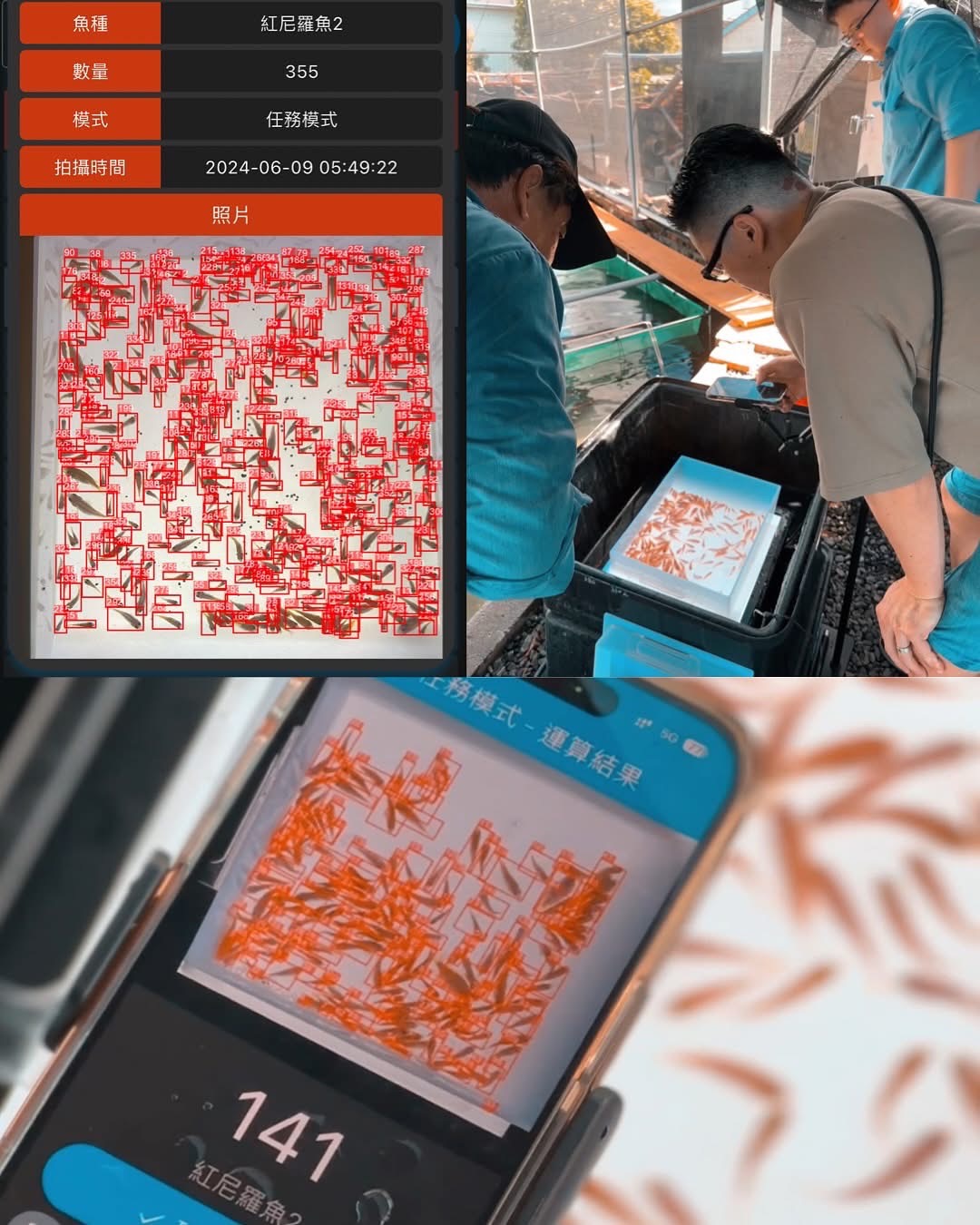
Future Tech | Life ApplicationTechnology Introduction: Our technology turns smartphone into a powerful analysis tool with our AI software. Supporting both cloud and edge computing for real-time analysis, it also features a modular design for rapid deployment. The core AI, using YOLO v10/v11, dynamically counts over 30 species with 97% accuracy. All data is synced to the cloud, ensuring complete production traceability. Industry Applicability: Count 40+ commercial fish fry species with 97% accuracy using your smartphone—10x faster than manual labor. Our pioneering AI platform integrates smart inventory, cloud data, and QR Code traceability to solve transaction opacity and poor inventory control. Patented in Taiwan & China (U.S. pending), verified in 30+ farms, and now listed for government subsidies in Taiwan.
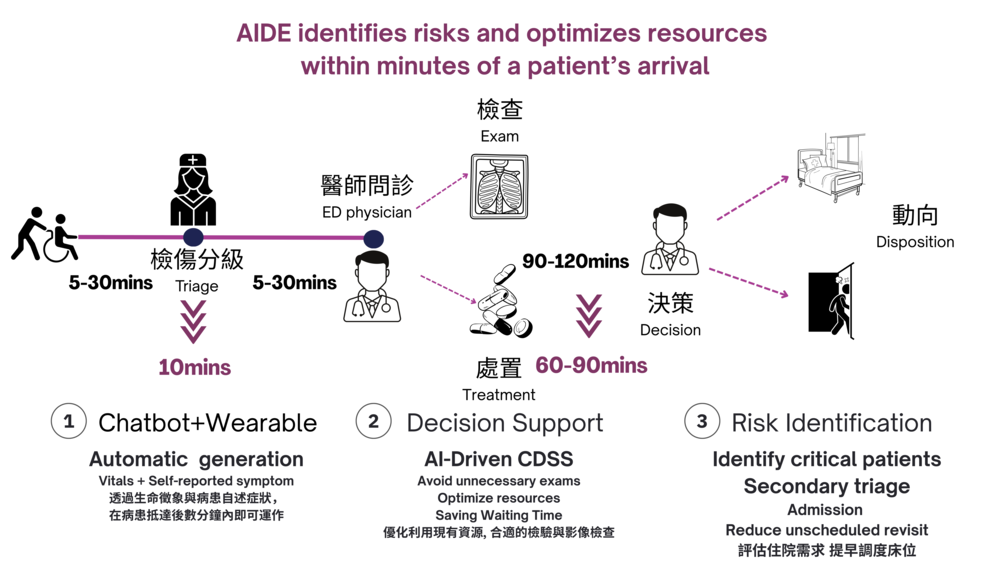
Future Tech | AgricultureTechnology Introduction: AIDE leverages large language models and generative AI to integrate early vital signs and chief complaints of emergency patients. It enables early risk detection and real-time recommendations, improving care efficiency, reducing misdiagnosis and delays, and ensuring timely, accurate treatment while lowering unnecessary costs. Recognized with the 2025 AI Innovation Award, AIDE demonstrates strong potential for clinical decision support. Industry Applicability: AIDE help hospitals reduce patient wait times, ensure care quality, address workforce shortages, enhance reputation and competitiveness, and strengthen system advantages. It adopts a revenue-sharing model with hospitals, requiring no high upfront investment and payment is based on actual returns, lowering adoption barriers and aligning stakeholder interests. Protected by strong intellectual property rights, AIDE offers immediate clinical utility and long-term commercial potential.
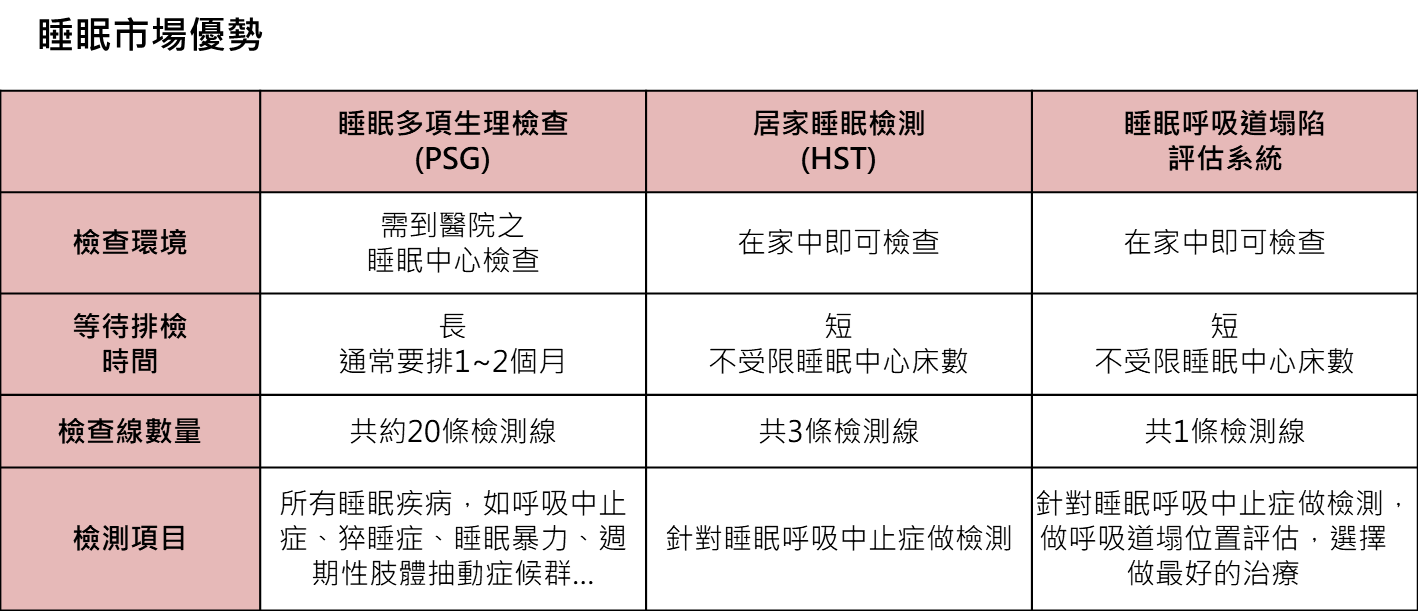
Future Tech | Biotechnology & Medical careTechnology Introduction: Heroic Faith Medical is dedicated to technological innovation in the fields of anesthesia and sleep apnea monitoring. • Continuous respiratory sound monitoring in ICUs, operating rooms, and anesthesia settings to enhance safety in high-risk environments. • Home screening for airway collapse and potential sleep apnea to support early detection and monitoring. Industry Applicability: The AIRMOD System™, which includes the AccurSound 101 Electronic Stethoscope and the Airmod Display smart breathing monitoring software, provides continuous monitoring of patients' respiratory conditions. This meets the need for continuous monitoring and recording of patients' physiological signs in medical settings.
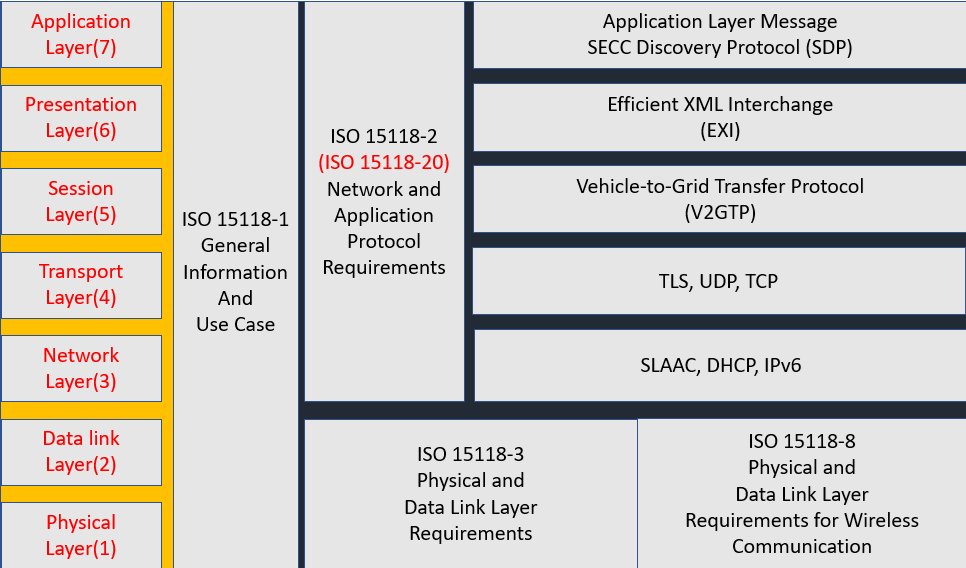
Future Tech | Life ApplicationTechnology Introduction: This technology implements ISO 15118-20 AC-BPT protocol via WiFi TCP connection, with EVCC as the client and SECC as the server, using three-way handshake. It covers session setup, authorization, service scheduling, and power transfer, ensuring secure, efficient charging with multi-certificate and scheduling algorithm support. Industry Applicability: This technology applies to EV charging and Vehicle-to-Grid systems, using battery wear-based scheduling to cut costs by 30% and CO₂ by 1.8%. Without hardware upgrades, it suits public chargers and smart homes, driving green transport and energy management upgrades.
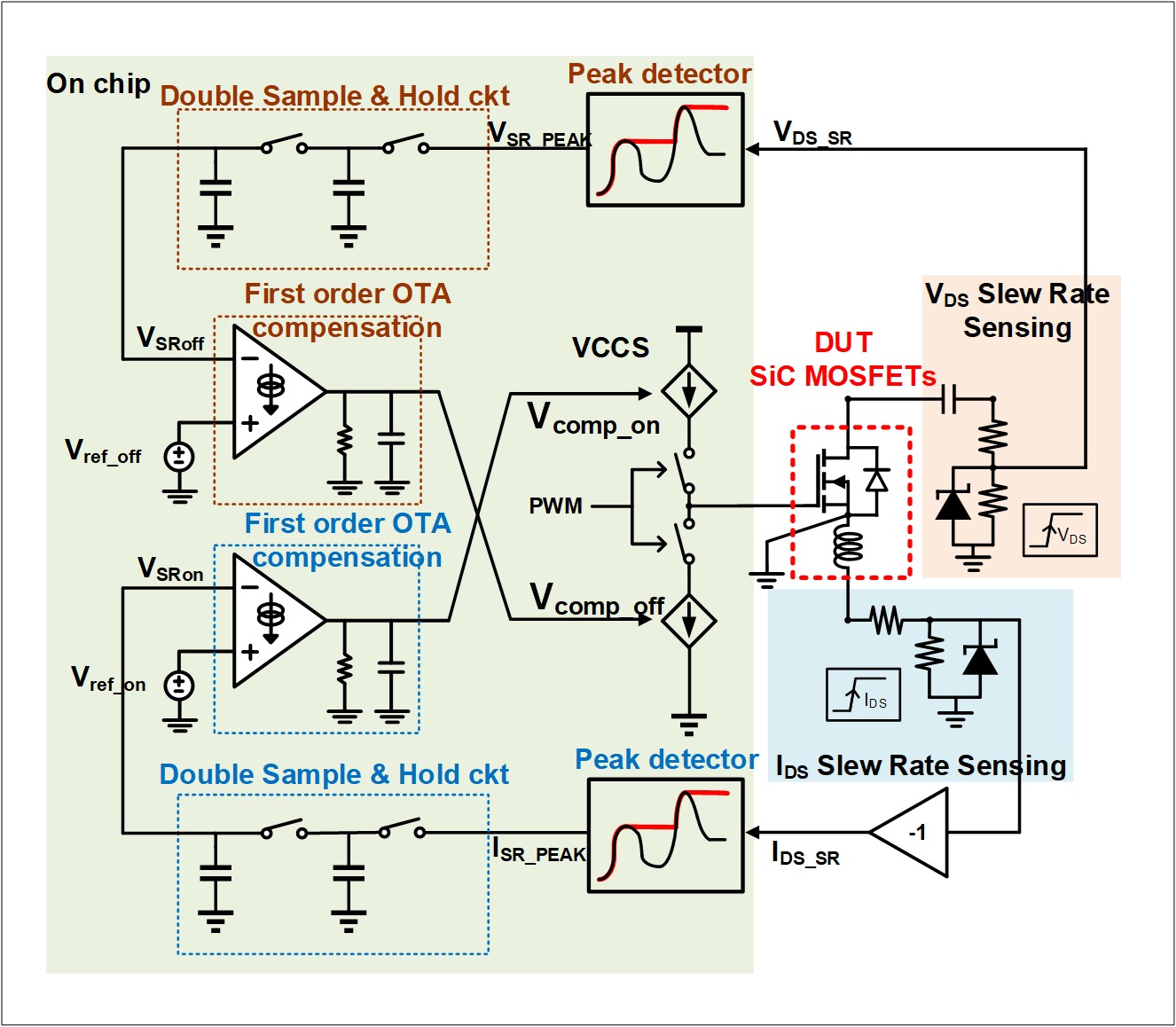
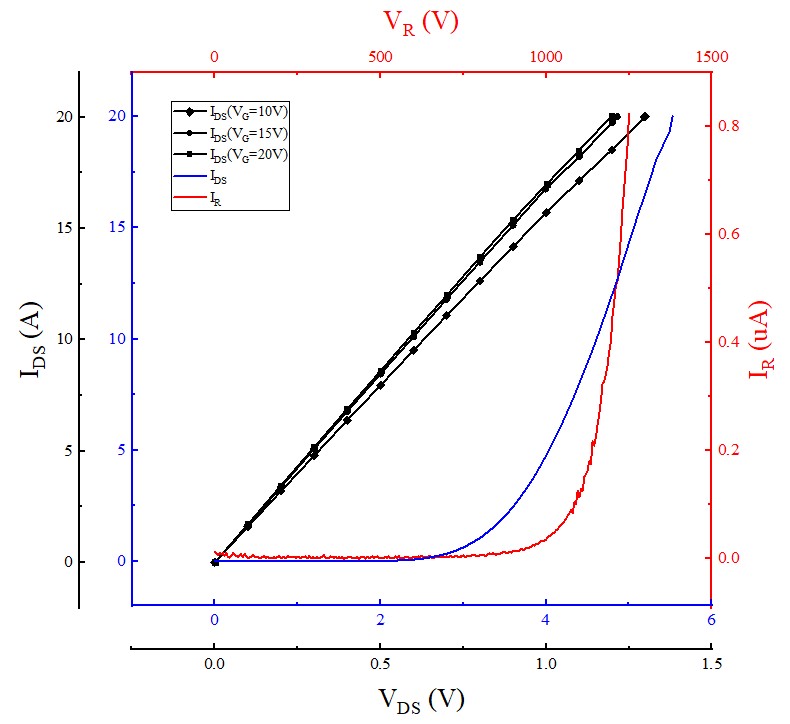
Future Tech | Information & CommunicationsTechnology Introduction: This technology is a closed-loop SiC driver IC designed for high-speed switching applications. It features slope detection and active compensation to precisely control di/dt and dv/dt, reducing EMI and overshoot. The integrated current source and sink enable accurate gate current regulation. A memory-based control mechanism further enhances switching stability by iteratively adjusting to the target slew rate. The solution is ideal for high-efficiency, high-power-density power conversion systems. Industry Applicability: This technology is suitable for EVs, power modules, and renewable energy systems. It features dynamic slew rate control to suppress EMI and improve switching quality. The design addresses SiC parameter variation and parasitic effects with precision gate control. It reduces system design complexity and sorting costs. Overall, it enhances power conversion efficiency and reliability.
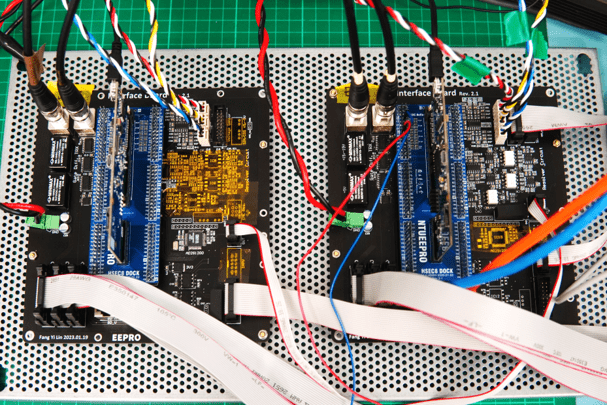
Future Tech | Information & CommunicationsTechnology Introduction: Using the EME instead of a real motor for the motor driver testing offers many advantages such as simple operation, rapid specification adjustments, the ability to simulate motor fault conditions, absence of rotating components, shorter R&D cycles, and energy recovery. The key aspects of EME technology include: motor modeling, numerical computation, delay compensation, current control, harmonic suppression, speed signal feedback, and more. This work is a 30 kW prototype, which can be directly interfaced with motor drivers to complete testing under different torque and speed conditions. Industry Applicability: The EME can replace traditional motor drive testing, offering advantages such as low energy consumption, noiseless operation, safety, and stability, thereby boosting R&D efficiency and product reliability. It can reduce development costs by 50–80% and shorten timelines by 50%, while meeting multi-scenario verification requirements. The technology is highly scalable and applicable to diverse industries such as electric vehicles, energy storage, and renewable energy. It is expected to become a key technology in the power electronics industry chain, enhancing competitiveness and creating high added value.
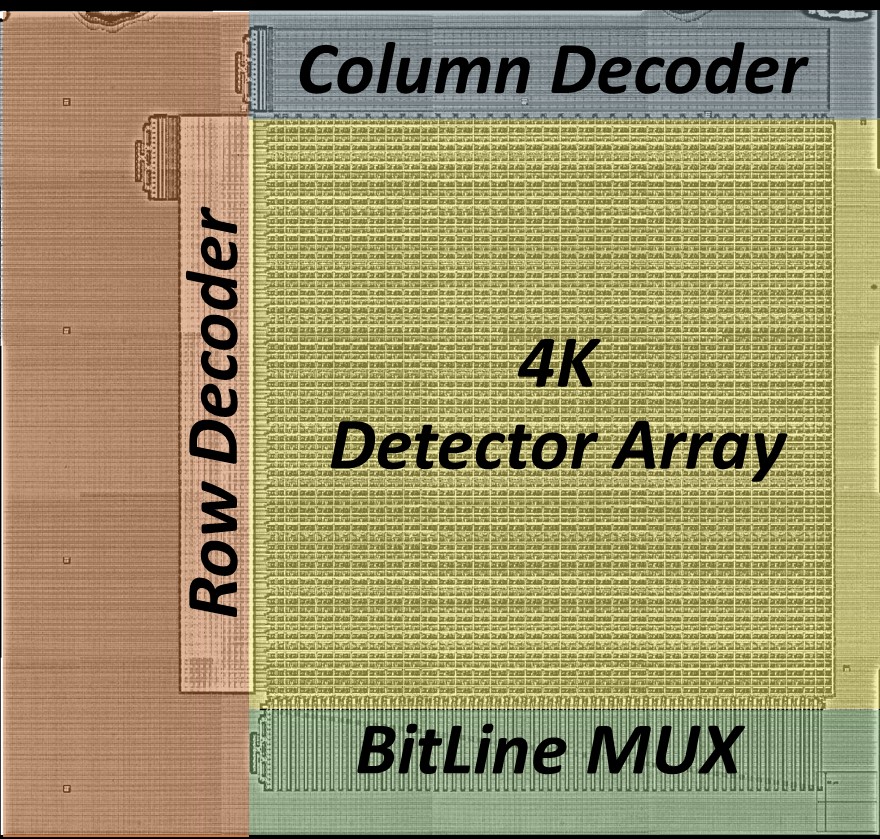
Future Tech | Life ApplicationTechnology Introduction: The Micro-Detector Array (MDA) aims to monitor the uniformity of dosage in various processes, including EUV, DUV, e-Beam, and Ion-Beam. The MDA is capable to measure critical dimensions, image log slope, and pattern edge location. Meanwhile, MDA is fully compatible with logic process, which provides advantages of high contrast in intensity, wide dynamic range, built-in calibration, and instant WAT analysis. These features enable the MDA to monitor process parameter variation. Industry Applicability: The MDA is able to measure critical information for optimizing FinFET lithography beyond 5nm. It is expected to be integrated into the detection modules of EUV scanner equipment, such as ASML, and enhance the accuracy and reliability of lithography processes. The real-time monitoring of EUV intensity inside vacuum chambers and wireless signal transmission allow corrective measures to be taken immediately.
Future Tech | Life ApplicationTechnology Introduction: A single-die testing system using the B1505A evaluated probe landing position, repeated contacts, scratch length, and triboelectric charging, improving measurement accuracy and efficiency. Devices underwent short-circuit tests, with LTSPICE and TCAD simulations analyzing temperature-induced failure mechanisms, followed by optical and SEM failure analysis. Industry Applicability: The High-Power Device Testing System maps electrical characteristics across a bare die to determine the optimal probe position. LTSPICE models predict short-circuit I-V behavior and internal temperatures to identify device limits. Industrial adoption can improve bare-die testing accuracy and efficiency and anticipate packaged device performance, preventing damage.
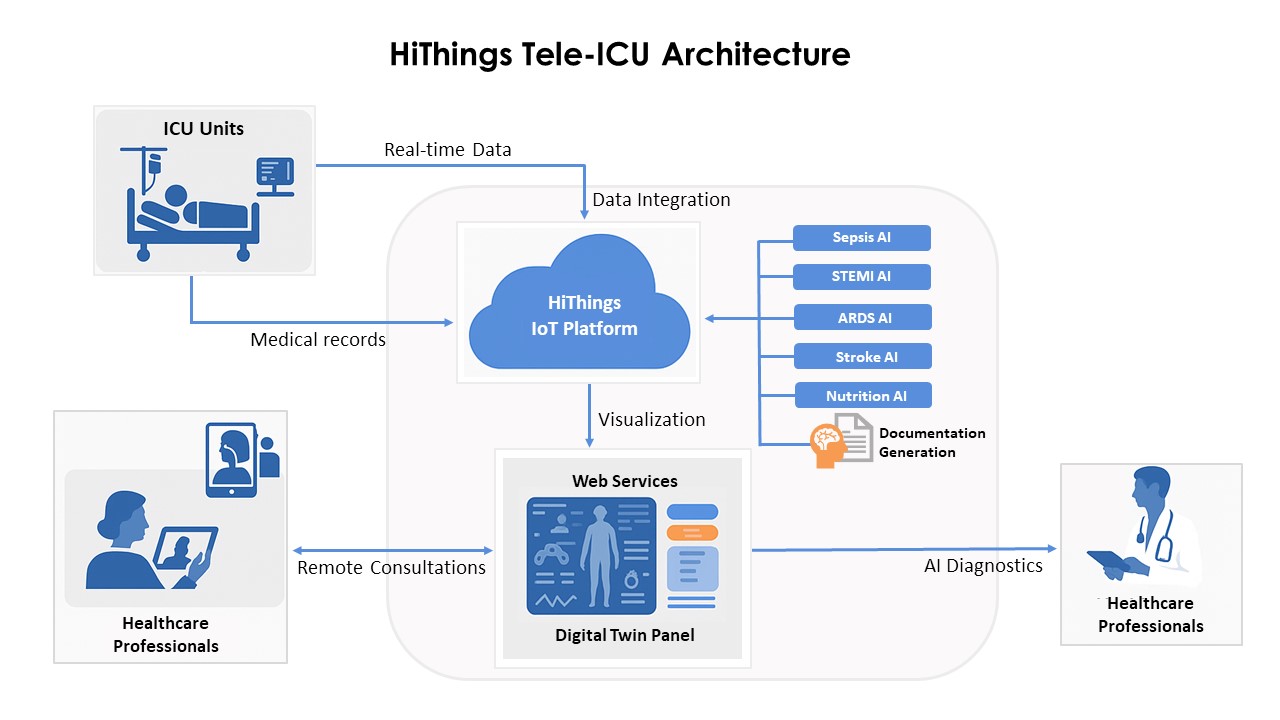
Future Tech | Information & CommunicationsTechnology Introduction: HiThings Tele-ICU transforms ICU care by integrating AI, IoT, digital twin, and teleconsultation into one platform. It connects thousands of medical devices and consolidates diverse streams of clinical data—such as vital signs, imaging, and laboratory results—into a single, intuitive digital twin interface. AI modules for sepsis, STEMI, ARDS, stroke, and nutrition cut ICU mortality rates 4% and reduce diagnosis, assessment, and documentation time. Industry Applicability: . Obtained 6 medical FDA/TFDA licenses, filed 6 patents, and registered 4 trademarks . Successfully deployed in 6 ICUs; modular, highly scalable design enables expansion to general wards, long-term care, and regional collaboration platforms . Outperforms international products in all benchmarks; reduces costs by 87%. Strong potential for commercialization, licensing, and strategic partnerships
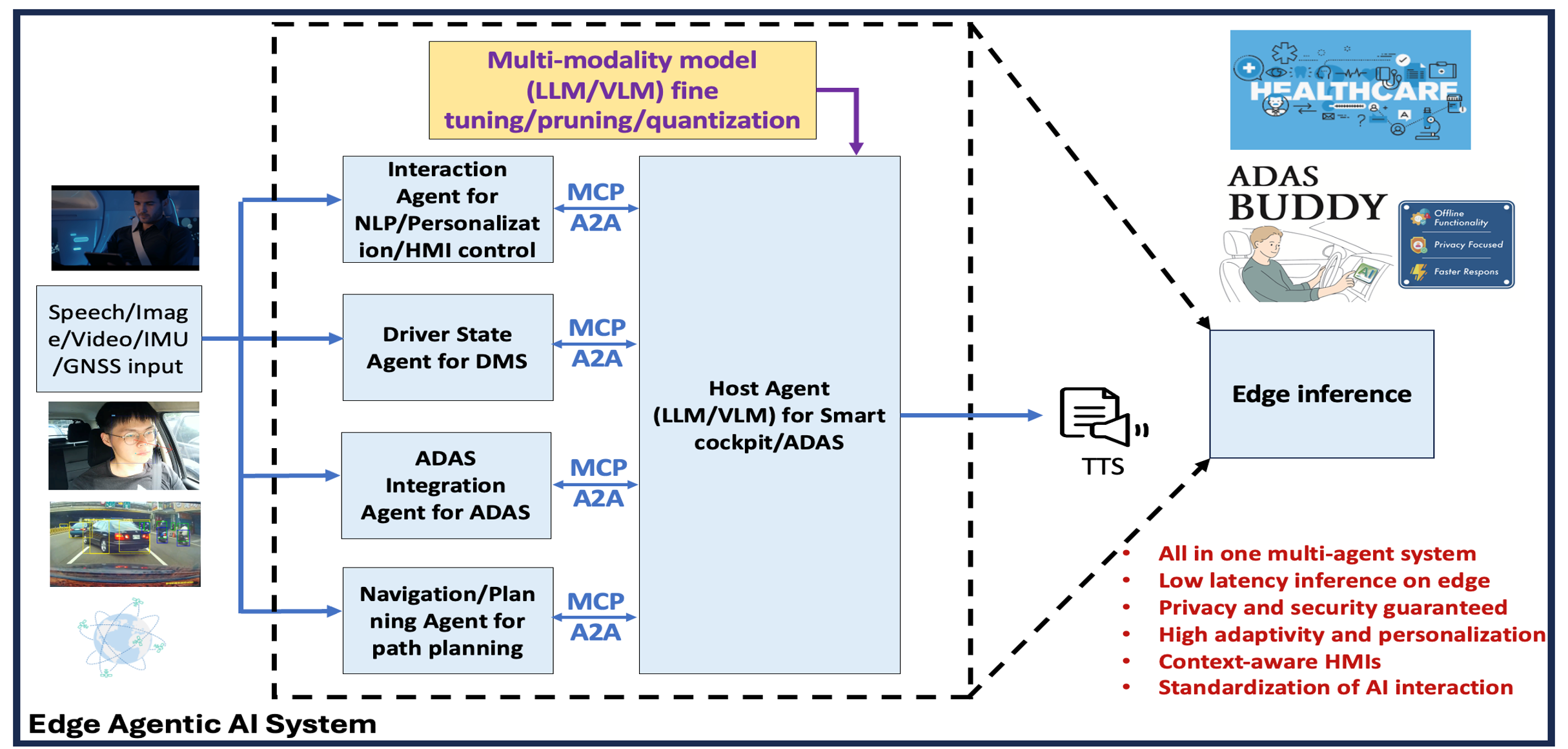
Future Tech | Biotechnology & Medical careTechnology Introduction: This study proposes the development of a driver monitoring and interactive AI agent system on edge devices. The system utilizes lightweight large language models for decision-making and operations, as well as a driving behavior recognition system to monitor driving safety. Among these, the ADAS Buddy intelligent vehicle agent system provides an intuitive human-machine interaction interface, while TSM-MobileNetV4 effectively identifies distracted driving and mobile phone usage behaviors. The Multi-Task Model (DMTM) can estimate eye state, head posture, and gaze direction simultaneously, providing comprehensive monitoring and guidance for driver behavior safety. Industry Applicability: This system offers the following advantages: high performance, low computational load, and minimal parameters. These features make it particularly suitable for deployment on embedded platforms. It can maintain complete service stability even when network services are unstable, effectively enhancing driving safety. This technology serves a dual purpose: it can be used as a driver assistance system in vehicles and as a tool for fleet management and the logistics industry. It can monitor driver status and prevent accidents.
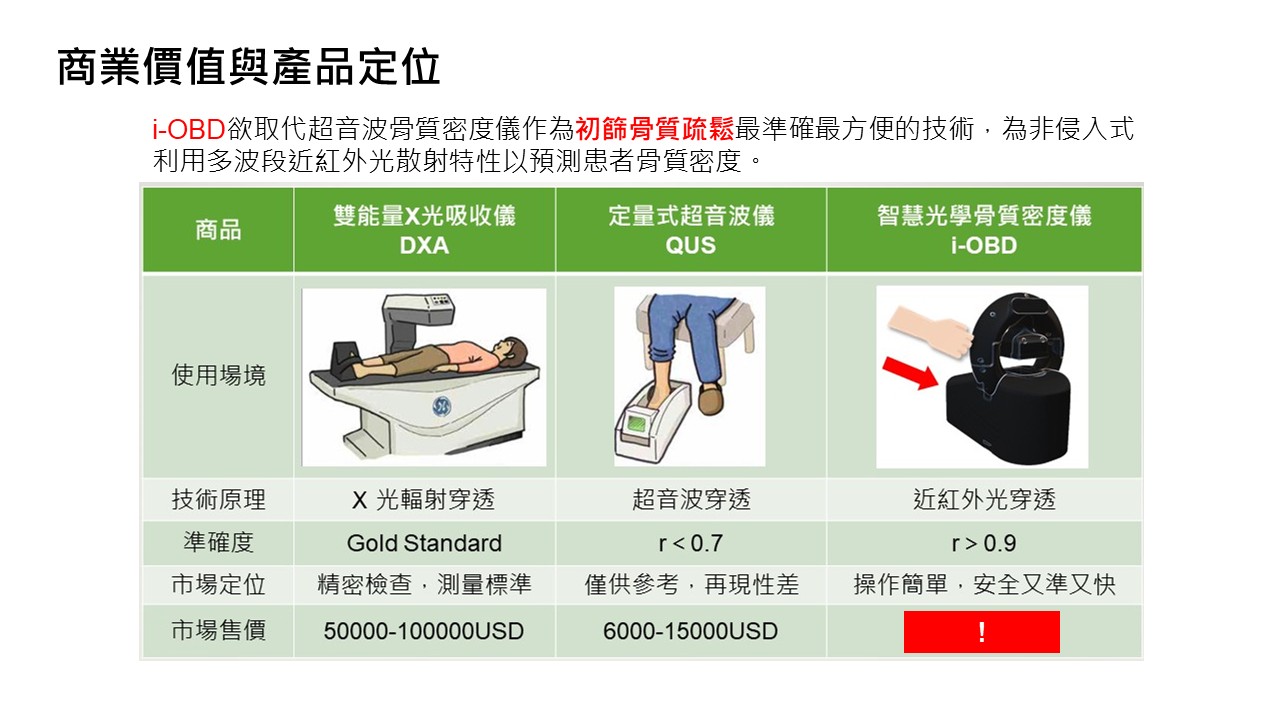
Future Tech | Life ApplicationTechnology Introduction: "Intelligent-Optical Bone Densitometer is the only device to measure bone density by safe light. It key challenges such as the difficulty of early osteoporosis diagnosis and high cost of current diagnostic methods. I-OBD are 1. Easy operation 2. Radiation-free 3. High reliability It will replace quantitative ultrasound as the most useful technology for preliminary screening of osteoporosis. Industry Applicability: I-OBD has significant anticipated benefits in improving the diagnosis and treatment quality of osteoporosis and in reducing the risk of fractures. Preliminary screening can prevent fractures and reduce the burden on healthcare system. 1. Accessibility limitations: DXA all are costly. 2. Healthcare system limitations: Inadequate insurance coverage. 3. Aging population: Increasing the demand.
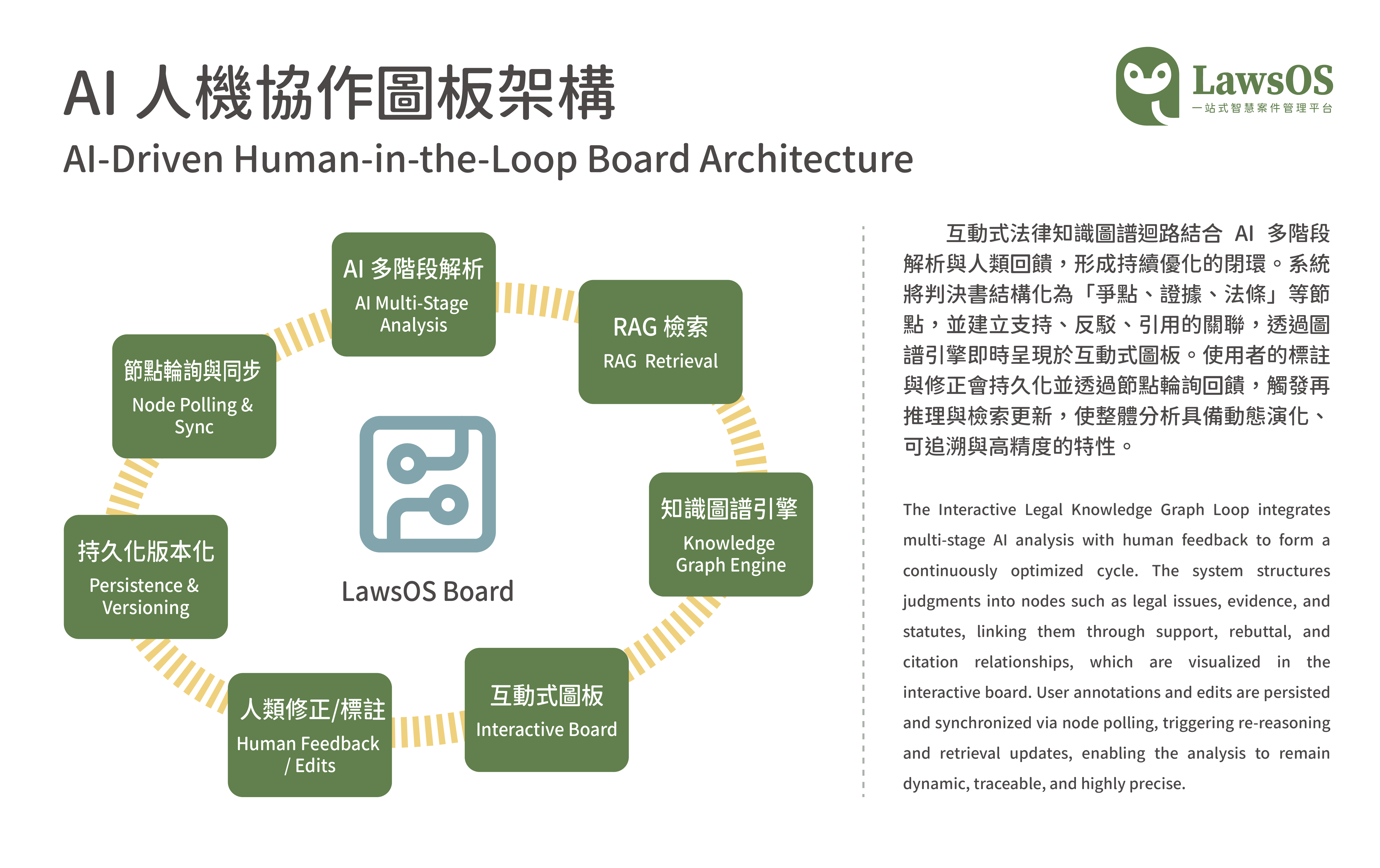
Future Tech | Biotechnology & Medical careTechnology Introduction: AI Legal Engine – NLP, ML, DL & vector retrieval for precise pleading, case similarity & statute recommendation. Interactive Board – Board-based node design replacing chat, empowering lawyer-driven decisions. One-Stop Workflow – Case summarization, precedent recommendation & record management for real-time accuracy. Industry Applicability: LawsOS frees lawyers from time-consuming searches, letting them focus on judgment and strategy. With NLP, ML, DL, and vector retrieval, the platform provides intelligent pleading analysis, case similarity, and statute recommendations. Its interactive board gives a clear case overview, helping lawyers of all levels spot key angles, assess strategies, and act with greater accuracy and speed.
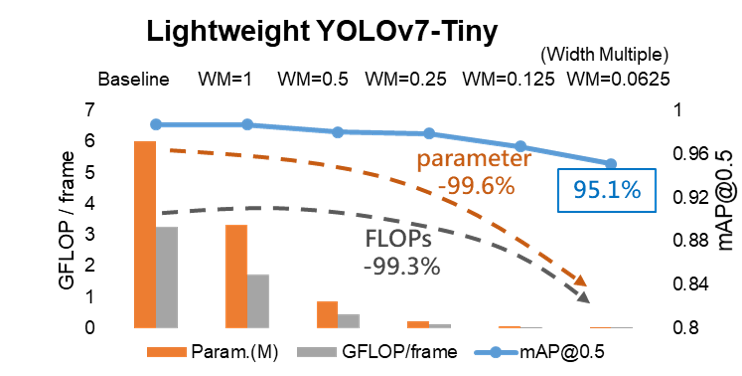
Future Tech | Life ApplicationTechnology Introduction: This technology specializes in low-latency, low-power smart LiDAR and edge AI systems. By employing advanced lightweight model training and model caching techniques, it effectively reduces bandwidth requirements during AI inference. Notably, when processing the lightweight YOLOv7-Tiny model, it achieves an impressive 4500 FPS while consuming only 38mW of power. Industry Applicability: This technology delivers key advantages, including low latency and low power consumption, making it an optimal choice for integration into edge AI systems. It is particularly well-suited for applications demanding rapid response, such as high-speed aerial vehicles and automobiles, as well as for systems requiring prolonged operation, such as surveillance and monitoring solutions.
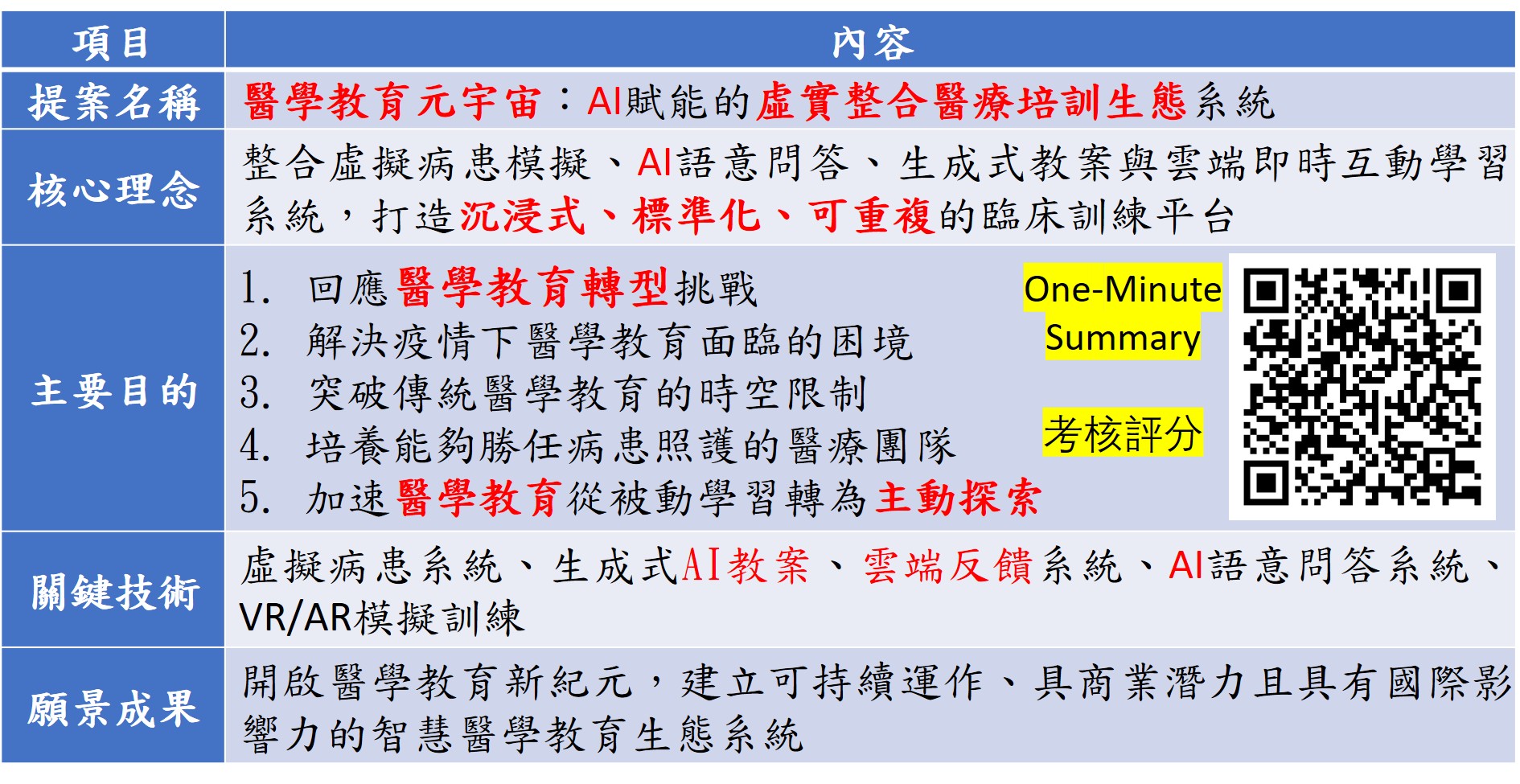
Future Tech | Life ApplicationTechnology Introduction: AI-Powered Medical Education Platform: A Technical Overview The AI-driven medical education platform, developed in collaboration with Tri-Service General Hospital, represents a significant leap forward in medical training. Its core strength lies in the synergistic integration of five key AI technologies, creating a unified and highly effective learning environment. 1.Natural Language Processing (NLP) & Generative AI:** The platform's most notable feature is its **virtual patient simulation**, powered by advanced NLP and generative AI. This system allows students to engage in natural, unscripted conversations with a virtual patient. The NLP component accurately interprets a student's open-ended questions and commands, while the generative AI engine provides dynamic, medically accurate responses. This technical pairing moves beyond traditional, static decision-trees, creating a truly immersive and realistic diagnostic experience. 2.Semantic Question-Answering (QA) & Clinical Predictive Models:** The platform's real-time feedback system is built on a sophisticated combination of semantic QA and clinical predictive models. The semantic QA engine processes the student's entire interaction history—from their initial questions to their diagnostic and treatment decisions—to understand the underlying clinical reasoning. Simultaneously, the clinical predictive models analyze this data against vast databases of medical knowledge and best practices. This allows the system to not only identify a student's errors but also to predict potential negative outcomes based on their choices, providing immediate, precise, and personalized feedback that is crucial for building clinical acumen. 3.Learning Analytics & Data-Driven Insights:** Every interaction within the platform is captured and analyzed. The **learning analytics** engine tracks a student's progress, identifies areas of weakness, and quantifies their decision-making effectiveness.
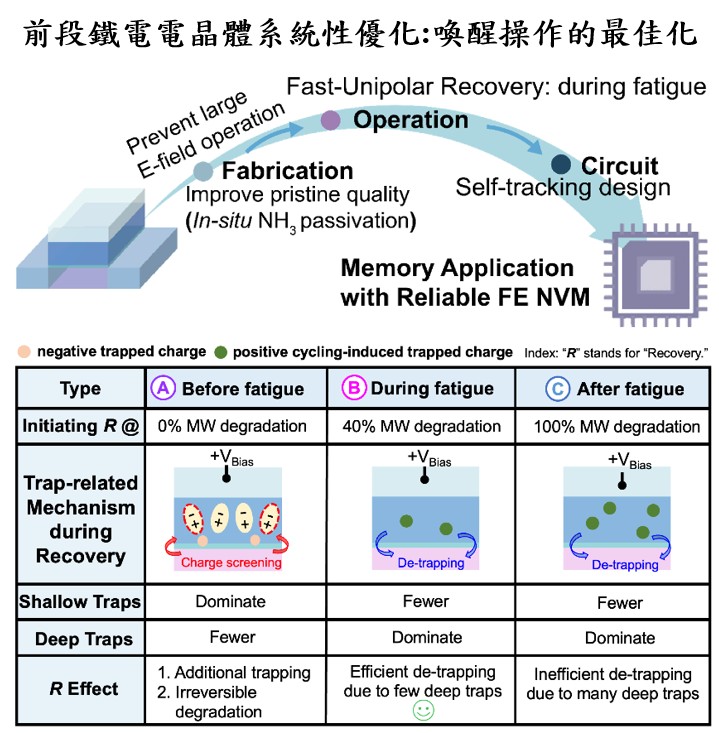
Future Tech | Biotechnology & Medical careTechnology Introduction: This technology focuses on enhancing ferroelectric memory by improving device interfaces, optimizing operation timing, and incorporating self-tracking circuits. These strategies extend device endurance and reduce performance loss. At the same time, various thin film structures compatible with back-end processes are developed to improve thermal stability, enabling faster and more reliable write operations. Together, these advancements address both manufacturing challenges and future application needs. 產業應用性: 本技術可望成為未來低功耗、高可靠度記憶體的核心方案,適用於 Edge-AI 等新興應用。透過前後段製程整合與材料創新,技術具備量產潛力並能加速先進半導體的應用落地。 Industry Applicability: This technology addresses the growing demand for low-power, high-reliability non-volatile memory, making it particularly valuable for emerging Edge-AI applications. By integrating solutions for both front-end and back-end processes and introducing innovative materials, the approach demonstrates strong scalability and mass-production potential. It offers a practical pathway to accelerate the deployment of next-generation semiconductor applications across logic, memory, and heterogeneous integration.
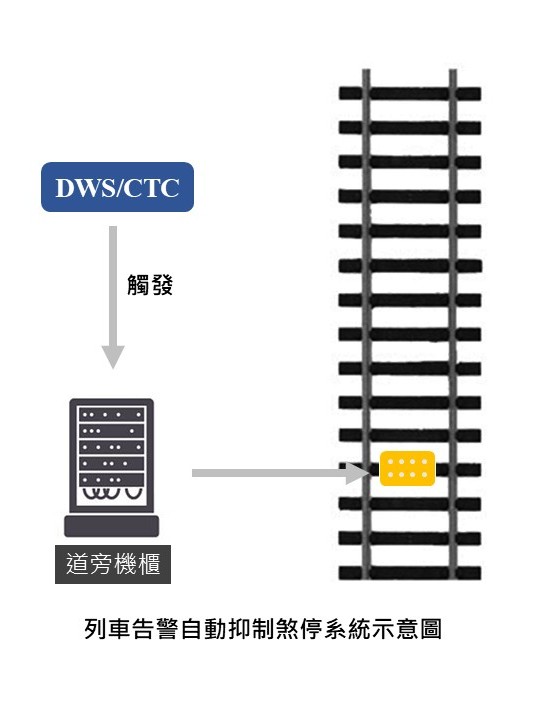
Future Tech | Life ApplicationTechnology Introduction: Temporary Speed Restriction (TSR) system consists of a wayside cabinet and balise. The cabinet verifies incoming warning signals and activates the balise to send automatic train protection commands, forcing deceleration or braking. A handshake-based safety mechanism cross-checks signals from the Disaster Warning System, Centralized Traffic Control, and AI video surveillance to ensure accuracy and reliability. Industry Applicability: On April 2, 2021, Taiwan Railways’ Taroko train No. 408 derailed after hitting a construction vehicle on the tracks, causing heavy casualties and highlighting railway safety risks. In response, Taiwan Railway and NKUST’s Railway Technology Research Center developed the nation’s first indigenous Temporary Speed Restriction (TSR) system. Now deployed on 20 high-risk sections, TSR monitors track anomalies in real time, alerts drivers and control centers, and enables prompt countermeasures, significantly reducing collision risks and enhancing railway safety.
Future Tech | Life ApplicationComing soon!