Innovation Pilot
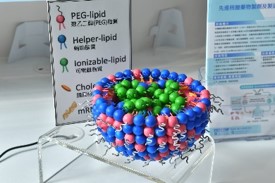
The ITRI-LNP platform, which features proprietary ionizable lipids tailored for effectively delivering nucleic acids to target cells. Demonstrating superior transfection in mice and human immune cells, our technology can load a variety of nucleic acids for drug development targeting various conditions such as cancers, infectious diseases, and rare diseases. ITRI-LNPs can also serve as an alternative tool for immune cell engineering, showcasing the broad medical applications.
Innovation Pilot | Biotechnology & Medical care
The developed energy density and high-safety lithium metal/lithium ion hybrid batteries , The energy density will be approaching 300 Wh/kg to meet the needs of national defense applications in different scenarios, and effectively improve the matching of battery performance with national defense application scenarios.
Innovation Pilot | Green Energy & Environment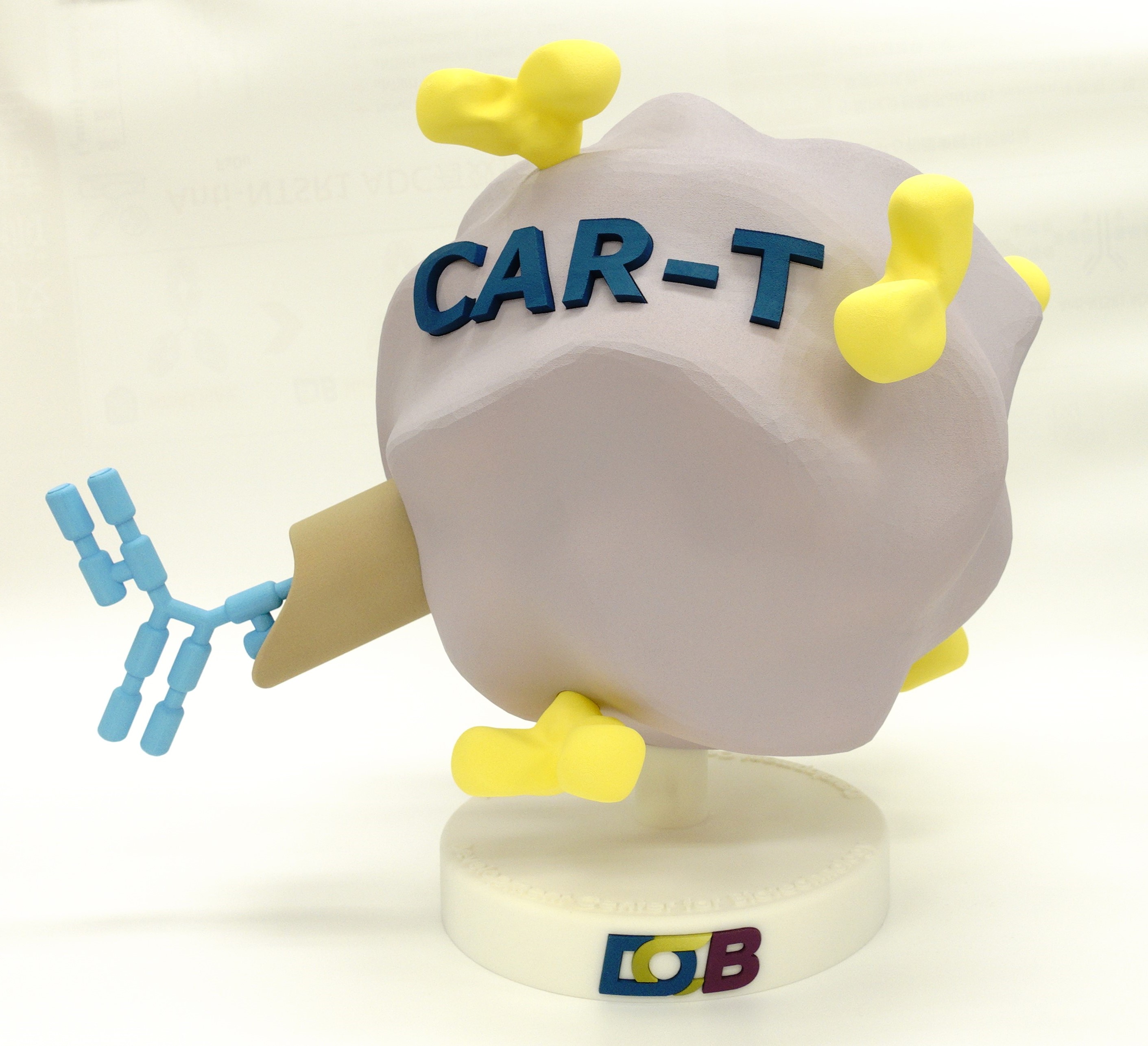
To tackle the cancer specificity and immune-suppressive tumor microenvironment for CAR-T Cells therapy in solid tumors, DCB has developed Globo H/IO CAR-T cells targeting cancer-specific antigen of Globo H and secreting immune checkpoint blockade (ICB). The Globo H/IO CAR-T cells could selectively kill Globo H-positive cancer cells and effectively inhibit tumor growth. Therefore, the armored Globo H/IO CAR-T cells have clinical development potential application for treating Globo H-positive cancers. Technical features: ・Targeting a tumor-associated antigen, Globo H ・Globo H CAR-T cells with novel secreted immune checkpoint inhibitors showed potent tumor inhibitory effect ・Treatment of Globo H-positive cancers
Innovation Pilot | Biotechnology & Medical care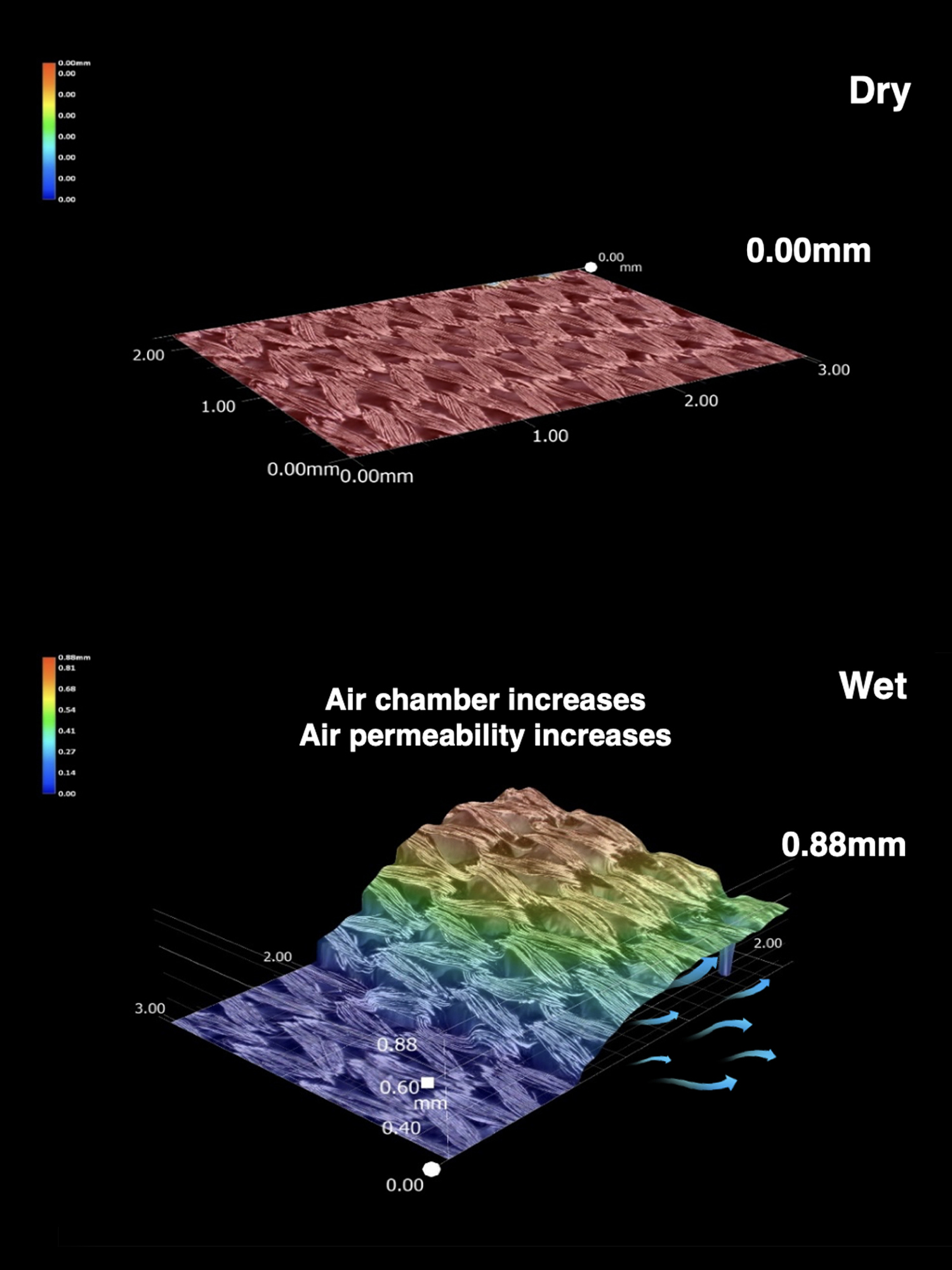
AquaBreath® is the world's first mono-material moisture-response nylon fiber that facilitates recycling and is in line with current environmental trends. The fiber has the features of "moisture absorption elongation and drying recovery", thus the textile can be breathable and the appearance changes under changing humidity. Therefore, it maintains the properties of coolness, quick drying, and comfort when wearing.
Innovation Pilot | Materials & Chemical Engineering & NanotechComing soon!