Select Field
Select Ministry
9 results
Technology Introduction: API-ready platform combining speech/text emotion analysis, Transformer-based intent extraction and ten-pattern deception scoring to streamline claims and lending. A 3-D PAD dashboard visualises customer affect, while generative sample balancing and continual learning keep fraud detection sharp—delivering faster, safer and more personalised financial services. Industry Applicability: Plug-and-play APIs let insurers, banks and SaaS call-centres stream dialogues into the platform, which returns live 3-D affect plots and risk scores. Pilots cut claim/loan cycles from 7 days to 2, trimmed call handling by 12 %, and saved NT$6 M per 100 k interactions. Flexible SaaS or on-prem licensing scales to KYC, collections and public hotlines, with ROI in under eight months.
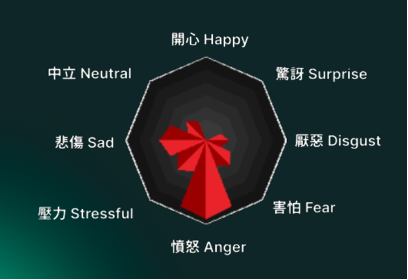
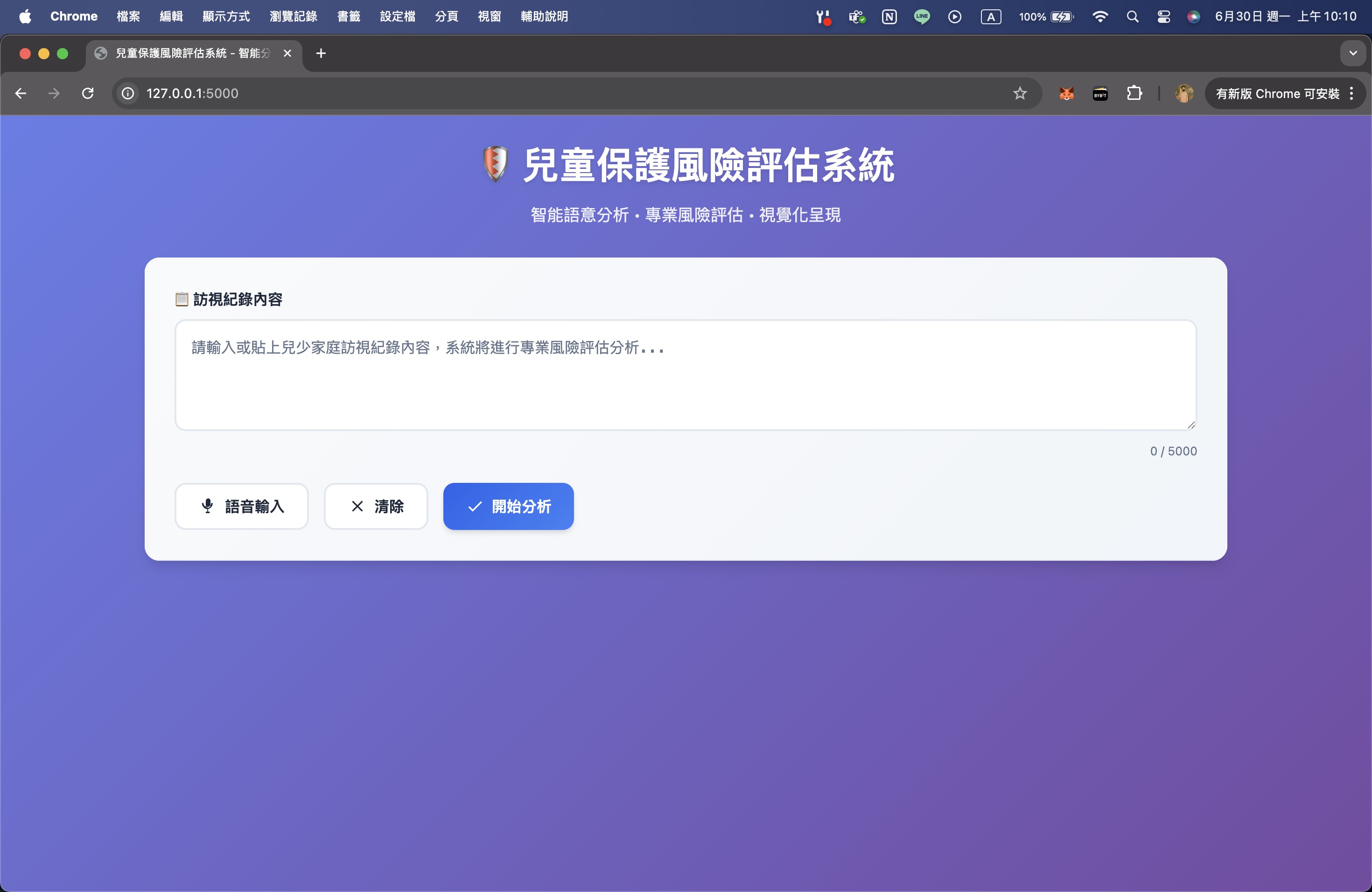
Future Tech | Life ApplicationTechnology Introduction: This research leverages Large Language Models and Retrieval-Augmented Generation techniques to automatically analyze unstructured visitation records, quantify child abuse risk levels, and provide precise intervention recommendations, significantly enhancing social workers' capability for timely intervention and optimal resource allocation. Industry Applicability: This AI technology can be applied across social welfare, healthcare, education, and NGO sectors to automatically analyze visitation records, quantify abuse risks, and improve decision-making. It offers scalable deployment through a SaaS model with API integration into government systems. The framework has strong potential for international adoption and can be extended to related domains such as domestic violence and elder abuse prediction.
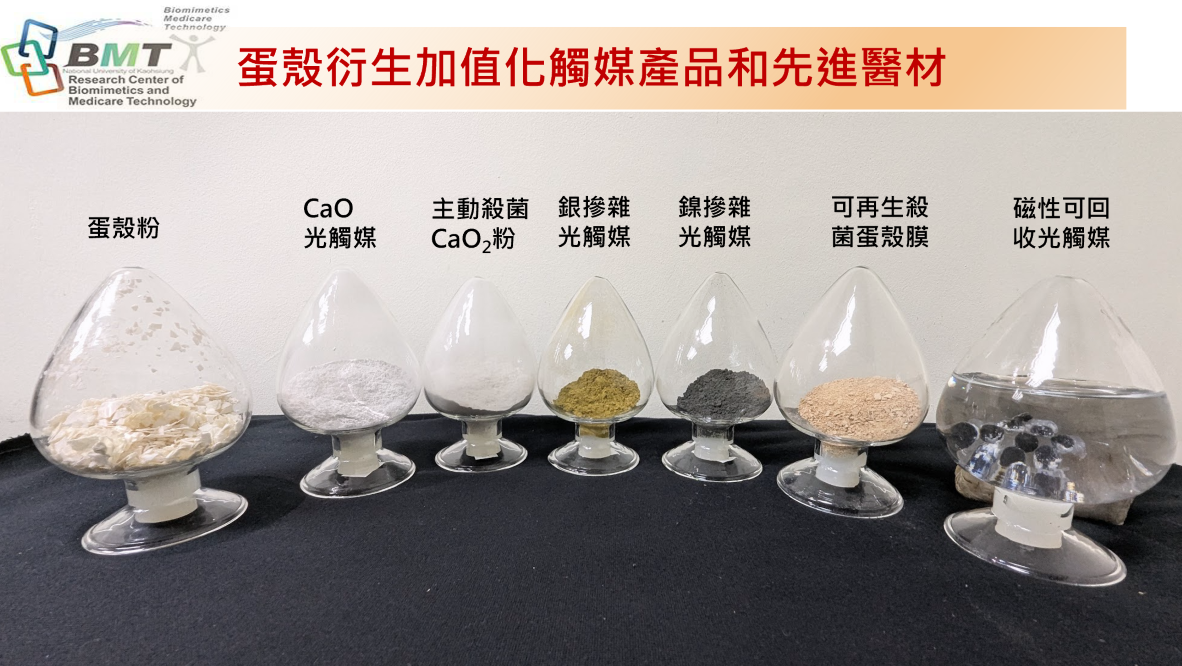
Future Tech | Life ApplicationTechnology Introduction: This technology integrates green biomimetic concepts with an efficient microwave process to convert porous eggshells into CaO-based catalytic materials. Under sunlight or ambient light, they degrade organic pollutants in water and generate radicals to break down plastics and microplastics. Light exposure also triggers electron–hole pairs for active antibacterial effects. The materials can further evolve into calcium peroxide-based slow-release agents for treating hard-to-heal osteomyelitis. Industry Applicability: This technology uses eggshells to produce CaO-based catalytic materials with potential for water purification, plastic degradation, and antimicrobial applications. Two industry-academic projects with an egg company have been launched to advance eggshell valorization. It enables sustainable reuses and carbon fixation with low energy input and interdisciplinary innovation. Applicable to chemical, plastic, recycling, agriculture, and medical industries, it holds strong industrial potential.
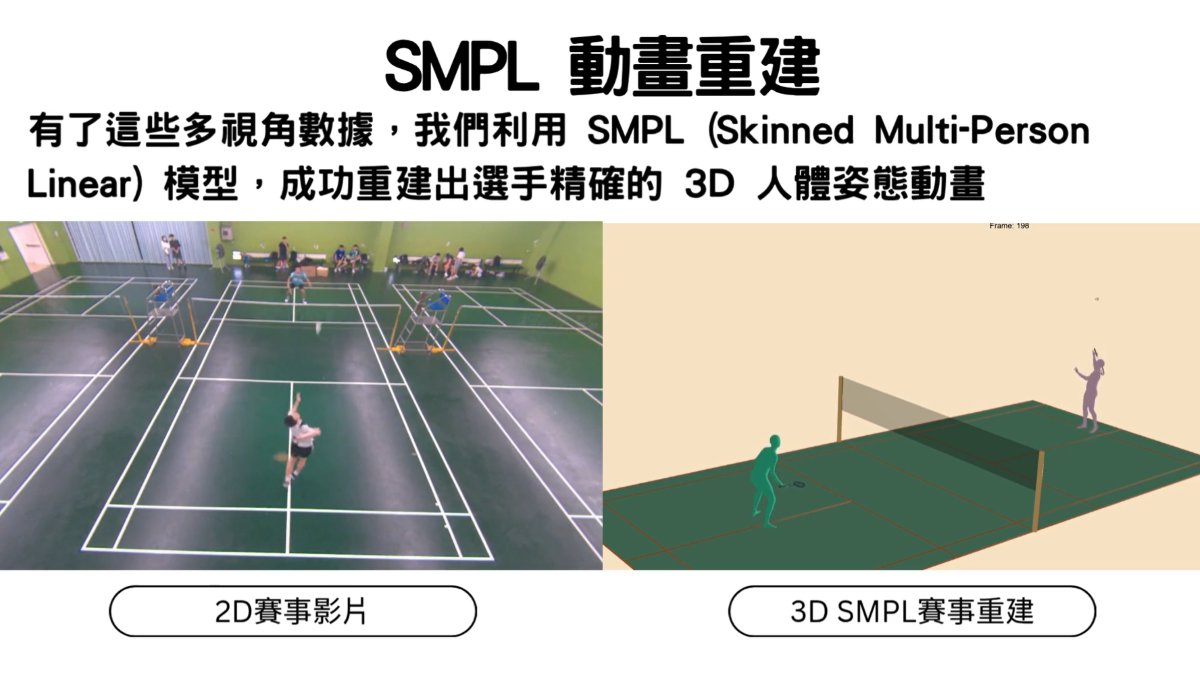
Future Tech | Life ApplicationTechnology Introduction: This project develops a 3D reconstruction system for badminton matches, creating a digital twin from multi-view 2D videos. It accurately models shuttlecock trajectories, player movements, and racket poses using AI detection, triangulation, and physics-based correction. Advanced pose estimation ensures players are anchored on the virtual court, while geometric constraints estimate racket orientation. The result is an interactive, realistic 3D match scene for analysis and visualization. Industry Applicability: The 3D match reconstruction technology has strong commercial potential. In badminton, it enables tactical replay, biomechanical analysis, and injury prevention. For media and broadcasting, it enhances viewer engagement with real-time 3D visuals. It also supports VR/AR experiences and next-gen sports games by providing realistic motion data, offering immersive and interactive applications across sports tech and digital entertainment industries.
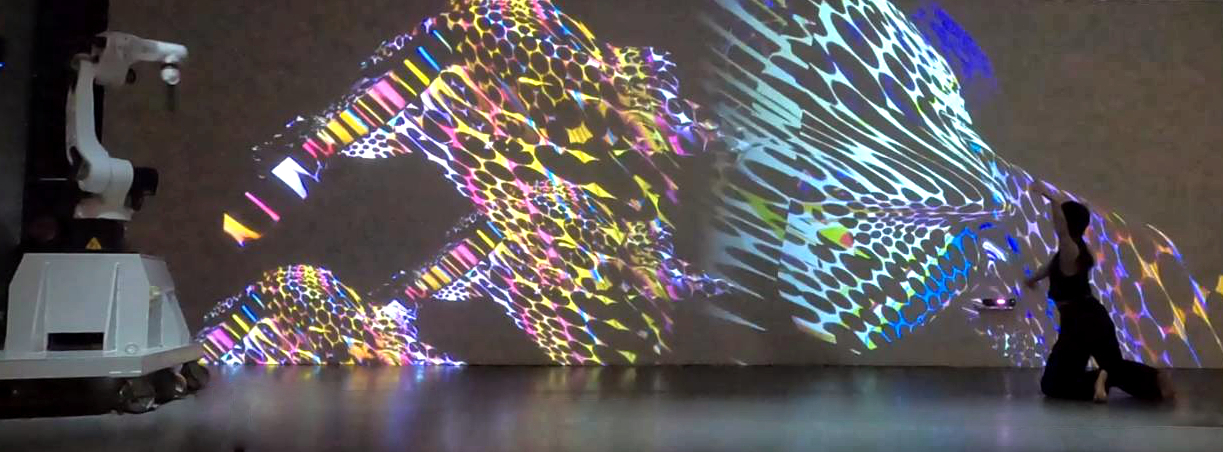
Future Tech | Life ApplicationTechnology Introduction: The project of "Human-Robot Dance" targets intuitive, no-code robotic arm control, enabling artists to co-create using body language. Two main workflows were developed: Teach (Offline), where a dancer's movements are captured, processed, translated, and then reproduced by the arm; and Mirror (Online), where real-time pose perception and data translation allow the arm to synchronously mimic the dancer for improvisational co-dance. Industry Applicability: This project's technologies including intuitive robot teaching, real-time motion capture, and AI-driven motion translation offer vast potential. In Human-Robot Collaboration, they address skill gaps in smart manufacturing and construction, enabling flexible, safe co-working and fostering digital craftsmanship. In Techno Art, these tools empower artists with direct, intuitive expression, creating novel interactive experiences and allowing exploration of Human-Robot Co-Creation.
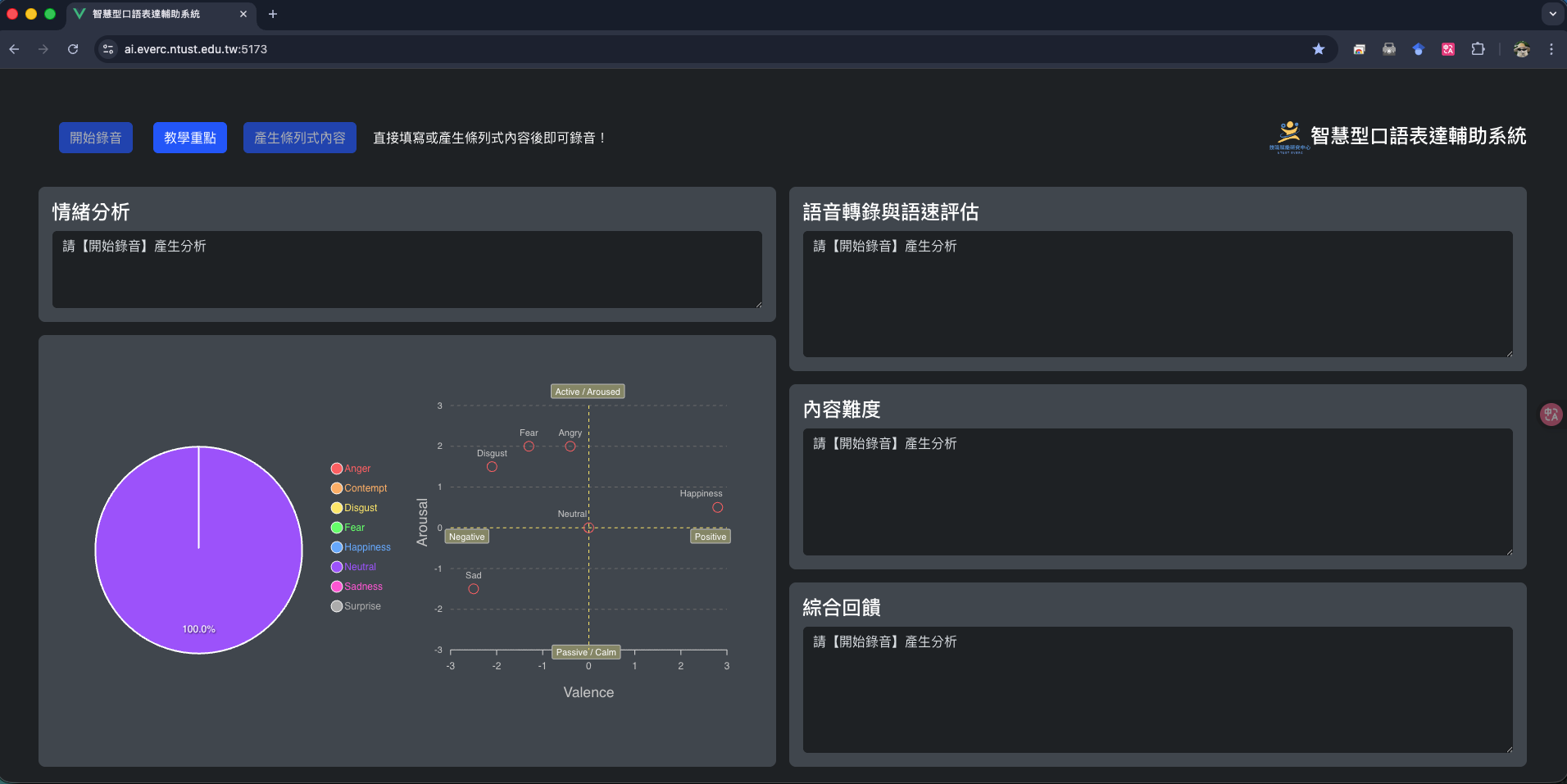
Future Tech | Life ApplicationTechnology Introduction: In vocational education, students mainly acquire knowledge and practical skills, with limited chances to present, leading to weaker speaking abilities and possible career setbacks. This project proposes an Intelligent Oral Presentation Assistance System, offering feedback on content difficulty, content coverage, speech rate, emotion, and comprehensive feedback. It allows students to practice extensively and receive real-time feedback to improve oral presentation skills. Industry Applicability: The Intelligent Oral Presentation Assistance System not only enhances students’ speaking skills but also serves as a tool for quantifying candidates’ oral abilities in job interviews. The system’s various models can be applied independently. For instance, the listenability model supports personalized learning, the emotion recognition model facilitates counseling and customer service, and the content coverage model assists with summary writing and assessment.
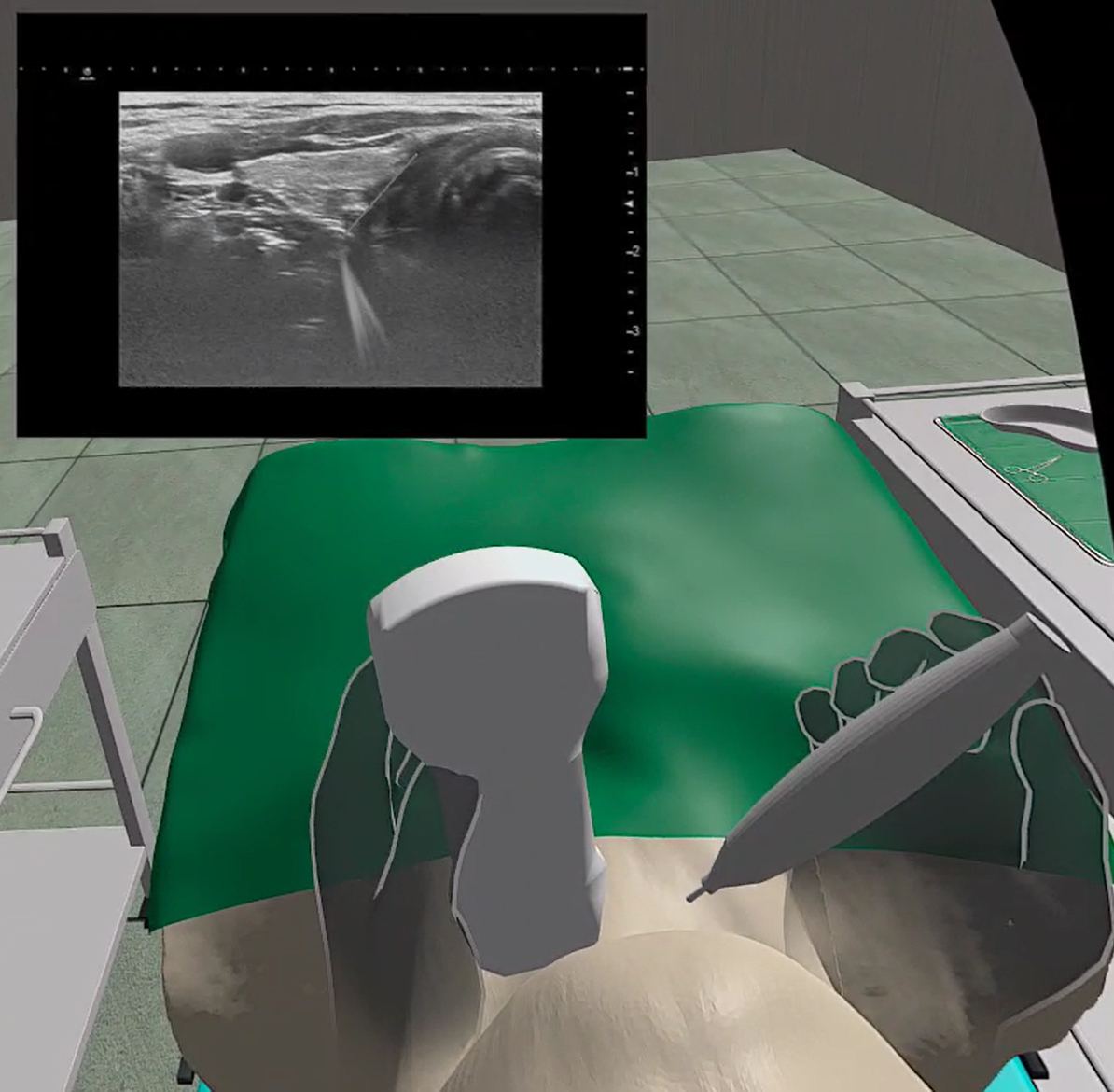
Future Tech | Life ApplicationTechnology Introduction: This technology presents an XR-based simulator for ultrasound-guided endocrine interventions, integrating real-time AI guidance, haptic feedback, and immersive 3D anatomy. It enables safe, repeatable, and interactive training, accelerating proficiency while enhancing patient safety and minimizing reliance on cadaveric models. Industry Applicability: The system is applicable to medical training centers and surgical education programs, offering modular course design, platform licensing, and global scalability. It supports skill certification, remote training, and interdisciplinary applications.
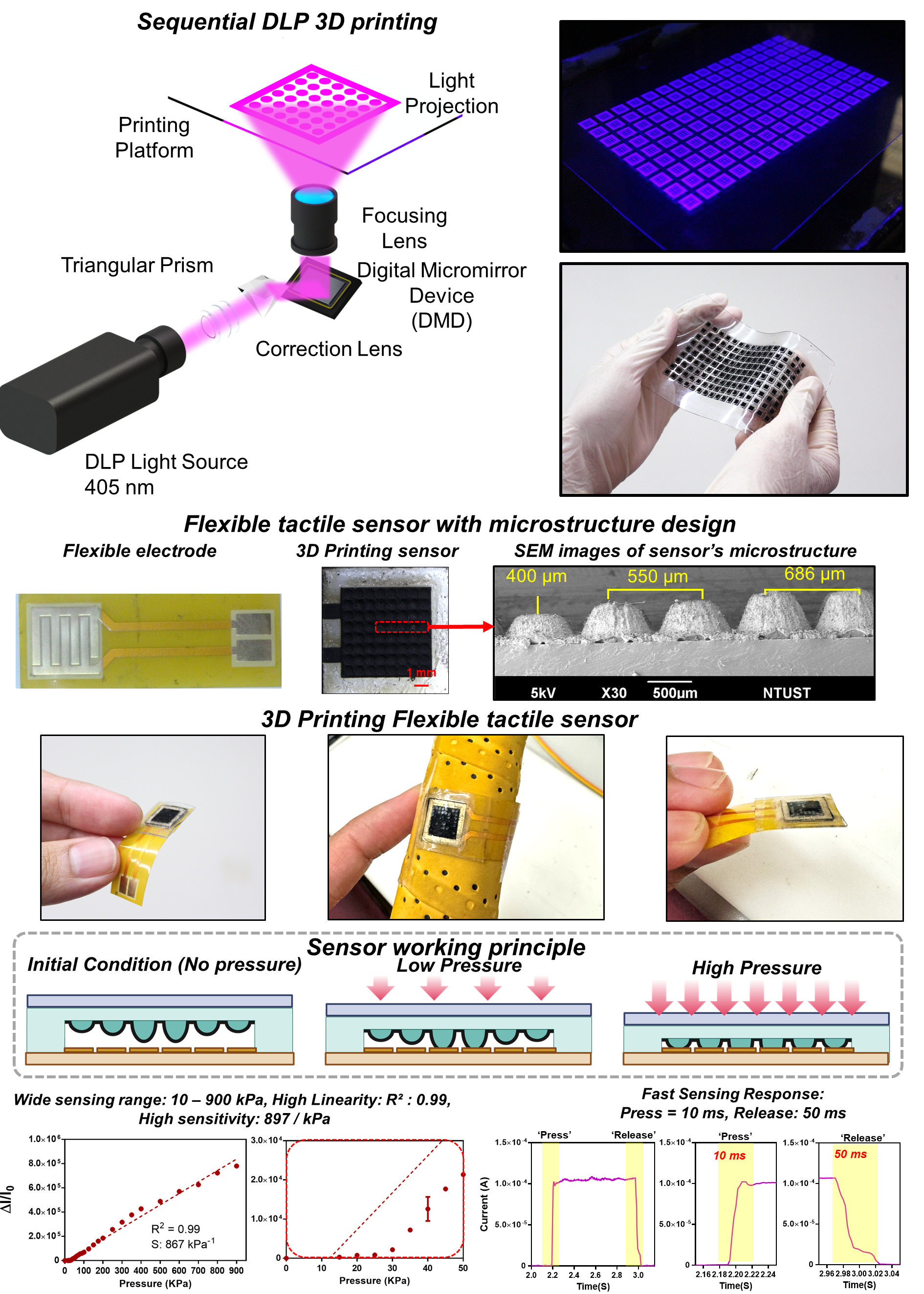
Future Tech | Life ApplicationTechnology Introduction: This 3D-printed flexible tactile sensor features high sensitivity (867 kPa⁻¹), fast response (10 ms), and low power use (0.1 V). It is made in minutes (<10 minutes), at a low cost. The sensor is scalable, customizable, and fits curved surfaces. Applied in badminton grips and insoles, it enables real-time monitoring of grip and foot pressure, aiding training and injury prevention, with further potential in wearables and rehabilitation. Industry Applicability: The device targets sports analytics, wearable health, rehabilitation, soft robotics, and smart insoles/gloves. It features customizable size and shape, flexible and lightweight form, and a digital pipeline for rapid tuning. Commercialization includes: Phase 1 – athlete testing; Phase 2 – OEM with sports/wearable brands; Phase 3 – scaling via modular kits (4×4, 8×8), custom services (e.g., insoles), and real-time
Future Tech | Life ApplicationTechnology Introduction: TAIHU is a dialogue-based knowledge exploration system designed for humanities research in Taiwan. It integrates multiple unique full-text primary databases. By adopting Retrieval-Augmented Generation (RAG), the system leverages designated sources to reduce the risk of AI hallucinations. It also incorporates fact-checking and source attribution to enhance accuracy and transparency. In addition, the team has developed an AI benchmarking framework and introduced user research processes to advance the system. These efforts give TAIHU strong potential for both academic and societal applications. Industry Applicability: TAIHU can be widely applied in humanities research, educational settings, and a variety of cultural and performing arts institutions. It supports natural language queries, multi-turn dialogues, and source verification functions. These features enhance research efficiency and the learning experience. It can also serve as an intelligent guide and knowledge-sharing tool, strengthening audience engagement. The system is designed with modular scalability and can be customized to meet institutional needs, supporting the digital transformation of humanities knowledge services.
Future Tech | Life ApplicationComing soon!