Select Field
Select Ministry
24 results
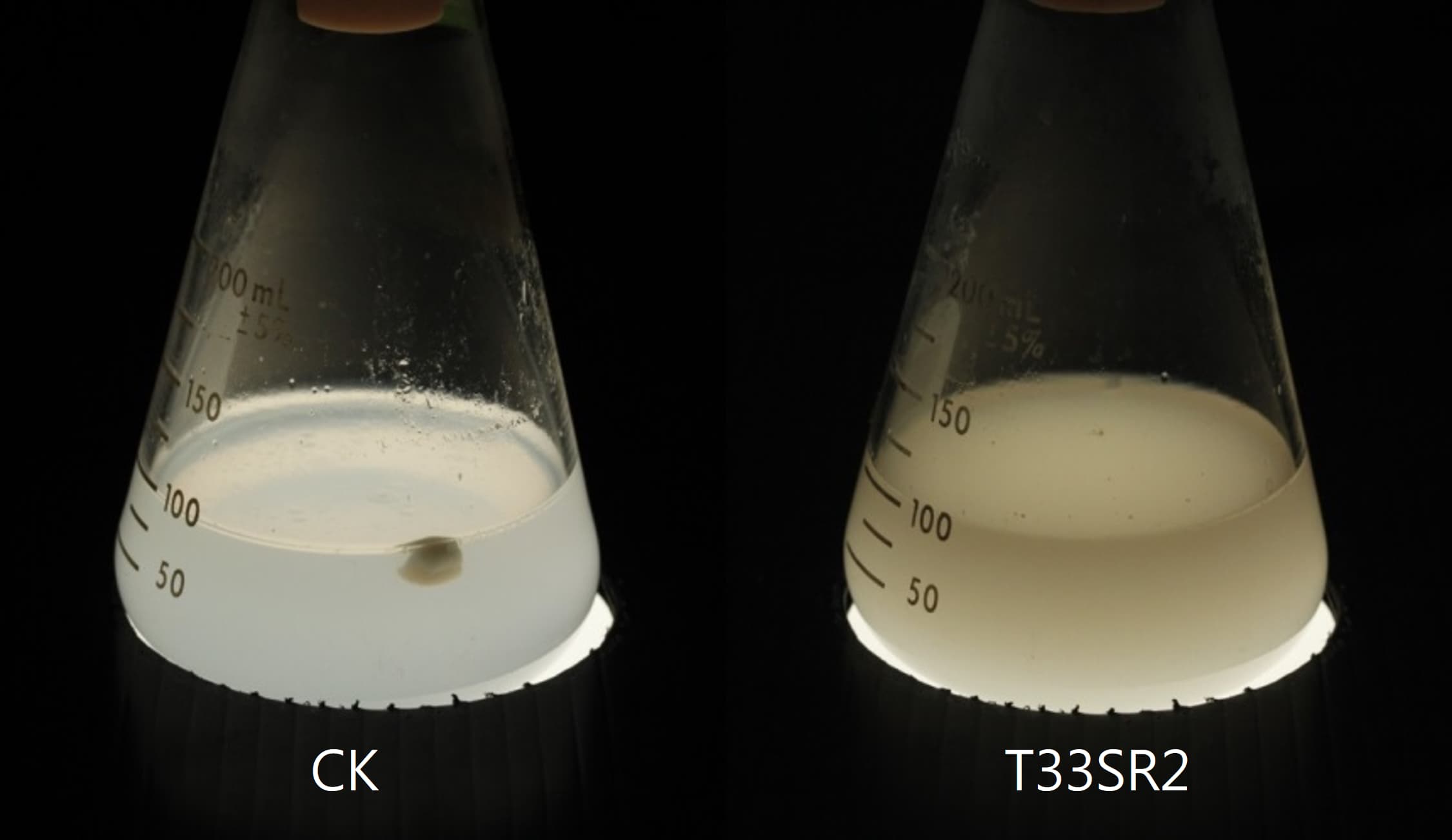
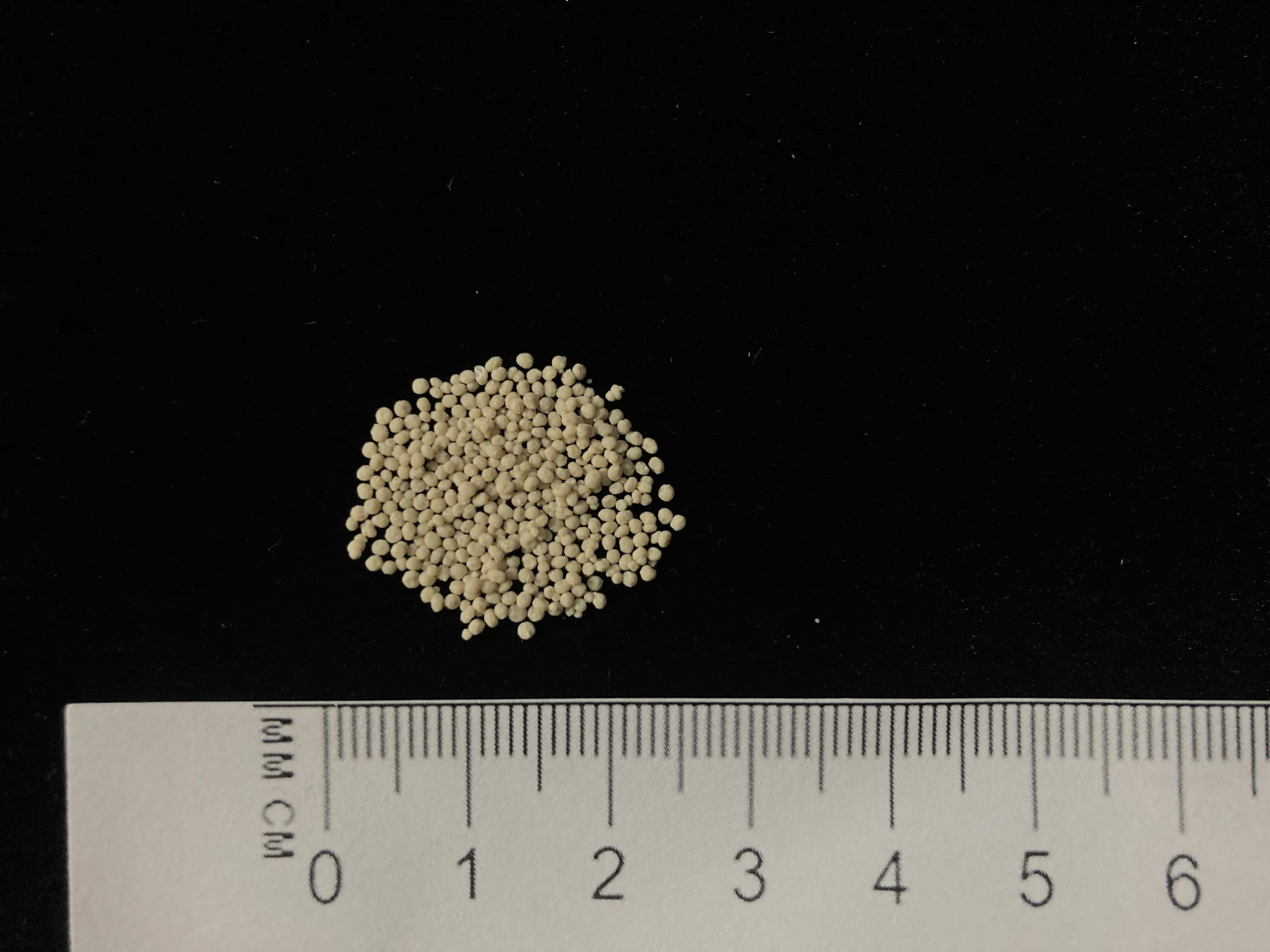
<Bacillus amyloliquefaciens> T33SR2 developed by TARI has the ability to decompose chitin, cellulose, collagen, dissolve phosphorus, and produce IAA, bacillibactin, iturin A, difficidin and surfactin. These secondary metabolites can help T33SR2 to colonize the rhizosphere and induce systemic resistance in plants. The roots of green onion seedlings were coating with the fermentation broth of T33SR2 diluted 20 times with diatomaceous earth, which increased the tiller numbers by 22.2% and the yield by 20.6%. These results demonstrate the potential of T33SR2 for development as a biofertilizer.
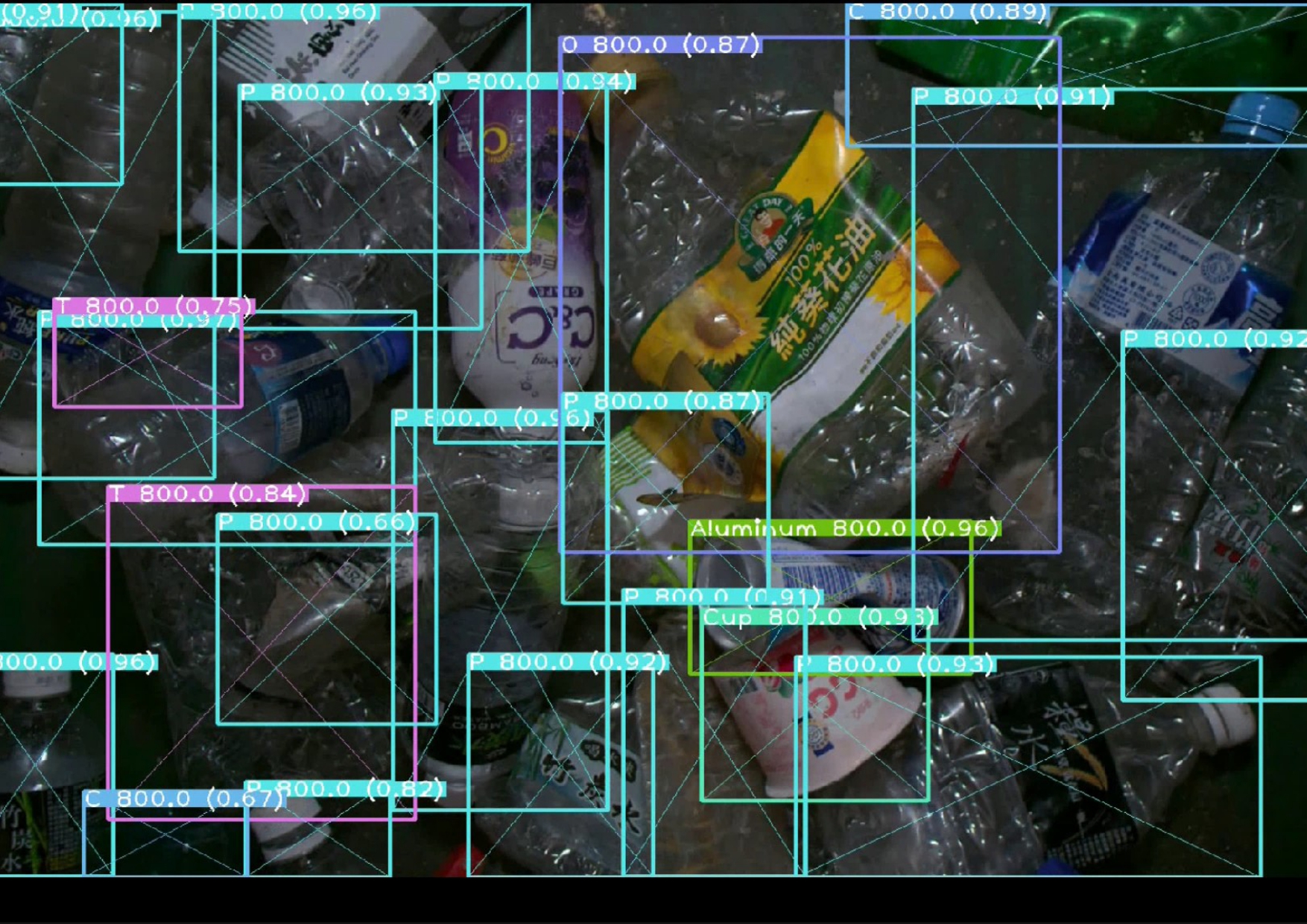
Sustainability | AgricultureTechnology Introduction: Built a proprietary image dataset with over 5 million images of locally collected recyclable materials in Taiwan, combined with synthetic data for model training. The system is trained to recognize over 30 categories (such as various types of plastics, metals like iron and aluminum, paper, paper containers and others). The model can perform real-time detailed recognition based on visual characteristics (color, shape, material), food grade, brands, detect residue presence, and determine compliance with government recycling standards. The model achieves an average accuracy rate of over 90%, and in 2024, it was selected for the Nvidia Poster session at the Nvidia Developer Conference in San Francisco to showcase applications of synthetic data. Industry Applicability: Our goal is to build an AI-driven smart recycling ecosystem that connects households, sorting facilities, and brand owners. By integrating smart recycling machines, AI-powered sorting systems, and synthetic data, we enhance sorting accuracy, reduce labor costs, and increase the value of recycled materials. One of our key solutions is a fully automated, AI-powered sorting system designed for recycling facilities, capable of processing 5,000 to over 30,000 metric tons of waste annually. It achieves twice the throughput of traditional sorting lines while reducing labor demand by up to 70%.
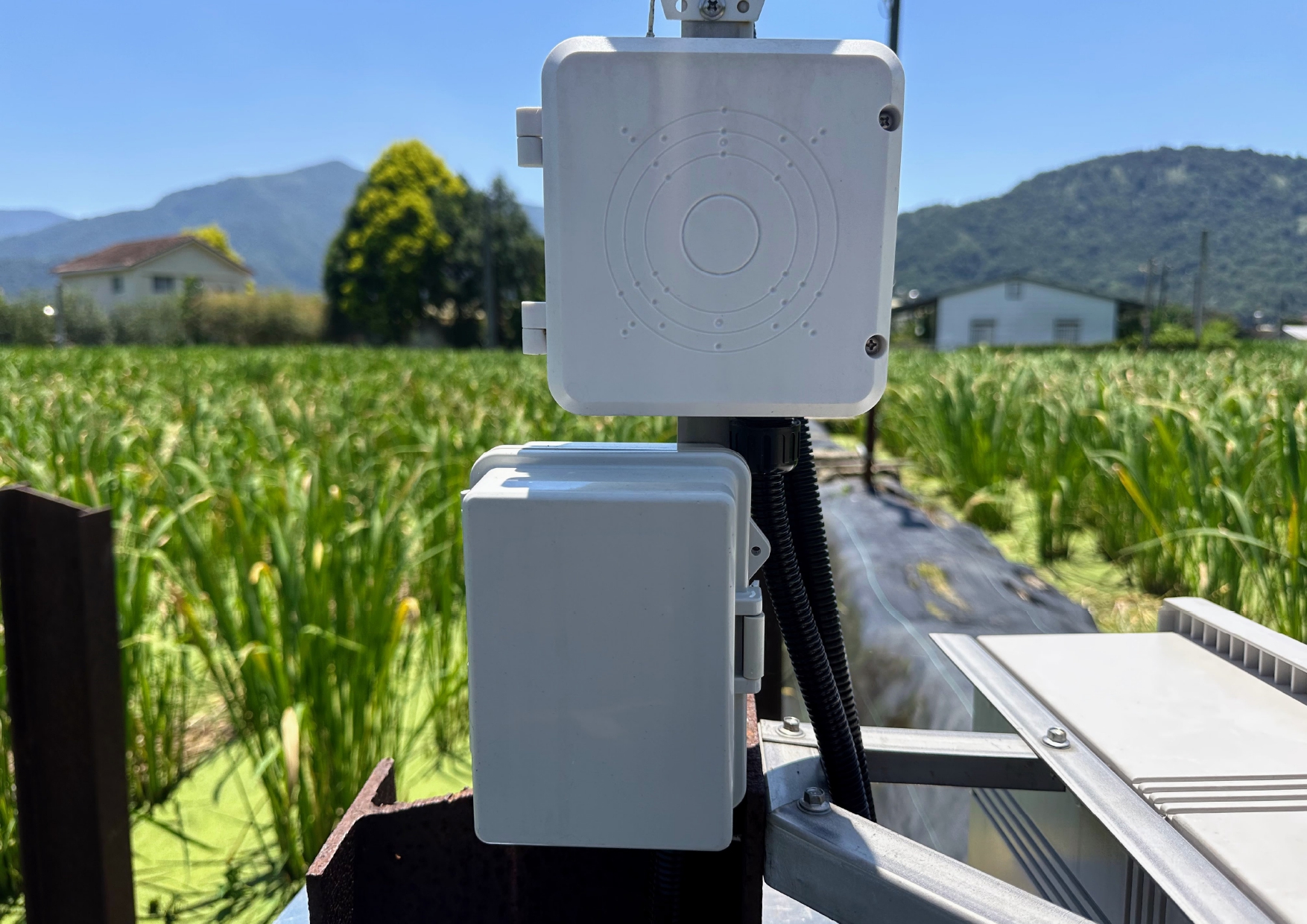
Sustainability | Green Energy & EnvironmentTechnology Introduction: The AIoT Smart Agricultural Water and Electricity Management System designed by Womow not only collects carbon emission data from agricultural electromechanical facilities but also provides users with a convenient and easy-to-use human-machine interface through simple settings. The technical features include: 1.Water and electricity information monitoring 2.Weather-responsive motor control, enabling climate-adaptive operations 3.Edge computing optimization 4.Pluton hardware encryption for secure cloud data transmission 5.Cloud-based command center for data visualization 6.LoRa-based intranet for writing parameters to field equipment Industry Applicability: This system can be deployed in both indoor and outdoor environments and is widely applicable across the agriculture, forestry, fishery, and livestock industries. It enables users to conveniently collect carbon emission-related data, assisting operators in easily tracking the carbon footprint of their equipment operations. By doing so, businesses can position their products early within green procurement supply chains. At the same time, intelligent control helps reduce on-site labor costs.
Sustainability | AgricultureTechnology Introduction: Founded in Taiwan in 2012, RHINOSHIELD has evolved into a global leader in impact-protection accessories, driven by tech innovation and sustainability. Driven by its Changemaker spirit, the brand pioneers impact-resistance engineering, advancing ocean cleanup technologies, and innovative circular solutions. Through its mono-material ecosystem, RHINOSHIELD reduces virgin plastic use, maximizes recyclability, and redefines industry standards in circular design. Looking ahead, the brand remains committed to material innovation and its pledge to Protect Your World, shaping a sustainable future through cutting-edge technologies and responsible action.
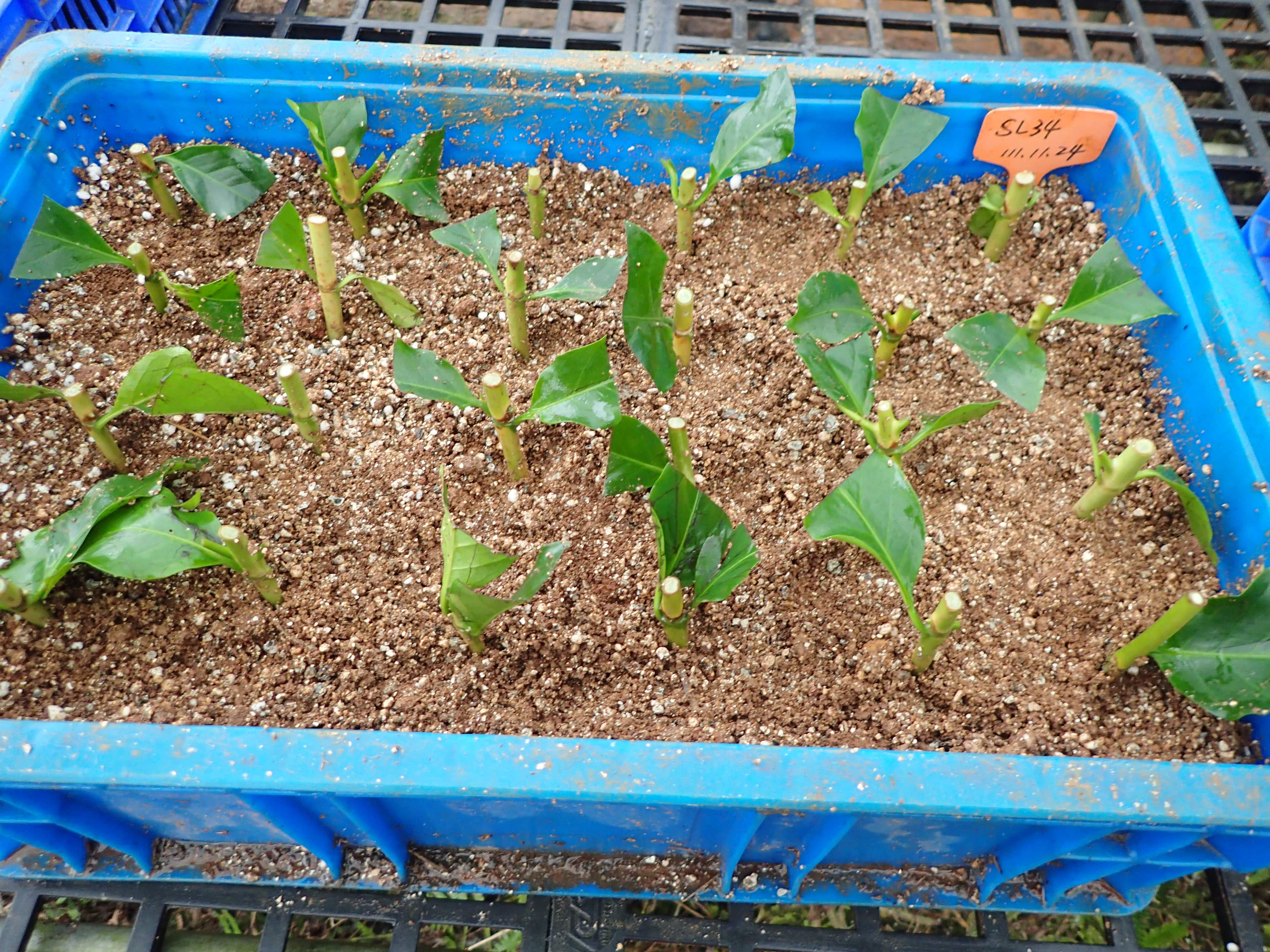
Sustainability | Life ApplicationCoffee (Coffea spp.) is a perennial evergreen shrub native to tropical Africa and belongs to the family Rubiaceae. Arabica coffee (C. arabica), the main cultivar cultivated in Taiwan, is a self-pollinating crop. However, some varieties, such as Geisha, often exhibit cross-pollination, leading to genetic segregation and unstable flavor profiles. Currently, Taiwan still lacks an effective asexual propagation system for coffee, which limits the large-scale propagation and promotion of superior parent plants. Therefore, this technology aims to establish a cutting propagation technique for coffee to rapidly propagate seedlings with superior traits, thereby facilitating the sustainable development of Taiwan's specialty coffee industry.
Sustainability | AgricultureBamboo charcoal powder is produced from bamboo through high-temperature carbonization. Its fine, porous structure provides excellent adsorption and oil-control effects. These characteristics make bamboo charcoal powder versatile for a wide range of cosmetic applications. Furthermore, its natural and eco-friendly properties align with modern consumers' preference for natural and sustainable products. Specifically, bamboo charcoal powder can serve as a substitute for chemical pigments commonly used in cosmetic products. Technically, the ultrafine texture of micro-nanosized bamboo charcoal powder allows it to be easily blended with various cosmetic ingredients, adding new functionality and market appeal to these products.
Sustainability | AgricultureHereditary diseases in dogs and cats can affect offspring to varying degrees; some may cause severe disability or death. To improve breeding quality and prevent long-term suffering, breeding dogs and cats should undergo genetic screening to reduce transmission risk at the source. Supported by the Ministry of Agriculture’s Department of Animal Welfare, ATRI has established seven genetic testing technologies for dogs and cats. We will seek TAF accreditation and offer testing, consultation, and technology transfer services to promote the health and welfare of dogs and cats, enabling responsible breeding.
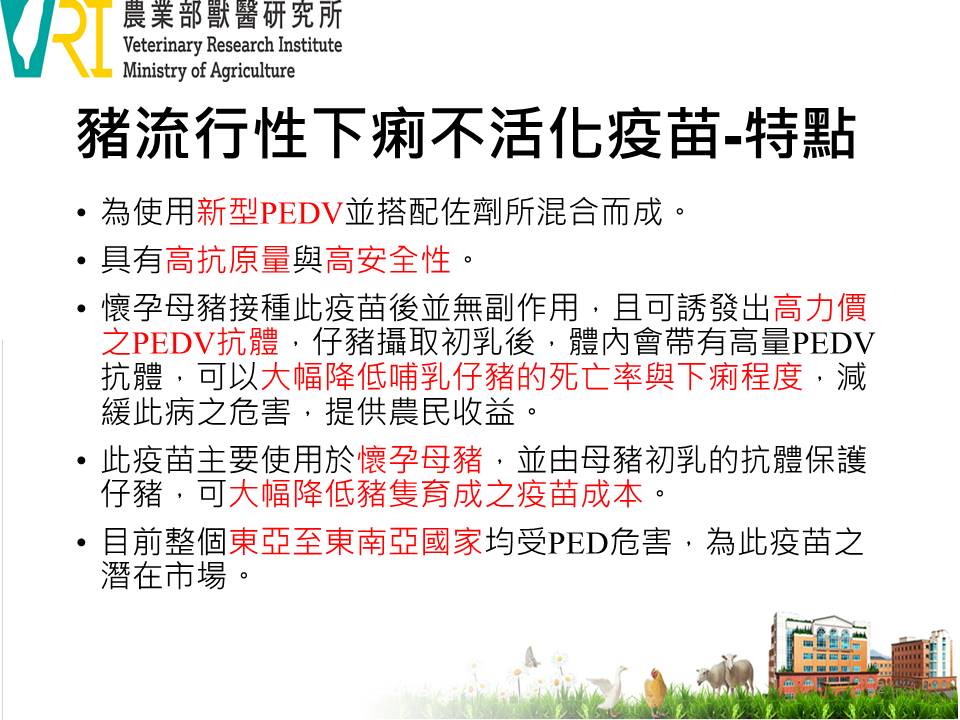
Sustainability | AgricultureThe inactivated vaccine for porcine epidemic diarrhea (PED) is formulated with a novel PEDV strain and an adjuvant, offering both high antigen content and superior safety. When administered to pregnant sows, the vaccine induces high anti-PEDV antibodies with no adverse effects. Nursing piglets with suckling colostrum acquire high levels of anti-PEDV antibodies that significantly reduce mortality and severity of diarrhea. Given that PED remains widespread across East and Southeast Asia, these areas are considered promising markets for this vaccine.
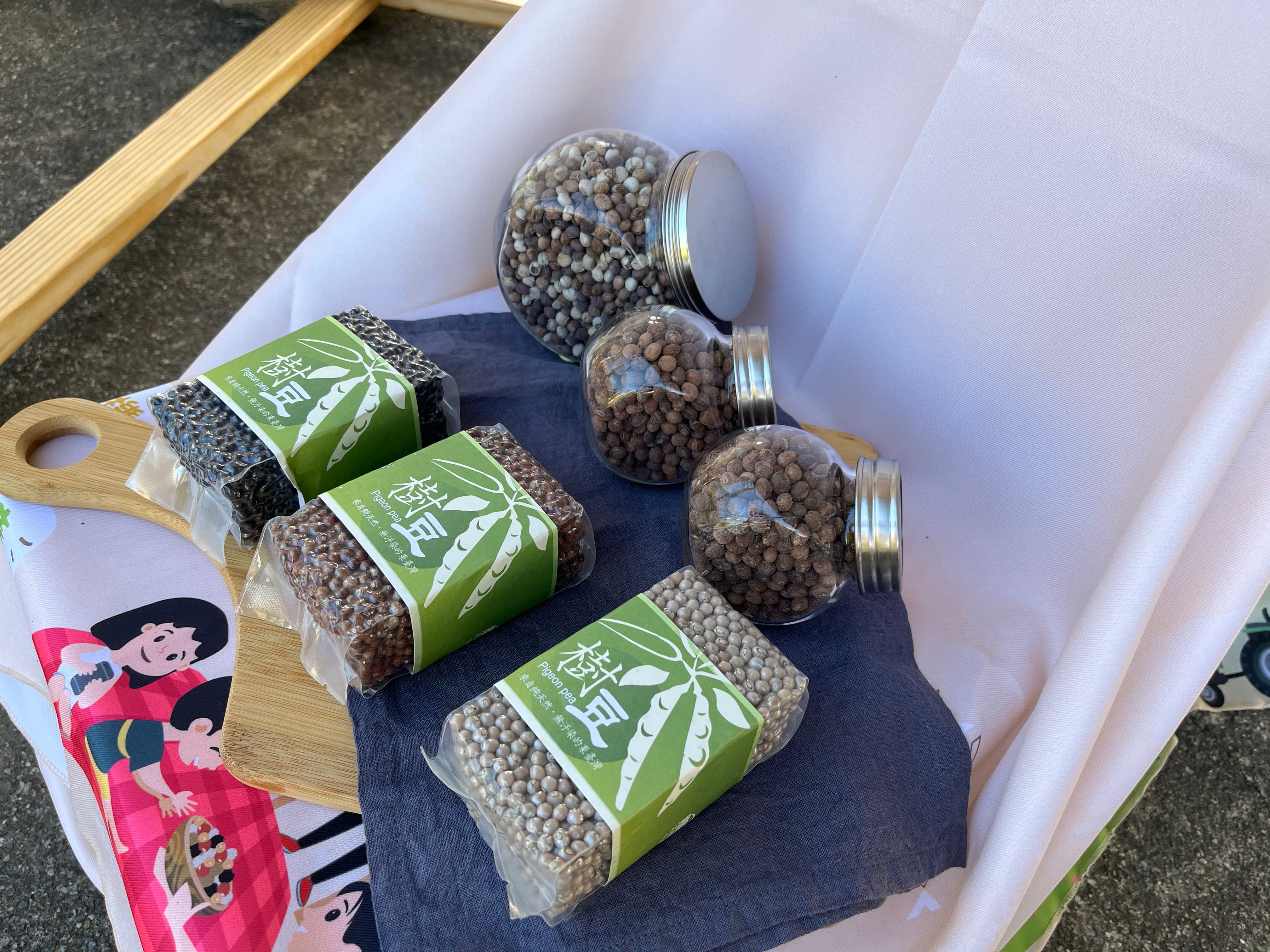
Sustainability | AgriculturePigeon pea (<Cajanus cajan> (L.) Millsp.), also known as "warrior bean," is an important traditional food crop for indigenous communities along the Southern Link Highway in Taitung. The Taitung District Agricultural Research and Extension Station has developed an instant pigeon pea product that is rich in nutrients, can be stored at room temperature, and is ready-to-eat, easy to cook, and time-saving. Each 100 grams contains 25.5 grams of protein, is low in sodium (5mg/100g), has zero cholesterol, and is rich in dietary fiber (24.6g/100g). As a non-allergenic ingredient, it has the potential to be a senior-friendly food, serving as an alternative to refined starchy foods. It can also be consumed as a snack, increasing a person's protein and dietary fiber intake, promoting intestinal motility, enhancing satiety, and reducing the risk of metabolic syndrome by limiting excessive calorie consumption.
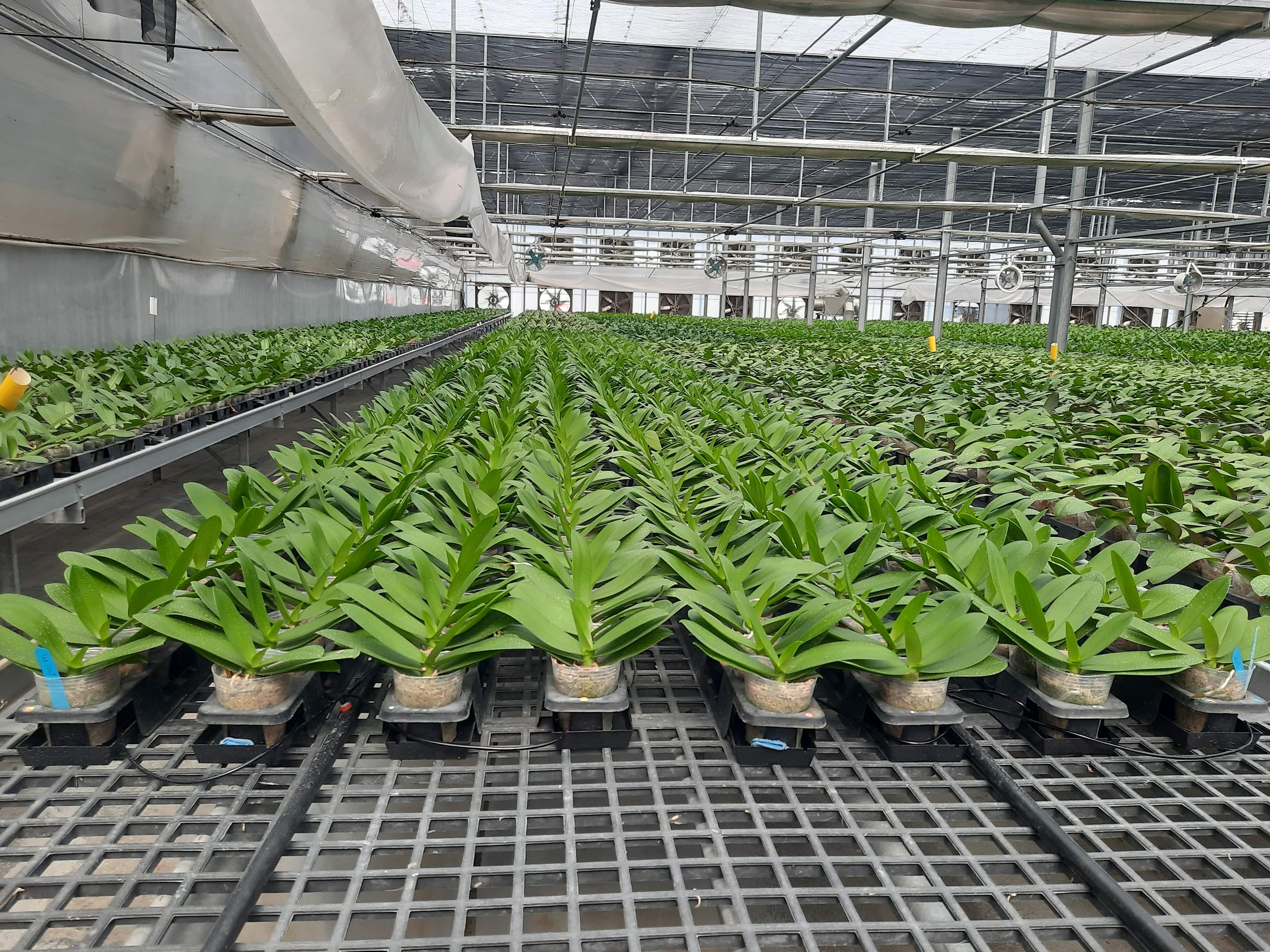
Sustainability | AgricultureThis technology utilizes IoT devices, irrigation pipelines, bottom trays, absorbent fabrics, and pressure-regulating drippers to achieve automated subirrigation for Phalaenopsis. By monitoring soil moisture levels and controlling irrigation schedules or volumes, the system optimizes resource usage, effectively reducing labor, water, and fertilizer consumption.
Sustainability | AgricultureTechnology Introduction: 1.)Zero Waste: Circulating idling items from home, office and warehouse extends product life cycle considerably 2.)Efficienct: An item is circulated every 96 seconds, thanks to 130,000 members including 647 NPOs 3.)Data: Records and data such as stakeholders, quantity, footprint, waste and CO2 reduction available through GC system Awards: National Sustainable Development Award Taiwan Circular Economy Award EPA Resource Recycling Model Enterprise Award 59th Ten Outstanding Young Persons – Business, Entrepreneurship and Economic Development Category Industry Applicability: 1.)Real-time Matching: Enables idling items to be instantly listed and matched—just like sending a message 2.)Automated Carbon Reduction Calculation Module: Every shared item is automatically translated into measurable carbon reduction and social impact. 3.)NPO first: NPO members are given priority to view and claim needed items. 4.)Professional Version for Corporate Users: Our system provides businesses with a specialized version that visualizes their impact through a circular and sharing-based ESG dashboard. This allows corporate users to convert their stock and idling items easily into brand value.
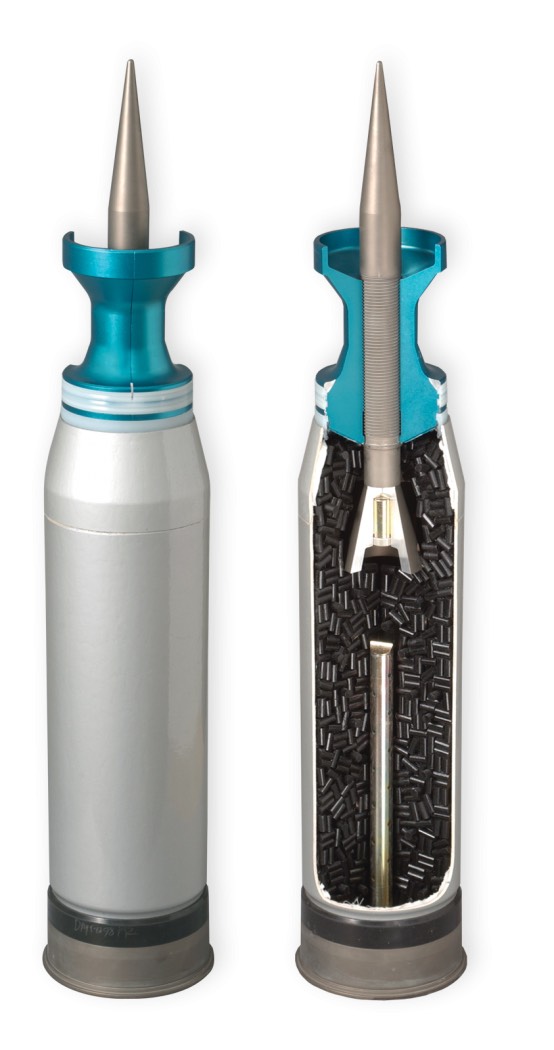
Sustainability | Life ApplicationTechnology Introduction: Combustible cartridge cases are a groundbreaking innovation in ammunition design, serving as both a structural container and an energy source, thus significantly reducing the weight and cost of cartridges. Initially developed to replace traditional metallic cartridges, enabling them to burn completely or partially during firing. This dual function not only reduces the weight of the ammunition but also minimizes the environmental impact of metallic residue and the space occupied by the tank interior. Over the years, Combustible cartridge cases have found widespread applications in military and industrial domains, particularly in machine gun and tank ammunition, due to their efficient ballistic properties and low cost. Industry Applicability: This technology is Featuring lightweight, eco-friendly, and residue-free characteristics, it effectively reduces logistical burden and enhances operational and training efficiency. It enables the design of ammunition without metallic shell residues, which is beneficial for stealth operations and optimizing internal space in vehicles such as tanks.
Sustainability | Materials & Chemical Engineering & NanotechThis technology helps livestock farm technicians manage wastewater carbon emissions. Its functions include: (1) collecting and analyzing carbon emission data; (2) establishing calculation models and parameter settings; and (3) evaluating the carbon reduction benefits of different treatment methods, such as direct discharge, solid-liquid separation, composting and fermentation , and electricity use. The program can estimate carbon emissions based on site-specific conditions and provide optimization solutions. Its benefits include establishing scientific environmental management, enhancing operational efficiency, reducing environmental risks, and strengthening the foundation for sustainable operations.
Sustainability | AgricultureThis innovative granular nematicide formulation is developed using registered chemical pesticides, enhanced through advanced formulation and delivery technologies to extend efficacy. A single application controls root-knot nematodes for two months throughout the crop growth period, reducing crop damage. Using eco-friendly inner ingredients and solvent-reduction techniques, it saves labor and lessens environmental impact. Its application method aligns with conventional granular products, making it farmer-friendly and easy to adopt. This solution combines long-lasting efficacy, labor-saving convenience, and environmental safety — ideal for crop protection.
Sustainability | AgricultureTo help the Taiwanese tea industry, the Tea and Beverage Research Station developed Taiwan Brown Tea. This new, eco-friendly tea is easier to produce, saving energy and labor. Its unique process, which includes long natural withering, light pan-firing, rolling, controlled fermentation, and oven drying, results in a rich, amber-colored brew with a distinct floral and fruity aroma and a smooth, refreshing taste.
Sustainability | AgricultureCommercial AMF products in Taiwan are Funneliformis mosseae, suitable for soil pH of 6.0-8.0. However, the strain Claroideoglomus etunicatum, mass-produced in this technology, is in soil with a wider range of pH of 5.5-7.0. The spore density in this technology can reach over 900 spores/g far more than minimal requirement of 100 spores/g, and this quality gives it a competitive advantage over the current commercial products. C. etunicatum not only can promote growth, but reduce yield losses caused by environmental stress. It could increase crop yields by 10%-30%.
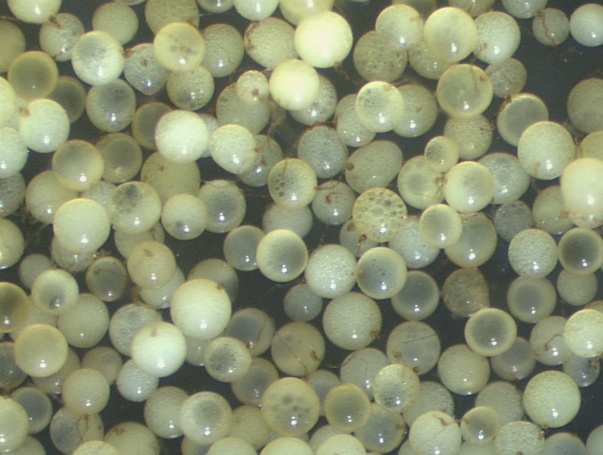
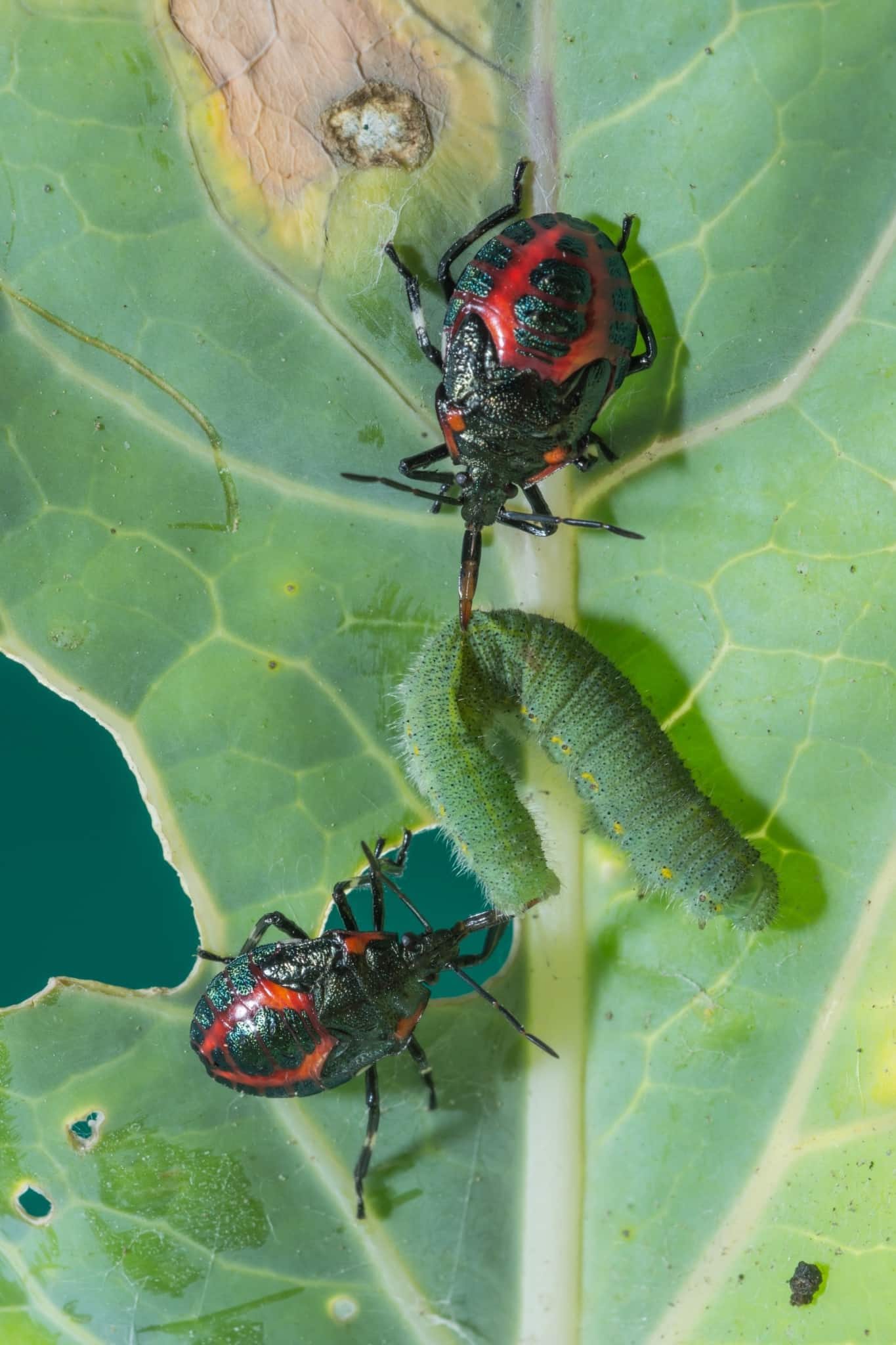
Sustainability | Agriculture<Eocanthecona furcellata> is a predatory insect of Lepidopteran larvae, major pests of vegetables and cucurbits such as Oriental Leafworm Moth and Tomato Fruitworm. These larvae chew leaves, stems, and fruits, causing year-round crop losses. Using piercing-sucking mouthparts,<E. furcellata> injects venom to immobilize and feed on larvae. Advances in rearing techniques, including alternative food sources, have shortened rearing time by 80%, reduced labor costs, and enhanced female oviposition and egg quality, making it an effective natural enemy for sustainable pest control.
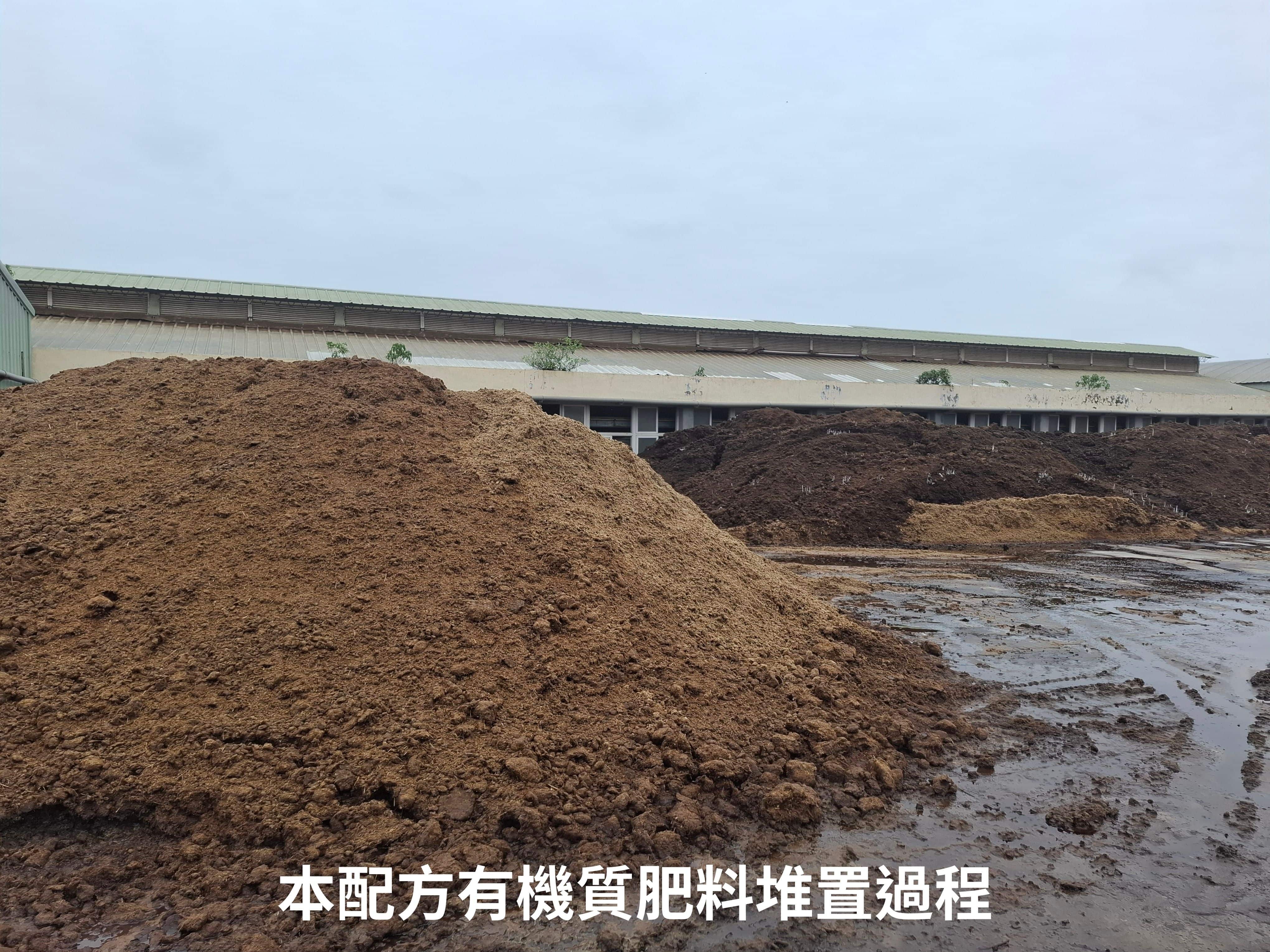
Sustainability | AgricultureThis technology utilizes composted livestock and poultry manure, supplemented with plant-based residue fertilizers, to create a mixed organic fertilizer tailored to the nitrogen needs of green onions as outlined in the crop fertilization manual. While the composted manure mineralizes slowly, the faster-releasing plant residues ensure a steady nutrient supply throughout both the early and later growth stages, thereby reducing nutrient loss and overall fertilizer input. Furthermore, as green onion production is often severely affected by natural disasters due to climate change, the addition of plant growth promoters enhances seedling resilience under stress conditions.
Sustainability | AgricultureComing soon!